Loneliness affects children across all ages, often manifesting in subtle ways that parents can address with empathy and action. By understanding its roots and applying targeted strategies, caregivers can guide kids toward meaningful relationships and improved self-esteem.
Recognizing the Signs of Isolation in Children
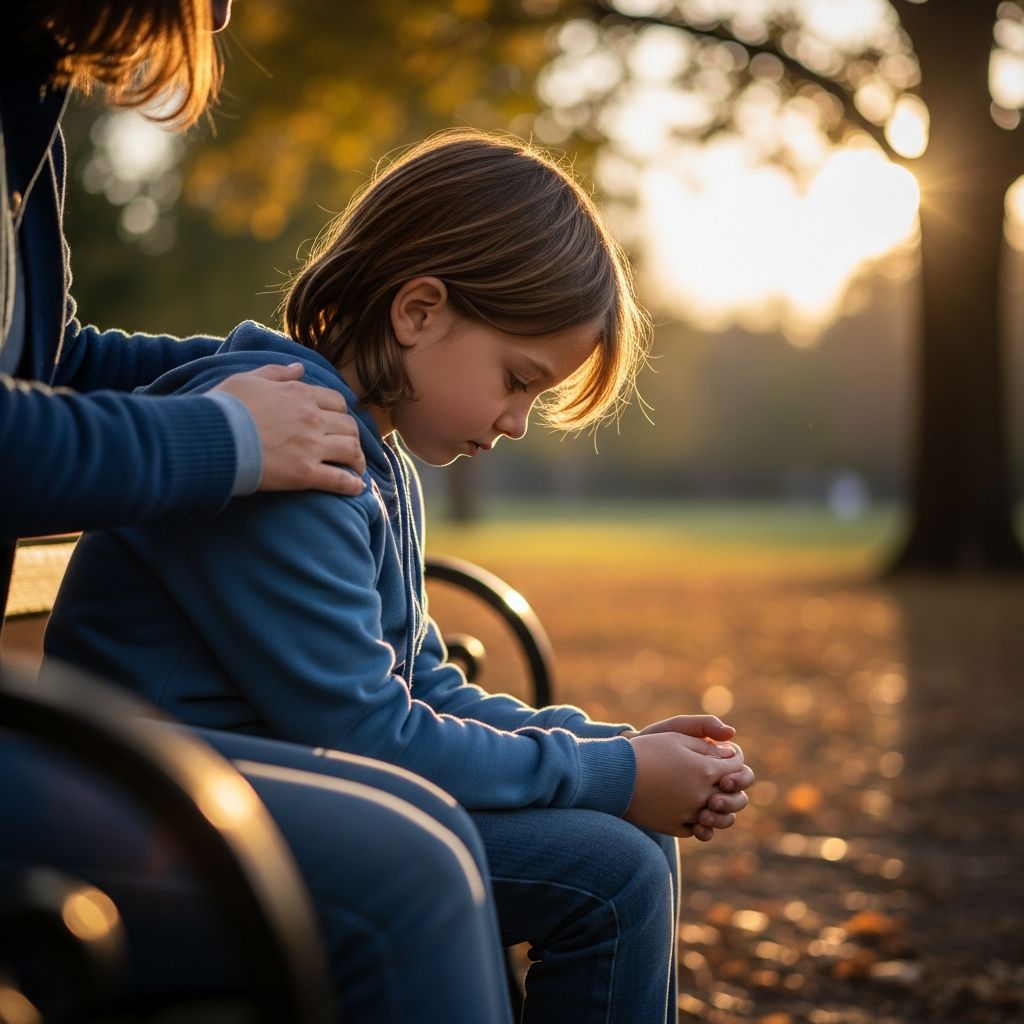
Children may not always verbalize feelings of loneliness, but behavioral cues often reveal their inner struggles. Watch for increased time spent alone, reluctance to engage in group activities, or sudden withdrawal from previously enjoyed social settings. Physical symptoms like changes in appetite or sleep patterns can also signal emotional distress.
- Emotional indicators: Frequent sadness, irritability, or unexplained tears without clear triggers.
- Behavioral shifts: Preferring solitary play, avoiding school events, or excessive screen time as an escape.
- Social clues: Complaints about exclusion from peers or difficulty maintaining conversations.
These signs vary by age; younger kids might cling to parents more, while teens could appear disinterested or defiant. Early detection allows for timely intervention, preventing long-term impacts on mental health.
Understanding Why Children Feel Isolated
Several factors contribute to childhood loneliness, from developmental stages to environmental changes. Frequent relocations disrupt established friendships, leaving kids yearning for stability. Bullying or social rejection at school exacerbates feelings of exclusion, while unique interests may hinder finding compatible peers.
| Cause | Common Age Group | Potential Impact |
|---|---|---|
| Moving to a new area | All ages | Loss of familiar support network |
| Social anxiety or shyness | Elementary to teens | Avoidance of interactions |
| Mismatched interests | Middle school | Difficulty bonding over activities |
| Family transitions | Younger kids | Emotional preoccupation |
Neurodiverse children, such as those with ADHD or autism, face heightened risks due to challenges in reading social cues. Pandemic-related isolations have also lingered, amplifying virtual over in-person bonds.
Building a Foundation of Emotional Security at Home
A nurturing home environment serves as the bedrock for overcoming loneliness. Prioritize quality time without distractions, engaging in shared activities that promote open dialogue. Consistent routines provide predictability, reducing anxiety that fuels isolation.
- Establish daily check-ins to discuss highs and lows.
- Validate emotions without immediate problem-solving to build trust.
- Incorporate family rituals like shared meals to reinforce belonging.
Model positive social behaviors by demonstrating healthy interactions with friends and family. Share age-appropriate stories of your own challenges to normalize their experiences, fostering resilience.
Practical Strategies for Developing Social Skills
Equipping children with tools for interaction boosts confidence gradually. Start with role-playing scenarios at home, practicing greetings, turn-taking, and conflict resolution in a low-stakes setting.
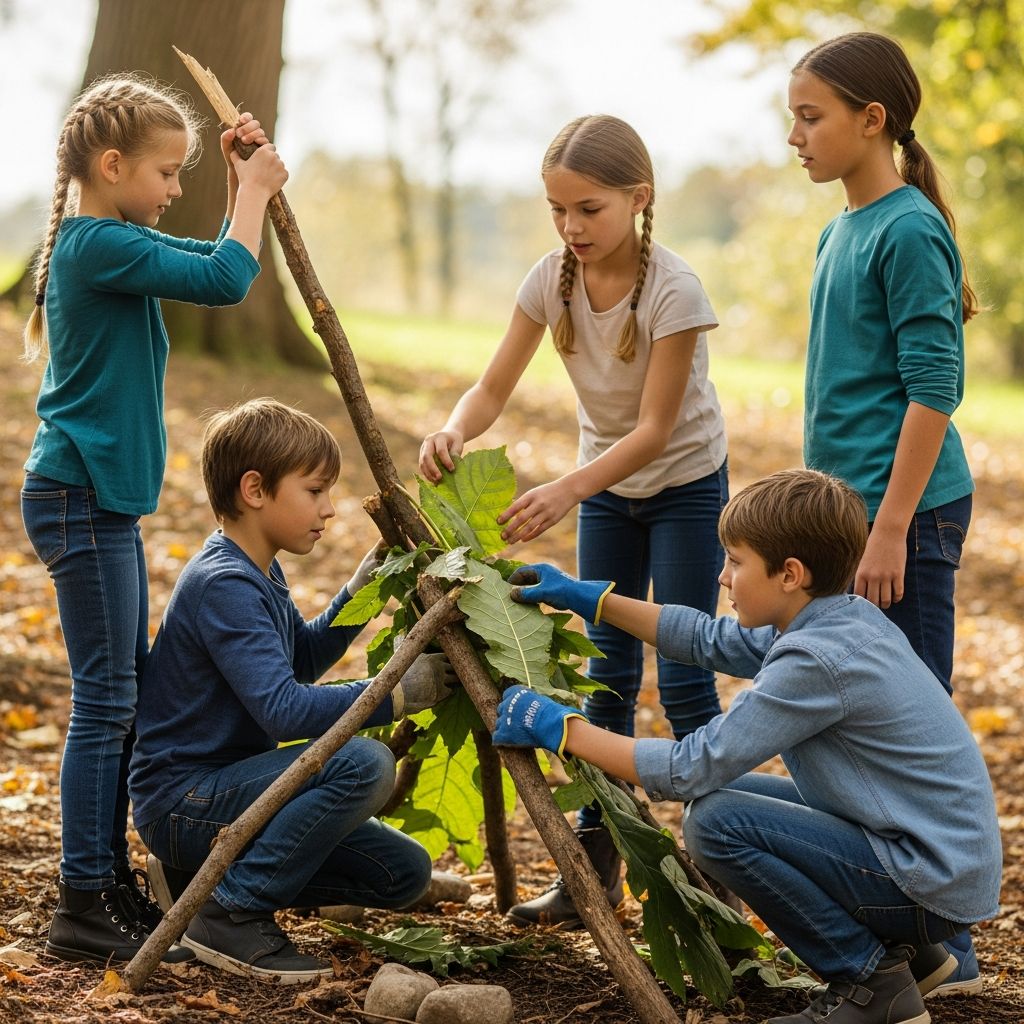
Encourage participation in structured groups aligned with their passions, such as art classes, sports leagues, or scouting. These settings offer natural conversation starters centered on common goals.
- Identify one interest and locate a local club or team.
- Begin with short sessions to avoid overwhelm.
- Debrief afterward, highlighting successes and areas for growth.
For shy children, one-on-one playdates with familiar peers ease entry into larger groups. Gradually increase complexity, celebrating incremental progress to sustain motivation.
Leveraging Interests to Forge Friendships
Children’s hobbies are gateways to like-minded communities. Gaming enthusiasts might join local tournaments, while book lovers could attend reading circles. Transforming solo pursuits into group endeavors, like collaborative drawing sessions, naturally sparks bonds.
- Outdoor activities: Hiking clubs or bike groups for active kids.
- Creative outlets: Theater workshops or music ensembles.
- Tech-focused: Coding camps or esports teams.
Parents can facilitate by researching options and offering transport, but allow kids autonomy in choices to enhance ownership and enthusiasm.
The Role of Professional Support in Healing Isolation
When home efforts fall short, therapists specializing in child psychology provide tailored guidance. Cognitive-behavioral techniques help reframe negative thoughts, while social skills groups offer supervised practice.
School counselors can mediate peer issues, and child life specialists in medical settings create play-based socialization opportunities. Early intervention prevents escalation into depression or anxiety.
“Connecting children with professionals builds resilience through structured emotional processing and peer practice.”
Navigating Technology and Social Media Mindfully
Digital tools connect but can intensify loneliness if misused. Limit screen time to prioritize face-to-face interactions, and monitor online engagements for cyberbullying risks. Apps designed for positive chit-chat, like those linking youth support groups, offer safe starting points.
Teach digital etiquette, emphasizing that virtual likes pale against real hugs. Family media plans balance connectivity with presence.
Cultivating Self-Worth Amid Solitude
Loneliness erodes self-view; counter it by daily affirmations of strengths. Journaling five positive traits shifts focus inward positively. Pet interactions provide unconditional companionship, easing emotional voids.
- Volunteer together to instill purpose through helping others.
- Explore mindfulness apps for kids to manage anxious thoughts.
- Praise effort over outcomes to nurture growth mindset.
Age-Specific Approaches to Fostering Connections
Tailor strategies to developmental stages for effectiveness. Toddlers benefit from parent-led playgroups; school-age kids thrive in team sports. Teens need space for self-directed clubs, with parental brainstorming support.
| Age Group | Recommended Activities | Parental Role |
|---|---|---|
| 3-6 years | Playdates, preschool groups | Facilitate and supervise |
| 7-12 years | Sports, scouts, arts classes | Encourage and transport |
| 13+ years | Clubs, volunteer work, part-time jobs | Guide and empower |
Frequently Asked Questions (FAQs)
Q: How do I start a conversation about loneliness without embarrassing my child?
A: Use casual, open-ended prompts like “What’s been the highlight of your week with friends?” during relaxed moments to invite sharing naturally.
Q: What if my child resists joining groups?
A: Start small with family-involved activities or one friend, building comfort before larger commitments. Respect pace while gently encouraging.
Q: Can pets really help with loneliness?
A: Yes, animals offer non-judgmental companionship, reducing stress and boosting mood through physical interaction and routine care.
Q: When should I seek professional help?
A: If loneliness persists over months, affects daily functioning, or accompanies depression signs, consult a pediatrician or therapist promptly.
Q: How can I model good social habits for my kids?
A: Demonstrate reaching out to friends, resolving conflicts calmly, and enjoying tech-free gatherings to show healthy connection values.
Long-Term Benefits of Early Intervention
Addressing loneliness proactively yields lifelong gains: stronger relationships, better academic performance, and robust mental health. Children learn self-advocacy, turning vulnerabilities into strengths. Parents’ involvement models empathy, rippling positively through families.
Sustained effort, even amid setbacks, transforms isolation into belonging. Track progress via journals, adjusting tactics as needs evolve.
References
- How to Help a Lonely Child: 7 Causes & Proven Support Strategies — UK Therapy Guide. 2023-05-15. https://uktherapyguide.com/why-is-my-child-lonely-7-causes-of-loneliness-in-children-and-what-parents-can-do-to-help
- Overcoming Loneliness: How to Help Kids Build Social Connection — Children’s Hospital Colorado. 2024-02-20. https://www.childrenscolorado.org/just-ask-childrens/articles/loneliness/
- Loneliness is hard (for kids and teens) — Mental Health America. 2023-11-10. https://mhanational.org/resources/loneliness-is-hard-for-kids-and-teens/
- Surgeon General’s Advisory on Loneliness — U.S. Department of Health and Human Services. 2023-05-01. https://www.hhs.gov/sites/default/files/surgeon-general-social-connection-advisory.pdf
- Childhood Loneliness and Social Isolation Interventions — American Academy of Pediatrics. 2024-08-12. https://publications.aap.org/pediatrics/article/doi/10.1542/peds.2024-066789/200000