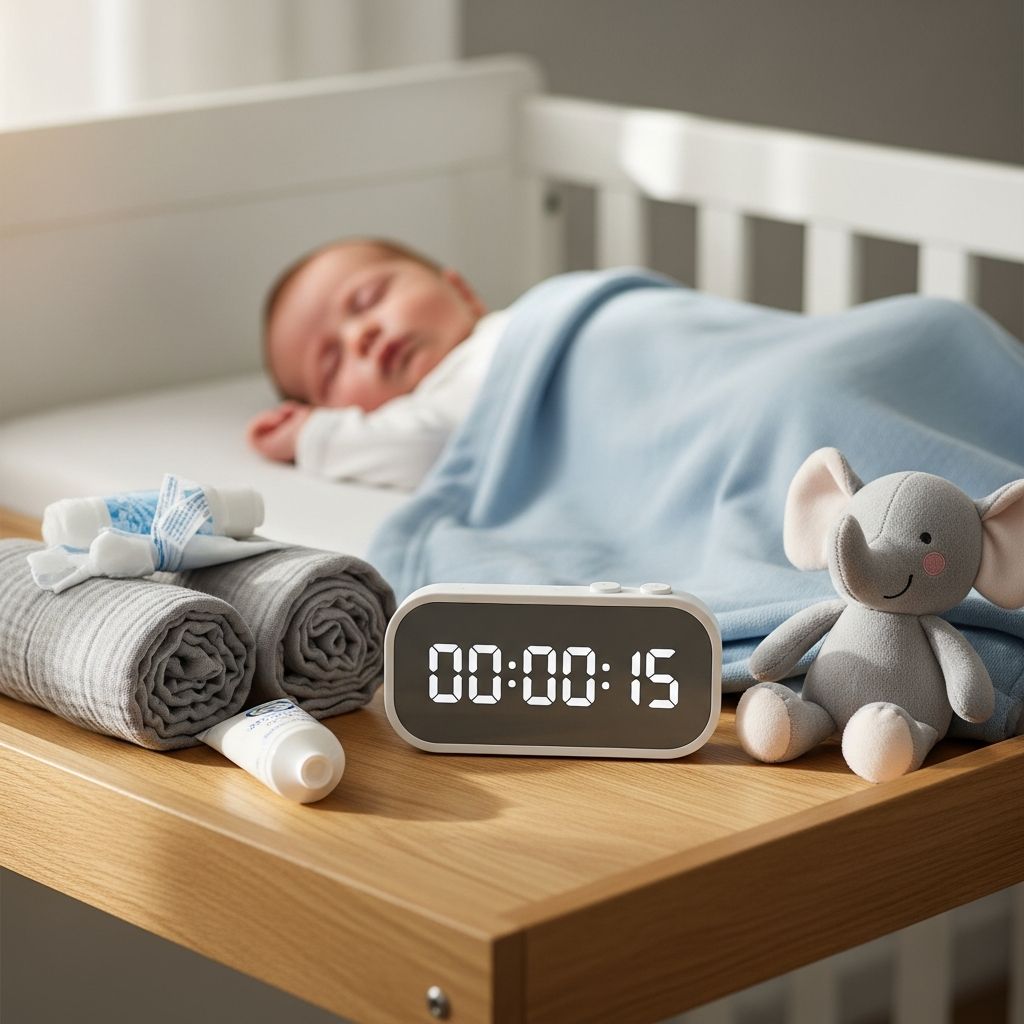
Some babies seem to treat daytime like a marathon, stubbornly staying awake long past the point of yawns and eye-rubbing. For parents, a baby who rarely naps can turn every afternoon into a battle with tears, frustration, and constant second-guessing. This guide explains why naps matter, what keeps some babies from sleeping, and how to gently shift from chaos to a more predictable daytime rhythm.
Why Naps Matter More Than You Think
Naps are not just quiet breaks for adults; they are active work time for a baby’s developing brain and body. During daytime sleep, babies process new experiences, regulate stress, and restore energy reserves that help them eat, play, and grow well.
When naps are consistently skipped or too short, babies often become overtired, which ironically makes it even harder for them to fall asleep and stay asleep, both day and night. A well-rested baby usually feeds more effectively, engages more happily, and is less fussy overall, so working on naps benefits the whole household.
Common Reasons Babies Skip Naps
There are many reasons a baby resists or shortens naps, and understanding the root cause helps you choose realistic strategies instead of trying every tip you see online. Often, several factors overlap, creating a perfect storm of non-sleep.
- Overtiredness: Staying awake too long raises stress hormones, which make falling asleep and staying asleep harder.
- Under-tiredness: If wake windows are too short, a baby may not have built enough sleep pressure to nap well.
- Inconsistent cues: If pre-nap routines and timing swing wildly, a baby has a harder time predicting when sleep is coming.
- Environment: Too much light, noise, or stimulation can override a baby’s sleepy signals.
- Discomfort: Hunger, a wet or dirty diaper, reflux, or illness can interrupt or block sleep.
Instead of assuming your baby simply “hates naps,” it helps to see nap resistance as a signal that something in timing, environment, or comfort needs adjustment.
Understanding Wake Windows and Tired Signs
Wake windows are the stretches of time a baby can comfortably stay awake between sleeps. They change rapidly with age, and small shifts can make a big difference in how easily a baby falls asleep. While every child is unique, approximate wake windows can serve as a helpful starting point.
| Age | Usual Wake Window | Naps per Day |
|---|---|---|
| 0–6 weeks | 45–60 minutes | 4–6+ catnaps |
| 6–12 weeks | 60–90 minutes | 4–5 naps |
| 3–4 months | 75–120 minutes | 3–4 naps |
| 5–7 months | 2–3 hours | 3 naps reducing to 2 |
| 8–14 months | 2.5–4 hours | 2 naps, then 1 |
Tired signs often appear before full-on crying. Watching for early cues and starting the nap process at that point gives you the best chance of success.
- Early signs: glazed stare, slower movements, turning away from stimulation, slight fussiness.
- Later signs: pronounced yawning, face rubbing, tugging ears or hair, jerky movements, arching back.
By the time a baby is flailing, crying hard, and fighting every step, the wake window has probably been exceeded, and you are working against a wired nervous system instead of with natural sleep pressure.
Designing a Nap-Friendly Environment
A baby who is easily distracted by every sound and shadow often needs a more controlled sleep environment. Creating a sleep-friendly space does not require perfection, but it helps to be deliberate about light, sound, and comfort.
- Darkness: Use blackout curtains or temporary coverings to dim the room, especially for older babies who are more visually alert.
- White noise: A consistent, low-volume sound (fan, white noise machine) can mask household noise and mimic the steady sounds of the womb.
- Comfortable temperature: Aim for slightly cool rather than warm, with breathable layers so the baby is not sweating or shivering.
- Safe sleep space: A flat, firm surface with no loose items, following current safe sleep guidelines, gives you peace of mind and allows the baby to move naturally.
For very young infants who nap better on the go, using this dedicated sleep space for at least one nap a day can gradually build familiarity and positive associations with the crib or bassinet.
Creating Predictable Pre-Nap Rituals
Babies learn through repetition, and short, consistent pre-nap rituals act like a gentle “sleep cue” sequence. Over time, these steps help the baby recognize that sleep is coming, which can reduce resistance and fussing.
A pre-nap routine can be as simple as 5–10 minutes and should be calm, consistent, and realistic for your lifestyle.
- Change diaper and check for physical comfort.
- Dim the lights and lower stimulation (no loud toys or bright screens).
- Offer a brief cuddle, song, or story in a quiet voice.
- Use the same key phrases each time, such as “Time for your nap now.”
- Place the baby in the sleep space drowsy but still awake when possible.
The exact steps matter less than repeating them in the same order before most naps. Even if naps are short at first, keep the ritual consistent; this is what builds the association over days and weeks.
Choosing a Nap Strategy That Fits Your Baby
There is no single nap method that suits every baby and every family. Instead of chasing the “perfect” strategy, it is more helpful to choose a gentle approach that matches your baby’s temperament and your own comfort level, and to stick with it long enough to see patterns emerge.
Below are three broad, gentle approaches you can adapt and combine over time.
1. Responsive Rock-and-Transfer Approach
This approach uses soothing motion and closeness to help a baby relax, then gradually introduces the idea of sleeping on a flat surface. It works well for very young babies and highly sensitive infants who find independent settling extremely hard.
- Start naps with rocking, walking, or holding until the baby is deeply relaxed, then transfer to the crib.
- Place the baby down slowly, with firm but gentle hands on the chest for a few moments to ease the transition.
- If the baby wakes immediately, give a brief chance to resettle, then decide whether to soothe in arms again or end the attempt if everyone is frustrated.
Over time, you can shorten the amount of active soothing before transfer, gradually moving from fully asleep transfers to drowsy transfers as the baby matures.
2. In-Room Presence Approach
In this method, you place the baby into the crib awake or drowsy, but you remain in the room to provide reassurance through your voice, touch, or presence. It can be a good bridge between constant rocking and full independent settling.
- Begin the nap routine, then lay the baby in the crib while still awake but calm.
- Stay nearby, perhaps sitting in a chair, and provide brief pats, shushing, or gentle words as needed.
- As naps improve over days or weeks, reduce how much you intervene and gradually increase your physical distance.
This approach respects a baby’s need for connection while still teaching that the crib is a safe, predictable place for sleep.
3. Schedule-Guided but Flexible Approach
Some families prefer a clock-based rhythm, especially for older babies who have more regular days. Instead of strict minute-by-minute schedules, think of this as a flexible framework that lines up with your baby’s natural patterns.
- Use approximate nap windows (for example, morning nap 1.5–2 hours after wake, afternoon nap 2–3 hours after that).
- If a nap is skipped or very short, gently adjust the rest of the day, sometimes by moving bedtime earlier.
- Track patterns for a week to see whether the baby generally prefers earlier or later naps within those windows.
Combining a loose structure with attention to tired signs helps you avoid both rigid scheduling and total unpredictability.
When Your Baby Refuses the Nap Anyway
Even with careful timing and soothing routines, some naps will simply not happen. Instead of turning every missed nap into a prolonged battle, it helps to have a clear backup plan.
- Set a mental time limit for each nap attempt, such as 30–40 minutes, to prevent exhaustion and frustration.
- If the baby has not settled, end the attempt, open the curtains, and shift into low-key awake time (quiet play, gentle interaction).
- Offer the next nap a bit earlier than usual to compensate for missed sleep.
On particularly difficult days, contact naps or stroller/carrier naps can act as “rescue naps” to prevent full meltdowns. While they may not be your long-term plan, they can help you break the cycle of extreme overtiredness.
Extending Short Naps Gently
Some babies fall asleep easily but wake after one sleep cycle, often around 30–45 minutes. These short naps can keep a baby technically “not overtired” but still cranky and unrefreshed.
- Try a preemptive check: quietly position yourself nearby a few minutes before the usual wake-up point to offer gentle shushing or an occasional pat as the baby stirs.
- If the baby wakes fully but seems sleepy, briefly attempt to resettle in the crib, then decide whether to soothe in arms or start a calm, shorter wake window.
- For some babies, one contact nap per day (in carrier or arms) allows for a longer stretch of sleep and a reset for the rest of the day.
Short naps are extremely common in the early months and often lengthen naturally as the nervous system matures. The goal is to support better naps without turning every brief waking into a high-stress event.
Balancing Daytime Naps with Night Sleep
Many parents worry that encouraging more daytime sleep will ruin night sleep, but chronic overtiredness usually harms nights more than it helps them. The aim is balance: enough daytime sleep to prevent meltdowns but not so much that bedtime drifts very late.
- If your baby consistently has long late-afternoon naps, consider gently shortening or moving that nap earlier so bedtime remains predictable.
- For babies who sleep poorly at night, focus first on early bedtime and age-appropriate wake windows before cutting naps.
- Track both naps and nights for several days; often, small adjustments in nap length or timing can improve nights without drastic changes.
Think of total daily sleep as a budget. If daytime naps are very low, you can often improve nights by protecting earlier naps, especially the morning and early afternoon ones.
Red Flags and When to Seek Help
While nap struggles are common and usually normal, there are situations where professional guidance is important. Trust your instincts if something feels off or if nap issues come with other concerning signs.
- Persistent feeding difficulties, poor weight gain, or very low energy between attempts at sleep.
- Loud snoring, gasping, or unusual breathing patterns during sleep.
- Extreme irritability that does not improve with usual soothing methods or with changes to sleep routines.
Speaking with your pediatrician or a qualified infant sleep specialist can rule out medical causes and provide tailored support. You should never feel that seeking help means you are failing; it is simply another tool for supporting your baby’s well-being.
Gentle Mindset Shifts for Exhausted Parents
Working on naps is as much an emotional process for parents as it is a behavioral process for babies. Expectations shaped by social media, relatives, and books can leave you feeling inadequate when your baby does not match sample schedules.
- Recognize that nap skills develop over time; your baby is not broken because naps are hard right now.
- Measure progress in small wins: a slightly longer nap, an easier transition to the crib, or fewer tears before sleep.
- Share night and day responsibilities with other caregivers when possible to protect your own rest and mental health.
Consistency helps, but so does flexibility and compassion—for your baby and for yourself. Even a partially improved nap situation can make daily life feel dramatically more manageable.
Sample Gentle Nap Day for a Young Baby
The example below is not a rigid schedule but a template to show how wake windows, routines, and flexibility can fit together for a baby around 3–4 months old.
| Time (Approx.) | Activity | Notes |
|---|---|---|
| 7:00 | Wake and feed | Bright light, brief play |
| 8:15 | Pre-nap routine | Dim lights, quiet cuddle |
| 8:30–9:15 | Nap 1 | Resettle once if needed |
| 9:15–11:00 | Feed and awake time | Play, tummy time, short outing |
| 11:00–11:45 | Nap 2 | Contact nap if morning was rough |
| 12:00–14:00 | Feed and awake time | Calmer activities as baby tires |
| 14:00–14:45 | Nap 3 | Try crib first; rescue nap if needed |
| 15:00–17:00 | Feed and awake time | Limit late-day overstimulation |
| 17:00–17:30 | Optional short nap | Wake by 17:30 to protect bedtime |
| 18:30–19:30 | Bedtime routine and night sleep | Bath, feed, calm wind-down |
Your own day may start earlier or later and involve more or fewer naps, but the general pattern—awake time, predictable pre-nap routine, nap attempt, then flexible adjustment—remains similar.
FAQs About Non-Napping Babies
1. Is it normal for a newborn to be awake for hours?
Newborns can occasionally stay awake for long stretches, especially after a stimulating outing or growth spurt, but routinely being awake for many hours is usually a sign of overtiredness rather than high energy. In the early weeks, most babies need frequent opportunities to sleep, often after only 45–60 minutes of wake time. If your newborn seems constantly wired and cannot settle, it is worth focusing on earlier nap attempts and discussing concerns with a pediatric provider.
2. Should I ever let my baby skip a nap?
Occasional skipped naps are part of real life, due to appointments, travel, or days when nothing works despite your best efforts. Rather than forcing a nap at all costs, it is usually more productive to end a failed attempt, keep the next wake window short and calm, and offer an earlier bedtime. Frequent skipped naps, however, usually call for a closer look at wake windows, environment, and routine consistency.
3. Are motion naps (stroller, car, carrier) “bad habits”?
Motion naps can be incredibly useful tools, especially for very young infants or on days when your baby is deeply overtired. They are not inherently harmful and can provide much-needed rest for both baby and caregiver. Over time, you can gradually shift one or more naps into the crib while still using motion naps strategically when you need them.
4. How long should I try to resettle before giving up on a nap?
Many families find it helpful to set a personal upper limit, such as 30–40 minutes of active trying per nap, to avoid endless cycles of picking up and putting down. If you or your baby are becoming increasingly distressed, stopping the attempt and resetting with gentle, low-key play is often the kinder choice. You can then offer the next nap a bit earlier and move on without feeling trapped in a battle.
5. When do babies usually become more predictable with naps?
Some babies begin to show clear nap patterns around 3–4 months as their circadian rhythms mature, while others remain more flexible well into the second half of the first year. Consistent routines, age-appropriate wake windows, and a calm sleep environment help speed this process, but temperament and development still play large roles. The goal is gradual improvement over weeks, not overnight perfection.
Final Thoughts
Helping a non-napping baby learn to rest is less about controlling every moment and more about stacking small advantages in your favor—timing, environment, routine, and realistic expectations. With patience, gentle consistency, and a willingness to adjust, most babies eventually shift from constant protest to more predictable, restorative daytime sleep. In the meantime, protecting your own rest and seeking support when needed are just as important as any nap strategy you use.