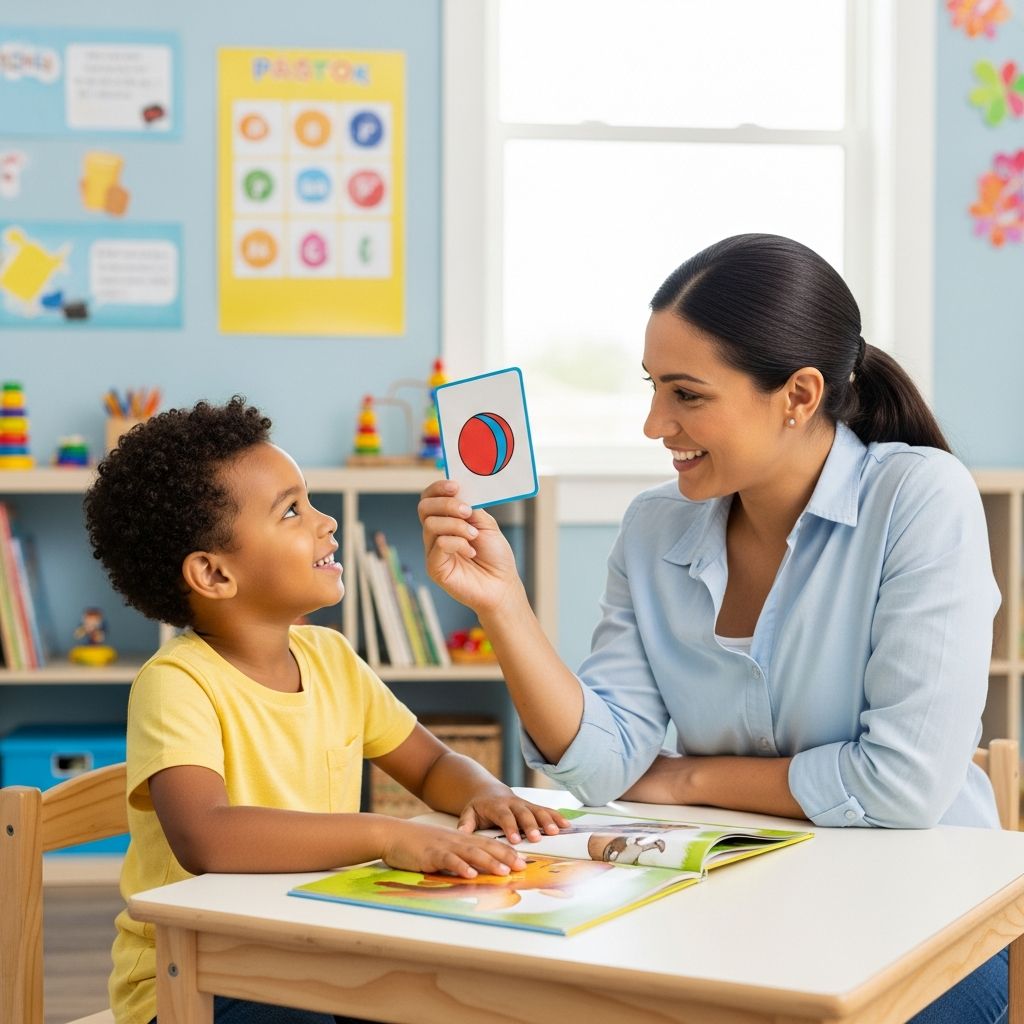
Toddlers between ages 1 and 3 often display aggressive behaviors like hitting, biting, or throwing objects as they navigate intense emotions and limited communication skills. These actions stem from developmental stages where brain regions for impulse control are still maturing, making frustration a common trigger. Parents can transform these challenging moments into opportunities for growth by applying consistent, empathetic strategies that teach self-regulation without punishment.
Understanding the Roots of Toddler Aggression
Aggression in toddlers frequently arises from overwhelming feelings they cannot yet verbalize, such as anger, tiredness, or hunger. At this age, the prefrontal cortex, responsible for emotional control, is underdeveloped, leading to physical outbursts instead of words. Common triggers include transitions between activities, competition with peers, or unmet needs like sleep deprivation. Recognizing these patterns allows parents to intervene proactively, preventing escalation before it begins.
Environmental factors also play a role; overstimulation from noisy settings or lack of routine can heighten irritability. Unlike older children, toddlers lack the vocabulary to express ‘I am mad,’ so they resort to actions. Studies from child development experts emphasize that this phase is temporary with proper guidance.
Immediate Strategies for Handling Outbursts
When aggression occurs, the priority is safety and de-escalation. Start by staying calm—your composed demeanor models emotional control and prevents mirroring aggressive responses. Firmly but gently hold the child’s arms to their sides if they risk harming themselves or others, saying, ‘I see you’re upset, but hitting hurts. Let’s keep safe.’ This validates feelings while setting limits.
- Redirect attention: Offer a safe alternative like squeezing a pillow or toy to channel energy positively.
- Use short phrases: Speak simply, such as ‘Hands are for hugging, not hitting,’ repeated consistently.
- Remove from the scene: Move to a quieter spot, like another room or outdoors, to reduce stimuli and aid calming.
Avoid yelling or physical retaliation, as these reinforce that aggression solves problems. Instead, after safety is ensured, guide deep breathing together—’Let’s blow out candles’—to regulate the nervous system.
Building Emotional Awareness Daily
Help toddlers name emotions to build a foundation for self-expression. Throughout the day, label feelings: ‘You look frustrated when the block tower fell. It’s okay to feel mad.’ This vocabulary expansion reduces reliance on physical acts. Model desired behaviors by verbalizing your own emotions, like ‘I’m feeling tired, so I’ll take a deep breath.’
Incorporate play-based learning: Use books or puppets to discuss anger, showing characters using words or actions like stomping feet safely. Daily routines with emotion check-ins, such as ‘How do you feel after snack time?’, foster awareness.
| Emotion | Signs in Toddlers | Teaching Phrase |
|---|---|---|
| Anger | Clenched fists, screaming | ‘You’re mad. Use words: I need help.’ |
| Frustration | Throwing objects | ‘That’s hard. Let’s try again together.’ |
| Sadness | Crying, withdrawing | ‘You feel sad. A hug helps.’ |
This table outlines common signals and responses, promoting proactive emotional coaching.
Establishing Firm Boundaries and Routines
Consistency is key to discipline, which means teaching rather than punishing. Define clear rules like ‘No hitting friends’ and enforce them every time with predictable outcomes, such as a brief time-out. Time-outs should last one minute per year of age in a boring, safe spot, followed by a calm discussion: ‘Hitting stops playtime. Next time, ask nicely.’
Prevent issues with structured routines: Predictable schedules for meals, naps, and play minimize triggers. Offer choices within limits, like ‘Red cup or blue?’, to satisfy independence needs without chaos. Supervise closely during high-risk times, such as playdates, intervening early with ‘Touch gently’ while demonstrating.
Positive Reinforcement for Lasting Change
Reward good behavior to encourage repetition. Praise specifically: ‘Great job using words when you were upset!’ Implement a token system where stickers earned for calm responses exchange for small privileges, like extra story time. ‘Time-in’ moments—extra cuddles for positive actions—build connection and motivation.
- Catch them being good during transitions.
- Use charts for visual tracking of successes.
- Celebrate small wins to boost confidence.
This approach shifts focus from negatives, reinforcing neural pathways for self-control.
Creating a Calming Environment at Home
Designate a ‘cozy corner’ with soft toys, books, and breathing tools for voluntary calm-downs. Involve your toddler in setting it up to encourage ownership. Limit screen time and ensure physical outlets like park visits to release energy constructively.
Family meetings discuss feelings weekly, practicing role-plays for scenarios like sharing toys. This builds problem-solving skills preemptively.
When to Consider Professional Support
Most toddler aggression resolves with home strategies, but persistent intense behaviors—daily hitting despite interventions, or harming animals—warrant expert input. Pediatricians can rule out underlying issues like sensory processing or sleep disorders. Parent training programs teach advanced techniques, while therapies like cognitive behavioral approaches adapt for young ages.
Early intervention prevents escalation; resources from organizations like Zero to Three offer free tools.
Frequently Asked Questions
What if my toddler hits during playdates?
Separate them immediately, comfort both children, and later practice gentle play. Consistency across caregivers helps.
Is time-out effective for 2-year-olds?
Yes, when brief and paired with explanation and repair. It teaches pause, not isolation.
How long does the hitting phase last?
Typically until age 4 with guidance, as language and empathy develop.
Should I ignore minor aggression?
No, address safely to teach boundaries, but praise alternatives more.
Can tiredness cause more outbursts?
Absolutely—prioritize naps and routines to reduce fatigue triggers.
Long-Term Benefits of Proactive Parenting
Consistent strategies yield children with better emotional intelligence, fewer tantrums by preschool, and stronger relationships. Track progress in a journal to note improvements, adjusting as needed. Patience is essential; development unfolds gradually.
By focusing on teaching over reacting, parents equip toddlers for lifelong resilience. Combine these methods for comprehensive support, watching your child thrive amid challenges.
References
- How To Handle Aggressive Behavior in a 3-Year-Old — Emora Health. 2023. https://www.emorahealth.com/resources/aggressive-3-year-old
- Disciplining Your Toddler — Nemours KidsHealth. 2024-01-15. https://kidshealth.org/en/parents/toddler-tantrums.html
- Toddler Aggression: Strategies for Discouraging Hitting and Biting — First 5 California. 2023. https://www.first5california.com/en-us/articles/toddler-aggression-strategies-for-discouraging-hitting-and-biting/
- Toddlers and the Hitting Stage — Positive Discipline. 2022-06-01. https://www.positivediscipline.com/articles/toddlers-and-hitting-stage/
- Aggressive Behavior in Toddlers — ZERO TO THREE. 2024. https://www.zerotothree.org/resource/aggressive-behavior-in-toddlers/