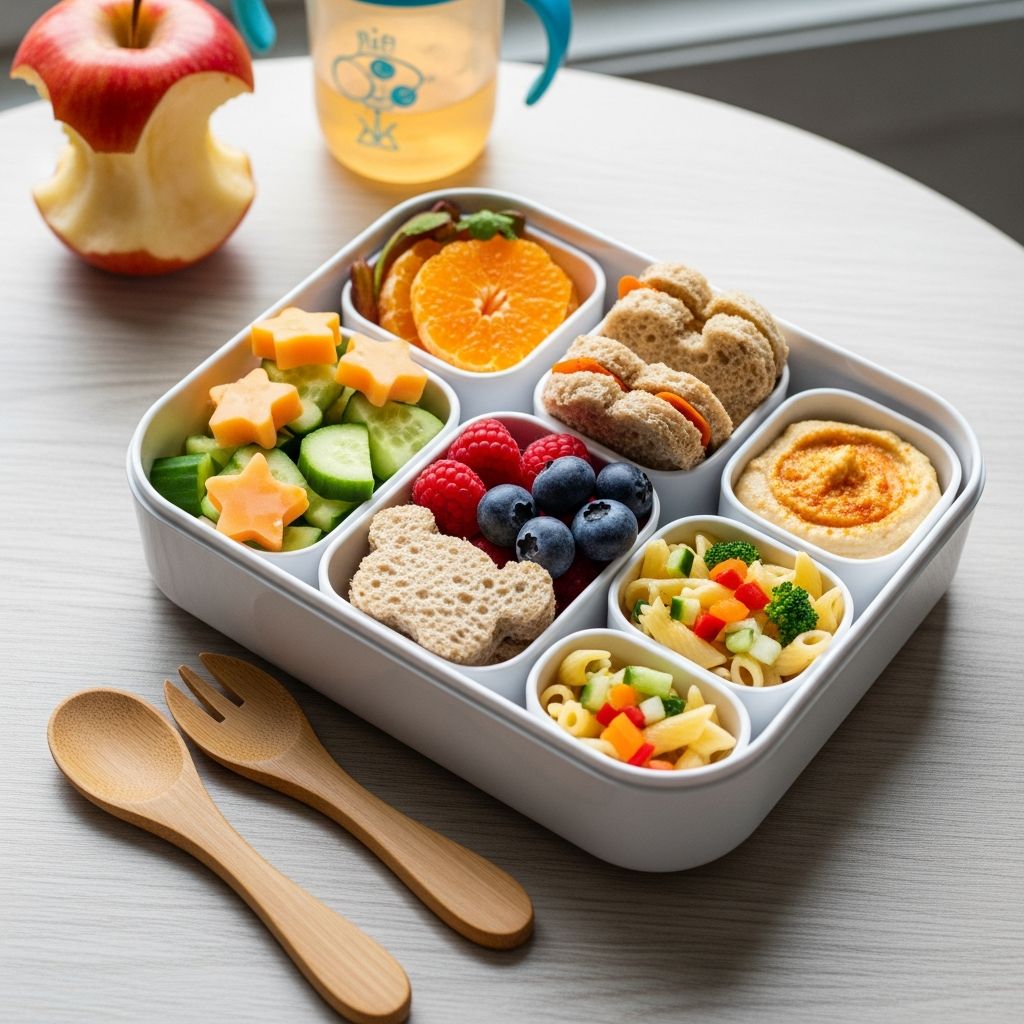
Feeding a picky toddler can turn a simple meal into an emotional marathon. The good news: picky eating is normal for this age, and there are many calm, practical ways to help your child learn to enjoy a wider range of foods over time.
Why Toddlers Suddenly Get Picky
Toddlers are wired to seek independence, and food is one of the first places they can clearly say “yes” or “no.” Around this age, appetite naturally slows compared to the baby months, which can make a once-adventurous eater suddenly seem uninterested in meals.
On top of that, toddlers often prefer familiar flavors and predictable textures. New foods can feel overwhelming, so they may cling to a short list of “safe” options while they slowly expand their comfort zone.
The Golden Rule: You Provide, They Decide
One of the most effective feeding approaches for picky toddlers is to clearly divide responsibilities. Your job as the parent is to decide what is served, when meals and snacks happen, and where everyone eats. Your child’s job is to decide whether to eat and how much to eat from what is offered.
When this division of responsibility is respected, pressure tends to decrease, power struggles fade over time, and children slowly build a more positive relationship with food and their own hunger cues.
Creating a Calm Mealtime Environment
Even the most thoughtfully planned meal can fall apart in a chaotic setting. A few small routine shifts can make the table feel predictable and safe for a cautious eater.
- Turn off screens and put devices away so attention is on the meal and each other.
- Serve meals and snacks at roughly consistent times each day to help your toddler come to the table with a natural appetite.
- Offer water between meals but avoid letting your child fill up on milk or juice right before eating.
- Sit together whenever possible so your toddler can see you enjoying the same foods.
Building a Balanced Toddler Plate
Instead of focusing on single meals, think about balance over the whole day or week. At each main meal, aim to offer a mix of foods from different food groups, including at least one item you are confident your child usually eats.
| Plate Component | Examples | Why It Helps |
|---|---|---|
| Protein | Beans, lentils, shredded chicken, eggs, tofu, yogurt, cheese | Supports growth, keeps toddlers fuller longer, and stabilizes energy. |
| Carbohydrate | Whole-grain bread, pasta, rice, tortillas, potatoes, oats | Provides quick energy and is often the most accepted part of the meal. |
| Fruit or Vegetable | Soft cooked carrots, peas, cucumber sticks, berries, banana slices | Adds vitamins, minerals, fiber, and colors that make the plate inviting. |
| Fat | Avocado, olive oil drizzle, nut or seed butters (age-appropriate), full-fat dairy | Supports brain development and makes food more satisfying. |
| Familiar “Safe” Food | Crackers, plain pasta, a small roll, fruit slices | Gives your toddler something reliable to fall back on at every meal. |
Not every plate will look perfect, and that is fine. The goal is to offer variety and balance over time, not perfection at every single snack and meal.
Gentle Strategies to Encourage Trying New Foods
For many toddlers, the first step is simply letting new foods share the same plate as their favorites. It can take many low-pressure exposures before they are ready to taste something different.
- Use very small portions of new foods at first, sometimes just a bite or two.
- Place new foods alongside familiar ones instead of creating a separate special plate.
- Use neutral language like “This is crunchy carrot” rather than “You’ll love this!”
- Allow your child to touch, smell, or lick a food without requiring a full bite.
- Re-offer rejected foods periodically; tastes often change with time and repeated exposure.
What to Avoid: Tactics That Backfire
Parents are often told to “just get them to eat,” but some common tactics can unintentionally make picky eating worse or add stress. Being aware of these pitfalls helps you choose more effective approaches.
- Bribing with dessert: Treating sweets as rewards can make them seem more special and regular foods less appealing.
- Forcing bites: Pressure may increase resistance and weaken trust around the table.
- Short-order cooking: Making a separate meal whenever food is refused teaches toddlers that refusing brings their preferred menu.
- Shaming language: Calling a child “picky” or comparing them to siblings can damage confidence and make meals tense.
Making Food Fun Without Pressure
Toddlers are playful by nature, and a little fun can transform a suspicious plate into something more approachable. The key is to keep the atmosphere light and optional, not performative or demanding.
- Arrange foods into simple shapes or faces, like a smile made from cucumber slices.
- Offer dips such as yogurt, hummus, or mashed avocado for vegetables or crackers.
- Serve “tasting platters” with a few tiny portions of different colors and textures.
- Use child-safe toothpicks or mini forks (if appropriate) to make self-feeding exciting.
Sample Toddler-Friendly Meal Ideas
The goal with these ideas is not perfection but balance, familiarity, and exposure. Adjust textures and portion sizes to your child’s age and chewing skills, and always follow safety guidelines for choking hazards.
Breakfast Ideas
- Oatmeal made with milk, topped with mashed banana and a small spoonful of peanut or seed butter.
- Scrambled egg with soft toast fingers and a side of berries or cooked apple slices.
- Plain yogurt swirled with fruit puree, served with small pieces of soft muffin.
Lunch Ideas
- Soft quesadilla with cheese and beans, cut into small wedges, with avocado and tomato pieces.
- Mini pasta shapes with tomato or pesto sauce, grated cheese, and steamed peas.
- Hummus spread on soft pita, served with cucumber sticks and orange segments.
Dinner Ideas
- Shredded chicken, mashed sweet potato, and soft green beans or peas.
- Baked salmon flakes, rice, and steamed broccoli drizzled with a little butter or oil.
- Turkey or lentil meatballs with small pasta and a side of carrots or zucchini.
Snack Ideas
- Cheese cubes and whole-grain crackers.
- Banana slices with a thin spread of nut or seed butter.
- Plain yogurt popsicles with blended fruit.
- Soft roasted chickpeas or beans, depending on age and chewing ability.
Involving Toddlers in Food Preparation
When children help prepare food, they are often more curious and open to tasting the results. Involvement does not need to be complicated or time-consuming; even simple tasks build ownership and confidence.
- Let your toddler rinse fruits and vegetables under supervision.
- Offer a big spoon for stirring batter, sauces, or salad ingredients.
- Have them help place items on a baking tray or into muffin cups.
- Give choices like “Should we have carrots or peas tonight?” to offer control within your boundaries.
Respecting Appetite and Growth
Appetite can change from day to day, and toddlers may eat a lot one day and very little the next. Instead of focusing on each individual meal, look for patterns of growth and energy over weeks and months.
Regular well-child visits with a healthcare professional can help monitor growth and address any concerns about weight, nutrient intake, or underlying health issues. If your child seems consistently tired, is dropping off their usual growth curve, or has very limited accepted foods, professional guidance is especially important.
Frequently Asked Questions About Picky Toddlers
How much should my toddler eat in a day?
There is no single “right” amount for every child. A helpful approach is to offer three meals and two or three snacks each day, with opportunities to eat every two to three hours, and let your child decide how much to eat from what is served. Over time, most toddlers regulate their intake according to their own needs.
Should I hide vegetables in other foods?
Blending vegetables into sauces or muffins can boost nutrition, but it should not be the only strategy. Continue to serve visible vegetables on the plate so your toddler sees, recognizes, and eventually learns to accept them. Hiding everything can delay that learning process.
Is it okay to offer dessert to a picky eater?
Dessert can fit into family life, but using it as a reward for finishing a plate can create unhelpful associations. A more balanced approach is to offer sweets occasionally as part of normal meals or snacks, without conditions, so they are not seen as more valuable than other foods.
What if my toddler refuses the entire meal?
If your child chooses not to eat, try to stay calm and avoid preparing a new meal on demand. Simply let them leave the table and remind them when the next planned snack or meal will be. This teaches that the kitchen is not always “open” and encourages better eating at scheduled times.
When should I worry about picky eating?
Typical picky eating still includes at least a handful of foods from different groups, and children continue to grow, play, and develop normally. Consult a healthcare professional if your child has a very short list of accepted foods, chokes or gags frequently, shows strong distress around eating, or is not gaining weight as expected.
Encouragement for Parents of Selective Eaters
Parenting a picky toddler can be exhausting, but small, consistent steps add up. A calm routine, repeated low-pressure exposure to a variety of foods, and a trusting atmosphere at the table all support long-term progress.
Your child does not need to love every food to be well-nourished. By focusing on your role—offering balanced options at regular times and keeping mealtimes warm and relaxed—you are building healthy habits that will serve your child for years to come.