Understanding the Brand Pressure on Children
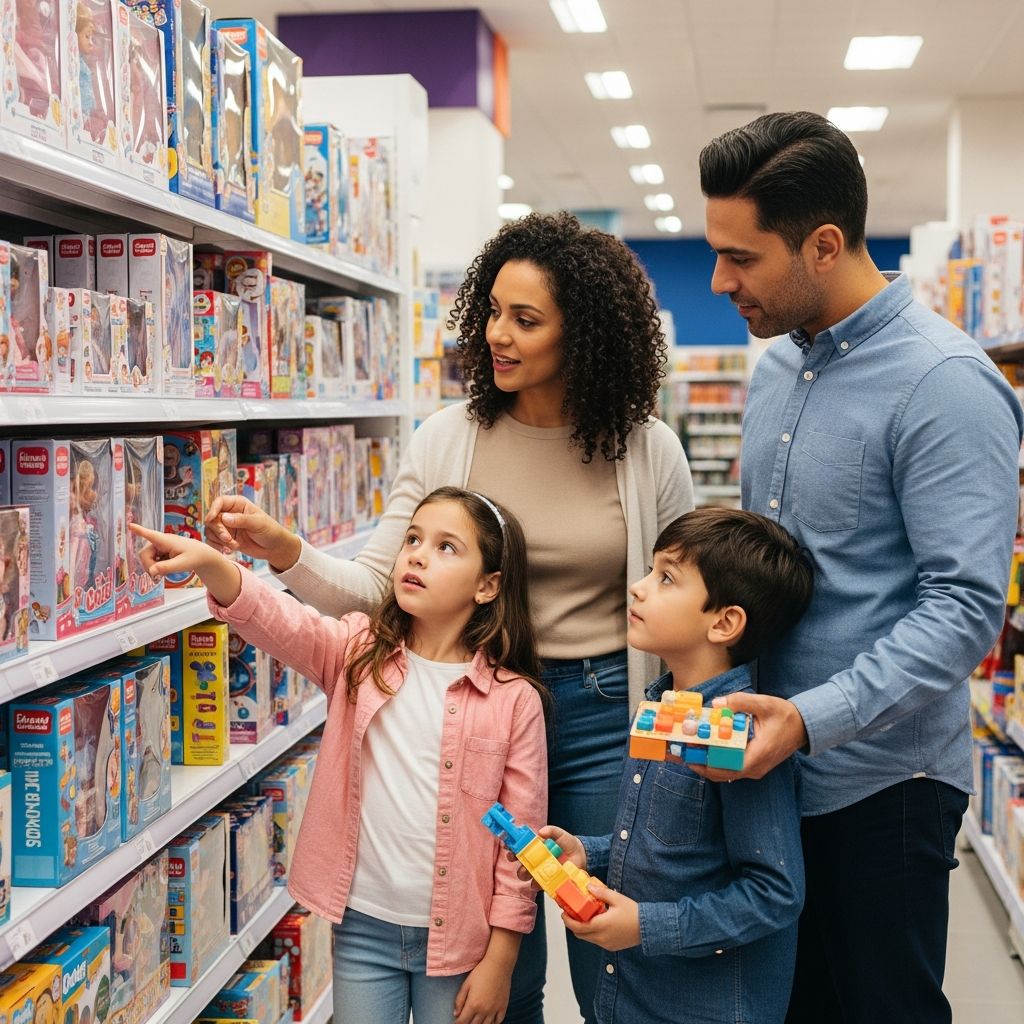
Children today are exposed to a constant stream of marketing messages, from social media influencers to targeted ads and peer influence at school. The desire for name-brand items often stems from a mix of social acceptance, perceived status, and the allure of popular culture. Parents may find themselves facing frequent requests for expensive products, which can be challenging when budgets are tight or values around consumerism differ .
Why Kids Want Name-Brand Items
- Peer influence: Children often want to fit in and feel accepted by their friends, and brand names can be a shortcut to social belonging .
- Marketing exposure: Kids are bombarded with ads and influencer content, making certain brands seem more desirable or necessary .
- Emotional appeal: Many brands use storytelling and emotional connections to create a sense of excitement or aspiration around their products .
- Perceived quality: Some children believe that name-brand items are inherently better or more reliable than generic alternatives .
Strategies for Parents to Address Brand Requests
Handling these requests requires a balance of empathy, clear communication, and practical solutions. Here are several approaches parents can use:
Open and Honest Conversations
Start by listening to your child’s reasons for wanting a specific brand. Ask open-ended questions to understand their perspective and share your own thoughts about budgeting and values. This helps build trust and encourages children to think critically about their choices .
Teach Financial Literacy
Use brand requests as opportunities to teach kids about money, budgeting, and the difference between wants and needs. Explain how family finances work and involve children in age-appropriate discussions about spending priorities .
Set Clear Expectations
Establish family rules about what types of purchases are allowed and under what circumstances. For example, you might agree to buy a name-brand item as a special occasion treat or if the child contributes part of the cost .
Explore Alternatives
Research and suggest comparable products that offer similar features or quality at a lower price. This empowers children to make informed decisions and helps them appreciate value over brand name .
Encourage Creative Solutions
Support your child in finding creative ways to earn money for desired items, such as doing extra chores or saving allowance. This fosters responsibility and a sense of accomplishment .
Building a Family Culture Around Values
Parents can shape their family’s approach to consumerism by emphasizing values like gratitude, contentment, and mindful spending. Share stories or experiences that highlight the importance of these values, and model them in your own choices .
Common Challenges and How to Overcome Them
| Challenge | Solution |
|---|---|
| Child feels left out or embarrassed | Reinforce that self-worth isn’t tied to possessions; focus on strengths and unique qualities . |
| Peer pressure is strong | Encourage open dialogue about peer influence and help your child develop confidence in their own choices . |
| Parent feels guilty saying no | Remember that setting boundaries is a form of love and helps children develop resilience . |
FAQs
How do I explain to my child that we can’t afford a name-brand item?
Be honest and age-appropriate. Use simple language to explain family finances and emphasize that everyone has different budgets. Reassure your child that not having a certain brand doesn’t make them less valuable .
What if my child insists on a brand item despite our explanation?
Stay calm and consistent. Offer alternatives or suggest a compromise, such as saving up together or waiting for a special occasion. Avoid giving in to tantrums, as this can reinforce the behavior .
How can I help my child feel confident without a name-brand item?
Focus on your child’s strengths, talents, and positive qualities. Celebrate their achievements and encourage activities that build self-esteem, such as hobbies or volunteering .
Are there benefits to letting my child have a name-brand item sometimes?
Occasional treats can be positive if they are earned or part of a special event. This teaches moderation and helps children appreciate the value of special purchases .
Final Thoughts
Navigating brand requests is a common parenting challenge, but it also presents opportunities to teach important life lessons about money, values, and self-worth. By approaching these situations with empathy, clear communication, and practical strategies, parents can help their children develop healthy attitudes toward consumerism and make informed choices .