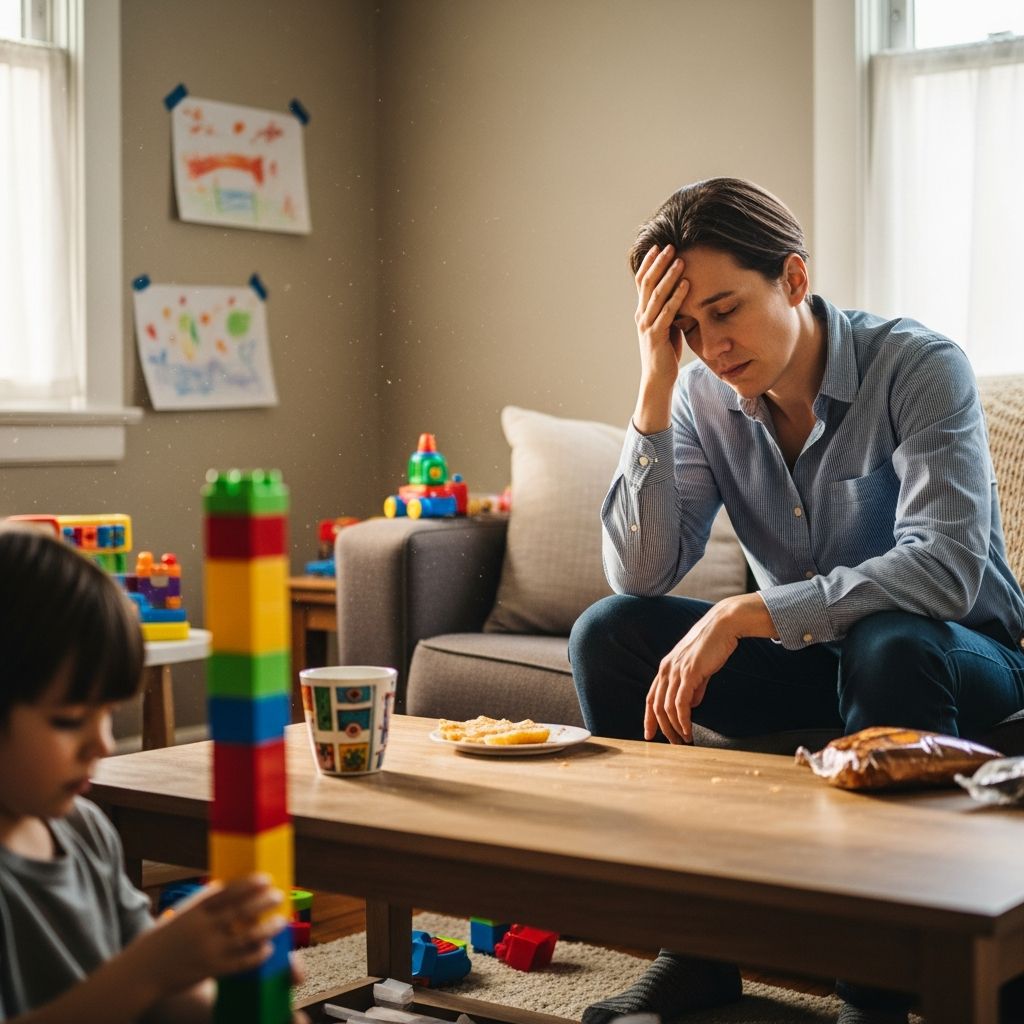
Blended families often face unique hurdles, with disrespect from stepchildren ranking among the most common and painful. Stepparents may feel undermined or rejected when kids push back against their authority, but targeted approaches can turn tension into trust. This guide outlines actionable steps to navigate these challenges, drawing on principles of consistent discipline, partnership, and empathy to cultivate a respectful home environment.
Understanding the Roots of Resistance
Disrespect in blended families rarely stems from personal malice. Children grappling with divorce, loss, or loyalty conflicts often test boundaries as a way to reclaim control. They might view the stepparent as an intruder, leading to snubs, arguments, or outright defiance. Recognizing this as a normal phase helps stepparents respond with patience rather than personal offense.
Key factors include:
- Loyalty binds: Kids may feel disloyal to their biological parent by accepting the stepparent.
- Adjustment stress: Merging households disrupts routines and identities.
- Power dynamics: Teens especially assert independence through rebellion.
By addressing these underlying emotions, parents can de-escalate conflicts before they escalate.
Establishing Clear Household Authority
The foundation of respect lies in defined roles and expectations. From day one, co-present a united statement on family structure: both adults share parenting duties, and all children follow the same standards. This meeting, held jointly, prevents divide-and-conquer tactics.
Sample script: “In this home, we both guide and enforce rules. Respectful behavior is non-negotiable, regardless of titles.” Specify that while nicknames like ‘Mom’ or ‘Dad’ are optional, compliance is mandatory.
Consequences must be immediate and predictable. Use a tiered system:
| Behavior | Consequence | Duration |
|---|---|---|
| Verbal backtalk | Lose screen time | Rest of evening |
| Ignoring directions | No privileges (e.g., games) | 24 hours |
| Repeated defiance | Extra chores | Until compliance |
Consistency erodes excuses, signaling that disrespect yields no wins.
Defusing Common Confrontations
Stepkids often challenge with phrases like “You’re not my real parent!” Avoid power struggles by calmly reaffirming roles without emotion. Effective reply: “True, I’m not your biological parent, but as a household authority, these rules apply, and breaking them brings consequences.”
This sidesteps arguments, refocuses on behavior, and models maturity. If resentment lingers during compliance—like eye rolls—let it pass. External actions matter more than internal attitudes; forcing affection breeds resentment.
- Stay neutral: No yelling or retaliation.
- Restate expectations briefly.
- Enforce calmly, then disengage.
Strengthening the Parental Partnership
A divided front invites manipulation. Spouses must align on discipline, even if views differ privately. Public unity is paramount: discuss disagreements behind closed doors, then commit to the plan.
Build this through:
- Weekly check-ins to air concerns.
- Shared rule books for transparency.
- Mutual support during enforcement.
When biological parents mediate stepchild complaints, it reinforces teamwork and reduces triangulation.
Building Bonds Through Shared Experiences
Rules alone don’t create connection; intentional bonding does. Prioritize one-on-one time, starting small to ease resistance. Activities tailored to ages foster goodwill:
- Younger kids: Park outings, baking, or ice cream runs.
- Teens: Sports events, gaming sessions, or concerts.
Involve all siblings in group rituals like “Pizza Fridays” or game nights. These create new memories, diluting old grievances and crediting the stepparent with positives.
Inclusive decisions—voting on movie nights or vacations—empower kids without ceding control, boosting buy-in.
Encouraging Healthy Emotional Expression
Bottled feelings erupt as misbehavior. Provide outlets via biological parent talks: “How are you feeling about our family changes?” Validate without altering rules.
Stepparents can use “I” statements: “That comment stung; seems like you’re upset.” This invites dialogue, humanizes the adult, and teaches empathy.
Flexibility helps: Rules evolve as trust grows, showing responsiveness.
Navigating Emotional Challenges for Adults
Stepparents endure jealousy over ex-spouse visits or favoritism perceptions. Process privately—journal, therapy, or spouse talks—to avoid reactive parenting.
Reframe: Blending is parental work, not child-driven. Celebrate small wins, like chore completion, to sustain morale.
Maintaining Fairness Across Siblings
Treat all children equitably to prevent resentment. Apply identical standards to biological and stepkids, demonstrating impartiality. Limit ex-spouse interference during your time, clarifying household sovereignty.
Frequently Asked Questions (FAQs)
What if my stepchild refuses all consequences?
Escalate gradually but firmly, involving both parents. Isolation from privileges builds motivation over time.
Should stepparents ever discipline directly?
Yes, for safety or immediate issues, but coordinate with the biological parent for ongoing matters to preserve relationships.
How long until respect develops?
Varies; some warm quickly, others take years. Focus on consistent behavior over quick affection.
What about high-conflict exes?
Structure visits to protect home rules; document patterns if legal issues arise.
Can therapy help?
Absolutely—family counseling provides neutral tools for communication and healing.
Long-Term Strategies for Family Harmony
Sustain progress with annual rule reviews, milestone celebrations (half-birthdays, achievements), and gratitude practices. Patience yields compounded results: respectful interactions pave the way for genuine bonds.
Ultimately, blended success hinges on adult resilience and collaboration. By prioritizing structure, empathy, and fun, stepfamilies transform challenges into strengths.
References
- Child Trends: Stepfamilies — Child Trends. 2023-05-15. https://www.childtrends.org/publications/stepfamilies
- APA: Stepfamily Relationships — American Psychological Association. 2024-02-10. https://www.apa.org/topics/families/stepfamilies
- Stepfamily Foundation Research Brief — Stepfamily Foundation. 2025-01-20. https://www.stepfamily.org/research
- Journal of Marriage and Family: Blended Family Dynamics — Wiley Online Library (DOI:10.1111/jomf.13145). 2024-08-01. https://doi.org/10.1111/jomf.13145
- CDC Family Health Data — Centers for Disease Control and Prevention. 2025-03-12. https://www.cdc.gov/familyhealth