Picky eating is a common phase in toddler development, often peaking between ages 2 and 4 as children assert independence and explore tastes. Rather than viewing it as a problem, parents can use evidence-based approaches to make mealtimes positive and nutritious. This guide draws from pediatric recommendations to help you navigate this stage effectively.
Understanding the Picky Eater Phase
Toddlers’ appetites naturally fluctuate due to slower growth rates compared to infancy, leading to selective eating. Their developing palates prefer sweet and salty flavors while rejecting bitter or sour ones initially. Research shows it can take 8-15 exposures for acceptance of a new food, so persistence is key. Establishing routines builds trust and reduces power struggles.
- Neophobia, or fear of new foods, is evolutionarily wired but fades with positive experiences.
- Scheduled meals and limited snacks ensure hunger drives exploration.
- Modeling by adults significantly influences preferences through peer pressure.
Building a Foundation with Family Mealtimes
Shared family meals create a supportive environment where children observe and mimic healthy choices. Serve the same balanced meal to everyone, including at least one familiar item, without preparing alternatives. This models variety and prevents reinforcement of pickiness.
Keep distractions like screens away to focus on conversation and enjoyment. Aim for consistent timing, such as dinner at the same hour nightly, to signal mealtime. Toddlers thrive on predictability, which reduces anxiety around food.
| Mealtime Routine Benefit | How to Implement |
|---|---|
| Promotes modeling | Eat together without TV; discuss food positively. |
| Encourages self-regulation | Family-style serving lets child portion their plate. |
| Builds social skills | Chat about day’s events during meals. |
Patience and Repetition: The Power of Multiple Tries
Don’t abandon a food after one refusal—offer it repeatedly in small amounts. Studies indicate up to 10-15 tries may be needed, yet parents often stop after 3-5. Pair new items with favorites to ease acceptance, like serving broccoli with cheese.
Space introductions by a week to avoid overload. Freezing tiny portions prevents waste and allows quick reoffers. Hunger at the table, achieved by spacing snacks 2 hours before meals, boosts willingness.
Infusing Creativity and Play into Foods
Turn meals into adventures by making foods visually appealing. Cut veggies into shapes, create faces with produce, or invent fun names like ‘dinosaur trees’ for broccoli. Dips such as yogurt, hummus, or cheese sauce make veggies irresistible for dipping-loving toddlers.
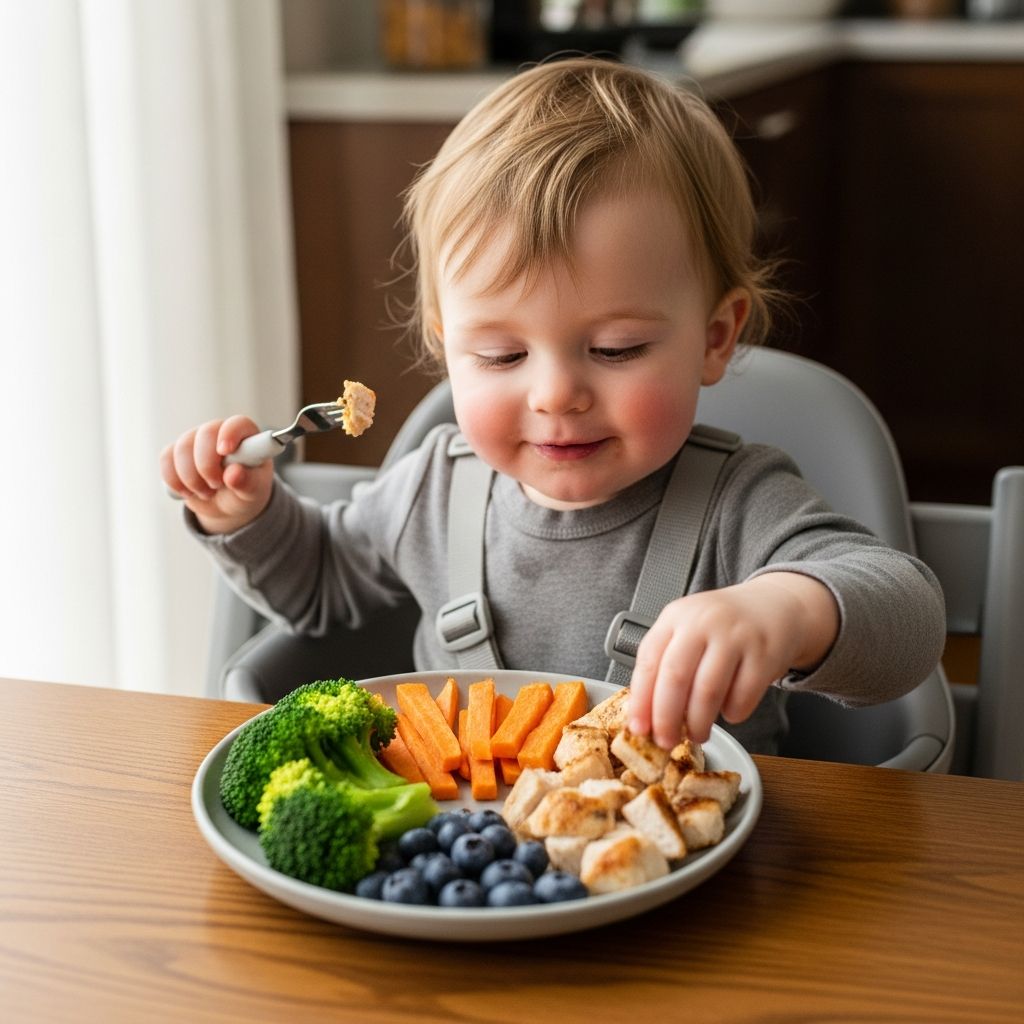
Finger foods in bite-sized pieces promote independence and reduce choking risks. Arrange plates colorfully to spark curiosity—toddlers respond to playful presentations.
- Use cookie cutters for fun shapes in sandwiches or fruits.
- Freeze yogurt drops or fruit purees for novel textures.
- Make ‘rainbow plates’ with a spectrum of veggies.
Empowering Toddlers Through Involvement
Engage children in shopping and cooking to foster ownership. Let them select a new fruit or veggie at the store, then assist in simple tasks like stirring, washing, or painting oil on trays—with supervision. This builds familiarity and positive associations.
Gardening or discussing food origins heightens interest. Offer choices, like picking between two veggies or toppings, to give control without overwhelming.
Smart Pairing and Bridging Strategies
Use ‘food bridges’ to expand palates: start with accepted items and introduce similars by color, texture, or flavor. If sweet potatoes are liked, try carrots next. Pair bitter greens with salty cheese or sweet fruits.
Include proteins like fish or meat twice weekly alongside abundant fruits and veggies. Herbs and spices add zest without overwhelming young taste buds.
Navigating Common Pitfalls
Avoid bribes, pressure, or ‘clean plate’ rules, as they create negative links and hinder self-awareness of fullness. Limit liquids like milk or juice to prevent filling up before solids—consult providers for daily needs.
Portion sizes should match age: 1-2 tablespoons per food item for toddlers. Track intake over a week rather than per meal for balanced nutrition.
| Do | Don’t |
|---|---|
| Offer small new portions | Force bites or use dessert as reward |
| Wait until hungry | Snack too close to meals |
| Reintroduce patiently | Declare a food ‘hated’ forever |
Sample Weekly Meal Ideas for Picky Toddlers
Rotate familiar and new elements to maintain interest.
- Monday: Mini cheese quesadillas with carrot sticks and dip; apple slices.
- Wednesday: Family pasta with hidden zucchini, paired with favorite meatballs.
- Friday: Fish sticks, sweet potato fries, peas made into ‘smiley faces’.
- Sunday: Toddler-led veggie stir (they pick and wash), rice, fruit kebabs.
When to Seek Professional Advice
Most picky phases resolve naturally, but consult a pediatrician if weight falters, refusal persists beyond age 5, or signs of deficiencies appear. Growth charts provide reassurance.
Frequently Asked Questions (FAQs)
What if my toddler refuses everything at a meal?
Stay calm—offer the meal without alternatives, then end it after 20-30 minutes. Hunger will encourage trying next time.
How many times should I offer a rejected food?
8-15 times, spaced out, often leads to acceptance. Small amounts minimize waste.
Are dips always a good idea?
Yes, especially healthy ones like yogurt or hummus, as toddlers love dipping.
Can I hide veggies in foods?
Transparency builds trust; show whole forms first, but purees in sauces can help initially.
What’s a good snack schedule?
2 hours before meals; focus on protein like cheese or fruit to sustain hunger.
References
- 10 Tips for Parents of Picky Eaters — American Academy of Pediatrics (healthychildren.org). 2023. https://www.healthychildren.org/English/ages-stages/toddler/nutrition/Pages/Picky-Eaters.aspx
- Tips for a Picky Eating Phase — Texas WIC. 2024. https://texaswic.org/health-nutrition/children/tips-picky-eating-phase
- Picky Eaters and What to Do — Centers for Disease Control and Prevention (CDC). 2025-02-15. https://www.cdc.gov/infant-toddler-nutrition/foods-and-drinks/picky-eaters.html
- Research-Based Mealtime Hacks for Picky Eaters — ZERO TO THREE. 2023. https://www.zerotothree.org/resource/research-based-mealtime-hacks-for-picky-eaters/
- 5 FUN Ways to Get Your Picky Eater to Try New Foods — Johns Creek Pediatrics. 2024. https://www.johnscreekpediatrics.net/blog/227967-5-fun-ways-to-get-your-picky-eater-to-try-new-foods/
- Feeding a Picky Eater: The Do’s and Don’ts — Children’s Hospital of Philadelphia (CHOP). 2024-06-10. https://www.chop.edu/news/dos-and-donts-feeding-picky-eaters