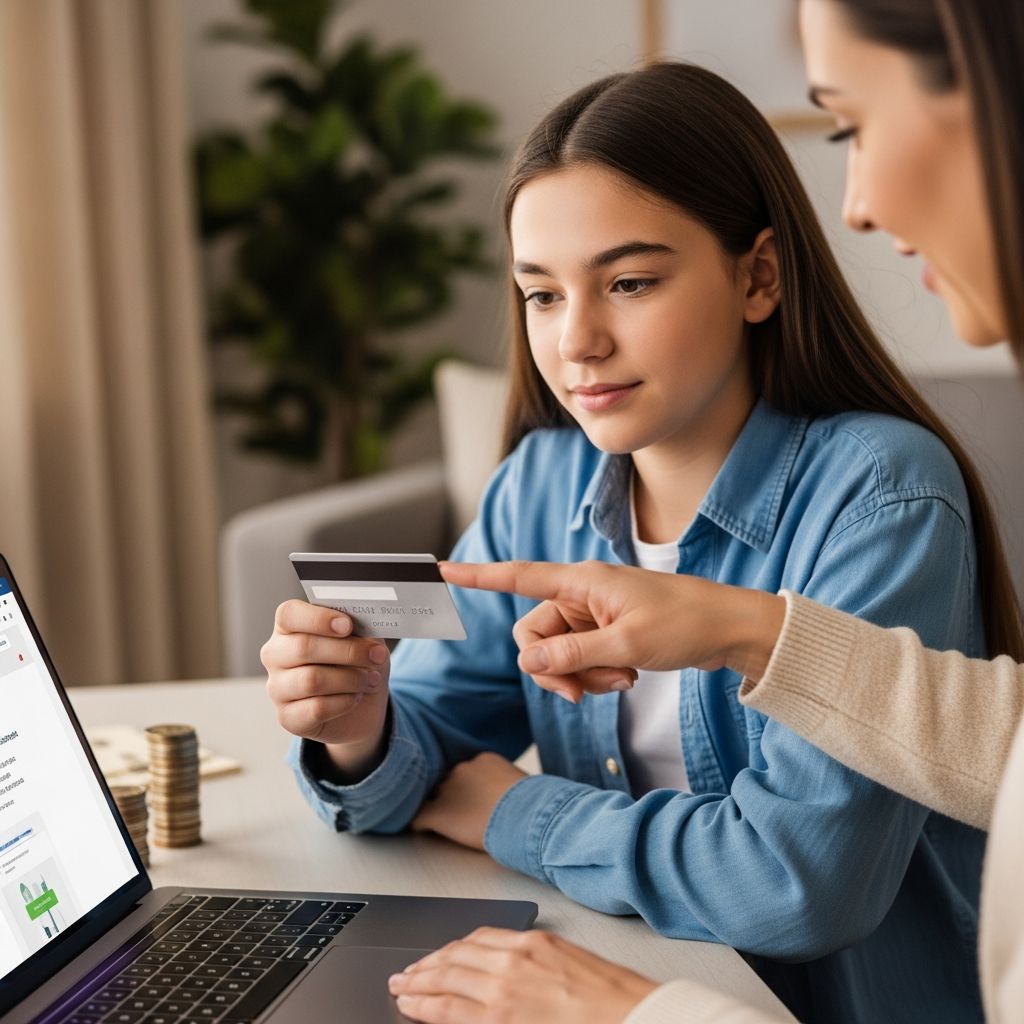
For many families, a first debit card marks the moment money management stops being theoretical and becomes very real for a teenager. The card itself is just plastic; what matters is how you use it together to build lasting financial habits. This guide walks you through deciding whether your teen is ready, choosing the right card, setting guardrails, and turning everyday spending into teachable moments.
Why a Debit Card Can Be a Powerful Teaching Tool
A debit card can be far more than a convenient way for your teen to pay for snacks or streaming subscriptions. Used intentionally, it becomes a hands-on classroom for budgeting, self-control, and digital safety.
- Every purchase becomes an opportunity to connect choices with consequences.
- Online banking and apps give teens a clear view of where their money actually goes.
- Parents gain a structured way to monitor and guide without micromanaging every dollar.
Signs Your Teen Might Be Ready
Age alone does not determine readiness. Some 13-year-olds handle money thoughtfully, while others in high school may still treat it like an endless resource. Look at behavior, not birthdays.
- Your teen can follow simple rules consistently (curfew, homework, chores).
- They understand that once money is gone, it does not magically reappear.
- They already manage some cash allowance without losing it constantly.
- They show curiosity about spending, saving, and how banking works.
If several of these apply, a debit card can be a natural next step. If not, start by strengthening basic money habits with cash before introducing plastic.
Debit Card Options for Teens
Not all cards are designed with young people in mind. Before filling out any application, it helps to understand the typical choices and how they differ.
| Type | How it works | Typical pros | Typical cons |
|---|---|---|---|
| Traditional bank debit card | Linked to a checking account, often with a parent as joint owner. | Widely accepted; strong account protections; can be used for direct deposit of jobs or allowance. | May allow overdrafts and fees if not configured carefully; online tools vary by bank. |
| Prepaid debit card | Money is loaded onto the card in advance; spending is limited to the loaded balance. | Cannot spend more than what is loaded; often faster to set up; good for practice. | May carry activation, reload, or monthly fees; limited banking features. |
| App-based youth card | Comes with a mobile app for both parent and teen, often built specifically for families. | Real-time alerts; spending controls; educational tools; easy allowance transfers. | May charge subscription fees; some features depend on having smartphones. |
Questions to Ask Before Choosing a Card
Comparing glossy marketing pages can be confusing. Instead, use a simple checklist of questions that matter for your family’s actual needs.
- What are all the fees? Look for monthly fees, ATM fees, overdraft charges, foreign transaction fees, and reload costs.
- How easy is it to move money in and out? Consider transfers from your bank, direct deposit, and how refunds are handled.
- What parental controls exist? Can you set spending limits, block certain categories, or require approval for specific transactions?
- How are lost cards and fraud handled? Understand liability, replacement speed, and how disputes work.
- Does the app or website feel easy for your teen to navigate? If the tools are confusing, they will not be used.
Setting Ground Rules Before the First Swipe
Handing over a card without clear expectations is an invitation for frustration on both sides. Treat the card like a small contract between you and your teen.
Topics to Cover Together
- What the card is for: Everyday spending, emergencies only, or a mix? Define what qualifies as an emergency.
- Spending limits: Weekly or monthly caps, and what happens if they hit the limit early.
- What you will pay for: Clarify which expenses are family responsibilities and which your teen will cover.
- Consequences: Agree on what happens if rules are ignored (temporary loss of card, reduced allowance, extra chores, etc.).
Writing these rules down in simple language can prevent a lot of “But you never told me!” arguments later.
Linking the Card to Income: Allowance, Chores, and Jobs
A debit card works best when money flows into it in a predictable way. That inflow can come from allowance, paid chores, part-time work, or a combination of all three.
- Transfer a regular allowance on a set schedule (weekly or monthly) so your teen learns to plan.
- Consider separating “base” allowance from extra paid jobs to teach the value of additional effort.
- If your teen has a job, help them set up direct deposit and decide what percentage goes to spending, saving, and long-term goals.
Teaching Budgeting with Real Numbers
Abstract budgeting rarely sticks with teens. Instead, use the card’s actual transaction history to build a simple, repeatable system.
A Simple Three-Bucket Approach
- Spending now: Money for short-term wants like outings, snacks, or digital purchases.
- Saving later: Money for upcoming costs such as trips, events, or bigger items.
- Future goals: Money for longer-term aims such as a car, college, or moving out.
You can mimic these buckets with multiple accounts, sub-accounts, or even simple tracking in a spreadsheet or notebook. The key is consistent review, not sophisticated tools.
Using Statements and Apps as Conversation Starters
Many apps and online banking dashboards show category totals and timelines. Instead of treating these as surveillance, use them as shared information for monthly check-ins.
- Pick one regular time each month to review spending together, ideally when neither of you is rushed.
- Ask your teen to describe what they notice first: where most money went, what surprised them, and what they might change next month.
- Keep the tone curious, not accusatory, so they feel safe being honest about mistakes.
Common Pitfalls and How to Prevent Them
No system is perfect, and teens are still learning. Anticipating the most common issues can help you respond calmly when they inevitably show up.
Overspending
Spending more than planned is almost guaranteed at some point. Instead of bailing your teen out immediately, treat it as a lesson.
- Require them to adjust future spending to “repay” what went over budget.
- Temporarily lower their spending limit to give them room to regain control.
- Discuss what triggered the overspending: peer pressure, boredom, or impulse buying.
Ignoring Account Balances
Some teens swipe first and check later. Make balance checks a non-negotiable habit.
- Agree that they will check their balance before any purchase above a certain amount.
- Show them how to set up balance alerts or low-funds notifications in the banking app.
Digital Safety and Card Security
Today’s money mistakes are not limited to overspending; digital threats are very real. Your teen’s first debit card is a perfect moment to teach online safety and fraud prevention.
- Explain why they should never share PINs, passwords, or full card numbers with friends or on social media.
- Teach them to recognize secure websites (look for “https” and reputable merchants) before entering card details.
- Set a clear rule to tell you immediately if the card is lost, stolen, or used in a way they do not recognize.
Consider practicing what to say if they need to call customer service with you on speaker. That rehearsal can make a stressful moment more manageable if a real problem arises.
Balancing Independence and Oversight
One of the hardest parts for parents is deciding how closely to monitor card use. Teens want freedom; parents want safety. Striking a balance keeps trust intact.
- Share openly which alerts or reports you will see, so your teen is not surprised.
- Commit not to comment on every small purchase; instead, focus on patterns over time.
- Give more freedom as your teen shows responsibility, and pull back temporarily if serious issues repeat.
Using the Card to Teach Values, Not Just Math
Money is more than numbers—it reflects priorities and values. A debit card provides daily opportunities to explore what matters to your family.
- Discuss how to weigh wants versus needs when deciding what to buy.
- Encourage setting aside a small portion for generosity or causes your teen cares about.
- Talk about advertising, influencers, and social pressure so your teen can recognize when they are being marketed to.
Sample Money Conversations You Can Adapt
Many parents feel unsure about how to word money conversations without sounding angry or controlling. Here are some short scripts you can adapt to your own voice.
- Before getting the card: “This card is a tool, not free money. Let’s decide together how you’ll use it and what the ground rules will be.”
- After overspending: “You went over what we agreed on this month. Let’s look at what happened and figure out how to adjust next month so you can stay within your limit.”
- When praising progress: “You’ve been checking your balance and saving toward that goal steadily. That’s exactly the kind of habit that will help you when you’re on your own.”
When a Teen Might Not Be Ready Yet
Sometimes, the most loving choice is to wait. If your teen frequently loses valuables, ignores basic rules, or treats money like a joke, a debit card may add unnecessary stress.
- Practice with small amounts of cash and simple written budgets first.
- Use prepaid gift cards for very limited purposes, such as a single shopping trip, to observe how they handle spending.
- Revisit the conversation in a few months with clear goals to work toward in the meantime.
Frequently Asked Questions
What is a good age for a first debit card?
There is no universal “right” age. Many families introduce cards sometime in early to mid-teen years, but maturity, honesty, and existing money habits matter much more than the number on a birthday cake.
Will a debit card build my teen’s credit score?
Debit card activity does not build credit, because purchases come directly from existing funds instead of borrowed money. For now, the focus should be on learning to budget and spend thoughtfully, not chasing a credit score.
How much money should I load on the card?
Start small enough that mistakes are affordable. Consider the costs your teen is responsible for, your budget, and their experience level. You can always increase amounts as they demonstrate consistent responsibility.
What if my teen spends money on things I disagree with?
Occasional disagreements are part of the learning process. Distinguish between genuinely harmful spending and simple differences in taste. Set non-negotiable rules for safety and values, and allow some freedom within those boundaries.
Should I check every single transaction?
For younger or very new users, closer monitoring makes sense. Over time, shift toward periodic reviews and conversations about patterns, which helps your teen feel trusted while still providing guidance.
Turning a Piece of Plastic into Lifelong Skills
A teen’s first debit card can either create chaos or build confidence, depending on how it is introduced and managed. When you pair a card with clear expectations, open communication, and regular reflection, everyday purchases become stepping stones toward adulthood, not stumbling blocks.
Ultimately, the goal is not just to help your teen avoid overdrafts or fees today. It is to equip them with the judgment, self-control, and practical skills they will rely on long after they have moved beyond that very first card.