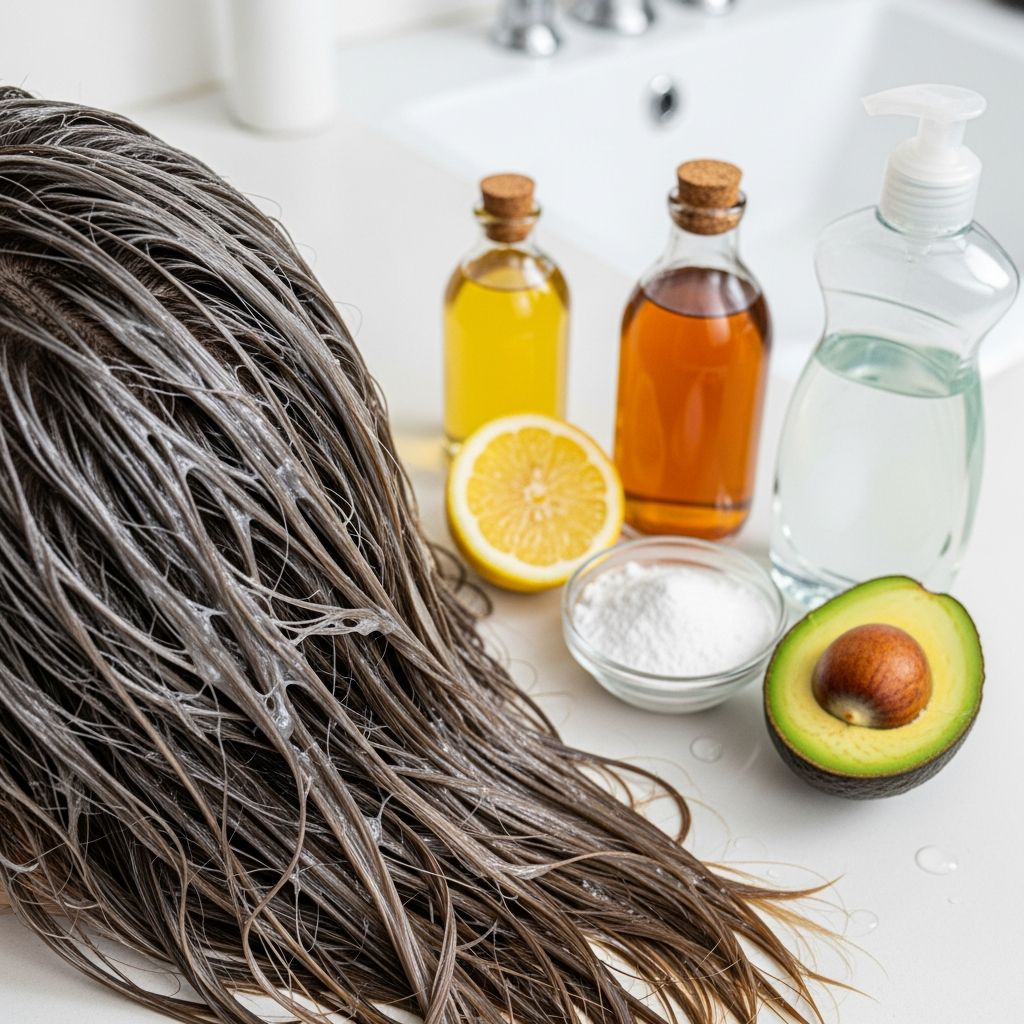
Vaseline, or petroleum jelly, is a common household staple used for chapped skin or minor cuts, but it can turn into a nightmare when it ends up in hair. Its thick, greasy texture clings stubbornly to strands, making standard washing ineffective. Whether from a playful child smearing it everywhere or an accidental slip during application, knowing how to remove it properly prevents hair damage and frustration. This comprehensive guide outlines safe, accessible methods backed by practical experience and expert advice, ensuring your hair returns to normal without harsh chemicals.
Why Vaseline Sticks to Hair and Initial Precautions
Petroleum jelly works by forming an occlusive barrier that locks in moisture, which is why it resists water-based cleaners. Hot water can worsen the spread by melting it further, while aggressive rubbing tangles and breaks strands. Start every cleanup with these precautions:
- Assess the damage: Identify if it’s a small patch or widespread to choose the right approach.
- Blot gently: Use paper towels or a clean cloth to dab excess without spreading.
- Avoid hot water: Stick to lukewarm to prevent melting and redistribution.
- Work in sections: Divide hair to manage application and rinsing precisely.
- Patience is key: Rushing leads to incomplete removal and residue buildup.
These steps minimize stress on hair follicles and cuticles, preserving natural oils and shine.
Absorbent Powders: The First Line of Defense
Powders like cornstarch, talcum, or baking soda excel at drawing out grease without liquids. They act like magnets for oils, making subsequent washes easier. Here’s how to apply them effectively.
Cornstarch or Talcum Powder Technique
- Blot excess Vaseline with a paper towel.
- Generously sprinkle powder over affected areas, ensuring full coverage.
- Let sit 10-15 minutes to absorb grease.
- Gently comb or brush out the powder and debris.
- Follow with clarifying shampoo and conditioner.
This method is ideal for thick buildups, as powders penetrate without weighing hair down. Users report up to 70% grease reduction in one application.
Baking Soda Paste Variation
For stubborn spots, mix baking soda with water into a paste. Apply, wait 5-10 minutes, rinse with lukewarm water, then shampoo. Its mild abrasiveness lifts residue while being gentle on scalps.
| Method | Best For | Time Needed | Pros | Cons |
|---|---|---|---|---|
| Cornstarch | Thick grease | 15 min | Quick absorption, inexpensive | Messy powder removal |
| Talcum Powder | Baby hair | 10-15 min | Fine texture, easy comb-out | Avoid inhaling dust |
| Baking Soda Paste | Localized spots | 10 min | Extra scrubbing power | May dry if overused |
Dish Soap Power: Breaking Down the Grease Barrier
Dawn dish detergent, famous for cutting grease on wildlife, shines here too. Its surfactants emulsify petroleum jelly, allowing water to rinse it away.
- After blotting or powdering, wet hair with lukewarm water.
- Apply a small amount of dish soap directly to greasy areas.
- Massage gently for 1-2 minutes until lather forms.
- Rinse thoroughly; repeat if needed.
- Shampoo with regular or clarifying formula, then condition.
Keep soap from eyes and limit to affected zones to avoid stripping natural oils elsewhere. For color-treated hair, follow with deep conditioner.
Oil Treatments: Dissolving Vaseline Naturally
Like dissolves like—oils break down petroleum without harsh detergents. Warm olive, coconut, or mineral oil works best.
Step-by-Step Oil Method
- Warm oil slightly (not hot).
- Massage into greasy sections for 5 minutes to loosen Vaseline.
- Let sit 15-20 minutes; friction generates heat for better penetration.
- Blot excess with an old t-shirt.
- Shampoo twice, condition, and rinse.
This preserves moisture, ideal for dry or curly hair. Natural textures benefit from coconut oil’s lauric acid, which penetrates shafts deeply.
Advanced Combinations for Tough Cases
Layer methods for heavy saturation:
- Powder first, then dish soap.
- Oil pre-treatment followed by clarifying shampoo.
- Mechanic’s hand cleanser like Goop for extreme buildups.
Always end with conditioning to restore pH balance. Clarifying shampoos remove lingering residues without sulfates if chosen wisely.
Post-Cleanup Hair Care Routine
After removal, hair may feel dry. Revive with:
- Moisturizing conditioner: Focus on ends.
- Leave-in serum: Argan or jojoba for shine.
- Air drying: Low-heat styling only.
- Weekly masks: Prevent future fragility.
Monitor for irritation; consult a dermatologist if persistent.
Preventing Future Vaseline Hair Disasters
Store petroleum jelly high and in child-proof containers. Use alternatives like aquaphor for faces near hairlines. Educate kids on safe play, and keep cleanup kits handy: powders, Dawn, oils.
Frequently Asked Questions
Is dish soap safe for colored hair?
Used sparingly, yes—but follow with color-safe conditioner to prevent fading.
How long does Vaseline take to remove fully?
15-45 minutes per method; multiple rounds for heavy application.
Can I use baby shampoo instead?
No, it’s too mild; opt for grease-cutting formulas.
What if it’s in a child’s very fine hair?
Powders first, minimal liquids, gentle combing.
Does hot water help?
No—it spreads the jelly; lukewarm only.
These techniques, drawn from real-world trials, empower quick fixes. Share your stories in comments!
References
- Removing Vaseline from Hair Without Harm: Easy, Non-Damaging Techniques — Clinikally. 2023-05-15. https://www.clinikally.com/blogs/news/removing-vaseline-from-hair-without-harm-easy-non-damaging-techniques
- Getting Vaseline Out of Hair Is Horrendous — People’s Pharmacy. 2022-08-10. https://www.peoplespharmacy.com/articles/getting-vaseline-out-of-hair-is-horrendous
- HOW TO GET VASELINE OUT OF HAIR — YouTube (Family Fun Channel). 2021-03-20. https://www.youtube.com/watch?v=kax-y7CxRJ4
- What NO ONE TELLS You About Washing Vaseline Out Of Natural Hair — YouTube (Berenice Shehlamo). 2023-11-12. https://www.youtube.com/watch?v=xXNpTV6kalU