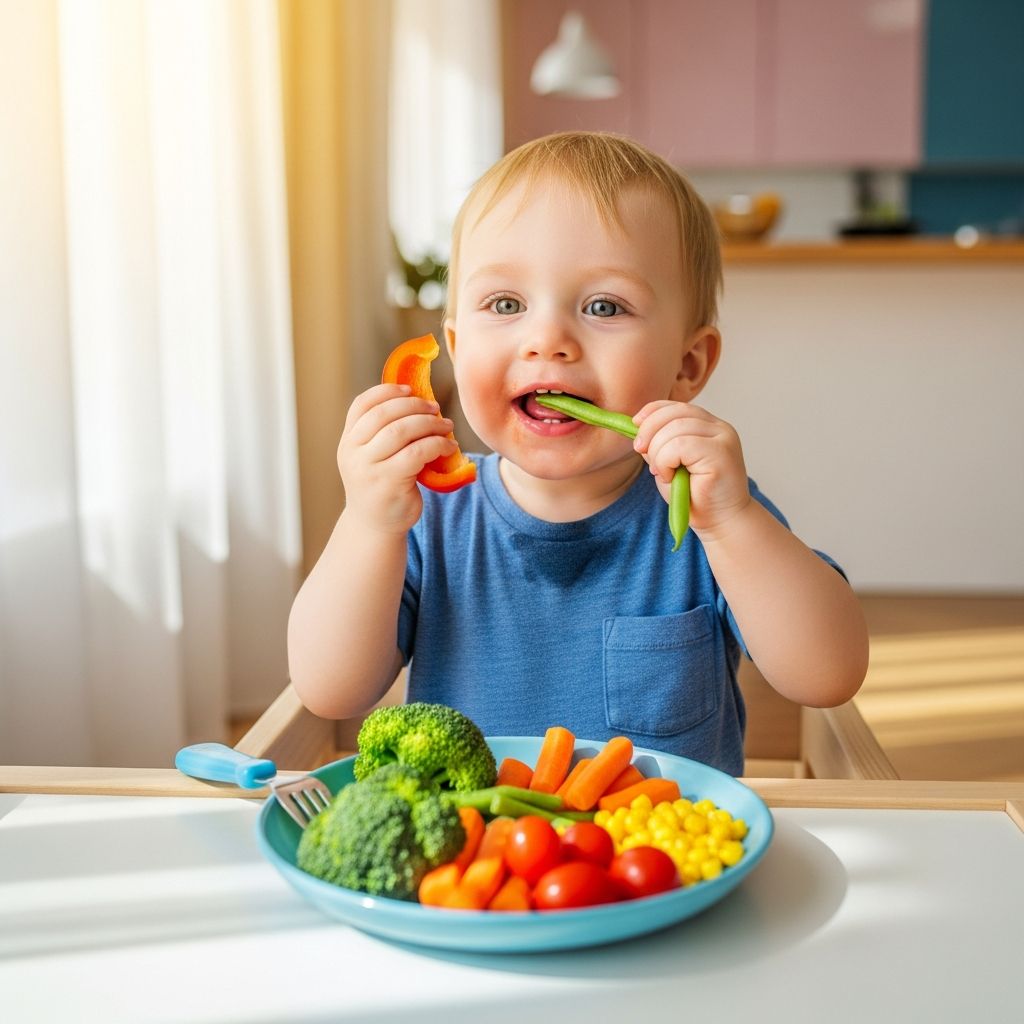
Establishing healthy eating patterns in toddlers lays the foundation for lifelong nutrition. Research reveals that a child’s early affinity for vegetables strongly influences their consumption years later, with implications for growth, body composition, and overall well-being. Despite recommendations, many young children fall short on daily veggie servings, prompting parents to seek effective interventions.
The Critical Window for Building Veggie Preferences
Toddlers aged 2 to 3 represent a pivotal stage for flavor development. Studies from cohort research indicate that at around 30 months, children’s reported liking for multiple vegetables correlates directly with intake at age 7. In one longitudinal analysis involving 293 children, those who enjoyed eight or more vegetables as toddlers consumed significantly more portions later, with each additional liked vegetable boosting odds of higher intake by 28%. This tracking effect persists independently of socioeconomic status or early feeding challenges.
Fruit preferences follow a similar trajectory, though vegetables prove harder to embrace. Median intake drops from broad acceptance in infancy to just 1.3 vegetable portions daily by school age—half the recommended amount. Factors like food neophobia, where children shy from novel tastes, explain much of this decline, underscoring the need for proactive exposure during the toddler phase.
Why Vegetable Intake Matters for Growing Bodies
Vegetables deliver fiber, vitamins, and minerals essential for toddler development, yet U.S. data paints a stark picture: 49% of 1-5-year-olds skip daily vegetables, rising over 50% in 20 states. The 2021 National Survey of Children’s Health confirms 49.1% of 1-5-year-olds and 32.1% missing daily fruits, linking low produce intake to risks like obesity.
Conversely, higher veggie consumption ties to healthier body metrics. Children eating more fruits and vegetables at age 7 showed lower BMI and skinfold thickness, suggesting protective effects against adiposity. Italian research echoes this, associating maternal veggie habits with child intake, explaining 39% of variance through modeling. Early patterns thus influence not just immediate nutrition but long-term metabolic health.
Parental Influence: Modeling the Way to Veggie Wins
Mothers’ eating behaviors serve as powerful templates. In a study of 6-32-month-olds, child vegetable intake correlated strongly with maternal patterns (r=0.42, p<0.001), alongside fruit (r=0.54). Older, higher-income mothers modeled more veggies, amplifying effects. Observing parents enjoy greens normalizes them, boosting acceptance without force.
To leverage this:
- Serve family meals where adults visibly savor vegetables.
- Pair new veggies with familiar favorites to build positive associations.
- Share stories of veggie ‘superpowers’ like strength from broccoli.
Guidelines recommend 4-8 quarter-cup veggie servings daily for ages 2-8, emphasizing variety in colors and textures. Consistent modeling bridges the gap between preference and habit.
Overcoming Common Barriers to Toddler Veggie Acceptance
Neophobia peaks around age 2, causing rejection of unfamiliar foods, while poor appetite or feeding issues in infancy hinder exploration. Despite 50% of 30-month-olds liking many veggies initially, intake plummets due to these hurdles. Access, preparation, and fussiness compound challenges, with 27-28% of 12-48-month-olds eating no discrete veggie serving daily.
| Barrier | Impact on Intake | Evidence |
|---|---|---|
| Food Neophobia | Reduces trying new veggies | Negatively predicts age 7 intake |
| Low Appetite | Limits overall consumption | Associated with toddler liking |
| Limited Exposure | Fewer liked varieties | Each tried veggie boosts later odds |
| Parental Habits | Low modeling | 39% variance explained |
Addressing these requires patience; repeated exposure—up to 10-15 times—can shift preferences.
Proven Strategies to Spark Veggie Enthusiasm
Evidence-based tactics transform mealtime battles into triumphs. Behavioral modeling shines: children watching peers eat bell peppers consumed 15.5g more. Larger portions of veggies like broccoli increased intake by 37% in some trials, though results vary. Sensory play, portion tweaks, and positive messaging yield gains, especially in groups.
Practical steps include:
- Repeated Exposure: Offer the same veggie 8-12 times without pressure.
- Fun Presentations: Cut into shapes, use dips, or pair with hummus.
- Peer and Media Influence: Use videos of kids enjoying carrots for ‘super speed.’
- Small Portions: Start with tiny amounts to avoid overwhelm.
- Non-Food Rewards: Praise efforts, not finishes; avoid bribes.
Group settings amplify effects, with modeling and play topping interventions for 3-7-year-olds.
Daily Veggie Goals and Sample Toddler Menus
Toddlers need diverse nutrients daily. A sample day for a 2-year-old:
| Meal | Veggie Focus | Serving Size |
|---|---|---|
| Breakfast | Spinach in smoothie | ¼ cup |
| Lunch | Cucumber sticks + carrot | ½ cup total |
| Snack | Tomato slices with cheese | ¼ cup |
| Dinner | Broccoli + peas | ½ cup |
Total: 1.5+ cups, hitting 6+ servings. Rotate colors—green, orange, red—for broad nutrition.
Long-Term Outcomes: From Toddler Tastes to Healthy Kids
Investing in early veggie love pays dividends. High-liking toddlers maintain better intake trajectories, resisting neophobia’s pull. Even deprived children with strong preferences matched affluent peers’ consumption, though all lag behind five-a-day goals. Combined fruit-veggie liking predicts 10% of later variance, a modest but significant foothold.
Broader reviews confirm 16 food-modification studies, 10 successful, favor modeling and play. Integrating these sustains diets amid rising obesity risks.
Frequently Asked Questions
What if my toddler refuses all vegetables?
Persist with neutral exposure; hide purees in sauces initially, then transition to visible forms. Modeling eats 39% more via maternal example.
How many veggie servings daily for toddlers?
4-8 quarter-cups for ages 2-8; aim for variety.
Does neophobia fade?
Yes, by school age for many, but early intervention prevents entrenched pickiness.
Are fruit preferences easier to build?
Often yes; leverage them to pair with veggies, as child fruit intake predicts veggie acceptance.
Can supplements replace veggies?
No; whole foods provide fiber and synergies absent in pills. Focus on real produce.
Empowering Parents for Veggie Success
Consistency trumps perfection. Track progress, celebrate small wins, and view meals as learning opportunities. Community programs with peer modeling offer boosts. By nurturing curiosity over coercion, parents cultivate resilient eaters poised for health.
Expand horizons with seasonal markets, gardening, or veggie-themed crafts. These holistic approaches, grounded in science, bridge the intake gap.
References
- Tracking of toddler fruit and vegetable preferences to intake… — PMC. 2019-11-01. https://pmc.ncbi.nlm.nih.gov/articles/PMC6865898/
- The association of maternal food intake and infants’ and toddlers’… — PMC. 2021-05-01. https://pmc.ncbi.nlm.nih.gov/articles/PMC8112730/
- Improving Children’s Diets by Introducing Fruits and Vegetables… — Oxford Academic. 2024-10-01. https://academic.oup.com/nutritionreviews/advance-article/doi/10.1093/nutrit/nuaf092/8185006
- Are young children getting their daily veggies? — Gerber Medical Hub. 2023-01-01. https://medical.gerber.com/topics/are-young-children-getting-their-daily-veggies
- Ages 2-8 Feeding Recommendations — Healthy Eating Research. 2023-01-01. https://healthyeatingresearch.org/tips-for-families/ages-2-8-feeding-recommendations/
- Fruit, Vegetable, and Sugar-Sweetened Beverage Intake… — CDC. 2023-02-01. https://www.cdc.gov/mmwr/volumes/72/wr/mm7207a1.htm