Getting children to eat vegetables can be a challenge for many parents. However, with the right approach, it’s possible to turn mealtime into an opportunity for healthy growth and positive habits. This article explores practical, evidence-based strategies to help children embrace vegetables and develop a lifelong appreciation for nutritious foods.
Why Vegetables Matter for Kids
Vegetables are essential for children’s growth, brain development, and overall health. They provide vital nutrients such as vitamins A and C, fiber, and antioxidants that support strong immune systems and healthy digestion. Early exposure to a variety of vegetables can also shape long-term eating habits, making it easier for children to maintain a balanced diet as they grow.
Building Positive Eating Habits
Children learn by example, so parents play a crucial role in modeling healthy eating behaviors. When kids see adults enjoying vegetables, they are more likely to try them themselves. Consistency is key—regularly offering vegetables at meals and snacks helps children become familiar with different flavors and textures.
Strategies to Encourage Vegetable Consumption
- Make vegetables visible and accessible by keeping them washed, cut, and ready to eat in the fridge.
- Include a variety of vegetables in meals, using different cooking methods like roasting, steaming, or blending into sauces.
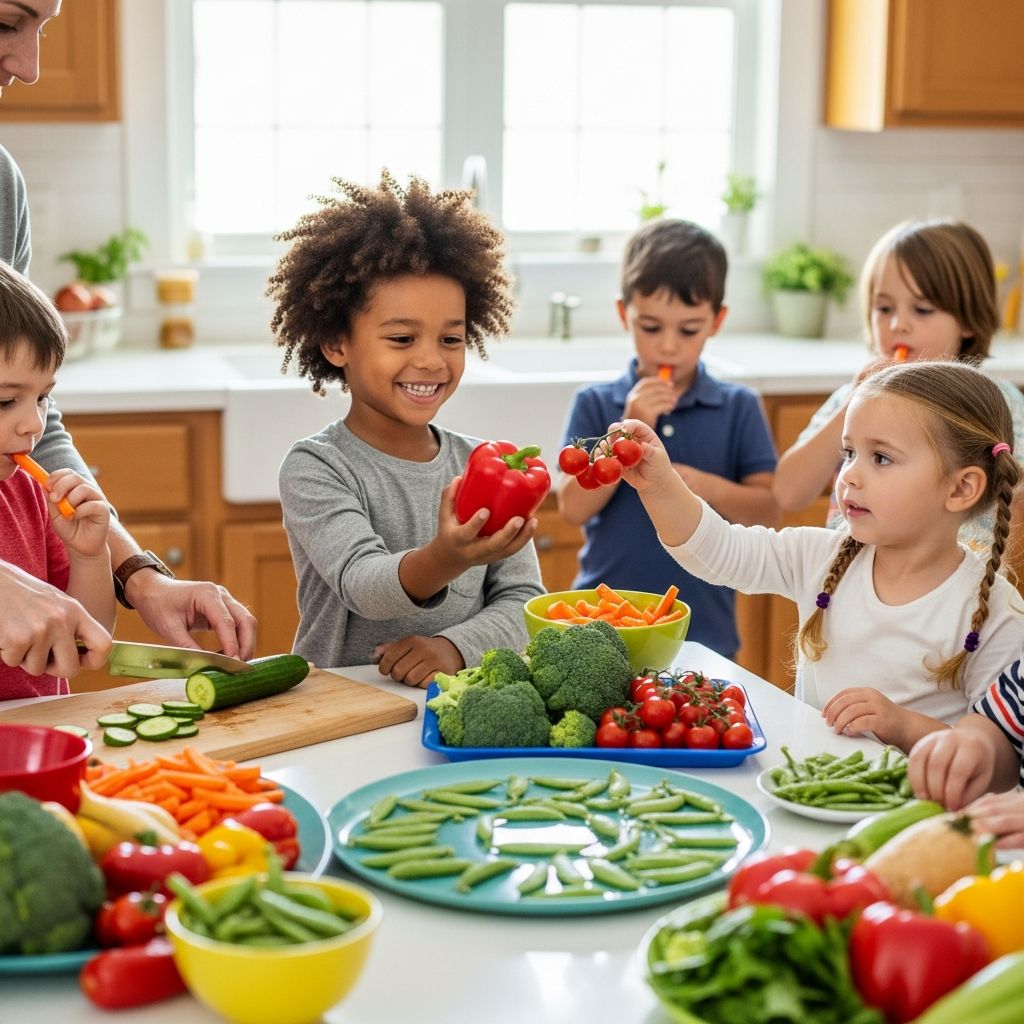
- Involve children in meal planning and preparation, such as letting them choose which vegetables to try or helping wash and chop them.
- Pair vegetables with familiar foods or dips to make them more appealing, especially for picky eaters.
- Offer vegetables first when children are hungriest, and provide multiple options to give them a sense of control.
- Use non-food rewards, like stickers or praise, to encourage children to try new vegetables.
- Be patient and persistent—children may need to try a new vegetable several times before accepting it.
Practical Tips for Daily Meals
Integrating vegetables into everyday meals doesn’t have to be complicated. Simple changes can make a big difference:
- Add vegetables to favorite dishes like pasta sauces, soups, casseroles, or baked goods.
- Include a fruit or vegetable with every meal or snack, such as fruit on cereal or a small salad with lunch.
- Experiment with different colors and textures to keep meals interesting.
- Grow vegetables or herbs at home to spark curiosity and excitement.
Recommended Daily Intake
The amount of vegetables children need varies by age. Here’s a general guideline:
| Age Group | Vegetable Servings per Day |
|---|---|
| Toddlers (1-3 years) | 4-8 servings (¼ cup each) |
| Preschoolers (4-5 years) | 3-4 servings (½ cup each) |
| School-age (6-12 years) | 2-4 servings (¾ cup each) |
These recommendations can be met with fresh, frozen, canned, or dried vegetables, as long as sodium and added sugars are kept low.
FAQs About Encouraging Kids to Eat Vegetables
How can I make vegetables more appealing to my child?
Try serving vegetables in fun shapes, pairing them with dips, or blending them into familiar foods. Involving your child in meal preparation can also increase their interest.
What if my child refuses to try vegetables?
It’s normal for children to reject new foods. Keep offering vegetables in different ways and be patient—repeated exposure often leads to acceptance.
Are frozen or canned vegetables okay for kids?
Yes, frozen and canned vegetables are nutritious options. Choose low-sodium canned vegetables and canned or frozen fruits with little or no added sugar.
How can I get my child to eat more vegetables at school?
Pack lunches with a variety of vegetables, such as carrot sticks, cucumber slices, or cherry tomatoes. Encourage your child to help choose what goes in their lunchbox.
Conclusion
Encouraging children to eat vegetables is a journey that requires patience, creativity, and consistency. By modeling healthy habits, involving kids in food choices, and making vegetables fun and accessible, parents can help their children develop a lifelong love for nutritious foods.