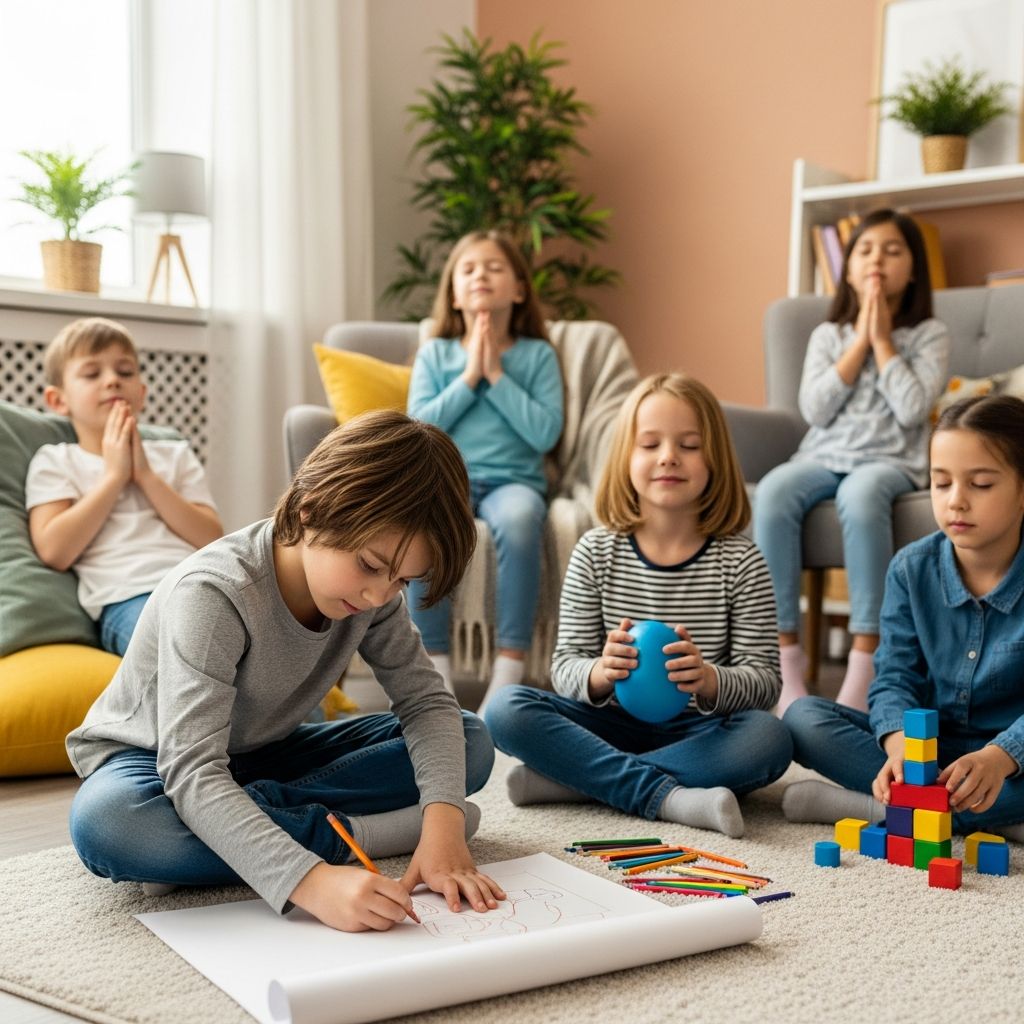
Creating Genuine Interest in the Academic Journey
The transition from summer freedom back to structured classroom learning presents both challenges and opportunities for families. While many children experience anxiety about returning to school, parents and caregivers have numerous evidence-based strategies at their disposal to transform this transition into an exciting new chapter. Rather than viewing the start of a new academic year as merely an obligation, families can intentionally cultivate genuine enthusiasm that supports long-term academic success and personal growth.
The foundation of building school excitement begins with understanding that children respond positively when they feel heard, supported, and genuinely interested in their educational pursuits. This approach requires parents to move beyond surface-level encouragement and instead invest time in understanding what truly captivates their children’s minds and hearts.
Understanding Your Child’s Academic Preferences
Every student has unique interests that can serve as gateways to deeper engagement with learning. The first step in building enthusiasm involves having meaningful conversations with your child about which subjects or classes genuinely capture their attention. Whether your child gravitates toward creative expression through art, enjoys the logical problem-solving of mathematics, finds history fascinating, or loves physical activity through PE, recognizing these preferences provides crucial insight into what makes school meaningful for them.
Once you’ve identified these interests, lean into them deliberately. This might involve visiting local libraries to explore books on topics your child finds engaging, attending children’s museums with interactive exhibits related to their favorite subjects, or seeking out live performances or demonstrations that bring their areas of interest to life. By providing these enrichment experiences, you’re sending a powerful message that learning extends far beyond the classroom and that their interests are worth your time and attention.
Encourage your child to pursue independent research on topics they find engaging. This autonomy-supportive approach allows them to experience the satisfaction of discovering knowledge on their own terms, which significantly strengthens intrinsic motivation—the kind of motivation that sustains long-term academic success. When children choose what to learn about, they develop a sense of ownership and genuine curiosity that transforms learning from an external requirement into an internal drive.
The Power of Preparation and Personal Choice
One of the most underutilized tools for building excitement involves allowing children to participate actively in back-to-school preparation. The process of selecting new school supplies, while seemingly mundane, actually serves as a psychological anchor that increases a child’s sense of investment in their education.
When shopping for supplies, give your child genuine decision-making authority over choices such as notebook designs, folder colors, and writing instruments. The variety available in today’s school supply market is remarkable—from animal-shaped paperclips to sports-themed scissors to organizers featuring their favorite characters or interests. This abundance means your child can genuinely express their personality through their school materials.
Consider elevating the supply preparation experience by transforming it into a creative project. Purchase plain notebooks and folders and work together with your child to decorate them using markers, stickers, collage materials, or other craft supplies. This DIY approach creates a memorable bonding experience while further deepening your child’s emotional connection to their school materials. The result is that your child walks into the classroom with supplies they’ve personally customized, which research suggests increases their motivation to use and care for these materials.
Rebuilding Social Connections
After weeks or months of summer separation, one of the most genuine sources of excitement for students involves reconnecting with their peers. School provides daily opportunities for friendship and social interaction that summer, despite its freedom and adventures, cannot fully replicate.
Take initiative in arranging pre-school social gatherings for your children. For younger students, organize playdates with classmates before the academic year begins. For older children and teenagers, encourage them to reach out to friends and coordinate hangouts—whether that’s meeting at a local coffee shop, visiting a park, or attending a community event together. These gatherings serve multiple purposes: they remind children of the social benefits school provides, help ease anxiety about seeing classmates again, and create positive associations with the return to school.
You might also consider hosting an end-of-summer celebration that brings together your child and their friends in a relaxed, fun setting. This could take the form of a backyard barbecue, a pool party, or even a casual game night. Such events create lasting positive memories associated with the transition season and demonstrate to your child that returning to school means returning to their community of friends.
Establishing Rituals That Signal New Beginnings
Humans are creatures of ritual and tradition, and children respond particularly well to meaningful ceremonies that mark transitions. Creating a special back-to-school tradition establishes a positive framework around the return to academics.
This tradition might be as elaborate as a family dinner featuring all of your child’s favorite foods, complete with discussion about hopes and goals for the upcoming year. Alternatively, it could be simpler, such as visiting a favorite local establishment or having a special family activity each year on the night before school begins. The specific form matters less than the consistency and intentionality behind it.
Another powerful ritual involves building anticipation through a countdown mechanism. Just as advent calendars build excitement toward Christmas, you can create a two-week countdown leading up to the first day of school. Behind each date, include a small treat, a planned activity (such as visiting a local park or dollar store), or an experience that builds enthusiasm gradually. This approach transforms the days leading up to school from anxiety-laden waiting into an active, engaging process that keeps positive emotions elevated.
Addressing Underlying Concerns Through Connection
While positive strategies and excitement-building activities are valuable, they must be paired with genuine emotional attunement to your child’s concerns and anxieties. Many children experience legitimate worries about returning to school—fears about making or maintaining friendships, concerns about keeping up academically, or previous negative experiences with teachers or peers.
Create dedicated time to talk with your child about their feelings regarding the upcoming school year. Use open-ended questions that invite deeper reflection: “What are you most looking forward to about school?” “Is there anything that makes you nervous or worried?” “Can I help you prepare for anything that feels challenging?”
When your child expresses concerns, respond with genuine empathy rather than dismissive reassurance. Share your own experiences with transitions and challenges, humanizing the fact that everyone faces anxious moments. This vulnerable sharing demonstrates that anxiety is normal and manageable, not something to be ashamed of or hidden. By creating this safe space for honest conversation, you position yourself as a trusted ally in navigating the school year.
Nutritional and Physical Support for Early Mornings
For many children, one of the most challenging aspects of returning to school involves the abrupt shift in sleep schedules and morning routines. After months of staying up late and sleeping in during summer, early morning wake times can feel genuinely difficult.
Combat this challenge by making the first day of school—and ideally, the first week—special at breakfast time. Prepare foods that your child genuinely enjoys and anticipates. Offer options such as protein-rich smoothies combining peanut butter, banana, and chocolate, hearty scrambled eggs with bacon, or fresh blueberry oatmeal muffins. A nourishing breakfast accomplishes multiple goals: it eases the physical challenge of waking early, provides energy for the day ahead, and creates a positive anchor for the morning routine.
As the year progresses, continue prioritizing breakfast, but consider allowing your child occasional input into meal selection. This participation maintains engagement with the morning routine and ensures they’re eating foods they actually enjoy rather than consuming breakfast as an obligation.
Sustained Engagement Throughout the Academic Year
While the first day excitement is important, maintaining enthusiasm throughout the school year requires ongoing intentional effort. Research suggests that consistent parental involvement and interest in academic work directly correlates with student motivation and performance.
Establish regular check-in conversations where you ask your child about their day—not as an interrogation, but as genuine, interested dialogue. Ask what they learned, which assignments challenged them, and what they enjoyed. With younger children, this enthusiasm tends to be contagious; when you express genuine interest in their learning, they mirror that excitement. With teenagers, calibrate your involvement carefully, ensuring you demonstrate interest without creating a sense of pressure or surveillance that might trigger resistance.
Find opportunities to model genuine enthusiasm about learning. When your child mentions they’re studying a particular topic, look up a relevant video, article, or resource together and express authentic curiosity alongside them. Your visible engagement with learning demonstrates that education is inherently valuable and interesting, not merely something children must endure.
Write encouraging notes that your child finds in their lunchbox or backpack—messages affirming their effort, reminding them of your support, or simply sharing something funny to brighten their day. These small gestures provide powerful emotional support and create touchpoints throughout the school week that remind your child they’re valued and supported.
The Role of Positive Reinforcement and Recognition
While rewards should be used thoughtfully rather than as primary motivators, strategic positive reinforcement does support sustained engagement. The research emphasizes that specific praise focused on effort rather than outcomes proves most effective. Rather than celebrating only top grades, recognize your child’s persistence through challenging assignments, their willingness to attempt difficult material, and their consistent effort over time.
Small, immediate reinforcements work particularly well—a high-five, extra screen time, or a special outing following completion of homework chunks. These informal rewards gradually shift your child’s internal motivation, so they begin working diligently because it feels personally rewarding rather than externally mandated.
Avoid connecting all achievements to external rewards, instead helping your child understand the intrinsic satisfaction of mastery and the genuine value of learning. Help them see how current effort connects to meaningful long-term goals, whether that’s developing expertise in their areas of passion, preparing for opportunities they care about, or simply becoming the kind of student who feels proud of their work.
Creating Space for Social and Emotional Balance
School demands focused attention and intellectual effort, and children need deliberate recovery time to prevent burnout. Establish regular family time at least once weekly where academic pressures take a backseat to connection and relaxation. This might involve family game nights, movie evenings, outdoor adventures, or simply unhurried conversation over a meal.
Be mindful about extracurricular commitments, recognizing that while outside activities can provide valuable enrichment and opportunities to explore interests, overscheduling creates exhaustion that undermines rather than supports academic enthusiasm. Help your child select activities they genuinely want to pursue rather than pressuring them toward a packed schedule.
Frequently Asked Questions
What if my child has already had negative school experiences?
Acknowledge their previous concerns with empathy and work collaboratively to identify what went wrong and what might be different this year. Connect with teachers proactively, communicate your child’s needs, and celebrate small positive steps. Consider whether any academic or social support services might help address previous challenges.
How do I balance encouragement with avoiding pressure that might backfire?
Focus on autonomy-supportive strategies that give your child choices and genuine input into their educational experience. Express interest without interrogation, praise effort without demanding specific outcomes, and avoid excessive monitoring that signals you don’t trust them. Allow natural consequences for academic choices rather than adding parental pressure.
Should I reward good grades with money or gifts?
Research suggests that intrinsic motivation—doing work because it feels personally meaningful—produces better long-term outcomes than external rewards. Use strategic, small reinforcements for effort and process rather than creating dependency on material rewards for outcomes. Help your child connect their work to intrinsic satisfactions like mastery and growth.
What if my older teen seems resistant to my involvement in school?
Give teenagers increasing autonomy while maintaining appropriate interest. Ask open-ended questions rather than demanding details, share your own experiences and challenges, and respect their emerging independence. Position yourself as a resource available if they need support rather than a monitor overseeing their work.
References
- Get Your Kids Excited About Going Back To School — Virtual BGC. 2024. https://virtualbgc.org/get-your-kids-excited-about-going-back-to-school/
- 9 Small Ways to Keep Kids Excited About School All Year Long — Community Education Services. 2024. https://www.ces-schools.net/9-small-ways-to-keep-kids-excited-about-school-all-year-long-2/
- How to Help Your Child Get Motivated in School — Child Mind Institute. 2024. https://childmind.org/article/how-to-help-your-child-get-motivated-in-school/
- 5 Ways to Make Back-to-School Easier & More Fun! — Wedgwood Institute. 2024. https://www.wedgwood.org/5-ways-make-back-to-school-easier/
- How to Help Your Child Like School — Connections Academy. 2024. https://www.connectionsacademy.com/support/resources/article/how-to-help-your-child-like-school/
- 5 Ways to Get Your Kids Excited for School — Caring Magazine. 2024. https://caringmagazine.org/5-ways-to-get-your-kids-excited-for-school