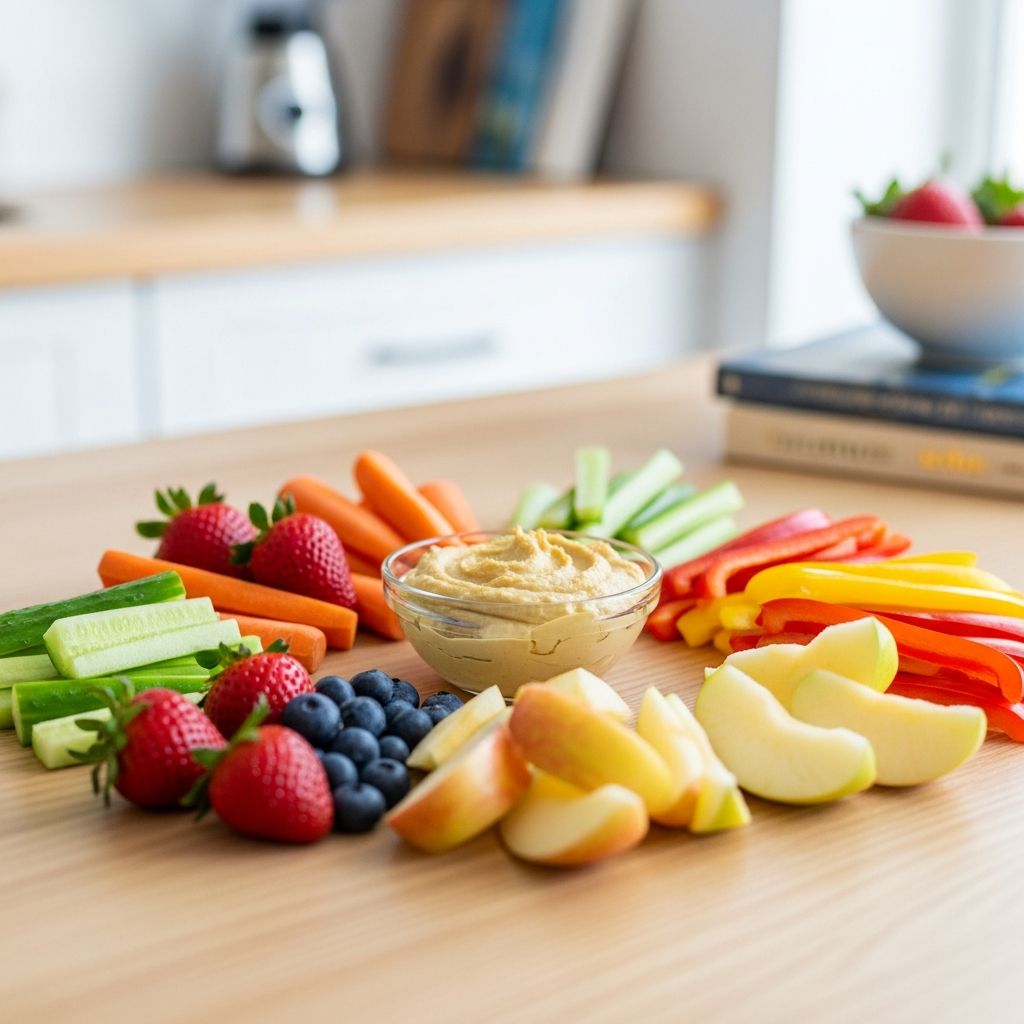
Getting children to embrace nutritious foods can feel like an uphill battle, but experienced parents have developed clever approaches that turn picky eaters into enthusiastic participants. Drawing from real-world wisdom shared by moms who prioritize wellness, this guide offers fresh strategies to foster lifelong healthy habits. These methods emphasize involvement, creativity, and consistency, making wholesome eating a natural part of family life.
Building Excitement Through Hands-On Experiences
One of the most effective ways to spark interest in healthy foods is by involving kids directly in the sourcing and preparation process. When children select their own produce at the market, they develop a sense of ownership that translates to eagerness at mealtime.
Picture strolling through the grocery aisles with your child, handing them a list of colorful items like vibrant bell peppers or crisp cucumbers. This simple act not only teaches about food variety but also builds anticipation for what’s to come. Studies from child development experts support this, noting that experiential learning enhances acceptance of new flavors.
- Start with familiar fruits to build confidence, then introduce novel veggies.
- Use this time to discuss textures and colors, turning shopping into an educational adventure.
- Make it a weekly ritual to reinforce positive associations.
Extending this involvement to the kitchen amplifies the effect. Equipping kids with safe tools, such as step stools, child-sized utensils, and blunt knives, empowers them to chop, mix, and blend. The pride of creation often overrides initial resistance, leading to fuller plates.
Smart Snacking: Fueling Without the Fuss
Excessive snacking is a common culprit behind meal-time disinterest. By curating intentional, nutrient-dense options, parents can maintain hunger cues that encourage main meal consumption.
Replace impulse grabs with pre-portioned veggie sticks, fresh fruits, or whole-grain crackers topped with nut butter. If a child requests a snack mid-morning, offer greens first—hunger will drive compliance. Leftover smoothies from breakfast can serve as a nutrient-packed prerequisite before other treats.
| Snack Category | Healthy Options | Why It Works |
|---|---|---|
| Veggies | Cucumbers, snap peas, bell peppers | Low-calorie, hydrating, promotes veggie familiarity |
| Fruits | Apples, berries, bananas | Natural sweetness satisfies without sugar spikes |
| Proteins | Hummus, nut butter, yogurt | Sustains energy, adds satiety |
| Grains | Brown rice cakes, whole-grain crackers | Fiber-rich for steady blood sugar |
Stocking the kitchen with these choices ensures accessibility, while keeping less healthy items out of sight minimizes temptation. Over time, taste preferences shift toward these wholesome picks.
Creative Presentations: Making Meals Playful
Transforming ordinary dishes into visual spectacles captivates young imaginations. Fun shapes, themes, and names can disguise veggies and elevate the dining experience.
For instance, arrange carrot sticks as ‘magic wands’ or broccoli as ‘dinosaur trees.’ Pairing dips like yogurt ranch or guacamole adds an interactive element. This gamification leverages kids’ love for play, subtly introducing diverse nutrients.
- Experiment with cookie cutters for sandwiches and fruits.
- Create themed plates based on favorite characters or stories.
- Involve kids in the design process for buy-in.
Persistence pays off—research indicates children may need 10-15 exposures to accept a new food, so vary preparations like roasting, steaming, or pureeing.
Modeling Behavior: Parents as the Ultimate Example
Children mirror parental habits, making your own plate a powerful teaching tool. Demonstrating enthusiasm for salads, lean proteins, and whole grains normalizes balanced eating.
Share meals family-style to foster communal enjoyment. Discuss the benefits casually—’These spinach leaves make us strong like superheroes’—without pressure. Dine together sans screens to prioritize conversation and mindful chewing.
Avoid using food as rewards or comfort; opt for hugs or playtime instead. This builds intrinsic motivation rooted in health, not external incentives.
Strategic Integration: Sneaking Nutrition Seamlessly
When direct appeals fall short, incorporate veggies into favorites discreetly. Blend spinach into smoothies, grate zucchini into muffins, or puree cauliflower into mac-and-cheese sauce.
Name these creations playfully, like ‘Green Monster Power Shake’ or ‘Sneaky Veggie Nuggets.’ Gradually reveal ingredients to build trust and expand palates. Focus on whole foods: organic beans, lentil pastes, and sprouted grains for hidden boosts.
Prioritize shopping lists of nutrient-dense staples, ensuring every purchase aligns with health goals. This ‘clean pantry’ approach naturally guides choices.
Establishing Routines for Long-Term Success
Consistency forms the backbone of habit-building. Set regular meal and snack times, requiring completion of nutrient-focused items before extras.
View fruits as occasional treats post-veggies, training taste buds to crave natural sweetness over processed fare. Garden together if possible—homegrown harvests instill appreciation.
Empower older kids with choices: ‘Carrots or celery today?’ This autonomy reduces rebellion. Track progress with a sticker chart for non-food rewards.
Navigating Dining Out and Social Settings
Extend habits beyond home by rewriting the ‘kids’ menu’ mindset. Share adult dishes or appetizers to broaden horizons.
Limit screen time during meals to curb mindless munching and promote activity, correlating with healthier weights. At parties, pre-load with protein to temper junk food appeals.
Frequently Asked Questions (FAQs)
What if my child refuses a new food repeatedly?
Patience is key—offer small portions without force, trying up to 15 times in varied forms. They won’t starve from one skipped meal.
How do I handle snack demands between meals?
Direct to veggies or fruits first; true hunger ensures consumption. Limit overall snacking to preserve meal appetite.
Can I use treats to encourage veggies?
Avoid food rewards; they undermine intrinsic enjoyment. Praise effort and involvement instead.
What’s the best breakfast for sustained energy?
Combine whole grains, fruits, proteins, and dairy—like oatmeal with berries and nuts—for steady metabolism.
How does family dining impact habits?
Shared meals with minimal distractions build positive associations and model healthy choices.
Nutrition Breakdown: Building Balanced Plates
Construct meals with half veggies/fruits, quarter proteins, quarter grains. This mirrors dietary guidelines for optimal growth.
| Meal Component | Examples | Benefits |
|---|---|---|
| Vegetables | Broccoli, carrots, spinach | Vitamins, fiber, low calories |
| Fruits | Apples, berries, citrus | Antioxidants, hydration |
| Proteins | Eggs, beans, lean meats | Muscle repair, satiety |
| Grains/Dairy | Whole oats, yogurt | Energy, bone health |
Incorporate these daily for comprehensive nutrition.
Implementing these mom-vetted tactics requires trial and adaptation, but yields enthusiastic eaters. Start small, celebrate wins, and watch habits flourish. Your consistent lead paves the way for their healthy future.
References
- Ten tips to healthy eating for kids — Womack Army Medical Center. 2020-05-12. https://womack.tricare.mil/News-Gallery/Articles/Article/3717589/ten-tips-to-healthy-eating-for-kids
- Kids and Food: 10 Tips for Parents — Nemours KidsHealth. 2023-08-15. https://kidshealth.org/en/parents/eating-tips.html
- How to Get Kids to Eat Healthy Food — Wellness Mama. 2022-11-20. https://wellnessmama.com/health/guide-to-feeding-healthy-kids/
- 10 Healthy Eating Tips for Parents and Caregivers — American Diabetes Association. 2024-03-10. https://diabetes.org/food-nutrition/eating-healthy/10-healthy-eating-tips-for-parents-and-caregivers
- Funny Food Faces and More: Five Tricks to Get Kids to Eat Healthy — Hancock Health. 2017-07-01. https://www.hancockhealth.org/2017/07/funny-food-faces-and-more-five-tricks-to-get-kids-to-eat-healthy/