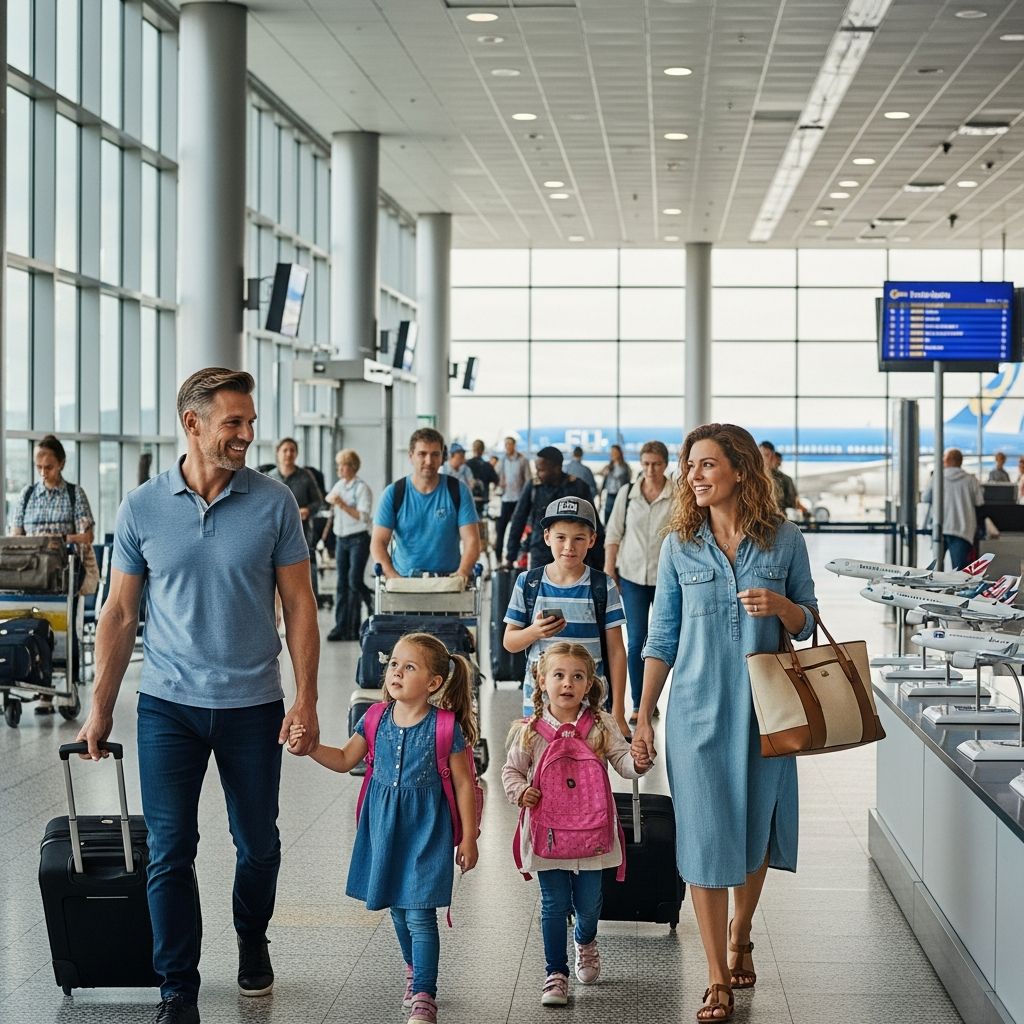
Flying with children can transform a simple trip into a memorable adventure when armed with the right strategies. Drawing from insights shared by seasoned aviation professionals and experienced parents, this guide offers actionable advice to navigate airports, board planes, and handle in-flight challenges effectively. Whether traveling with infants, toddlers, or older kids, these tips prioritize comfort, safety, and enjoyment for the entire family.
Strategic Flight Booking for Family Comfort
Selecting the optimal flight sets the foundation for a successful journey. Opt for direct routes whenever possible to avoid the fatigue of layovers, which can exacerbate children’s restlessness. Mid-morning departures often align well with family schedules, allowing time for breakfast and keeping little ones alert yet not overtired. For overnight flights, aim for boarding around late afternoon to coincide with natural sleep cycles post-meal service.
- Compare airline family perks: Look for carriers offering free seat selection for families or generous mileage pooling programs.
- Prioritize airlines with onboard playgrounds at terminals or complimentary Wi-Fi and individual screens to maintain engagement.
- Book child-specific meals in advance to ensure preferences are met and reduce hunger-related meltdowns.
Early booking also secures bulkhead seats or bassinets for infants, providing extra legroom essential for longer hauls.
Pre-Flight Preparation at Home
Preparation begins days before departure. Discuss the airport experience with children, explaining security checks, boarding procedures, and the role of flight crew as helpful guides. Visual aids like animated videos from official sources can demystify the process, reducing anxiety for first-time flyers.
Pack essentials thoughtfully: Comfort items such as a beloved blanket or stuffed toy foster security. Prepare for ear pressure with age-appropriate aids—pacifiers for babies, chewy snacks or gum for school-age kids. Dress everyone in layers for fluctuating cabin temperatures, favoring soft, stretchy fabrics over restrictive clothing.
| Age Group | Ear Pressure Relief | Comfort Items |
|---|---|---|
| Infants (0-2) | Pacifier, nursing, bottle | Blanket, familiar toy |
| Toddlers (2-5) | Lollipop, crunchy snacks | Soft book, small plush |
| School-age (6+) | Gum, yawns with guidance | Headphones, personal tablet |
Shop for non-liquid snacks ahead: Dried fruits, crackers, and nut-free bars keep energy steady without security hassles.
Navigating the Airport Efficiently
Arrive with ample buffer time— at least two hours for domestic, three for international—to account for lines and unexpected delays. Utilize strollers or carriers gate-checked for free; these mobility aids prevent carrying fatigue through vast terminals.
Maximize energy-burning opportunities: Ride escalators and moving walkways in playful loops, turning transit into games. Seek out family lounges or play areas to let kids expend excess vigor pre-boarding. Brightly colored bags streamline identification amid baggage carousels.
- Strap younger children into carriers during security to maintain hands-free efficiency.
- Pre-plan bathroom breaks to sidestep mid-takeoff urgencies.
- Engage same-age families for spontaneous playdates that distract naturally.
Onboard Organization and Space Optimization
Once seated, claim under-seat space strategically. Avoid attachments to tray tables or windows; instead, create makeshift play zones or nap nooks with pillows and blankets. Keep a ‘grab bag’ at feet for quick access to soothers during turbulence or takeoff.
Window seats for toddlers curb aisle wandering temptations, while aisle access aids frequent parental maneuvers. Inform children of ‘personal space bubbles’ around seats ahead to prevent kicks—drape blankets as soft barriers if needed.
Maintaining Engagement During Flight
Boredom fuels unrest, so curate distractions without overkill. Introduce ‘surprise bags’ mid-flight containing novel items like magnetic puzzles, suction toys, or mess-free coloring pads. Rotate activities to sustain interest: audiobooks via kid-safe players, sticker scenes, or simple tracing games.
Encourage quiet observation—point out clouds or wing views—before offering screens. Limit device time to preserve battery and attention spans. Flight crew often assist with engaging stories or treats, leveraging their rapport with children.
- Favorites include playdough strips, window clings, and watercolor ‘wow’ books.
- Snack rotations: Yogurt melts, rice cakes, or fruit pouches (pre-TSA compliant).
- Games like ‘I Spy’ or hand puppet shows require no props.
Handling Common In-Flight Challenges
Crying spells demand empathy: Acknowledge feelings, offer hugs, then distract with buttons exploration or music. For sleep resistance, dim surroundings post-meal and rock gently in corner spots. Parents should nap opportunistically, modeling rest.
Seat-kicking solutions: Foot hammocks from scarves on tray tables provide outlets. Wanderers respond to crew gentle reminders more readily than parental pleas. Hydrate frequently; cabin air dries throats quickly.
Post-Flight Recovery Strategies
Upon landing, prioritize downtime. Avoid jam-packed itineraries Day 1; opt for light unpacking and nearby strolls. Jet lag eases with natural light exposure and consistent meals. Hydrate extra to combat dehydration effects.
Reflect on successes to refine future trips—note what worked for personalized tweaks.
Frequently Asked Questions (FAQs)
What if my child refuses to sit still during the flight?
Direct them to window views initially, then introduce surprises. Walk laps during calm periods, coordinating with crew. Pre-flight energy burns help immensely.
How do I manage ear pain for my baby?
Nurse, bottle-feed, or use a pacifier during ascent/descent. Swallowing equalizes pressure effectively; crying can aid too if needed.
Are there must-have toys for long flights?
Mess-free options like stickers, magnetic sets, and audio players shine. Avoid noisy or small-part toys respecting fellow passengers.
Should I pack meals or rely on airline food?
Combine both: Pre-packed solids for immediacy, special requests for variety. Skip liquids over 3.4oz per TSA rules.
What clothing works best onboard?
Layered, comfy athleisure in breathable fabrics. Slip-on shoes ease security; extras socks for spills.
Enhancing Safety and Etiquette
FAA guidelines mandate approved car seats for under-2s opting out of laps; gate-check for convenience. Teach politeness—quiet voices, tray-up compliance. Pack sanitizers; planes recirculate germs.
Express gratitude to crew; their insights often yield upgrades or aid. Mindful packing respects overhead limits, fostering goodwill.
References
- TSA Kids – Getting to Know the Airport — Transportation Security Administration. 2023-05-15. https://www.tsa.gov/travel/tsa-kids
- Flying with Children — Federal Aviation Administration. 2024-02-10. https://www.faa.gov/travelers/flying_with_children
- Travel Tips: How to Fly with Kids — Seven Corners. 2023-11-20. https://www.sevencorners.com/blog/travel-tips/how-to-fly-with-kids
- Flying with Kids: High Flyer Tips — Little Ones. 2024-01-05. https://www.littleones.co/blogs/our-blog/high-flyer-tips-for-surviving-air-travel-with-your-little-ones
- 45 Tips to Survive a Flight with Kids — Little Voyageurs. 2023-08-12. https://www.littlevoyageurs.com/en/blog/flying-with-kids