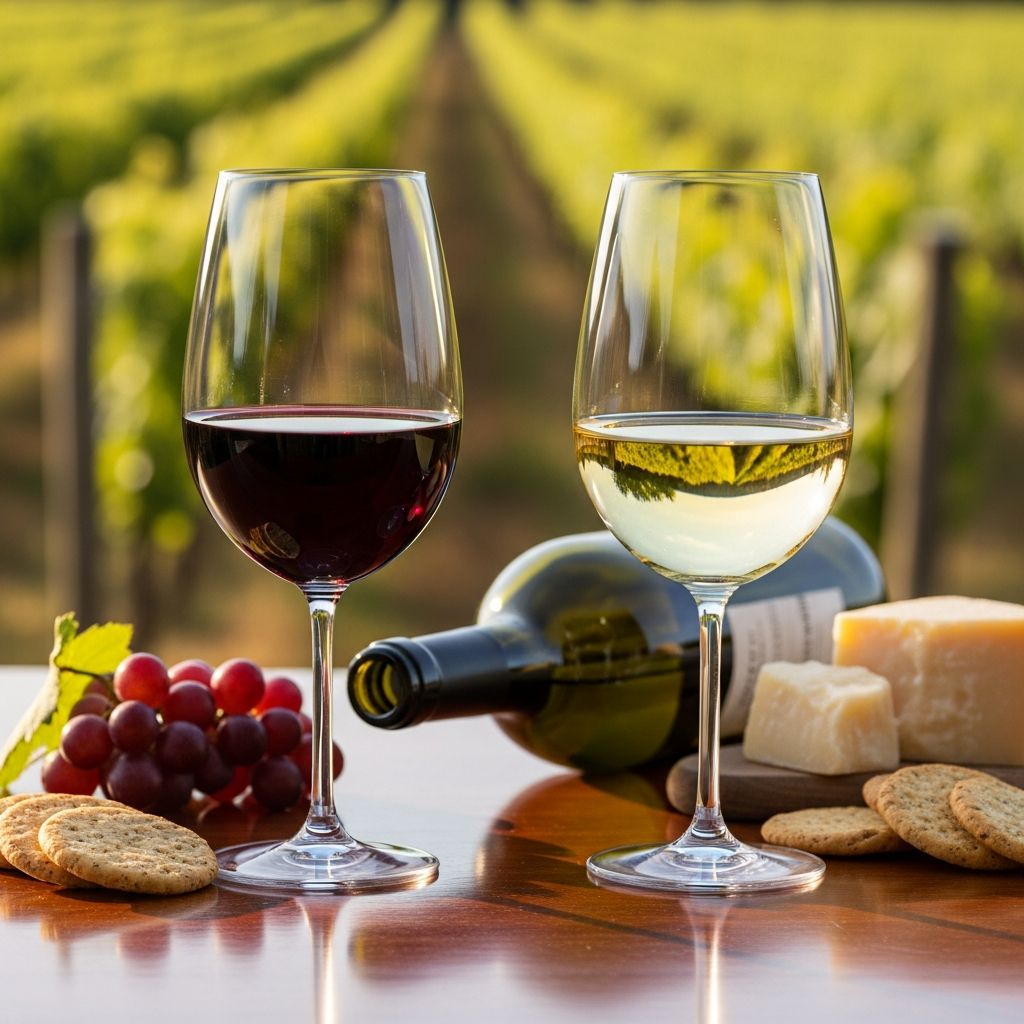
Entering the realm of wine can feel like stepping into an enchanting yet bewildering garden, filled with endless varieties promising unique flavors and experiences. Whether you’re preparing for a casual dinner, celebrating a milestone, or simply unwinding after a long day, finding wines that resonate with your taste buds transforms every sip into a moment of joy. This guide empowers you with actionable strategies to pinpoint bottles you’ll genuinely crave, bypassing the intimidation often associated with wine selection.
Understanding Your Wine Personality
Every palate is distinct, shaped by personal history, dietary habits, and even daily routines. To embark on your wine journey, start by reflecting on flavors you already enjoy in food and beverages. Do bold, spicy dishes excite you, or do you prefer subtle, herbaceous notes? This self-awareness serves as your compass.
Consider your coffee preference: black and strong might align with high-acidity wines like Sauvignon Blanc, while sweetened lattes could point toward off-dry options such as Riesling. Similarly, your ideal steak doneness—rare for robust reds like Cabernet Sauvignon, well-done for lighter Pinot Noirs—reveals body preferences from full-bodied to delicate.
Quick Palate Quiz for Instant Insights
- How do you take your coffee? Black (a/b): Seek Old World wines (e.g., French Bordeaux) with bright acidity. Cream/sugar (c/d): New World riper fruits (e.g., California Chardonnay).
- Preferred steak cook? Rare (a): Creamy, oaked whites. Medium-well (d): Crisp, high-acid like Pinot Grigio.
- Favorite dessert? Chocolate: Rich reds like Malbec. Fruit tart: Zesty whites like Sauvignon Blanc.
These questions distill complex tastes into profiles: crisp and zesty for refreshing whites, light and juicy for easy reds, big and bold for powerful options, or rich and creamy for indulgent pours.
Mastering the Art of Wine Tasting at Home
Tasting wine systematically demystifies its nuances, allowing you to articulate what thrills you. No sommelier certification required—just curiosity and a few bottles.
- Select a Diverse Starting Set: Purchase 3 whites and 3 reds under $20 each. Opt for familiar names: Chardonnay, Sauvignon Blanc for whites; Merlot, Pinot Noir for reds. This variety highlights differences without overwhelming.
- Prepare Your Setup: Use clear glasses, chill whites to 45-55°F, serve reds at 55-65°F. Avoid strong scents or foods that mask flavors.
- Observe and Swirl: Examine color—pale yellow for crisp whites, deep garnet for bold reds. Swirl to release aromas: fruity, earthy, floral?
- Sniff Deeply: Inhale primary (fruit), secondary (oak, yeast), and tertiary (nutty age) scents. Jot notes freely.
- Sip Mindfully: Small sips coat your tongue. Note sweetness, acidity (tart like lemon), tannins (grippy like tea), alcohol warmth, body (light beer vs. cream). First sip captures impact; second reveals layers.
- Rank and Record: Rate 1-6, list descriptors (e.g., “cherry, velvety, medium body”). This ‘taste card’ becomes your shopping ally.
Repeat with water rinses between wines to reset your palate. Over time, you’ll discern textures like crisp, chewy, or silky effortlessly.
Decoding Wine Labels Like a Pro
Labels hold clues to style without needing varietal expertise. Focus on origin, as climate shapes flavor profoundly.
| Region Type | Climate | Wine Style | Examples |
|---|---|---|---|
| Cool (e.g., France, Germany) | Cooler | Higher acid, lighter body, subtle fruit | Bordeaux, Riesling |
| Warm (e.g., Australia, California) | Hotter | Riper fruit, bolder, softer tannins | Shiraz, oaked Chardonnay |
Check for ‘Old World’ (Europe: elegant, earth-driven) vs. ‘New World’ (Americas/Australia: fruit-forward). Producer names signal quality; seek consistent winemakers. Snap photos of loved bottles’ labels for future reference.
Building Your Signature Wine Collection
With your taste card, engage experts confidently. Share descriptors: “I love juicy cherry with soft texture in reds.” Staff recommend matches like Gamay for light reds or Viognier for creamy whites.
- Experiment Within Favorites: If Pinot Noir enchants, try different vineyards—Oregon vs. Burgundy—for nuanced shifts.
- Temperature Tweaks: Chill bold reds slightly to tame tannins; warm whites for mellower acidity.
- Pairing Adventures: Match light whites with salads, bold reds with grilled meats. Track successes to refine.
- Budget Strategies: Set spending limits per occasion—$15 casual, $30 special. Prioritize vibe over vintage hype.
Subscription services or apps analyze preferences for curated boxes, accelerating discovery.
Wine and Lifestyle: Making It Personal
Integrate wine into routines for ongoing learning. Host tastings with friends, blind-testing varieties. Travel to regions like Napa or Tuscany for immersive education. Apps track notes, ratings, and suggestions.
Health note: Moderation enhances pleasure—women up to one glass daily, men two, per guidelines. Hydrate and pair with food for balance.
Wine Style Comparison Guide
| Style | Key Traits | Grape Examples | Best For |
|---|---|---|---|
| Light & Juicy Reds | Soft, berry-forward, low tannins | Pinot Noir, Gamay | Chill dinners, poultry |
| Big & Bold Reds | Rich, dark fruit, grippy | Cabernet Sauvignon, Malbec | Steaks, BBQ |
| Crisp & Zesty Whites | Acidic, citrus/herb | Sauvignon Blanc, Pinot Grigio | Seafood, salads |
| Rich & Creamy Whites | Oaky, buttery, full | Chardonnay, Viognier | Cream pastas, cheese |
Frequently Asked Questions
What if I only like one type of wine right now?
That’s a perfect start! Use it as a benchmark to explore similar styles gradually, ensuring steady growth without pressure.
How do I store opened bottles?
Recork and refrigerate; reds last 3-5 days, whites 5-7. Vacuum pumps extend life further.
Should I chase high scores or prices?
No—a great wine is one you enjoy. Ignore critics; prioritize personal delight.
Best beginner wines under $20?
Whites: New Zealand Sauvignon Blanc, Italian Pinot Grigio. Reds: Argentine Malbec, Chilean Merlot.
Can non-drinkers participate in tastings?
Absolutely—focus on aromas, visuals, and non-alcoholic wine alternatives mimic the experience.
Embracing the Joy of Your Wine Journey
Your path to beloved wines is uniquely yours, blending experimentation with intuition. Celebrate small victories: that first ‘aha’ flavor match or a bottle vanishing too quickly at dinner. With practice, you’ll navigate shelves instinctively, turning any occasion into a celebration.
Expand horizons seasonally—summer rosés, winter ports. Join communities for swaps and tips. Ultimately, wine enriches life when chosen for you, fostering confidence and endless delight.
References
- How to Find Wines You Actually Like — Sugar and Spice Blog. 2023-05-15. https://www.sugarwithspiceblog.com/how-to-find-wine-you-like/
- How to Choose Good Wine (Every Time) — YouTube (Wine Folly channel). 2024-08-10. https://www.youtube.com/watch?v=_M67h9jq47A
- Quiz: Finding Your Perfect Wine Profile — Ruth’s Chris Steak House. 2025-01-22. https://ruthschris.net/blog/quiz-finding-perfect-wine-profile/