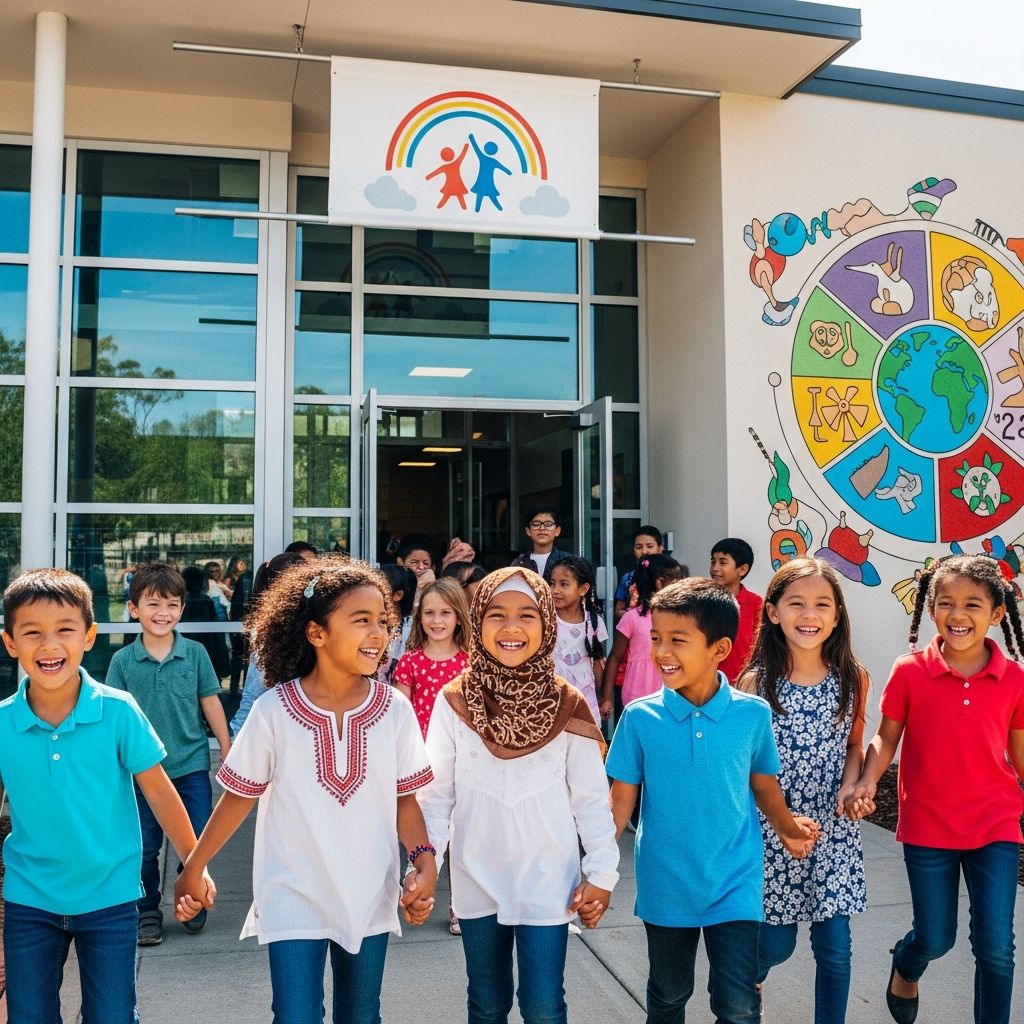
Culturally affirmative schools create environments where students’ backgrounds, traditions, and experiences are not just acknowledged but actively woven into the fabric of learning. These institutions prioritize equity by integrating diverse perspectives into curricula, teaching methods, and community interactions, leading to improved academic performance and emotional well-being.
Understanding the Core of Culturally Responsive Learning Spaces
Culturally responsive education goes beyond surface-level diversity; it involves educators who deliberately connect academic content to students’ lived realities, fostering deeper engagement and motivation. This approach validates cultural assets, such as languages, histories, and family practices, making learning relevant and empowering.
Research highlights that such environments enhance student outcomes by building trust between teachers and learners. When instructors understand and incorporate students’ cultural contexts, attendance rises, grades improve, and a profound sense of belonging emerges. For instance, studies show that affirming cultural identities correlates with higher GPAs and reduced dropout rates, particularly among underrepresented groups.
Key Indicators of a Culturally Affirming Institution
Spotting a school committed to cultural affirmation requires examining several hallmarks. Look for institutions where diversity is reflected in leadership, staff demographics, and decision-making bodies.
- Diverse Faculty and Administration: Schools with teachers and leaders from varied ethnic, racial, and linguistic backgrounds model inclusion and provide relatable role models.
- Inclusive Curriculum Materials: Textbooks, lessons, and projects that feature stories, achievements, and contributions from multiple cultures, avoiding Eurocentric biases.
- Community Engagement Practices: Partnerships with local cultural organizations, family involvement events, and programs that honor holidays and traditions from all student groups.
- Equity-Focused Policies: Clear anti-bias training for staff, restorative justice approaches over punitive discipline, and support for multilingual learners.
These elements signal a proactive stance against marginalization, ensuring every child feels seen and valued.
Practical Steps for Evaluating Potential Schools
Begin your search by compiling a list of schools through district websites, parent networks, and online reviews focused on diversity metrics. Schedule visits and virtual tours to observe classrooms in action.
- Review School Data: Analyze demographics, achievement gaps by subgroup, and retention rates via state education department reports.
- Observe Interactions: During tours, note how students from different backgrounds engage with teachers and peers—look for mutual respect and enthusiasm.
- Inquire About Programs: Ask about professional development on cultural responsiveness, curriculum audits for inclusivity, and student-led diversity initiatives.
- Speak with Stakeholders: Connect with current parents, alumni, and students via PTA meetings or social media groups to gauge real experiences.
- Assess Support Systems: Evaluate counseling services, language programs, and accommodations for cultural or religious needs.
Document your findings in a comparison chart to weigh options objectively.
Benefits Backed by Evidence for Students and Families
Attending culturally affirming schools yields measurable advantages. Students experience heightened motivation as lessons resonate with their identities, leading to better retention of information and critical thinking skills.
| Benefit | Description | Evidence Source |
|---|---|---|
| Increased Engagement | Students participate more actively when content mirrors their worldviews. | |
| Stronger Sense of Belonging | Fosters emotional safety, reducing anxiety and boosting self-esteem. | |
| Academic Gains | Closes achievement gaps through relevant, rigorous instruction. | |
| Long-Term Social Skills | Promotes cross-cultural friendships and reduced biases. | |
| Identity Development | Empowers youth to embrace heritage while navigating broader society. |
These outcomes extend beyond school, with graduates showing higher college enrollment, career success, and civic involvement.
Building Bridges Between Home and School
Culturally responsive schools excel at family partnerships. They host multilingual orientations, culturally themed workshops, and feedback forums where parents co-design events. This collaboration strengthens student support networks and reinforces learning at home.
For multilingual families, dual-language programs and translation services ensure accessibility. Schools might celebrate global festivals or invite community elders to share stories, enriching the entire student body.
Overcoming Barriers in the Search Process
Finding the right fit can be challenging amid zoning restrictions or limited options. Advocate by attending school board meetings, joining equity committees, or supporting charters with affirmative missions. If ideal schools are scarce, consider supplemental programs like after-school cultural clubs.
Be wary of tokenism—schools that display diversity posters without substantive changes. Probe for data on discipline disparities and teacher retention to verify commitment.
Real-World Examples of Success
Urban districts implementing responsive pedagogies report narrowed achievement gaps. One study of high schools found ethnic studies courses improved GPAs by connecting history to students’ communities. Similarly, integrated classrooms cultivate leadership and empathy, preparing youth for diverse workplaces.
In science and math, real-world datasets from local neighborhoods make abstract concepts tangible, sparking interest among all learners.
Frequently Asked Questions
What makes a school truly culturally responsive?
It integrates students’ cultural references into daily instruction, promotes equity, and actively combats biases through policy and practice.
How does cultural affirmation impact academic performance?
It boosts motivation, attendance, and understanding, leading to higher grades and test scores, as shown in multiple studies.
Can any school adopt these practices?
Yes, with staff training, curriculum revisions, and leadership buy-in, even traditional schools can evolve.
What if my child’s school lacks these elements?
Start conversations with administrators, suggest resources, or seek community programs to supplement schooling.
Are there metrics to measure a school’s progress?
Track student surveys on belonging, disaggregated achievement data, and diversity in staff hiring.
Empowering Your Child’s Educational Journey
Selecting a culturally affirming school is an investment in your child’s holistic development. By prioritizing environments that honor identity, parents pave the way for confident, engaged learners ready to thrive in a multicultural world.
References
- Discover the Value of Culturally Relevant and Responsive Education — Northeastern State University Online. 2023. https://online.nsu.edu/degrees/education/masters-urban/english/culturally-relevant-education/
- What Is Culturally Responsive Education? — Lessonbee. 2023. https://lessonbee.com/blog/what-is-culturally-responsive-education
- What is Culturally Responsive Teaching? 2023 Guide with Examples — SimpleK12. 2023-01-01. https://www.simplek12.com/blog/culturally-responsive-teaching
- The Benefits of Socioeconomically and Racially Integrated Schools and Classrooms — The Century Foundation. 2019-10-25. https://tcf.org/content/facts/the-benefits-of-socioeconomically-and-racially-integrated-schools-and-classrooms/
- 5 Ways Culturally Responsive Teaching Benefits Learners — New America. 2017-11-28. http://newamerica.org/education-policy/edcentral/5-ways-culturally-responsive-teaching-benefits-learners/
- Creating Culturally Affirming Spaces: School and Classroom Practices — IES Regional Educational Laboratory West. 2025-01. https://ies.ed.gov/rel-west/2025/01/slides-0
- What Is Culturally Responsive Teaching? — Education Week. 2022-04-18. https://www.edweek.org/teaching-learning/culturally-responsive-teaching-culturally-responsive-pedagogy/2022/04