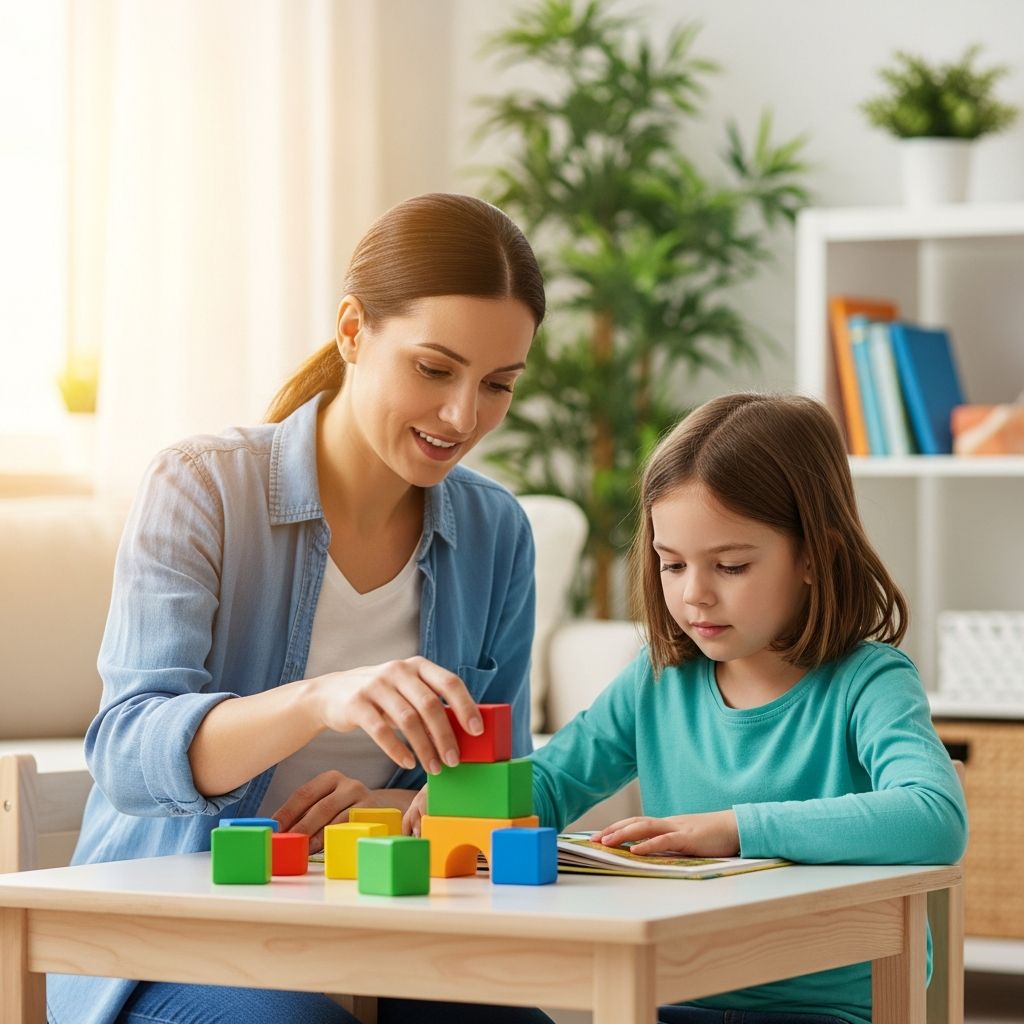
Understanding the Roots of Child Behavior
Children’s actions are rarely random; they are shaped by their environment, emotional needs, and developmental stage. Recognizing that behavior is a form of communication helps parents respond with empathy and clarity. When a child acts out, it often signals unmet needs, confusion, or a lack of skills to express emotions constructively .
Building a Foundation of Positive Attention
- Children thrive on attention, and positive attention is far more effective than negative attention in shaping behavior .
- Set aside dedicated time each day to engage in one-on-one activities, such as playing, reading, or simply talking. This strengthens the parent-child bond and reduces the likelihood of attention-seeking misbehavior .
- When children feel seen and valued, they are more likely to cooperate and exhibit positive behaviors .
Effective Strategies for Encouraging Good Behavior
Changing behavior is not about punishment, but about teaching and reinforcing positive alternatives. Here are several evidence-based approaches:
- Positive Reinforcement: Praise specific behaviors immediately and enthusiastically. For example, if your child shares a toy, say, “I love how you shared your toy with your sister. That was very kind!” .
- Reward Systems: Use simple reward charts or token systems for younger children. For older kids, consider privileges or small treats as incentives for consistently positive behavior .
- Modeling: Children learn by observing adults. Demonstrate the behaviors you want to see, such as patience, kindness, and problem-solving .
- Clear Routines: Establish predictable routines for daily activities like meals, homework, and bedtime. Consistency helps children feel secure and reduces behavioral challenges .
Managing Challenging Behaviors with Calmness
When children misbehave, it’s important to respond calmly and avoid escalating the situation. Here’s how:
- Stay composed and speak in a calm, clear voice. Yelling or harsh language can intensify negative behavior .
- Ignore minor misbehaviors that are not dangerous or disruptive. This technique, known as extinction, helps reduce attention-seeking actions .
- For more serious issues, use time-outs or natural consequences. For example, if a child refuses to clean up toys, they may lose the privilege of playing with them for a short period .
Teaching Emotional Regulation and Problem-Solving
Helping children manage their emotions is key to long-term behavioral improvement:
- Teach children to identify and express their feelings using words. For example, “I see you’re feeling frustrated. Can you tell me why?” .
- Role-play scenarios to practice problem-solving and conflict resolution. Ask, “What could we do differently next time?” and encourage your child to suggest solutions .
- Encourage empathy by discussing how others might feel in different situations .
Setting Realistic Expectations
Children develop at different rates, and expectations should be age-appropriate:
- Adjust your expectations based on your child’s developmental stage. For example, a toddler may not be able to sit still for long periods, while a school-aged child can follow more complex instructions .
- Focus on one or two behaviors at a time. Trying to change too much at once can overwhelm both parent and child .
- Be patient and celebrate small improvements. Progress may be gradual, but every step forward is valuable .
Creating a Supportive Family Environment
A positive family atmosphere encourages cooperation and reduces conflict:
- Involve all family members in setting rules and routines. This fosters a sense of ownership and responsibility .
- Encourage open communication and active listening. Let children know their opinions matter .
- Seek support from other parents or professionals when needed. Sharing experiences and strategies can provide valuable insights .
FAQs: Common Questions About Child Behavior
- How can I get my child to listen better?
- Use clear, simple instructions and give your child time to process them. Praise listening and cooperation when they occur .
- What should I do if my child refuses to follow rules?
- Stay calm and consistent. Use natural consequences and reinforce positive behavior when your child complies .
- How do I handle tantrums or meltdowns?
- Stay calm, ensure safety, and wait for the child to calm down. Once they are calm, discuss what happened and how to handle similar situations in the future .
- Can rewards spoil my child?
- When used appropriately, rewards can motivate positive behavior without spoiling. Focus on intrinsic rewards like praise and privileges rather than material items .
Summary Table: Key Strategies for Positive Behavior Change
| Strategy | How to Apply | Expected Outcome |
|---|---|---|
| Positive Reinforcement | Praise specific good behaviors immediately | Increased positive behavior |
| Reward Systems | Use charts or tokens for consistent good behavior | Motivation to repeat positive actions |
| Clear Routines | Establish predictable daily schedules | Reduced behavioral challenges |
| Modeling | Demonstrate desired behaviors | Children imitate positive actions |
| Emotional Regulation | Teach children to express feelings and solve problems | Better emotional control |
By applying these strategies consistently, parents can foster a nurturing environment that supports positive behavior and strengthens family relationships .