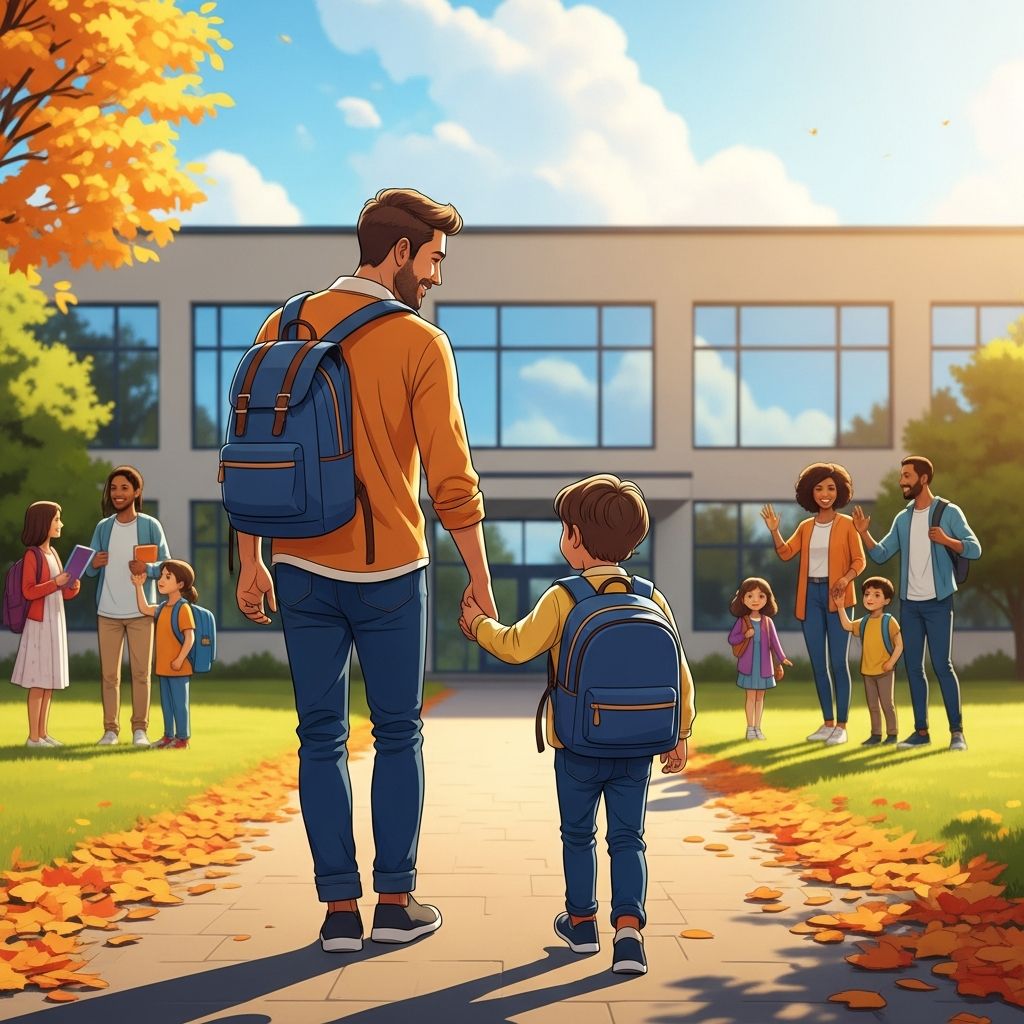
The transition back to school after prolonged periods of remote learning and social isolation presents unique emotional hurdles for parents. Heightened concerns about health risks, disrupted routines, and children’s adjustment amplify stress levels, making this phase particularly challenging. This article explores comprehensive approaches to alleviate these worries, drawing from behavioral insights and practical recommendations.
Recognizing the Roots of Parental and Child Anxiety
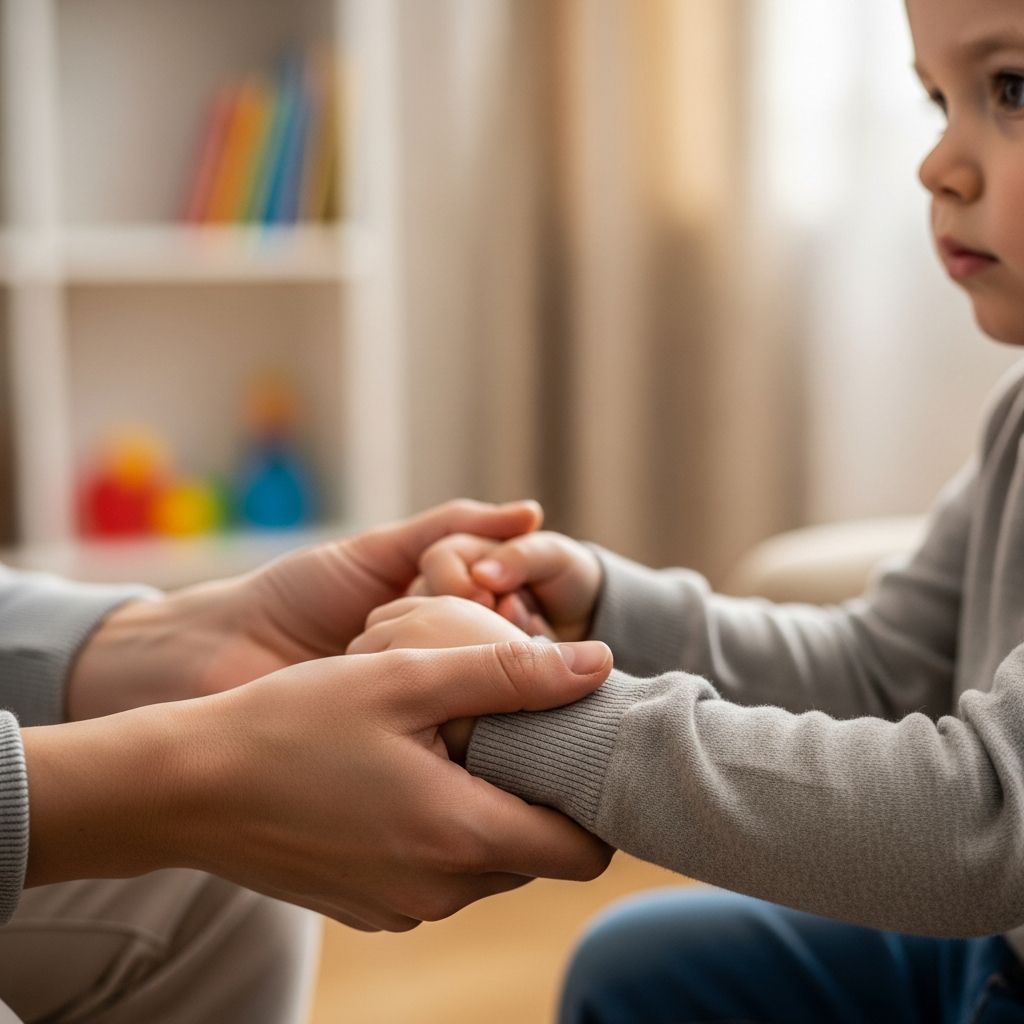
Extended family confinement during lockdowns has intensified attachment bonds, often leading to separation difficulties when children return to school environments. Environmental factors like ongoing health uncertainties and economic pressures act as motivators for anxiety, altering how families perceive safety outside the home. Parents may notice their own unease mirroring in children’s behaviors, such as reluctance to leave or physical complaints.
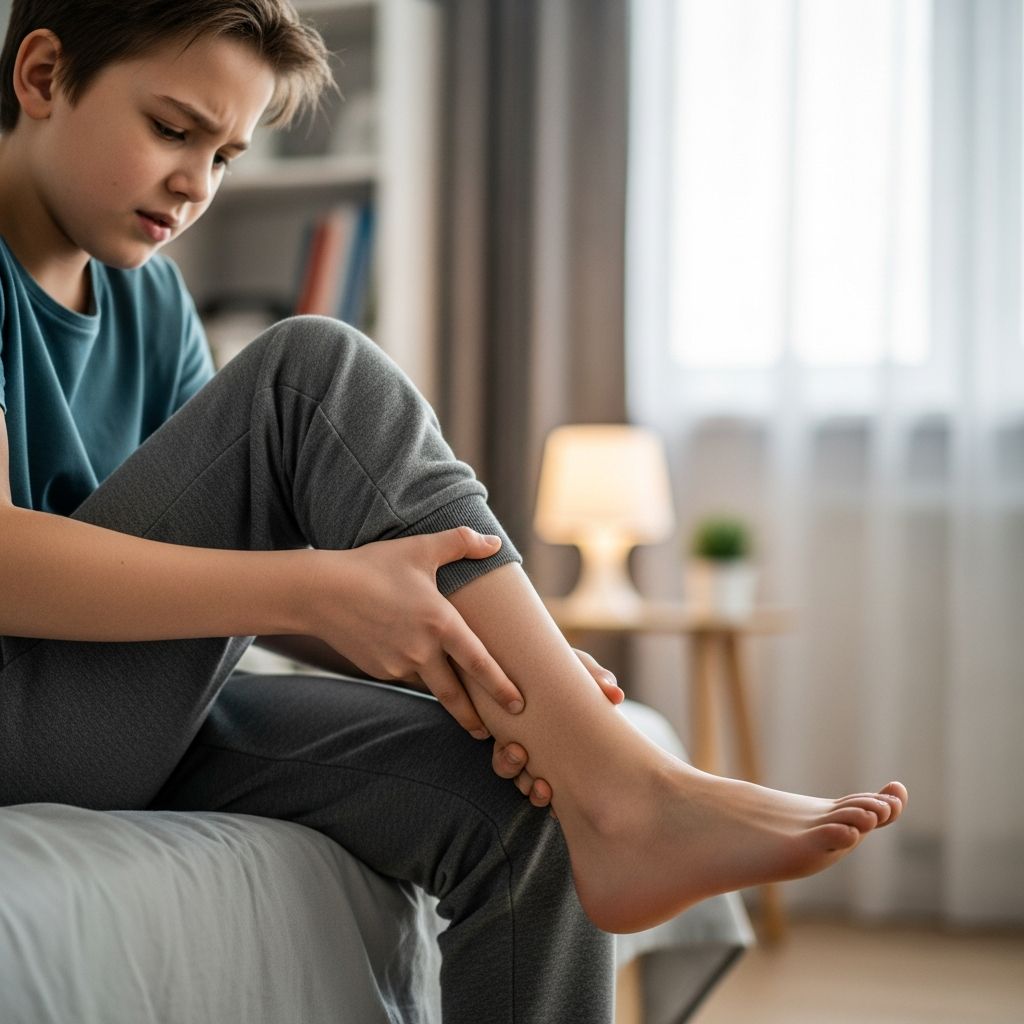
Common signs include stomachaches, sleep disturbances, or excessive clinginess, which can stem from the shift away from the ‘safe harbor’ of home. For children with pre-existing school avoidance, these symptoms may intensify, interfering with daily functioning. Understanding this as a normal response to change helps parents respond empathetically rather than reactively.
Building Emotional Resilience at Home
Parents play a pivotal role in modeling calm amid uncertainty. Demonstrating confidence through steady routines reassures children that school is a secure step forward. Avoid leading questions that plant seeds of doubt; instead, focus discussions on positive aspects like reuniting with friends or engaging in favorite activities.
- Establish consistent morning and evening rituals to create predictability.
- Practice short separations, like brief outings, to gradually build tolerance.
- Validate feelings without over-reassuring, empowering children to self-soothe.
These steps prevent inadvertent reinforcement of anxious behaviors, promoting independence over dependency.
Effective Communication Strategies with Children
Open, age-appropriate dialogues demystify the return to school. Share factual information about safety measures without overwhelming details that could heighten fears. For younger kids, use simple analogies; for teens, discuss real-world changes like updated guidelines.
Encourage questions and express empathy: ‘It’s okay to feel nervous about this change.’ This fosters trust and reduces isolation. Regularly check in post-school to celebrate small wins, reinforcing positive experiences.
Collaborating with Schools for a Smoother Transition
Partnering with educators ensures aligned support. Discuss your child’s needs, such as gradual entry or check-in protocols, to bridge home-school gaps. Schools often implement health protocols that can be highlighted to ease concerns.
| Collaboration Step | Parent Action | Expected Benefit |
|---|---|---|
| Pre-enrollment meeting | Schedule with teacher | Customized adjustment plan |
| Daily progress updates | Request brief notes | Timely intervention on issues |
| Health protocol review | Confirm measures | Boosted family confidence |
Self-Care Routines for Stressed Parents
Parental well-being directly influences family dynamics. Prioritize sleep, exercise, and mindfulness to maintain emotional reserves. Connect with support networks or professionals if anxiety persists, as modeling self-care teaches children resilience.
- Journal worries to externalize stress.
- Practice deep breathing during drop-offs.
- Limit news exposure to designated times.
Age-Specific Guidance for Different Developmental Stages
Preschoolers and Early Elementary
Young children thrive on visual aids and play-based prep. Use stories about school adventures or role-play drop-offs to normalize the experience. Firm, loving goodbyes prevent prolonged separations that escalate distress.
Upper Elementary and Middle Schoolers
These kids benefit from logical explanations of changes. Involve them in packing bags or reviewing schedules to foster ownership. Address peer dynamics by practicing social scenarios at home.
Teens and High Schoolers
Adolescents may internalize stress as irritability. Promote autonomy through discussions on personal safety plans and academic goals. Encourage extracurriculars to rebuild social ties.
Monitoring and Addressing Persistent Challenges
Track patterns in anxiety symptoms; if they disrupt attendance or health, seek professional input. Cognitive-behavioral techniques, like exposure to school-like settings, prove effective. Early intervention prevents escalation into chronic issues.
Leveraging Community and Professional Resources
Many districts offer counseling services or webinars tailored to pandemic transitions. Online platforms from reputable organizations provide tools for home use. Building a support circle amplifies coping capacity.
Frequently Asked Questions
What if my child refuses to go to school?
Implement a structured plan: acknowledge feelings, outline expectations, and use incentives for compliance. Consistency is key; consult specialists if resistance persists beyond two weeks.
How can I hide my own anxiety from my child?
You don’t need to hide it entirely—model healthy coping by saying, ‘I’m feeling worried, so I’m taking deep breaths.’ This teaches emotional regulation transparently.
Is it normal for anxiety to spike after the first week?
Yes, as novelty wears off, underlying fears may surface. Maintain routines and positive reinforcement to sustain progress.
Should I keep my child home if cases rise locally?
Follow school and health authority guidelines. Balance risks with educational benefits, preparing flexible contingency plans.
How long does adjustment typically take?
Most children adapt within 2-4 weeks with supportive strategies, though individual timelines vary.
Long-Term Strategies for Family Well-Being
Beyond immediate transitions, cultivate habits like family meetings to process emotions regularly. Promote physical activity and balanced nutrition to bolster mental health. Celebrate milestones to build lasting confidence.
In summary, proactive preparation transforms back-to-school anxiety into manageable growth opportunities. By leading with empathy, structure, and collaboration, parents empower their families to thrive amid uncertainties.
References
- Returning to School: Separation Problems and Anxiety in the Age of COVID-19 — PMC/NCBI. 2020-07-01. https://pmc.ncbi.nlm.nih.gov/articles/PMC7362323/
- Back-to-School Anxiety During COVID — Child Mind Institute. 2021-08-15. https://childmind.org/article/back-to-school-anxiety-during-covid/
- Easing Back-to-School Anxiety in the COVID Era — Columbia University Irving Medical Center. 2021-09-01. https://www.cuimc.columbia.edu/news/easing-back-school-anxiety-covid-era
- Coping with Back-to-School Anxiety During COVID-19 — Mental Health First Aid. 2021-08-20. https://mentalhealthfirstaid.org/news/coping-with-back-to-school-anxiety-during-covid-19/