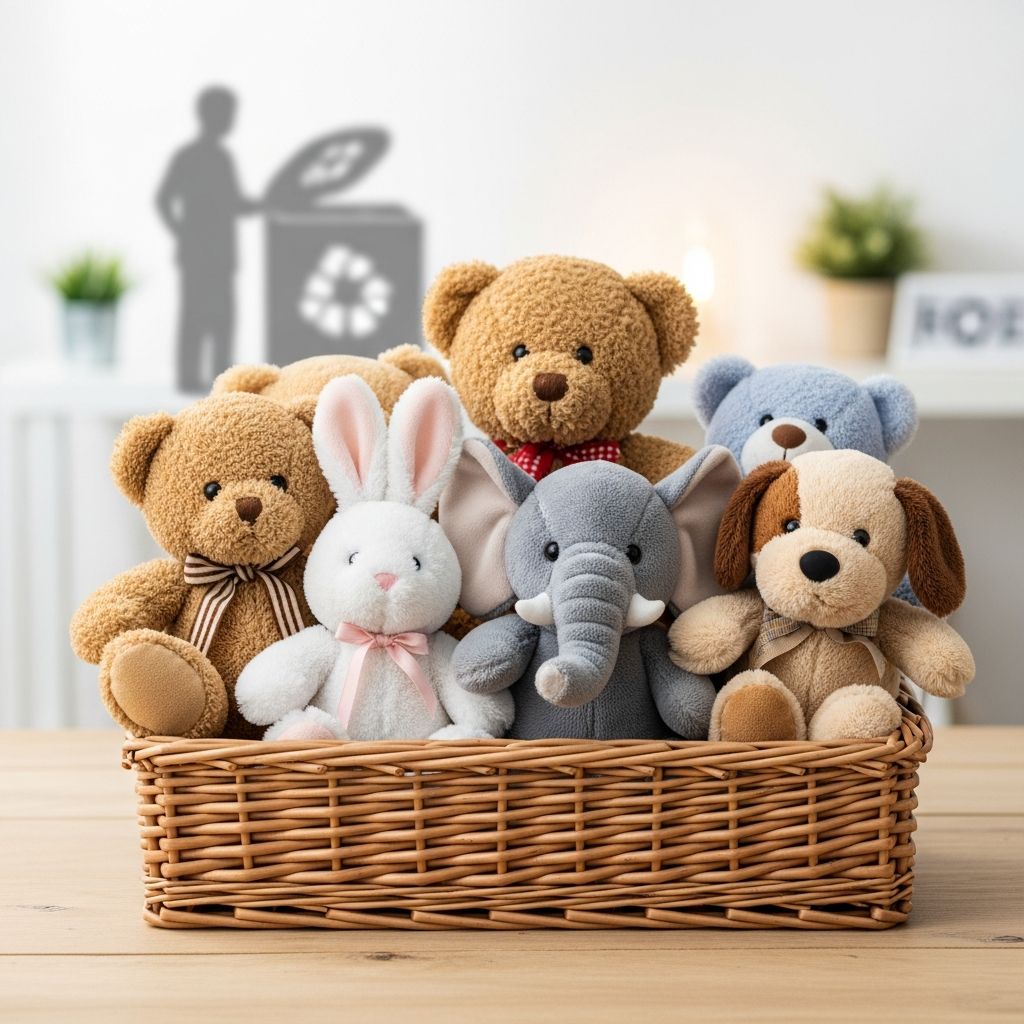
Stuffed animals often hold deep memories, but there comes a time when families need to clear space. Instead of tossing plush toys into the trash, you can often donate them in ways that bring real comfort to children, families, and even animals in need. This guide explains how to donate stuffed animals safely, where to take them, and what to do when organizations cannot accept used toys.
Why Thoughtful Stuffed Animal Donation Matters
Donating plush toys is more than just decluttering. When done responsibly, it can:
- Offer emotional comfort to children facing emergencies, hospital stays, or family transitions.
- Support community organizations that rely on donated toys to serve families with limited resources.
- Reduce waste by keeping usable items out of landfills and extending the life of existing products, which supports environmental sustainability goals.
- Teach kids generosity as they see their once-loved toys find a new home and purpose.
However, because stuffed animals are soft, absorbent, and used closely by children, they raise legitimate hygiene and safety concerns. Many hospitals and children’s programs have strict rules to protect vulnerable kids.
Step 1: Decide Which Stuffed Animals Are Ready to Move On
Before you search for a donation site, streamline your collection. This makes the process faster and more effective.
Questions to Ask Yourself
- Is anyone in the household still emotionally attached to this toy?
- Is it in good enough condition that I would proudly gift it to a friend’s child?
- Does it have sentimental value that might be better preserved in a keepsake box or photo instead of physical storage?
Set aside three basic groups:
- Definite keepers – precious, in regular use, or highly sentimental.
- Good-condition toys – potential donations or items to pass along.
- Damaged or heavily worn toys – likely better suited for recycling or creative reuse than donation.
Step 2: Check Safety and Condition Before Donating
Most organizations that accept used toys insist that plush items are clean, intact, and safe for children. Use this checklist before donating:
- No missing parts: Eyes, noses, and limbs should be firmly attached; avoid anything with loose or broken pieces.
- No exposed stuffing: Seams must be secure, with no holes or tears where stuffing can escape.
- No sharp or damaged components: Remove toys with bent wires, broken internal mechanisms, or hard pieces poking through.
- No strong odors: Toys should be free from smoke, mildew, or heavy perfume, which can trigger allergies.
- No mold or water damage: Any signs of mildew or staining that will not wash out are grounds to retire the toy.
If a toy fails multiple points on this checklist, it is usually not appropriate for donation and is better directed to textile recycling or upcycling projects.
Step 3: Clean Stuffed Animals Thoroughly
Cleanliness is one of the most important requirements for donating plush toys. Many charities and hospitals specify that items must be fully washed before donation.
General Cleaning Guidelines
- Read the care label to see whether the toy can be machine washed, hand washed, or surface cleaned only.
- Use a gentle cycle and mild detergent for machine-washable toys to protect fabrics and seams.
- Place toys in a mesh bag or pillowcase to prevent snagging and reduce wear during washing.
- Air dry completely, ideally in a well-ventilated area or under a fan, to avoid mold and musty smells.
- Brush or fluff the fur with a soft brush once dry to restore softness.
When Washing Is Not Possible
- Surface-only toys (with delicate electronics or special materials) can be gently cleaned with a damp cloth and mild soap, then air dried.
- For organizations with strict safety rules, even surface-cleaned used toys may not be accepted; always confirm their policies in advance.
Step 4: Understand Common Donation Rules
Every organization sets its own standards for toy donations, often influenced by health codes and internal safety reviews. Some children’s hospitals, for example, only accept new toys in original packaging to protect immunocompromised patients.
| Organization Type | Typical Condition Rules | New vs. Used? |
|---|---|---|
| Children’s hospitals | Must meet strict infection-control guidelines | Usually new only, often in original packaging |
| Fire/police departments | Need clean, safe toys for emergencies | Varies; some accept gently used, others new only |
| Family shelters & foster care agencies | Clean, good condition, no hazards | Often accept gently used, depending on policy |
| Thrift stores & resale charities | Saleable, clean items | Usually accept gently used plush toys |
| Specialized toy charities | Follow their own published rules | Some accept used, others new only |
Because policies differ, it is essential to check current requirements on the organization’s website or by phone before you pack a donation.
Step 5: Where to Donate Stuffed Animals
Once your plush toys are clean and sorted, you can explore a range of donation options. Availability will vary by location, so confirm details in your area.
1. Local Nonprofits and Thrift Organizations
Many community charities sell donated goods to fund social programs. Clean, gently used stuffed animals can be valuable to them.
- Community-run thrift shops
- Large charitable resale chains
- Faith-based resale stores
These organizations usually accept gently used toys if they are clean, safe, and likely to sell, but they may decline items in poor condition.
2. Shelters and Family Support Programs
Some shelters and family services offer toys to children during stressful life events.
- Domestic violence and family shelters that house parents and children together.
- Homeless shelters that serve families, particularly those with dedicated children’s spaces.
- Foster care agencies that use toys to help kids feel more secure during transitions.
Many of these groups are grateful for gently used, freshly washed stuffed animals, but they may have storage and safety limits. Contact them first to ask what they currently accept.
3. First Responder Agencies
Police departments, fire departments, and emergency responders sometimes give stuffed animals to children involved in accidents, fires, or other crises to reduce fear and anxiety.
- Call or email the community outreach office for your local department.
- Ask if they have a comfort toy program and whether they accept donations.
- Clarify whether they need new-only toys or will consider gently used and cleaned items.
4. Specialized Stuffed Animal Charities
Some organizations focus specifically on placing stuffed animals with children in need, families in crisis, or partner agencies. These groups often publish detailed cleaning and sorting instructions and may accept donations by mail.
- Review their list of current needs and locations.
- Follow their cleaning guides carefully.
- Label boxes clearly if mailing items so they can be processed quickly.
5. Animal Shelters and Wildlife Rescues
Some animal shelters and rescues use stuffed animals as comfort or enrichment items for dogs, cats, and other animals.
- Ask which sizes and materials are safe for the animals they serve.
- Expect that toys may be chewed or torn quickly, so extremely delicate or collectible items are not a good fit.
6. Community Reuse Networks
If charities near you are not accepting used stuffed animals, you may still be able to rehome them:
- Local community giveaway groups or swap meets
- Neighborhood apps and social networks (using free listings)
- School or daycare lending libraries, if they explicitly invite such donations
These options allow other families to decide directly whether a toy meets their own standards for reuse.
Step 6: Package and Deliver Donations Properly
Once you know where your toys are going, prepare them so the receiving organization can handle them easily and safely.
- Group by type: Pack stuffed animals together by size or type, especially if you are also donating books or clothes.
- Use clean containers: Place toys in sturdy boxes or clean bags instead of loose piles.
- Label clearly: Mark containers with a brief description such as “Clean stuffed animals – gently used.”
- Avoid overpacking: Boxes that are too heavy can break open or be difficult for volunteers to lift.
When Charities Cannot Accept Your Stuffed Animals
It is increasingly common for hospitals and some children’s programs to prohibit used stuffed animals due to infection-control practices and safety rules. If you cannot find a donation site that will accept your items, consider these alternatives:
Textile Recycling
- Some municipal or private textile recycling programs accept plush toys along with clothing and linens.
- Recycled fibers can be used for insulation, industrial materials, or new textiles, which supports waste reduction goals.
Creative Reuse at Home
- Turn favorite but worn animals into memory pillows or quilt squares using their fabric.
- Use stuffing (if clean) for craft projects, draft stoppers, or pet beds.
- Save small, decorative parts—like bows or buttons—for craft bins, but keep them away from young children due to choking risk.
Preserving Sentimental Value
- Photograph especially meaningful toys before letting them go so memories are preserved.
- Invite children to choose a small number of “forever” animals and discuss how the others will help someone else feel loved.
Teaching Kids About Generosity and Safety
Involving children in the donation process can be a powerful learning experience.
- Explain who will receive the donated toys (for example, kids in shelters or families affected by emergencies).
- Show them how you check for safety, reinforcing that we only give items that are safe and clean.
- Invite them to help wash, dry, and pack the toys so they feel part of the giving process.
This not only clears space at home but also helps children develop empathy, responsibility, and a better understanding of how donations work.
Frequently Asked Questions About Donating Stuffed Animals
Q: Can I donate used stuffed animals, or do they have to be new?
A: Many organizations will accept gently used, freshly washed stuffed animals, but some—especially hospitals and certain children’s programs—only accept new toys because of infection-control and safety policies. Always check the current rules of the specific organization before donating.
Q: Are stuffed animals allowed as hospital donations?
A: Children’s hospitals often have strict safety guidelines that prohibit used stuffed animals, and may also limit certain materials or designs; many require toys to be new and in original packaging to protect vulnerable patients. Review the hospital’s official donation page before collecting items.
Q: What condition should toys be in for donation?
A: Toys should be clean, intact, and safe: no missing parts, exposed stuffing, mold, strong odors, or broken electronics. A good rule of thumb is that if you would not comfortably give it to your own child or a friend’s child, it is not suitable for donation.
Q: How should I wash stuffed animals before giving them away?
A: Follow the care label whenever possible. Use a gentle wash cycle and mild detergent for machine-safe toys, then dry them completely to prevent mildew. For surface-only items, wipe them with a damp cloth and mild soap, allowing plenty of time to air dry.
Q: What can I do with stuffed animals no organization will take?
A: If charities nearby cannot accept your plush toys, look into textile recycling programs, creative reuse at home (such as turning them into cushions or pet bedding), or local community giveaway groups where families can decide whether the toys meet their own standards.
References
- Urgent Needs — Stuffed Animals For Emergencies (SAFE). 2024-01-01. https://stuffedanimalsforemergencies.org/urgent-needs
- Can I donate second-hand stuffed animals? A Complete guide — Adada. 2023-05-10. https://adadastore.com/blogs/news/can-you-donate-used-stuffed-animals
- How To Donate Toys and Stuffed Animals — Ace of Hearts Project. 2023-08-15. https://www.aceofheartsproject.com/blog/donate-toys-and-stuffed-animals
- Guide to Donating Stuffed Animals — Shiny Happy World. 2016-12-01. https://www.shinyhappyworld.com/2016/12/guide-to-donating-stuffed-animals.html
- Safety Guidelines for Donated Items — Golisano Children’s Hospital, University of Rochester Medical Center. 2022-09-01. https://www.urmc.rochester.edu/childrens-hospital/ways-to-give/ways-to-donate/safety
- The Dos and Don’ts of Donating Children’s Toys — Project B Green. 2023-02-20. https://projectbgreen.com/the-dos-and-donts-of-donating-childrens-toys/