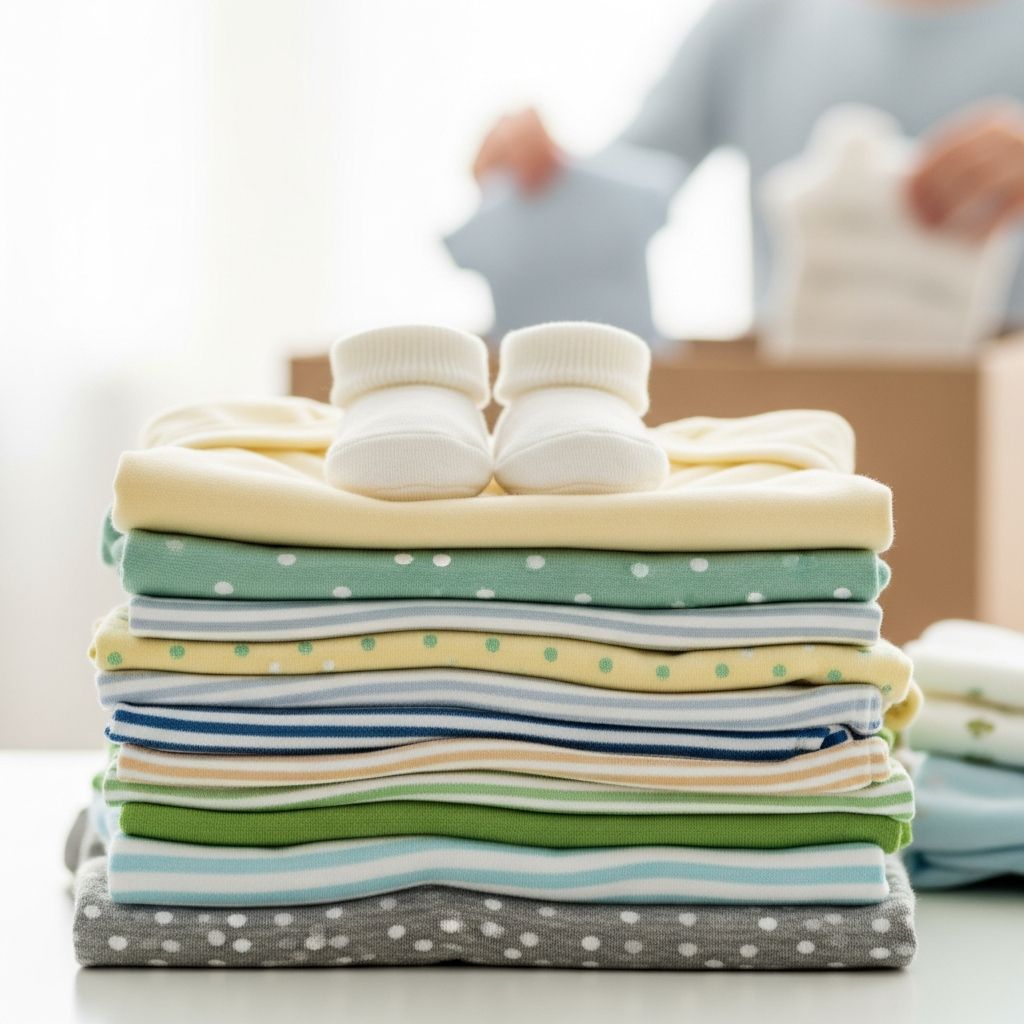
Parents often face overflowing closets as infants quickly outgrow their wardrobes. Donating these items provides a meaningful way to assist other families while promoting sustainability. This guide outlines preparation steps, suitable organizations, and best practices to ensure your contributions make a real difference.
Why Donating Baby Clothes Matters
Outgrown baby garments represent more than just fabric; they embody opportunities to support vulnerable populations. Many low-income families struggle to afford essentials like onesies, sleepers, and jackets. By donating, you directly aid children experiencing homelessness or financial hardship. Organizations like Cradles to Crayons emphasize that clean, quality clothing helps restore dignity and readiness for school or daily life. Additionally, diverting textiles from landfills reduces environmental impact, as clothing decomposition contributes to methane emissions.
Beyond immediate aid, donations fund broader missions. For instance, proceeds from resold items support mentoring programs through groups like Big Brothers Big Sisters. In 2023, similar initiatives distributed thousands of clothing pieces, proving the scale of impact possible from individual contributions.
Preparing Your Baby Clothes for Donation
Success starts with thorough sorting. Begin by gathering all items in one area to assess condition comprehensively.
- Inspect for damage: Discard pieces with holes, tears, or heavy stains, as they cannot be redistributed.
- Check zippers and snaps: Functional hardware ensures usability.
- Evaluate wear: Lightly used items in wearable state are ideal; heavily faded or pilled fabrics may not qualify.
Wash everything before packing. Use gentle detergents to maintain freshness and hygiene, making items ready for immediate use. Fold neatly and bag in clean containers to prevent contamination during transport.
| Condition | Donate? | Alternative |
|---|---|---|
| Gently used, clean | Yes | Charities/shelters |
| Stained or torn | No | Recycle |
| New with tags | Yes (priority) | New item programs |
| Wet or moldy | No | Trash/dispose |
This table summarizes quick decisions, streamlining your process.
Types of Baby Clothes Most Needed
Charities prioritize versatile, seasonal essentials. Focus on these high-demand categories:
- Infant onesies, sleepers, and bodysuits in newborn to 24-month sizes.
- Toddler pants, shirts, and dresses for ages 2-5.
- Seasonal coats, jackets, and snowsuits for winter protection.
- New socks, underwear, and pajamas for hygiene reasons.
- Shoes like sneakers or boots starting from toddler size 8.
Accessories such as hats, mittens, and bibs also welcome if in good shape. Organizations like Circle of Hope seek maternity wear alongside baby items to support expecting mothers.
Local Charities and Shelters Accepting Donations
Target community-based groups for direct impact. Women’s and family shelters often need baby clothes urgently.
- Clothes to Kids RI: Serves school-age children from low-income families with pants, shirts, new underwear/socks, shoes, and coats. Referrals via schools or agencies.
- Circle of Hope: Focuses on homeless individuals; accepts new/like-new infant clothing, tops, pants, jackets, and maternity wear in small bags.
- Cradles to Crayons: Provides clothing, new socks/underwear, pajamas, shoes, and diapers to children in poverty. Notes high need for infant/toddler sizes and winter gear.
Research local branches, as needs vary by region. Call ahead to confirm current shortages.
National Organizations with Pickup Services
For convenience, use services offering free home collection. These partners with nonprofits handle logistics seamlessly.
- Pickup Please: Accepts all used baby/toddler clothes and accessories. Schedule online, label bags, and leave curbside—receipt provided for taxes.
- Planet Aid: Takes gently used kids’ pants, shirts, jackets, socks (new/gently used), shoes, and bedding. Avoid wet, soiled, or moldy items.
- Big Brothers Big Sisters: Drop off bagged clothing/linens at centers; supports youth mentoring programs.
These options suit busy parents, with drivers collecting rain or shine.
Specialized Programs for Baby Essentials
Beyond clothing, some accept gear and supplies. Room to Grow stocks boutiques with excellent-condition baby/toddler items. Project B Green offers pickups for clothes, toys, books, and shoes, emphasizing research into charity efficiency.
Prepare kits like welcome baby bags with onesies, blankets, and hygiene items for groups like Circle of Hope.
Eco-Friendly Options for Un捐atable Items
Not all clothes qualify for reuse. Textile recyclers process unwearable pieces into wiping rags, insulation, or fibers, preventing landfill waste. Search for local centers via municipal sites. Programs like Planet Aid divert millions of pounds annually through responsible sorting.
Tax Benefits and Documentation
Donations to 501(c)(3) nonprofits qualify for deductions. Retain receipts detailing items and fair market value. Services like Pickup Please provide these automatically. Apps or spreadsheets track contributions for year-end filing.
Frequently Asked Questions (FAQs)
Can I donate stained baby clothes?
No, charities reject stained or damaged items to ensure quality for recipients. Opt for recycling instead.
What about new underwear or socks?
Many require these brand new in packaging for hygiene; used ones are rarely accepted.
Do donation pickups cost anything?
No, reputable services like Pickup Please are free, with tax receipts included.
How often should I sort baby clothes?
Every 2-3 months, as babies outgrow sizes rapidly—align with growth spurts.
Can I donate baby shoes or accessories?
Yes, clean sneakers, boots, hats, and bags are often needed, especially school-appropriate ones.
Getting Started: Actionable Steps
1. Sort and clean items today.
2. Research 2-3 local/national options.
3. Schedule drop-off or pickup.
4. Keep records for taxes.
5. Recycle the rest.
Regular decluttering fosters organized spaces and community goodwill. Your actions create ripples of support for families nationwide.
References
- What You Can (and Can’t) Donate to Planet Aid — Planet Aid. N/A. https://www.planetaid.org/blog/donate-your-gently-used-items-to-planet-aid
- 5 Things To Keep in Mind When Donating Used Baby Clothes — Project B Green. N/A. https://projectbgreen.com/5-things-to-keep-in-mind-when-donating-used-baby-clothes/
- Donation Guidelines — Clothes to Kids RI. N/A. https://clothestokidsri.org/donate/donation-guidelines/
- Donate Baby Clothes — Pickup Please. N/A. https://pickupplease.org/donate-baby-clothes/
- Donate Clothing — Circle of Hope. N/A. https://www.circleofhopeonline.org/donateclothing
- Donated Items We Accept — Cradles to Crayons. N/A. https://www.cradlestocrayons.org/boston/take-action/donate-goods/items-we-accept/
- Donate Cloth & Linen — Big Brothers Big Sisters of Rhode Island. N/A. https://bigsri.org/donateri