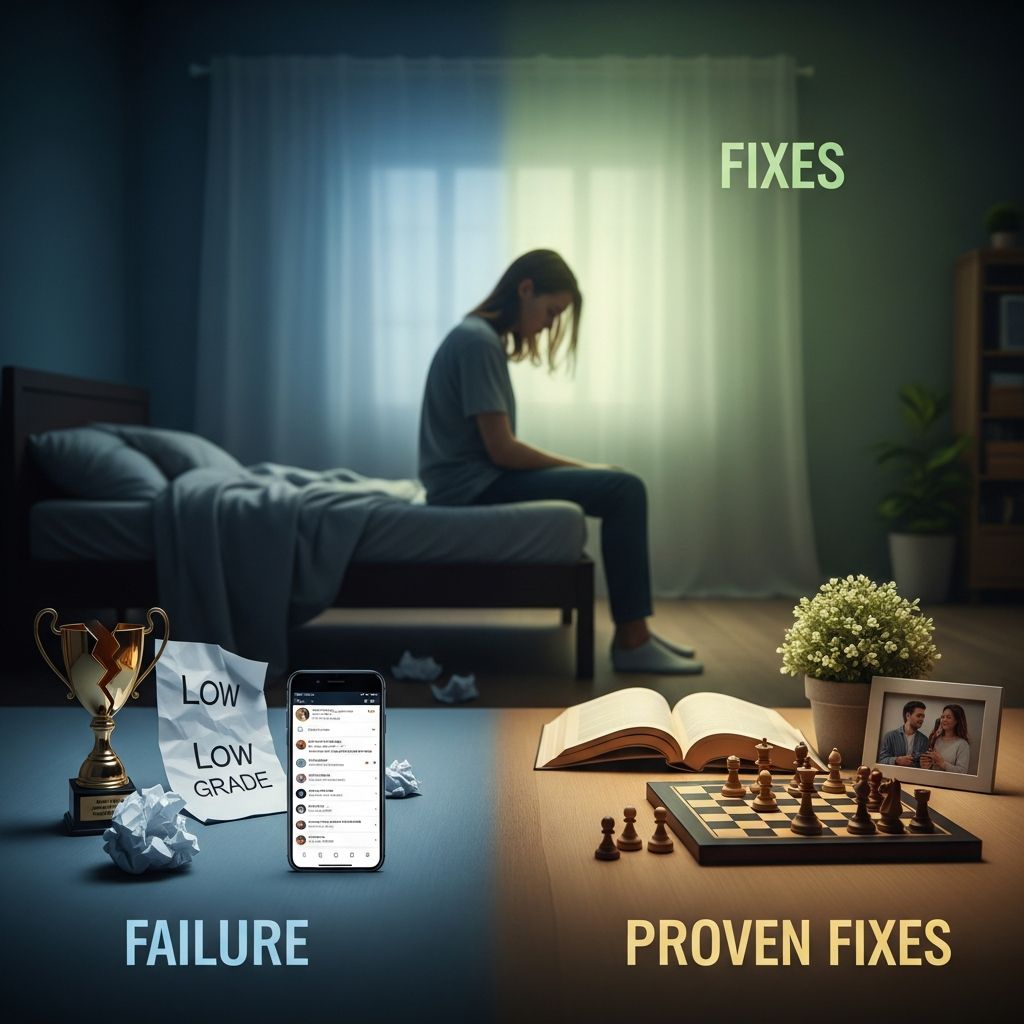
Parenting teenagers often feels like navigating a minefield, where well-intentioned discipline strategies lead to more conflict rather than resolution. Many parents report frustration when punishments like grounding or privilege removal yield temporary compliance at best, or escalate defiance at worst. This stems from fundamental mismatches between teen psychology and adult expectations. Understanding the brain science, emotional drivers, and pitfalls of ineffective approaches empowers parents to shift toward strategies that promote genuine growth and accountability.
The Science of Teen Decision-Making
Adolescent brains undergo significant restructuring, particularly in areas governing impulse control and risk assessment. The prefrontal cortex, responsible for long-term planning and consequence evaluation, matures last, creating a temporary imbalance where teens prioritize immediate rewards and peer validation over potential downsides. This developmental phase explains why even high-achieving youth engage in reckless actions, not due to inherent ‘badness’ but neurological reorganization.
Emotional dysregulation compounds this, as surging hormones amplify reactions to stress or rejection. Teens may override logic with raw feelings, leading to outbursts or withdrawal. Unprocessed stressors like academic pressure or social anxieties manifest as rebellion, signaling unmet needs rather than deliberate malice. Recognizing these as symptoms rather than the core issue reframes discipline from punishment to support.
Common Discipline Pitfalls Exposed
Reactive parenting, driven by parental anger or exhaustion, often deploys harsh measures that reinforce negative cycles. Punishments delivered with emotion backfire by fueling teen resentment and power struggles, where defiance becomes a bid for control. Overly severe restrictions, such as blanket device bans, provoke sneaky workarounds or apathy, eroding trust without imparting lessons.
Inconsistency further undermines efforts; sporadic enforcement teaches teens they can ‘wait out’ consequences, diminishing their impact. Exclusive focus on negatives—without celebrating positives—breeds defeatism, where youth internalize a ‘hopeless’ self-view, perpetuating poor choices. Physical or shaming tactics harm self-esteem and relationships, as affirmed by psychological consensus on their long-term damage.
Decoding Hidden Signals in Teen Behavior
Defiant acts frequently mask deeper communications. A teen skipping school might convey overwhelming anxiety about failure, while aggression could stem from feeling powerless amid changes. Thrill-seeking often compensates for emotional voids, and peer-driven risks reflect identity quests in an underdeveloped brain seeking belonging.
- Control Craving: Boundary-pushing asserts autonomy in a world of flux.
- Fear of Failure: Avoidance preempts perceived inadequacy.
- Identity Flux: Experimentation tests emerging self-concepts.
- Unspoken Pain: Outbursts vent isolation or trauma echoes.
- Belonging Hunger: Risky alliances fulfill social voids.
Addressing these roots requires empathetic inquiry over snap judgments, fostering dialogue that uncovers motivations and builds alliance.
Hierarchy of Effective Consequences
Not all consequences equate; their utility hinges on relevance and logic. Prioritize types that mirror real-world logic, minimizing parental enforcement battles. This framework, adapted from clinical insights, ranks options from optimal to suboptimal.
| Type | Description | Effectiveness | Example |
|---|---|---|---|
| Natural | Life’s inherent outcomes, no adult intervention | Highest | Late-night outing leads to exhaustion and missed school |
| Relevant | Directly tied to infraction, corrective focus | High | Sloppy chores require redoing them properly |
| Related | Logically connected, promotes reflection | Moderate | Speeding ticket paid from teen’s earnings |
| Significant | Privilege loss, indirect motivation | Lowest | No gaming until homework completes |
Natural consequences shine by bypassing arguments—teens can’t dispute ‘reality’s teacher.’ Relevant and related types build understanding through clear cause-effect links, steering toward better decisions. Reserve significant ones strategically, as they risk entrenching opposition in resilient teens.
Implementing Consequences with Precision
Effectiveness demands consistency paired with positivity. Enforce calmly, sans threats, explaining rationale upfront: ‘This helps you learn from choices.’ Follow through every time to establish reliability, but balance with praise for compliance—’I appreciate how you owned that.’
Structure delivery for success:
- Preempt: Discuss expectations and outcomes proactively.
- Act Promptly: Apply immediately post-infraction for association.
- Debrief: Post-consequence talks explore lessons without lecturing.
- Reinforce: Reward progress to sustain momentum.
Avoid rescuing from fallout, as it robs learning opportunities. Instead, guide reflection: ‘What might you do differently next time?’
Building Long-Term Resilience
Beyond immediate fixes, cultivate skills for adulthood. Teach problem-solving via role-play scenarios, empowering teens to anticipate outcomes. Model accountability by owning parental missteps, demonstrating growth mindsets.
Foster emotional literacy through check-ins: ‘How are you feeling about school pressures?’ This validates experiences, reducing rebellion’s appeal. Encourage peer discernment, highlighting healthy influences versus risky ones.
For persistent issues, integrate routines like family meetings for collaborative rule-setting, enhancing buy-in. Track patterns in a shared journal to spot triggers collaboratively.
When to Escalate: Red Flags and Support
Standard strategies falter against deeper woes. Monitor for:
- Legal entanglements or substance involvement
- Chronic aggression or self-harm risks
- Academic collapse despite aid
- Communication shutdowns
- Persistent mood crashes
These signal potential disorders like impulse control challenges or depression, warranting professional input. Therapists or programs provide tailored interventions, from cognitive-behavioral tools to residential support, preventing escalation.
Parental self-care is vital—seek peer groups or coaching to combat burnout, ensuring sustained effectiveness.
Frequently Asked Questions
Why does my teen ignore punishments?
Teens often dismiss parent-imposed penalties due to brain immaturity prioritizing short-term gains, resentment buildup, or irrelevance to their motivations. Shift to logical, natural outcomes for better traction.
Are natural consequences always safe?
No—supervise to prevent harm, like intervening in dangerous risks while allowing minor fallout like a low grade from procrastination.
How long until changes stick?
Weeks to months with consistency; track small wins to build momentum, adjusting as maturity advances.
What if my teen has trauma history?
Punitive approaches exacerbate cycles—prioritize therapy addressing roots, using gentle, empathetic boundaries.
Can positive reinforcement replace consequences?
It complements but doesn’t supplant; pair both for balanced growth, emphasizing efforts over perfection.
Real-World Success Blueprint
Consider a teen chronically late: Instead of generic grounding, enforce relevant loss—one late night equals earlier curfew next. Debrief: ‘How did tiredness affect your day?’ Over time, patterns shift as ownership emerges.
Another: Gaming addiction disrupting studies. Natural: Grades slip, losing team spots. Related: Tutoring sessions before play. Positivity: Commend homework completion with extra time. This multi-pronged method yields sustainable habits.
Parents report breakthroughs when viewing teens as ‘under-construction’ rather than adversaries. Patience, paired with science-informed tactics, transforms turmoil into teamwork. Consistent application not only curbs issues but equips youth for life’s unscripted challenges.
References
- Consequences versus punishment — Evergreen Psychotherapy Center. Accessed 2026. https://evergreenpsychotherapycenter.com/consequences-versus-punishment/
- Are You Using Ineffective Consequences With Your Teen? — InTune Family. 2023-07-06. https://www.intunefamily.com/blog/are-you-using-ineffective-consequences-with-your-teen
- Why Good Kids Make Bad Choices: The Psychology Behind Teen Rebellion — Liahona Academy. Accessed 2026. https://liahonaacademy.com/why-good-kids-make-bad-choices-the-psychology-behind-teen-rebellion.html
- How to Support a Child Who Seems Unaffected by Consequences — Emora Health. Accessed 2026. https://www.emorahealth.com/resources/child-unaffected-by-consequences
- Physical discipline is harmful and ineffective — American Psychological Association (APA). 2019-05. https://www.apa.org/monitor/2019/05/physical-discipline