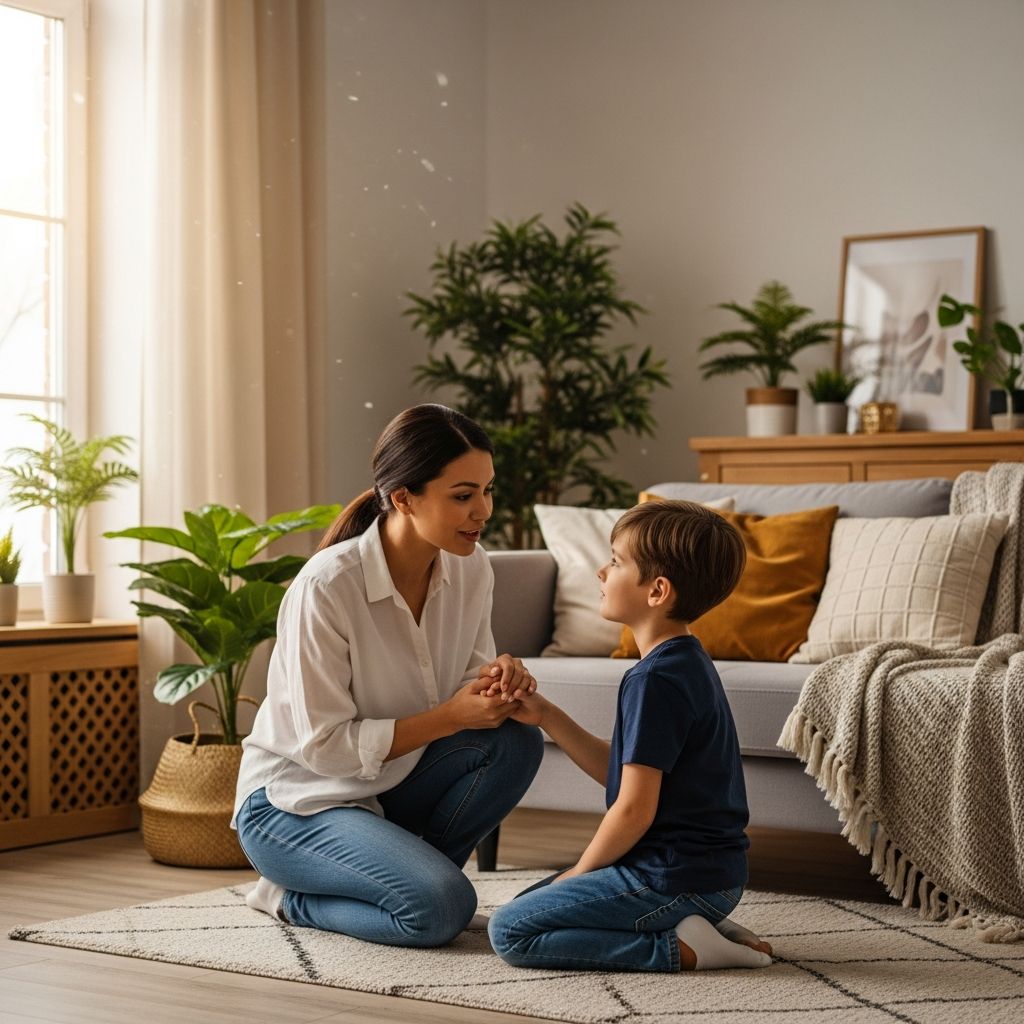
Many parents find themselves raising their voices in frustration during challenging moments with children. However, research shows that consistent calm approaches foster better long-term behavior and emotional health in kids. This article explores practical, evidence-based techniques to guide children effectively without shouting, drawing from positive discipline principles.
Why Yelling Falls Short and Calm Methods Excel
Yelling often stems from momentary stress but can erode trust and model poor emotional regulation for children. Studies indicate that harsh verbal discipline like shouting increases child anxiety and aggression over time. In contrast, strategies emphasizing connection and clear expectations promote cooperation and self-control.
Parents who shift to calm techniques report fewer conflicts and stronger relationships. Key benefits include reduced misbehavior through proactive bonding and teaching kids to manage their own emotions by example.
Build Daily Connection Rituals
One foundational practice is dedicating short, focused one-on-one time with each child daily. Spend 10-15 minutes letting them lead the activity—whether building blocks, reading, or playing a game—without interruptions or directives. This fills their emotional needs upfront, minimizing attention-seeking behaviors that trigger parental frustration.
- Choose a consistent time, like after school or before bed.
- Follow the child’s lead entirely to make them feel valued.
- Avoid screens or chores during this window for full presence.
Regular connection time acts as a buffer against defiance, as children feel secure and less likely to test limits.
Implement Logical Consequences Effectively
Instead of yelling reminders, establish clear, related consequences in advance. For children ages 2.5 and up, define expectations and outcomes tied directly to actions. For example, if a child refuses to tidy toys, the consequence might be pausing playtime until organized.
| Misbehavior | Expectation | Logical Consequence |
|---|---|---|
| Not putting away shoes | Shoes in designated spot before play | No outdoor play until done |
| Running in the house | Walk indoors | Sit for 2 minutes to calm down |
| Ignoring bedtime routine | Complete steps independently | Later start to next day’s fun activity |
Discuss these calmly beforehand so kids understand choices and results, eliminating the need for raised voices.
Master In-the-Moment Calm Responses
When tensions rise, such as during a store meltdown, prioritize empathy before correction. Acknowledge feelings first: “I see you’re upset about not getting candy.” This validates emotions, de-escalating the situation. Then, restate limits firmly but softly.
Getting physically close—kneeling to eye level—ensures attention without shouting. Use short, positive instructions like “Walk please” instead of “Stop running!” Proximity and specificity cut through distractions effectively.
The Power of Whispering and Low Voices
A counterintuitive yet powerful tool is responding in a whisper during outbursts. When a child’s volume spikes, drop yours to a near-inaudible level. They must quiet down to hear, shifting focus instantly. Pair it with a distraction, like a whispered silly fact, to redirect energy positively.
- Works best for immediate attention grabs.
- Builds intrigue, as kids love ‘secrets.’
- Models volume control naturally.
Proactive Routines to Prevent Conflicts
Anticipate trouble spots by creating visual aids like chore charts or to-do lists. Prep the night before—lay out clothes, pack bags—to smooth mornings. Consistent routines reduce nagging opportunities, as kids know what’s expected.
Notice and praise positive actions specifically: “Great job packing your bag quickly—that helped us leave on time!” Positive reinforcement encourages repetition far more than criticism.
Staying Composed Under Pressure
Maintaining calm requires self-awareness. Spot personal triggers early, like fatigue, and take a breath or count to 10 before reacting. Step away briefly if needed, modeling healthy breaks for kids.
Practice self-care daily—exercise, sleep, or quiet time—to build resilience. If you slip and yell, apologize promptly: “I’m sorry I raised my voice; I was frustrated. Let’s try again calmly.” This teaches accountability.
Clear Communication Techniques
Deliver directions at eye level with brief, actionable language. Preempt questions by including reasons: “Brush teeth now so we can read your story.” Frame non-essentials as requests: “Could you grab my keys?” Gratitude follows compliance: “Thanks for helping—that made my day easier.”
For kids with attention challenges, repeat calmly after a pause, ignoring distractions until followed.
Frequently Asked Questions
Can these strategies work for toddlers under 2?
Yes, adapt with simpler routines and more physical closeness; focus on connection time and modeling calm.
What if my child ignores calm instructions?
Stay consistent, use proximity, and follow through with pre-set consequences without emotion.
How long until we see changes?
Most parents notice improvements in 1-2 weeks with daily practice, though full habits take a month.
Does this mean no discipline at all?
No—discipline shifts to teaching through calm guidance and natural outcomes, not punishment.
What about when I’m really stressed?
Prioritize self-care and short breaks; even partial implementation reduces yelling over time.
Long-Term Benefits for Family Dynamics
Adopting these methods not only curbs yelling but cultivates resilient, communicative children. Families report deeper trust, fewer power struggles, and improved emotional intelligence. Consistent calm parenting aligns with recommendations from child health experts for fostering secure attachments.
Track progress with a simple journal: note triggers, strategies used, and outcomes. Adjust as needed for your family’s unique needs.
References
- Alternatives to yelling: Nurturing healthy communication with children — Manning Children’s. 2023-12-01. https://www.manningchildrens.org/news-blog/2023/december/alternatives-to-yelling-nurturing-healthy-commun/
- 4 Proven Parenting Strategies That Work Better Than Yelling — Positive Parenting Solutions. N/A. https://www.positiveparentingsolutions.com/positive-parenting-strategies-better-than-yelling/
- What’s the Best Way to Discipline My Child? — HealthyChildren.org (American Academy of Pediatrics). N/A. https://www.healthychildren.org/English/family-life/family-dynamics/communication-discipline/Pages/Disciplining-Your-Child.aspx
- How to Get Kids to Listen Without Yelling — Nemours Blog. 2019-10-01. https://blog.nemours.org/2019/10/how-to-get-kids-to-listen-without-yelling/
- How to stop yelling at your kids: try these parenting strategies — Triple P Parenting. N/A. https://www.triplep-parenting.com/us/articles-and-news/post/how-to-stop-yelling-at-your-kids/