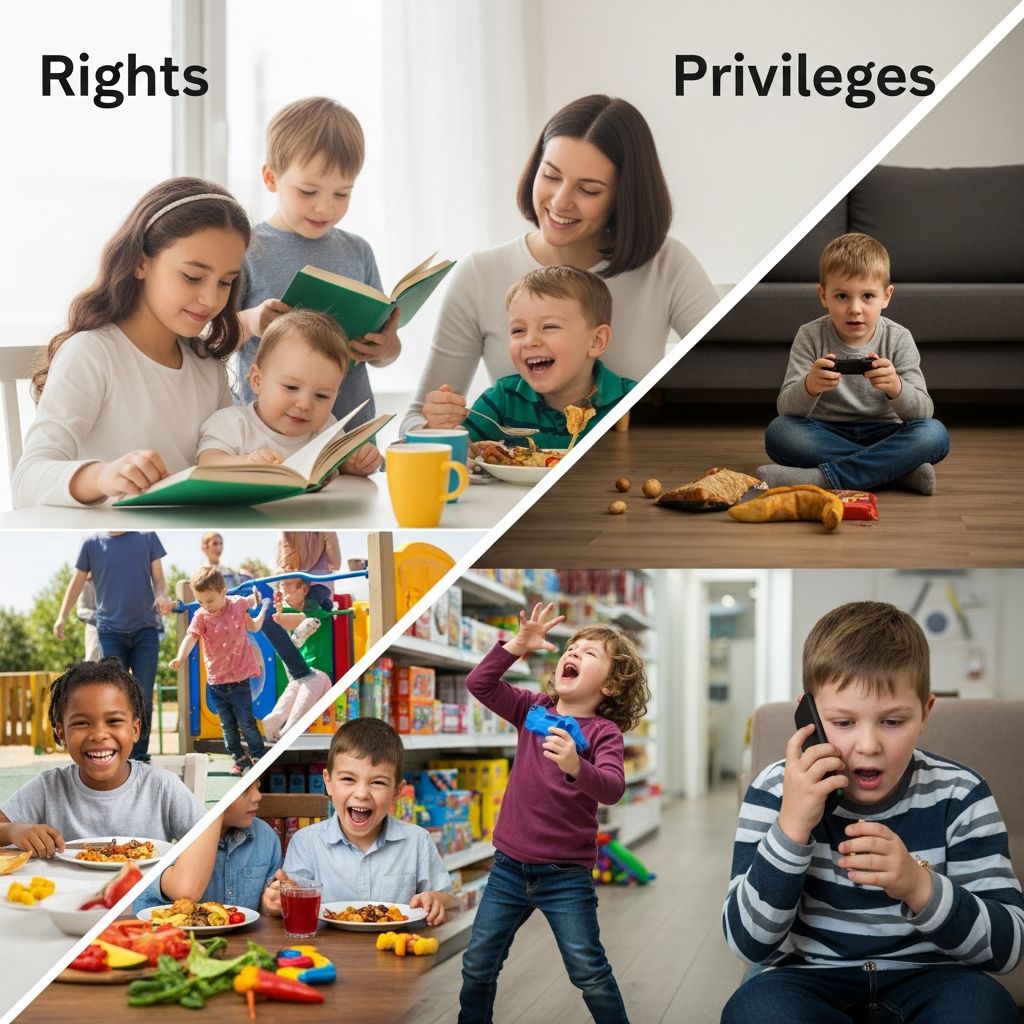
At around two years old, children enter a phase of rapid development marked by intense curiosity, budding independence, and frequent emotional outbursts. This “terrible twos” period challenges parents to balance nurturing with structure. Discipline, meaning “to teach,” focuses on guiding behavior positively rather than punishment. Effective strategies emphasize empathy, consistency, and age-appropriate responses to help toddlers learn self-regulation.
Understanding Toddler Development and Behavior
Two-year-olds have limited language skills, impulse control, and emotional maturity. Their brains are wired for exploration, but prefrontal cortex development—responsible for decision-making—lags behind. Tantrums arise from frustration when desires outpace abilities. Recognizing this as normal helps parents respond patiently.
- Limited vocabulary: Toddlers express needs through actions, leading to meltdowns.
- Seeking autonomy: “No” becomes a favorite word as they test boundaries.
- Emotional intensity: Big feelings overwhelm small bodies, requiring adult co-regulation.
According to the American Academy of Pediatrics (AAP), positive discipline builds secure attachments and long-term self-control.
Building a Foundation with Daily Routines
Consistent routines provide security, reducing power struggles. Predictable schedules for meals, naps, and playtime help toddlers anticipate transitions, minimizing resistance.
| Daily Routine Element | Benefits for 2-Year-Olds | Implementation Tips |
|---|---|---|
| Morning Wake-Up | Establishes calm start | Consistent wake time, simple breakfast choice |
| Playtime Blocks | Channels energy positively | Alternate free play with guided activities |
| Bedtime Wind-Down | Promotes better sleep | Bath, story, dim lights 30 minutes before bed |
| Meal Times | Reduces hunger tantrums | Offer two healthy options to empower choice |
Routines align with circadian rhythms, improving mood and cooperation, as supported by CDC child development guidelines.
Positive Reinforcement: Celebrating Good Choices
Praise specific behaviors to encourage repetition. Instead of generic “good job,” say “I love how you shared your toy—that made your friend smile!” This reinforces neural pathways for positive actions.
- Specific praise: Targets exact good deeds.
- Immediate feedback: Links action to reward.
- Small rewards: Stickers or extra story time for milestones.
Research from the National Institute of Child Health shows positive reinforcement increases desired behaviors by 30-50% in toddlers.
Empathy as the First Response to Misbehavior
Validate feelings before correcting actions. Squat to eye level and say, “You seem mad because you want the red cup. It’s okay to feel upset.” Empathy diffuses tension, teaching emotional literacy.
Steps for empathetic correction:
- Acknowledge emotion: Mirror feelings with tone and words.
- Set limit: Calmly state the boundary, e.g., “Balls are for gentle bouncing.”
- Offer alternative: “Let’s bounce it outside together.”
This approach, recommended by child psychologists, fosters trust and reduces defiance.
Time-Ins: Connecting During Calm-Down Moments
Unlike isolation, time-ins involve sitting with your child to co-regulate emotions. Hold them close, breathe deeply together, and name feelings until calm returns. This builds emotional security.
- Ideal for intense tantrums.
- Models self-soothing techniques.
- Short duration: 1-2 minutes per year of age.
Studies indicate time-ins improve attachment and decrease future outbursts compared to time-outs.
Redirection and Distraction Techniques
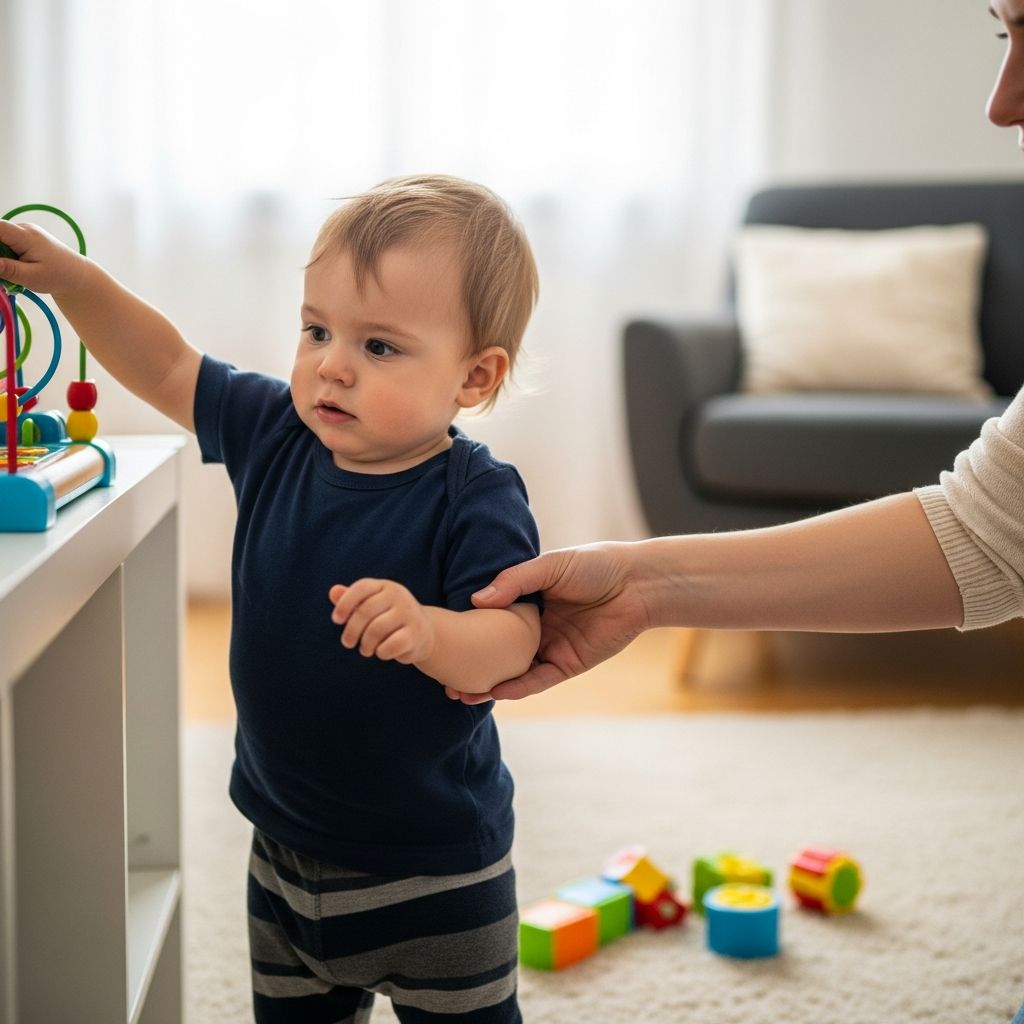
Toddlers’ short attention spans make redirection powerful. If reaching for a fragile item, swiftly offer a safe toy: “Let’s play with blocks instead!” Distraction shifts focus without confrontation.
Pro tips:
- Use novelty: Sing a song or start a game.
- Pair with choice: “Truck or ball?”
- Avoid during minor issues; save for escalation prevention.
Logical Consequences and Fines
Link repercussions to actions for learning. Throwing food? Plate goes away: “Food stays on plate, or bye-bye dinner.” This teaches natural outcomes without anger.
For toys: Remove misused items temporarily. Explain briefly: “Cars are for roads, not walls.” Reinstate after reflection, praising return.
Consistency is key—follow through every time to build reliability.
Handling Common Challenges: Tantrums and Defiance
Tantrum toolkit:
- Stay calm: Your composure models control.
- Ignore safely: For non-dangerous fits, walk away briefly.
- Post-tantrum talk: “You were sad; next time, use words.”
- Prevent triggers: Hunger, tiredness fuel 70% of episodes.
Defiance often tests limits; respond with firm, short phrases repeated patiently.
The Role of Parental Modeling
Toddlers imitate adults. Use polite language, manage your anger visibly (“I’m taking deep breaths to calm down”), and apologize for mistakes. This demonstrates accountability.
Family consistency across caregivers prevents confusion. Discuss rules in advance for unified front.
Age-Appropriate Expectations and Choices
Offer limited options to empower without overwhelming: “Apple or banana?” This satisfies autonomy needs, reducing “no” battles.
Avoid over-explaining; use 1-2 word commands: “Shoes on.” Simple instructions match cognitive capacity.
Play-Based Learning for Better Behavior
Incorporate discipline into play. Role-play sharing with dolls: “Your turn, my turn.” Turn cleanup into a race. Fun associations make lessons stick.
Daily physical activity—park time, dancing—burns energy, curbing restlessness.
Monitoring Progress and When to Seek Help
Track improvements in a journal. Celebrate small wins. If aggression persists or regresses developmentally, consult a pediatrician to rule out underlying issues.
AAP advises professional input for behaviors impacting safety or daily function.
Frequently Asked Questions (FAQs)
What if time-ins don’t stop the tantrum?
Combine with safe ignoring. Ensure basic needs are met; most pass in 5-10 minutes. Consistency yields results over time.
How do I discipline consistently with daycare?
Share your strategies via a simple handout. Align on core rules like no hitting.
Is it okay to raise my voice?
Avoid yelling; it models poor regulation. Use firm tone instead.
What’s the best age for timeouts?
Time-ins suit 2-year-olds better; transition to short timeouts around 3.
How much screen time for discipline aid?
Limited; AAP recommends none under 18 months, 1 hour max for 2-5 years, interactive only.
References
- Bright Futures Guidelines for Health Supervision — American Academy of Pediatrics. 2021-05-15. https://publications.aap.org/pediatrics/article/148/1/e2021054137/180862
- Positive Parenting Tips: Toddlers (2–3 years old) — Centers for Disease Control and Prevention. 2024-08-01. https://www.cdc.gov/parents/essentials/toddler/index.html
- Positive Discipline for Young Children — National Institute of Child Health and Human Development. 2023-02-10. https://www.nichd.nih.gov/publications/pubs/documents/positive_discipline_young_children.pdf
- Emotional Development in Preschoolers — Zero to Three. 2025-01-05. https://www.zerotothree.org/resource/emotional-development-in-toddlers