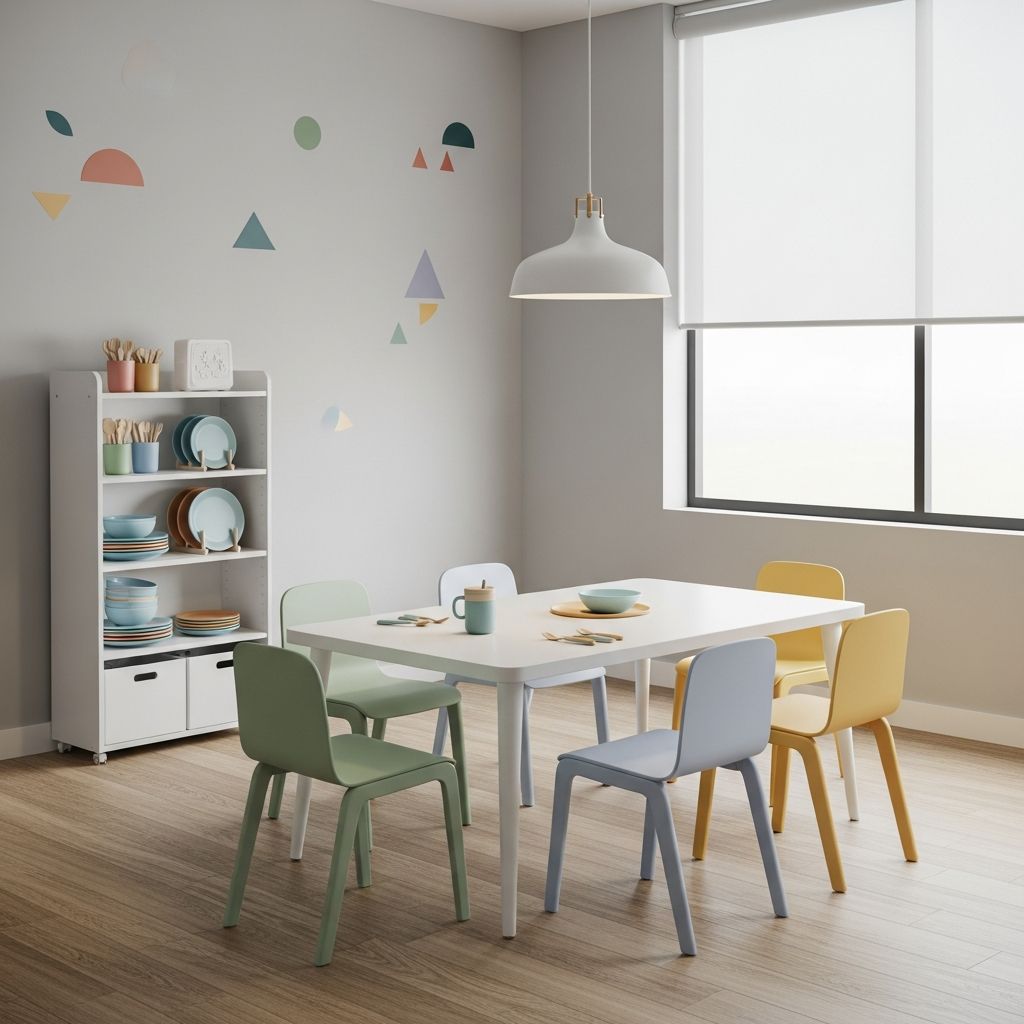
Establishing Functional Dining Zones for Children
Creating dedicated dining spaces for children requires thoughtful planning that balances practicality with visual appeal. Whether you’re working with a compact apartment, a sprawling family home, or an outdoor deck, integrating child-scaled furniture into your existing layout presents both challenges and opportunities. The key lies in understanding how children interact with their environment and designing spaces that support their development while fitting seamlessly into your household’s overall aesthetic.
A well-designed kids’ dining area serves multiple purposes beyond simple meals. It becomes a hub for creative activities, social learning, and family bonding. By thoughtfully selecting furniture, considering safety elements, and incorporating flexible design features, you can create an environment where children thrive while you maintain an organized and attractive home.
Selecting Age-Appropriate Furniture Dimensions
The foundation of any successful children’s dining space begins with properly scaled furniture. Standard adult-height tables and chairs don’t accommodate young children’s proportions, leading to discomfort and poor posture during meals and activities. Child-sized tables typically stand 20-24 inches tall, paired with chairs sized to allow children’s feet to rest flat on the ground—a crucial factor for comfort and proper digestion.
When selecting dimensions, consider the ages of your children and how long you plan to use the pieces. Some families opt for adjustable or convertible furniture that grows with their children, while others prefer replacing pieces as their kids mature. Measuring your available floor space is equally important, as even child-sized tables require clearance for movement and functionality.
- Toddler tables: 16-18 inches tall, accommodating ages 2-4
- Early childhood tables: 20-22 inches tall, suitable for ages 4-7
- Transitional tables: 24-26 inches tall, bridging toward adult furniture for ages 7-10
- Multi-height options: Adjustable tables that accommodate different age ranges
Material Selection for Durability and Maintenance
Children’s furniture endures significant wear and tear through spills, stains, sticky fingers, and constant use. Selecting appropriate materials dramatically affects how well your investment performs over time and how much maintenance your dining space requires. Quality materials also contribute to safety, longevity, and overall satisfaction with your purchase.
Plastic and resin materials dominate the child furniture market for good reason. These non-porous surfaces resist staining and moisture absorption, making cleanup remarkably simple—a quick wipe with a damp cloth often suffices. High-quality plastic formulations withstand years of use without degrading, UV exposure without fading, and temperature fluctuations without warping.
Wood furniture treated with child-safe finishes offers aesthetic appeal and durability. Laminated wood surfaces provide stain resistance similar to plastic while delivering a more sophisticated look that integrates better with adult décor. Natural wood with matte finishes adds warmth but requires more diligent maintenance to prevent permanent marking.
| Material Type | Durability Rating | Maintenance Level | Aesthetic Appeal | Cost Range |
|---|---|---|---|---|
| Heavy-Duty Plastic | Excellent | Minimal | Modern, Colorful | Budget-Friendly |
| Laminated Wood | Very Good | Low | Versatile | Mid-Range |
| Natural Wood | Good | Moderate | Classic, Warm | Premium |
| Metal Frame with Fabric | Good | Moderate-High | Contemporary | Mid-Range |
Integrating Color and Visual Interest
A children’s dining area should feel inviting and age-appropriate without overwhelming the space or clashing with your home’s existing color scheme. Thoughtful color choices can energize mealtimes, encourage positive associations with dining, and create visual distinction between adult and child zones.
Primary colors—reds, yellows, and blues—stimulate appetite and create cheerful environments, making them excellent choices for accents. However, using these exclusively can create visual chaos in smaller spaces. Consider employing vibrant colors in moderation through furniture pieces while keeping wall colors neutral. This approach provides visual interest without permanent commitment, since you can easily replace furniture as your child’s preferences evolve.
Pastel shades offer a sophisticated alternative that appeals to both children and parents. Soft greens, light blues, and gentle pinks create calming atmospheres while maintaining contemporary appeal. These colors also age better aesthetically—a child won’t outgrow them as quickly as bright neon tones, extending the furniture’s decorative lifespan.
Safety Considerations and Accident Prevention
Safety must remain paramount when designing any space for children. Beyond selecting sturdy, tipping-resistant furniture, attention to detail prevents accidents before they occur. Rounded edges and corners significantly reduce injury risk during the inevitable tumbles and bumps of childhood exploration.
Stability is non-negotiable—tables and chairs should have wide bases that resist tipping even when children lean or climb. Look for anti-tip features and test furniture stability before purchase or use. Weight capacity matters; ensure furniture can safely support your child plus any dynamic movement.
Non-toxic finishes protect children who mouth objects or have sensitive skin. Verify that paints, stains, and protective coatings meet safety certifications like CPSIA (Consumer Product Safety Improvement Act) standards. This becomes especially important for younger toddlers who explore their world orally.
- Inspect regularly for splinters, loose hardware, or wear
- Ensure chairs have stable four-point contact with flooring
- Position tables away from windows, cords, or hazardous items
- Verify all materials are lead-free and non-toxic
- Test weight limits and structural integrity before purchase
Creating Multi-Functional Dining Spaces
Modern family life demands flexibility. A child’s dining table shouldn’t serve solely for meals—it becomes a craft station, homework desk, puzzle assembly area, and play surface. Selecting pieces that accommodate multiple activities maximizes your investment and justifies the space allocation.
Surfaces that transition easily between functions work best. Smooth, wipeable tops handle wet activities, art projects, and meals without concern. Height-appropriate accessibility allows children to independently set up activities, encouraging self-direction and reducing parental supervision demands.
Storage integration transforms dining furniture into organizational command centers. Tables with built-in shelving underneath keep art supplies, games, and toys accessible yet organized. This approach teaches children responsibility while maintaining visual order in your home. Drawers and compartments hide clutter while keeping frequently used items within reach.
Flexible Layout Approaches for Different Home Configurations
Not every home includes dedicated dining rooms, and space constraints shouldn’t prevent creating functional kids’ dining areas. Creative placement strategies adapt furniture to various home layouts and situations.
Corner positioning maximizes floor space while creating natural boundaries. A small table tucked into a kitchen corner uses otherwise wasted space while keeping children visible during meal preparation. Window placements provide natural light and visual interest during meals and activities.
Portable options offer maximum flexibility for smaller homes. Tables on wheels can relocate for meals, then store against walls or in closets afterward. This approach suits families who repurpose spaces seasonally or need to adapt as children grow and household needs change.
Outdoor configurations extend dining areas beyond interior walls. Decks, patios, and covered porch spaces become wonderful dining destinations during pleasant weather. Weather-resistant furniture rated for outdoor use maintains functionality and appearance through seasons.
Coordinating with Adult Dining Aesthetics
Children’s spaces needn’t clash with sophisticated adult design sensibilities. Contemporary kids’ furniture increasingly mimics adult styles, scaled appropriately. Neutral color palettes, clean lines, and quality construction blur the distinction between child and parent furniture, allowing cohesive design throughout your home.
Matching finish tones between children’s and adult furniture creates visual harmony. If your dining table features natural wood tones, selecting similar wood tones in the kids’ table establishes intentional design cohesion rather than scattered pieces. Metal accents, upholstery colors, and hardware finishes should coordinate with surrounding décor.
Custom or semi-custom pieces allow personalization without sacrifice. Ordering similar styles in different sizes creates a curated, intentional appearance that suggests thoughtful design rather than quick purchases.
Encouraging Independence Through Accessible Design
Properly scaled spaces empower children to participate in household routines independently. When kids reach tables and chairs comfortably, they can serve themselves, clear plates, and engage in age-appropriate responsibilities. This independence builds confidence and reduces parental intervention demands during meals.
Accessible height becomes crucial for snack stations and beverage areas. Shelving at arm’s reach allows children to help themselves to healthy snacks, developing autonomy and positive food relationships. Low hooks for jackets and bags teach organizational skills.
Self-service setups require age-appropriate boundaries. Consider what items you’re comfortable with children accessing independently versus what requires supervision. Clear, consistent expectations help children navigate their spaces successfully.
Seasonal and Long-Term Adaptability
Furniture investments should accommodate your family’s evolution. Children grow, interests change, and lifestyle needs shift. Selecting pieces designed for adaptation extends both functional and financial value.
Replaceable cushions and upholstery allow refreshing outdated colors without replacing entire pieces. Adjustable height components accommodate growing children. Modular designs permit configuration changes as your home layout evolves.
Quality construction ensures pieces withstand years of use before requiring replacement. While budget-friendly options exist, investing in well-made furniture pays dividends through extended usability, better performance, and often higher resale value when your family outgrows the pieces.
Budget-Conscious Acquisition Strategies
Creating functional kids’ dining spaces doesn’t require extensive financial investment. Strategic shopping approaches maximize value while maintaining quality and safety standards.
Second-hand markets offer well-made pieces at reduced prices. Vintage and vintage-style furniture often surpasses modern budget options in construction quality and durability. Inspect carefully for stability and safety, and ensure any finishes are child-safe.
Seasonal sales provide excellent opportunities for significant savings. End-of-season clearance events and holiday promotions reduce costs substantially on quality items. Planning purchases ahead allows you to capitalize on these opportunities.
Multi-piece sets often offer better value than purchasing individually. Bundled table and chair sets cost less than buying components separately, though ensuring quality across all pieces remains essential.
Frequently Asked Questions
At what age can children transition from child-sized to adult dining tables?
Most children transition between ages 8-12, depending on height and comfort. Booster seats or footstools help bridge the gap during transition years, ensuring proper posture and comfort at standard-height tables.
How can I protect my child’s dining furniture from permanent stains?
Apply protective sealants to wood surfaces, use stain-resistant finishes on fabrics, and address spills immediately. Plastic surfaces naturally resist staining and require only regular cleaning. Washable fabric covers provide additional protection.
What’s the ideal size for a kids’ dining table in a small space?
Compact rectangular or square tables 24-30 inches accommodate 2-4 children while fitting into tight spaces. Round tables offer flexibility and easier access from all sides in confined areas.
Should I invest in themed or character-based furniture?
While appealing initially, character-themed pieces quickly feel dated as children’s interests evolve. Neutral designs with accent accessories offer flexibility, allowing easy updates without replacing core furniture.
How do I ensure my child’s dining furniture meets safety standards?
Verify certifications like CPSIA, ASTM, and JPMA standards. Research manufacturers’ safety testing, check for recalls through regulatory agencies, and inspect furniture upon arrival for defects or damage.
References
- Creating a Kid-Friendly Dining Room: 6 Creative Ideas to Make Mealtime Fun and Functional — Homestyler. 2024. https://www.homestyler.com/article/creating-a-kidfriendly-dining-room
- How to Build a Dining Table (& Decorating with Kids!) — Decor and the Dog. 2019. https://decorandthedog.net/decorandthedog/2019/12/7/how-to-build-a-dining-table-decorating-with-kids
- Cutting Down A Table To Make A Kids Table — Young House Love. 2024. https://www.younghouselove.com/dried-paint-table-tweaks/
- Tips For A Successful Kids’ Table — Chris Loves Julia. 2024. https://chrislovesjulia.com/tips-for-the-kids-table/
- Consumer Product Safety Improvement Act (CPSIA) Standards for Children’s Products — U.S. Consumer Product Safety Commission. 2025. https://www.cpsc.gov/
- Furniture Safety Standards for Children — ASTM International. 2025. https://www.astm.org/