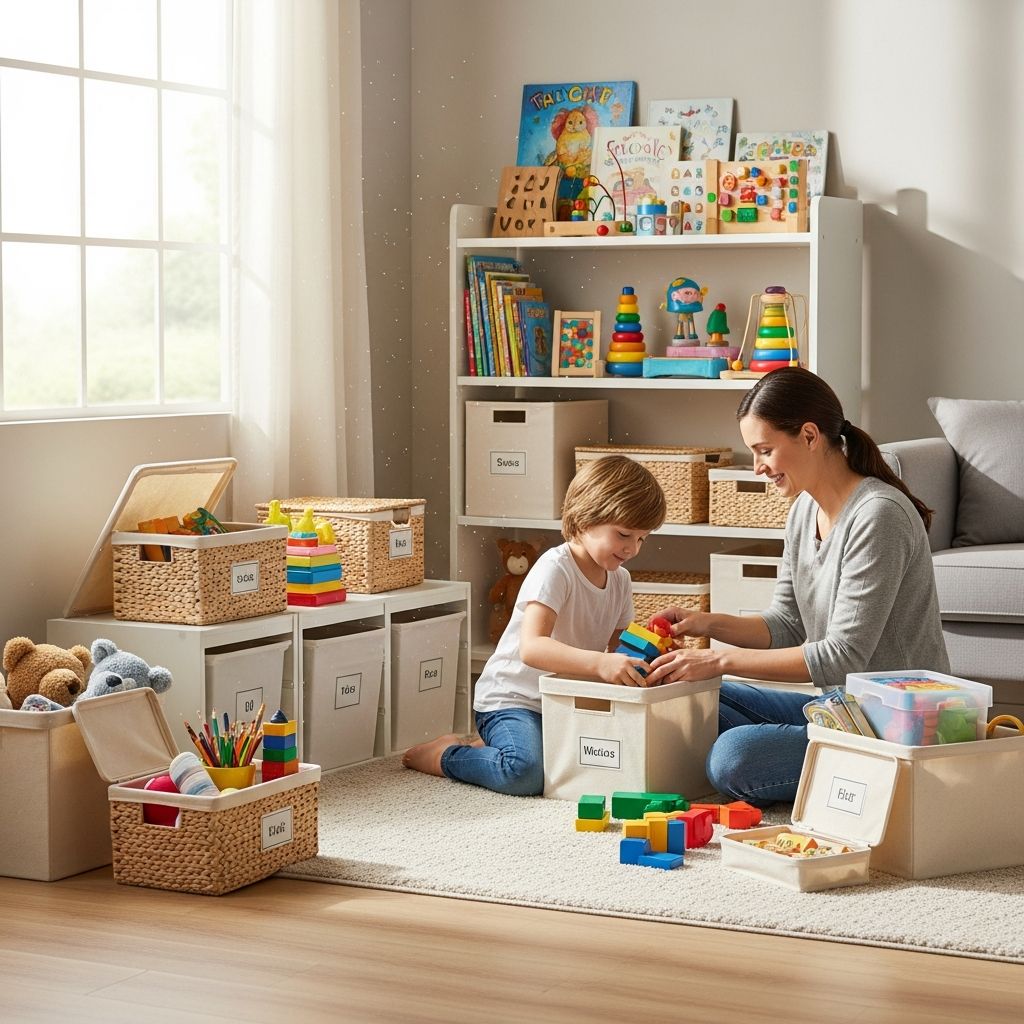
Decluttering a home filled with children’s belongings presents unique challenges for parents, but with the right approach, it becomes an opportunity to teach valuable life skills while restoring order. Families can transform chaos into calm by involving kids early, setting clear boundaries, and using playful methods that make the process enjoyable. This guide draws on expert strategies to help you navigate toys, clothes, and papers without frustration.
Why Decluttering Matters for Families
Maintaining an organized home supports children’s development by reducing overstimulation and promoting focus. Research from child psychology indicates that environments with fewer distractions enhance cognitive growth and emotional regulation in young minds. When kids participate in tidying, they learn decision-making and responsibility, turning a chore into a bonding experience.
Overaccumulation of items leads to stress for parents juggling daily routines. By addressing clutter systematically, families experience less daily friction and more quality time together. Starting this habit early instills minimalist thinking, helping children value quality over quantity in possessions.
Building a Decluttering Mindset in Children
Shift your family’s perspective by framing decluttering as a positive adventure rather than a punishment. Explain benefits like finding lost favorites faster or making room for new experiences. Use simple language: “We’re making our space super fun by choosing what we love most.”
- Model enthusiasm: Narrate your own decisions aloud, such as “This shirt is too small now, so it’s time for someone else to enjoy it.” This verbalizes the thought process kids can mimic.
- Age-appropriate involvement: Toddlers sort colors, while school-age children evaluate usage—”Have you played with this in the last month?”
- Celebrate progress: High-fives or stickers for bins filled reinforce positive associations.
Getting Started: Choose Your First Wins
Avoid overwhelm by targeting one small area, like a single toy shelf or backpack zone. Success here builds momentum for larger projects. Set a timer for 10-15 minutes to keep sessions short and achievable.
| Area to Start | Why It Works | Expected Time |
|---|---|---|
| Toy bin | Quick visible change | 10 minutes |
| Shoe rack | Daily use item | 5 minutes |
| Art supply drawer | High clutter potential | 15 minutes |
Once complete, survey the family: “Doesn’t this feel better?” This reinforces the value of their efforts.
Zone-Based Organization for Lasting Order
Divide living spaces into dedicated zones to prevent future mess. A play zone with low shelves encourages independent cleanup, while a homework nook with labeled bins streamlines routines.
- Create a toy rotation system: Store half the toys out of sight, rotating monthly to maintain novelty without excess.
- Label everything visually—pictures for pre-readers ensure items return home.
- Family zones like a shared craft table limit spread and promote communal tidy-up.
This method, inspired by professional organizers, makes maintenance intuitive. Children thrive when boundaries are clear, reducing arguments over where things belong.
Rules That Keep Clutter at Bay
Implement simple policies to manage influx. The “one in, one out” rule counters gifts and growth spurts: For every new toy, select one to donate.
- Weekly sweep: Dedicate 10 minutes every Saturday where each person fills a donation bag, followed by a treat like family game time.
- Seasonal audits: Before holidays, review wardrobes and toys, preparing for new arrivals.
- No junk drawers: Assign homes for everything, or it leaves.
These boundaries teach delayed gratification and generosity, aligning with educational goals from child development experts.
Fun Tactics to Engage Young Declutterers
Turn sessions into games for buy-in. Play upbeat music and challenge kids to tidy before the song ends—repeat if needed for bigger spaces.
- Declutter bins: Provide labeled bins (keep, donate, trash) and empty them immediately for instant gratification.
- Zone challenges: Clear one room section, live without its contents for a week, then refill with limited favorites.
- Reward charts: Track sessions with stars leading to park outings.
Such play-based methods, as shared in family organization videos, make kids eager participants, embedding habits naturally.
Handling Clothes, Books, and Papers
Children’s wardrobes explode with sizes; sort by current fit, donating outgrown items quarterly. Books follow a similar path: Keep 20 favorites per shelf, rotate others.
Papers demand ruthlessness—digitize artwork, keep only masterpieces in slim binders. Teach kids to choose one weekly creation for the “wall of fame.”
Clothing Sort Strategy
| Category | Keep Criteria | Action for Rest |
|---|---|---|
| Everyday wear | Fits well, loved | Donate |
| Seasonal | Worn last season | Store or discard |
| Special occasion | Upcoming event | Bag for sale |
Fostering a Giving Heart Through Donations
A visible donation station in the laundry room prompts ongoing contributions. Discuss impact: “Your puzzle will make another child smile.” This builds empathy.
Partner with local shelters or libraries for drop-offs, turning it into family outings. Children over four often donate willingly when framed as helping others.
Sustaining Habits Year-Round
Adapt to life stages—back-to-school purges, holiday preps. Involve kids in planning to own the process.
- Monthly toy vacations: Box unused items for 30 days, reassess.
- Photo check-ins for older kids away at college: Send pics of leftovers for yes/no.
- Annual family declutter party with music and pizza.
Common Challenges and Solutions
Sentimental attachments? Set limits like “three memory boxes max.” Resistance? Start with your own stuff to demonstrate.
For multiples, divide tasks: One sorts, another bags. Consistency trumps perfection—small daily actions compound.
Frequently Asked Questions (FAQs)
What age can kids start decluttering?
From toddlerhood with sorting games; by 5-6, they handle full decisions with guidance.
How do I motivate reluctant children?
Use timers, music, rewards, and explain benefits like more play space.
What if they miss donated items?
Rotation systems allow retrieval; most forget quickly with fewer options.
Is the one-in-one-out rule strict?
Flexible for necessities, but enforces mindfulness on acquisitions.
How often should we declutter?
Weekly quick sessions, monthly deep cleans, seasonal overhauls.
By integrating these strategies, your home becomes a haven of order, and your children gain tools for life. Start today for lasting change.
References
- Decluttering When You Have Kids: Keeping Your Sanity — Decluttr Me. 2023-05-15. https://www.decluttrme.com/blog/decluttering-when-you-have-kids-keeping-your-sanity
- Before You Move: Declutter the Kids’ Stuff in 6 Steps — Houzz. 2018-06-12. https://www.houzz.com/magazine/before-you-move-declutter-the-kids-stuff-in-6-steps-stsetivw-vs~84776571
- 50 TINY TACTICS to Declutter w/ Kids — YouTube (Paper Town Home). 2022-11-20. https://www.youtube.com/watch?v=w-1e4XGFx6c
- 12 Decluttering Tips From A Small Space Mom — Mother Mag. 2021-09-08. https://www.mothermag.com/decluttering-tips/
- How to Declutter Your House of Your Kid’s Belongings — The Escape Home. 2023-02-14. https://theescapehome.com/how-to-declutter-your-house-of-your-kids-belongings/