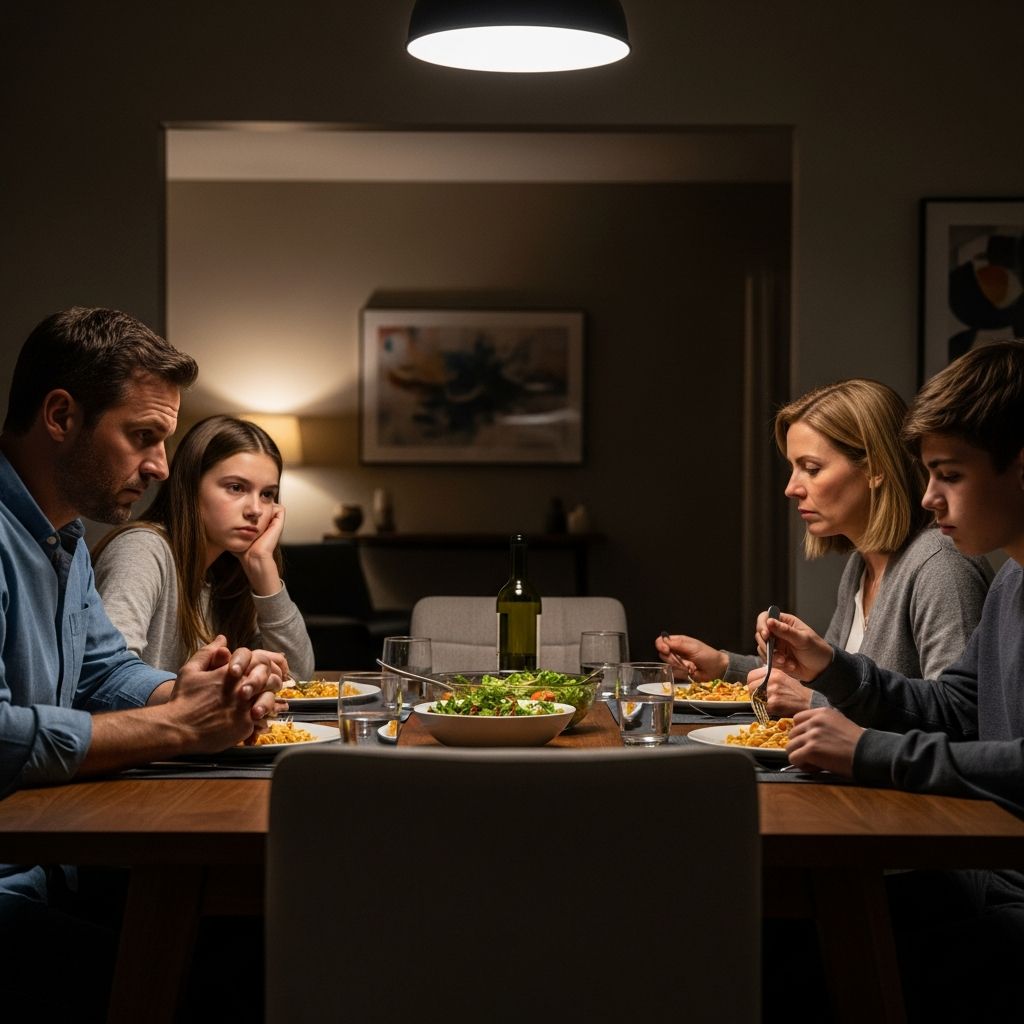
Family dinners hold immense potential as moments of connection, yet they often become arenas for tension, from sibling squabbles to parental disagreements. This guide equips parents with tools to address these challenges, explain conflicts age-appropriately to children, and cultivate enjoyable mealtimes that strengthen family ties. Drawing from child psychology principles, we’ll explore proactive strategies to minimize disruptions and maximize bonding.
Understanding the Roots of Mealtime Disruptions
Conflicts at the dinner table rarely arise in isolation. Hunger amplifies irritability, while fatigue from the day heightens sensitivities. Children, still developing emotional regulation, may react strongly to perceived injustices, like uneven portion sizes or ignored opinions. Parents, juggling work stress and household demands, might unintentionally model frustration through sharp tones or debates over daily events.
Research from child development experts highlights that consistent routines provide a sense of security, reducing outbursts. For instance, establishing predictable meal times signals transition from play or homework, allowing kids to mentally prepare. Without this structure, chaos ensues—plates overturned, voices raised, and the meal’s purpose lost.
- Hunger as a trigger: Low blood sugar impairs focus and patience in both kids and adults.
- Overstimulation: Post-school energy or screen exposure leaves little room for calm conversation.
- Unresolved emotions: Daytime grudges spill into dinner if not addressed earlier.
Building a Foundation of Positive Routines
Start with structure to preempt issues. Designate fixed dinner hours, perhaps 6 PM weekdays, adjusting for weekends. Involve children in setup: younger ones fold napkins, older ones pour drinks. This shared responsibility fosters ownership and reduces resistance.
Begin meals with a unifying ritual, like each sharing one positive from their day. This shifts focus from complaints to gratitude, setting an optimistic tone. End with collective cleanup, turning it into a game—”Who can stack dishes fastest?”—to wrap on a high note.
| Age Group | Routine Task | Benefit |
|---|---|---|
| Toddlers (2-4) | Handing out utensils | Builds fine motor skills and inclusion |
| School-age (5-10) | Setting table or serving sides | Instills responsibility and teamwork |
| Teens (11+) | Planning menu or cooking element | Promotes independence and nutrition awareness |
Explaining Adult Disagreements to Children
Children overhear parental spats about finances, chores, or politics and internalize them as threats to family stability. Address this directly but reassuringly. After cooling off, say, “Mom and I had different ideas about [topic], but we love each other and work it out privately. Families disagree sometimes—it’s normal.”
Use simple analogies: “Like how you and your sibling argue over toys but make up to play again.” Emphasize that disagreements don’t diminish love. For visual learners, draw a heart with arrows showing “talk, listen, hug” as resolution steps. Avoid details that burden kids; focus on emotional safety.
Model healthy conflict: Pause arguments if kids are present, whispering, “Let’s discuss later.” This teaches boundaries and respect. Studies from the American Academy of Pediatrics stress that witnessing respectful resolution builds kids’ emotional intelligence.
Strategies for Managing Picky Eaters and Food Refusals
Picky eating stems from neophobia—fear of new foods—common until age 7. Combat it by offering choices within limits: “Carrots or peas?” rather than open demands. Serve tiny portions of unknowns beside favorites; no pressure to finish, just taste.
Involve kids in prep: Washing veggies or stirring sauces sparks curiosity. Use fun presentations—veggie faces on plates or fruit skewers. Positive reinforcement shines: Sticker charts for tries, not finishes, celebrate bravery. It may take 10-15 exposures for acceptance, per feeding experts.
- Pairing technique: Dip broccoli in beloved ranch.
- Family tasting game: Blind taste new items together.
- No short-order cooking: One meal for all, with safe staples available.
Eliminating Distractions for Focused Family Time
Screens sabotage connection. Enforce a “device-free zone”—phones in a basket pre-meal. Parents model by silencing their own. Replace with conversation prompts: “Rose/Thorn” (best/worst day moment) or “Would you rather?” games.
For active kids, designate wiggles: Stand to share, then reseat. This channels energy without derailing. Dim lights, play soft music for ambiance, signaling relaxation.
Teaching and Reinforcing Table Manners Gently
Manners emerge through example, not nagging. Eat together daily, demonstrating napkin use, closed-mouth chewing. Turn lessons playful: “Manner of the Night” like passing dishes rightward.
Address issues privately post-meal: “Next time, elbows down helps balance plates.” Praise compliance publicly. For siblings poking under-table, enforce “Peace Rule”: Disruptions pause passing food until calm.
Handling Sibling Rivalries and Behavioral Outbursts
Sibling spats peak at dinner from proximity and fatigue. Preempt by seating rivals apart. If bickering starts, intervene neutrally: “Plates stay until voices calm.” Remove disruptive plates briefly—no snacks after—to underscore consequences.
Post-meal, facilitate private reconciliations: Apology hugs rebuild bonds. For neurodiverse kids, assign a “helper parent” for redirection, easing group tension.
Fostering Engaging Conversations That Unite
Steer from controversies—politics, grades—toward neutrals: Hobbies, dreams, jokes. Rotate spotlights: Each gets uninterrupted share time. Games like “Two Truths and a Lie” spark laughter.
Ask open questions: “What made you smile today?” Listen actively, no interruptions. This validates everyone, curbing competitive talking.
Special Considerations for Diverse Family Dynamics
Blended families navigate step-sibling tensions; set inclusive rituals like shared menu votes. Neurodiverse households adapt: Sensory-friendly foods, quieter volumes. Single parents rotate kid “spotlights” for equity.
Large gatherings? Pre-agree taboo topics via group chat, use code words like “pineapple” to pivot.
Frequently Asked Questions
What if my child refuses all new foods?
Persist gently with small exposures alongside favorites. Consult a pediatrician if weight concerns arise; therapy like feeding clinics helps persistent cases.
How do I stop adult arguments in front of kids?
Table them immediately, reconvene privately. Explain simply post-cool-down to reassure stability.
What’s the best way to enforce no-screens?
Lead by example with a family basket. Reward compliant meals with post-dinner game time.
How often should family dinners happen?
Aim for 5 nights weekly; consistency trumps perfection.
My teen rolls eyes at talks—what now?
Tailor prompts to interests: Sports, music. Respect silence as valid participation.
Long-Term Benefits of Harmonious Dinners
Consistent peaceful meals correlate with better nutrition, academic performance, and mental health. Kids learn empathy, communication, resilience. Parents recharge via genuine connection, fortifying family resilience amid life’s stresses.
Track progress: Weekly family check-ins on “What worked? What to tweak?” Adapt as kids grow. Over time, dinner evolves from duty to delight.
References
- Child Development Information — Child Development Institute. 2023-05-15. https://childdevelopmentinfo.com/family-building/five-tips-for-avoiding-conflict-at-family-dinners/
- End Dinnertime Battles — Baketivity. 2024-02-10. https://baketivity.com/blogs/news/end-dinnertime-battles-10-proven-strategies-for-peaceful-family-meals
- 10 Ways to Navigate Uncomfortable Holiday Dinner Conversations — Boys & Girls Clubs of America. 2018-11-20. https://www.bgca.org/news-stories/2018/November/how-to-disagree-better/
- The Secret Rule That Brings Peace To The Dinner Table — Terrific Parenting. 2022-08-12. https://terrificparenting.com/the-secret-rule-that-brings-peace-to-the-dinner-table/
- Can We Just Have a Nice Meal? — Eileen Devine. 2023-11-05. https://www.eileendevine.com/single-post/can-we-just-have-a-nice-meal-4-steps-to-a-more-peaceful-family-dinner