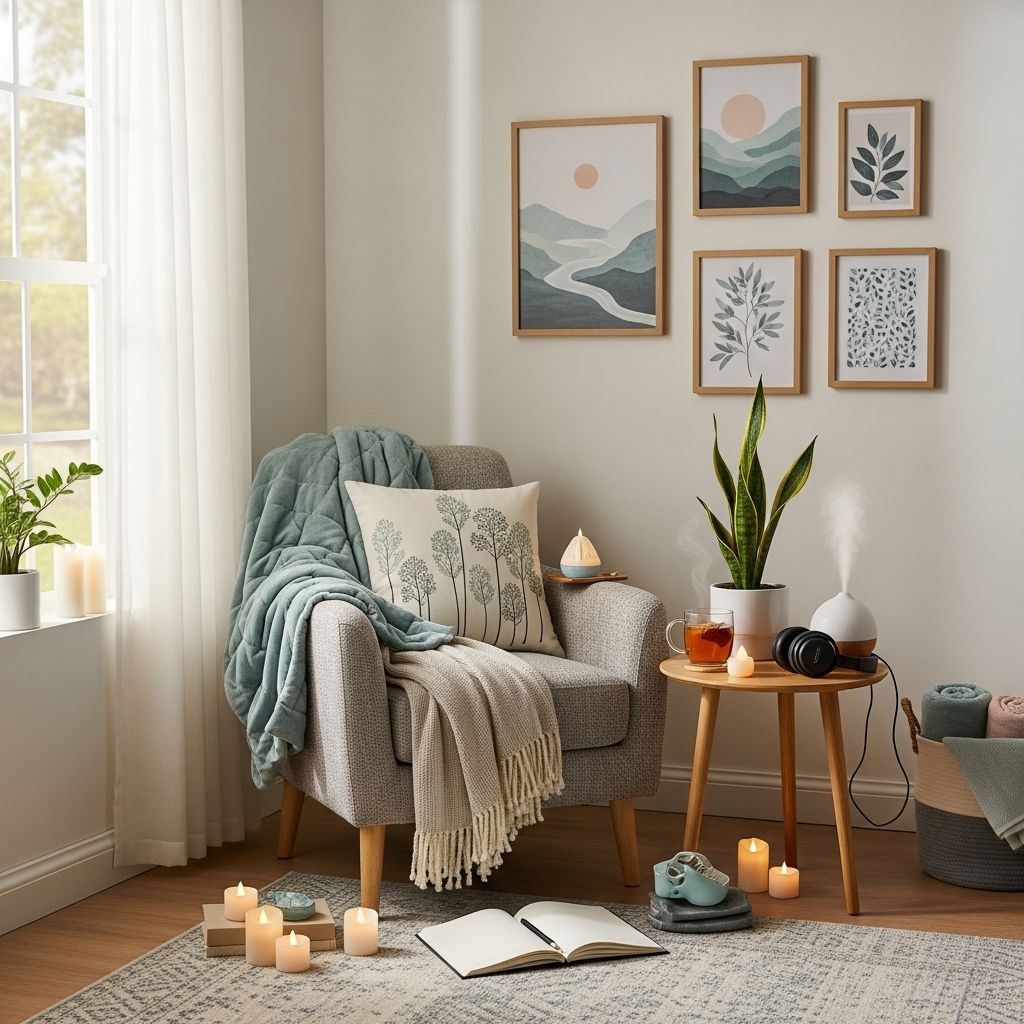
A serenity nook is a purposefully designed area in your living space that serves as a retreat for relaxation, emotional processing, and stress management. These intimate zones help individuals pause amid daily chaos, promoting mental clarity and resilience through simple, accessible self-care practices.
Understanding the Core Value of a Serenity Nook
In an era marked by constant demands from work, family, and digital overload, personal sanctuaries like serenity nooks offer vital relief. They function as low-pressure environments where people can disconnect, breathe deeply, and realign their inner state without external interruptions. Unlike generic rooms, these nooks are customized to individual sensory preferences, making them powerful tools for sustained well-being.
Psychological research underscores how such spaces counteract chronic stress by activating the parasympathetic nervous system, which fosters a ‘rest and digest’ mode. This shift lowers cortisol levels, enhancing focus and emotional stability over time. For families, introducing a shared or individual nook builds habits of self-awareness from an early age, laying foundations for lifelong mental health strategies.
Key Advantages for Mental and Emotional Health
Serenity nooks deliver multifaceted benefits backed by wellness studies. They excel in immediate stress reduction by providing a physical cue to pause and decompress, interrupting cycles of anxiety or overwhelm. Regular use strengthens emotional regulation skills, enabling users to identify feelings like frustration or sadness and respond constructively rather than reactively.
- Stress Mitigation: Dedicated spots allow quick retreats, proven to decrease tension and improve overall mood through sensory comfort.
- Emotional Processing: Safe zones encourage unjudged expression, building resilience against life’s ups and downs.
- Mindfulness Boost: Incorporating brief practices here heightens awareness, reducing impulsivity and enhancing concentration.
- Productivity Gains: Short breaks in calming environments recharge cognitive resources, leading to sharper focus upon return to tasks.
- Sleep and Recovery: Evening rituals in these nooks signal wind-down time, supporting better rest quality.
For children, these spaces are transformative, teaching self-management techniques that curb tantrums and promote prosocial behaviors. Adults benefit similarly, using nooks to navigate professional pressures or parenting fatigue with greater poise.
Selecting the Perfect Spot in Your Home
Site selection is foundational to a nook’s success. Opt for low-traffic zones like a bedroom alcove, under-stair nook, or window ledge to minimize distractions and ensure privacy. The area should feel enclosed yet accessible, evoking security without isolation—think a cushioned floor spot or tent-like setup for kids.
Avoid high-energy areas near TVs or kitchens, as ambient noise undermines tranquility. Natural light from a nearby window adds soothing ambiance, while proximity to everyday life encourages frequent use without major disruptions. Measure for at least 4×4 feet to accommodate seating and tools comfortably.
Essential Elements to Include
Stock your serenity nook with items that engage the senses positively, creating a multi-layered calming experience. Prioritize soft textures, muted hues, and subtle scents to craft an enveloping atmosphere.
| Category | Suggested Items | Benefits |
|---|---|---|
| Seating | Bean bags, floor pillows, or rocking chairs | Promotes physical comfort and body awareness |
| Visuals | Soft lamps, fairy lights, calming posters | Reduces visual overstimulation |
| Touch | Fleece blankets, stress balls, fidget toys | Grounds through tactile input |
| Sound | Noise machine, headphones with playlists | Masks disruptive noises |
| Aroma | Diffusers with lavender or chamomile | Triggers relaxation responses |
For functionality, add timers for structured breaks, emotion charts for identification, and journals for reflection. Personalize with family photos or meaningful trinkets to deepen the emotional connection. Keep everything lightweight and modular for easy rearrangement.
Step-by-Step Guide to Building Your Nook
- Assess Needs: Reflect on triggers—noise for adults, overstimulation for kids—and tailor accordingly.
- Clear and Prep: Declutter the chosen spot thoroughly; a minimalist base amplifies peace.
- Layer Comfort: Start with flooring mats, add seating, then sensory tools.
- Incorporate Activities: Include breathing guides, coloring books, or stuffed animals for varied engagement.
- Test and Tweak: Use for a week, then adjust based on what feels most restorative.
- Set Boundaries: Establish nook rules, like no electronics, to preserve its purpose.
This process, taking under an hour for basics, yields immediate returns in daily calm.
Activities to Maximize the Nook’s Impact
Beyond setup, purposeful activities amplify benefits. Practice 4-7-8 breathing: inhale for 4 seconds, hold 7, exhale 8, repeated five times to lower heart rates swiftly. Progressive muscle relaxation—tensing and releasing body groups—eases physical tension.
Mindful coloring or mandala drawing diverts racing thoughts, while guided audio meditations via apps build focus. For families, shared storytime with plush toys fosters bonding. Track progress with a feelings wheel to name emotions accurately, enhancing communication skills.
Tailoring Nooks for Children and Families
Children’s nooks emphasize play-based regulation. Use colorful emotion cards, squishy toys, and tunnel tents to make cooling off fun and intuitive. Teach usage proactively: “When you feel wiggly inside, our nook is here.” In classrooms or homeschools, group nooks rotate access to normalize emotional pauses.
For parents, a dual adult-child nook nearby models vulnerability. Family nooks during evenings reinforce collective decompression, strengthening relational ties amid parenting stresses.
Overcoming Common Obstacles
Space constraints? Wall-mounted shelves or pop-up tents suffice. Resistance to use? Gamify with stickers for visits, gradually building habit. Maintenance slips? Weekly refreshes keep it inviting. Budget limits favor DIY: repurpose pillows, print free visuals.
If effectiveness wanes, rotate items seasonally to sustain novelty and relevance.
Long-Term Integration and Evolution
Serenity nooks thrive with routines—morning resets for adults, post-school for kids. Pair with therapy techniques like CBT for deeper emotional work. Monitor via journals: note pre/post mood shifts to quantify gains.
Evolve the space with life changes; pregnancy nooks add nausea aids, teen versions include journals for identity exploration. This adaptability ensures enduring value.
Frequently Asked Questions
How often should someone use a serenity nook?
Daily for 5-15 minutes prevents buildup; more during high stress. Consistency builds neural pathways for self-regulation.
Can serenity nooks help with anxiety disorders?
Yes, as adjuncts to professional care; they provide immediate coping tools while awaiting therapy.
What if my child refuses the nook?
Introduce playfully without pressure; demonstrate use yourself to normalize it.
Are electronics allowed?
Prefer non-screen activities; if used, limit to calming audio to avoid stimulation.
How do I measure success?
Track reduced meltdowns, better sleep, or self-initiated visits—qualitative shifts matter most.
References
- The Importance of Safe, Cozy Space — Calmare Massage. 2023. https://www.calmaremassage.com/the-importance-of-safe-cozy-space
- Creating a Calm-Down Corner: A Sanctuary for Stress Relief — Playright. 2024. https://www.playright.com/articles/creating-a-calm-down-corner-a-sanctuary-for-stress-relief
- How to Set Up and Use a Calming Corner for Kids — Mental Health Center Kids. 2024. https://mentalhealthcenterkids.com/blogs/articles/calming-corner
- What Is a Calm-Down Corner? — WebMD. 2025-01-15. https://www.webmd.com/parenting/what-is-a-calm-down-corner
- How to Design a Calm Corner: Creating a Relaxing Space — Mixcare Health. 2024. https://m.mixcarehealth.com/calm-corner-wellness-idea/
- ‘Cozymaxxing’: The real science behind everyone’s new… — Upworthy. 2025. https://www.upworthy.com/2025-wellness-trends-cozymaxxing
- Calm Down Corner Ideas for Kids — Action for Healthy Kids. 2024. https://www.actionforhealthykids.org/activity/calm-down-corner/