A truly peaceful home is not about perfection, expensive decor, or children who never argue. It is about creating an emotional safe harbor where every family member feels seen, protected, and welcomed exactly as they are. When children can retreat to such a space, they recharge from the demands of the outside world and are more ready to learn, cooperate, and grow.
Why Children Need an Emotional Home Base
Growing up asks a lot of children: they navigate school expectations, friendships, social media, and constant change. A home that functions as an emotional home base gives them a place to rest from these pressures. Instead of bracing for criticism or chaos, they can exhale and reset.
Children who experience this sense of refuge are more likely to explore the world with confidence, because they know they have somewhere safe to return to. Think of home as the harbor that makes every voyage possible: ships can venture farther when they trust there is always a place they can dock, repair, and refuel.
Core Ingredients of a Safe Harbor Home
Every family looks different, but emotionally safe homes tend to share certain qualities. These are less about rules and more about the climate you create together.
- Predictable safety: Children trust that they will not be shamed, threatened, or harmed at home, physically or emotionally.
- Warm connection: Affection, listening, and shared laughter are part of everyday life, not rare or conditional.
- Respectful communication: Adults and children speak to each other with basic courtesy, even when there is conflict.
- Room for big feelings: Sadness, anger, disappointment, and fear are allowed to exist and be expressed safely.
- Reasonable structure: Routines provide a sense of rhythm, but there is flexibility for real life.
Shifting Mindset: From Control to Connection
Many parenting approaches center on control: getting children to obey quickly, stop certain behaviors, and comply with adult expectations. While limits are important, a safe harbor home is grounded in connection rather than fear. The goal shifts from “How do I make my child behave?” to “How do I help my child feel safe enough to cooperate and learn?”
When children trust that their relationship with parents is secure, they are less defensive. Correction feels like guidance instead of attack. This does not mean permissiveness; it means that even strong limits rest on a foundation of warmth and empathy.
Designing the Emotional Atmosphere of Your Home
The emotional climate matters more than square footage or furniture. Even a small space can feel like a sanctuary when the tone is kind and predictable. Consider how your home feels when you walk in the door after a long day: tense and edgy, or exhaling and soft?
Consciously shaping that feeling starts with the adults. Children borrow their sense of safety from the people who care for them. Investing in your own calm—through rest, boundaries, and self-compassion—is not selfish; it is the foundation of a more peaceful household.
Practical Ways to Reduce Daily Stress at Home
Stress is unavoidable, but it can be softened. A few small shifts can radically change the mood of your home and open space for connection.
- Build in extra transition time: Rushing is one of the fastest ways to trigger meltdowns and conflicts. Try starting departures 10–15 minutes earlier than you think you need.
- Limit unnecessary commitments: Saying “yes” to every activity can leave everyone exhausted. Choose a manageable number of regular obligations and protect unstructured time.
- Create calming arrival rituals: When children come home, pause tasks for a quick check-in: a hug, a snack, a few questions about their day.
- Prepare for known stress points: Mornings, homework hour, and bedtime often run hot. Simplify decisions (lay out clothes, plan meals, set expectations in advance) to reduce friction.
Making Your Physical Space Feel Safe and Welcoming
An emotional safe harbor is not about picture-perfect interiors. Instead, the physical space quietly signals, “You belong here. You are welcome.” Children absorb those messages through all their senses.
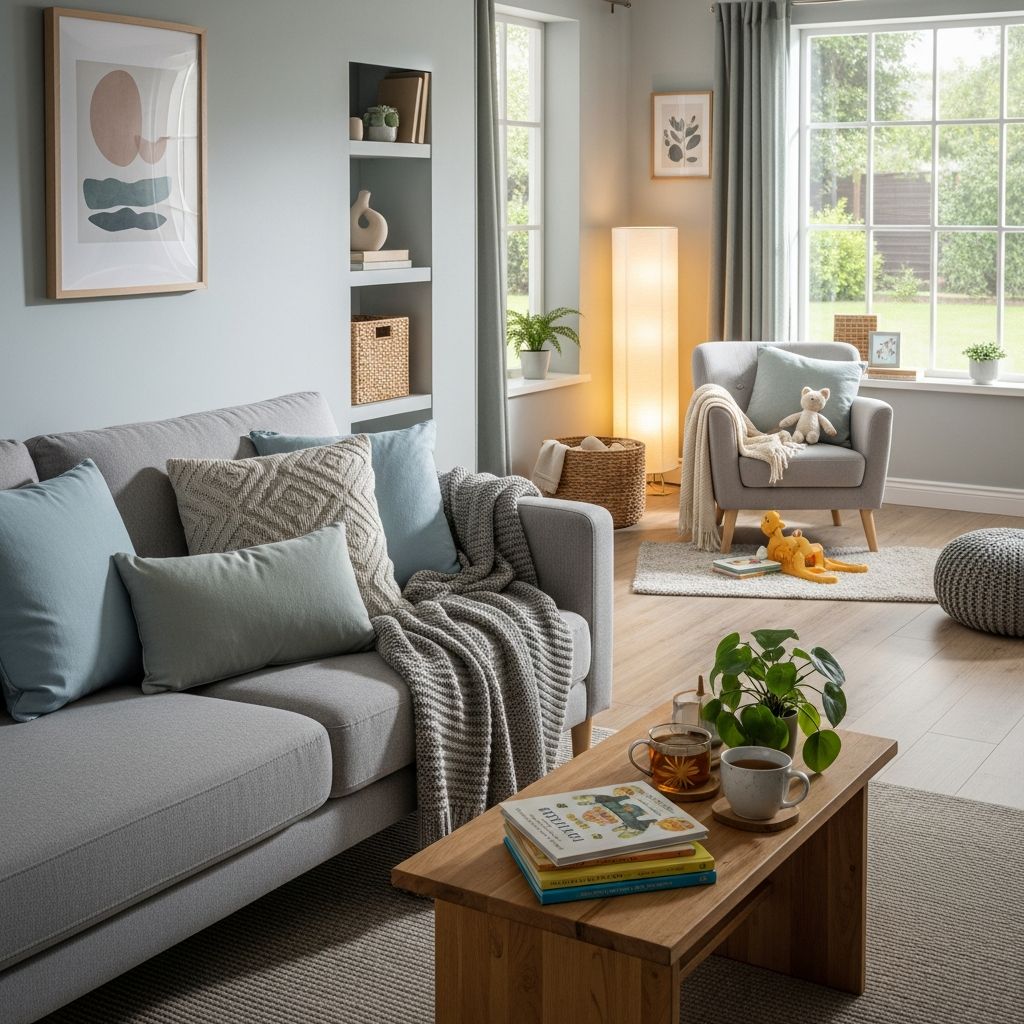
- Cozy, consistent spots: A favorite chair, reading corner, or corner of the couch can become a trusted place to curl up.
- Visual calm: Too much clutter can feel overwhelming. Regular, gentle tidying—especially in shared spaces—can help everyone breathe easier.
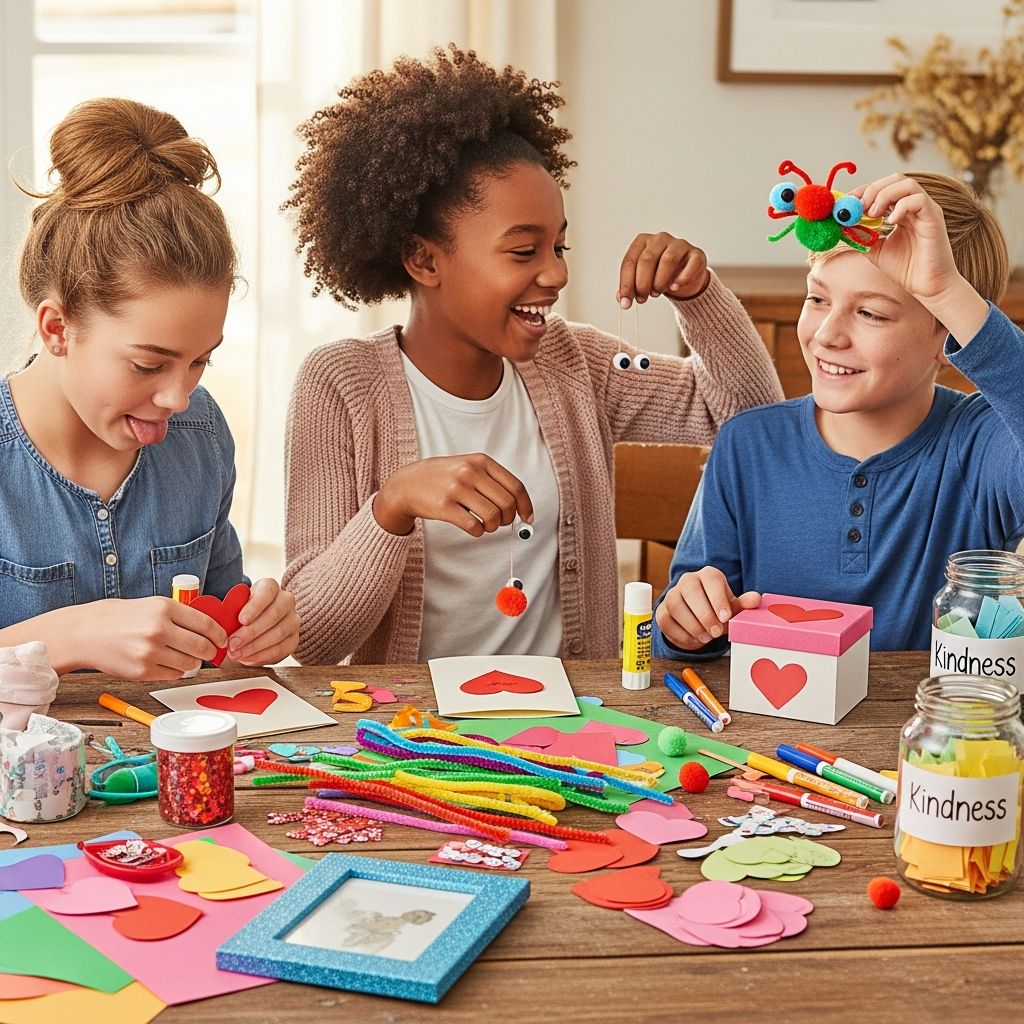
- Shared ownership: Display children’s drawings, photos, or handmade crafts. Let them help decorate parts of the home so they see themselves reflected in it.
- Soft cues for quiet: Warm lighting, blankets, and baskets of books or puzzles invite slower, gentler activities.
Welcoming Your Child’s “Younger Side”
Children spend much of the day trying to act big enough for the world: following rules at school, managing friendships, and meeting adult expectations. When they return home, it is common for a more “babyish” side to appear—whining, tears, clinginess, or even playful silliness that seems too young for their age.
Instead of shaming this regression, see it as a signal that your child is unloading built-up stress. Home is where they feel safe enough to let down their guard. Allowing extra snuggles, gentler tone, or a little joking around at the end of a hard day can prevent bigger explosions later.
Using Routines to Create Predictability (Without Rigidity)
Predictable rhythms give children a sense of safety because they know what comes next. Routines reduce power struggles by moving the focus from personal will (“Do what I say”) to shared expectations (“This is simply what we do in our family”).
The key is to keep routines clear but flexible. Life happens: illness, travel, visitors, and rough days will all occasionally disrupt the schedule. Treat routines as helpful maps, not unbreakable laws.
Sample Evening Rhythm
The details will look different for each family, but this example shows how an evening might gently flow:
| Time Block | Focus | Emotional Goal |
|---|---|---|
| After school / return home | Snack, conversation, decompression play | Release tension, feel welcomed |
| Late afternoon | Homework or quiet activities | Support focus without pressure |
| Early evening | Shared dinner and light chores | Connect, practice teamwork |
| Before bed | Bath, stories, cuddles, lights out | Wind down, reinforce security |
Setting Limits with Respect and Firmness
A truly safe home is not one without boundaries; it is one where boundaries are clear and delivered with respect. Children need adults to be steady and reliable, especially when they are testing rules or feeling overwhelmed. Confusing or harsh limits make them feel insecure.
- State limits calmly and clearly: Replace lectures with short statements: “It is okay to be mad. It is not okay to hit.”
- Hold the boundary, not a grudge: After a misstep, guide your child back to connection once the situation is addressed.
- Focus on teaching: Ask, “What can you do next time instead?” to help them practice new skills rather than just feel wrong.
- Avoid shaming labels: Comment on the behavior, not the child’s character. “That choice was hurtful” lands very differently from “You are mean.”
Handling Sibling Conflict Without Losing the Sense of Sanctuary
Many parents imagine that a peaceful home means siblings rarely fight. In reality, conflict between children is inevitable; what matters is how it is handled. The goal is not a fight-free home, but a home that stays emotionally safe even when tempers flare.
- Stay neutral as much as possible: Instead of immediately assigning blame, focus on understanding what each child is feeling and needing.
- Protect physical and emotional safety: Step in quickly to stop hitting, name-calling, and threats, while modeling firm but calm intervention.
- Teach repair: Encourage apologies, do-overs, or collaborative solutions once everyone is calmer.
- Provide one-on-one time: Sibling rivalry often eases when each child regularly gets undivided attention from caregivers.
Creating Device Boundaries to Protect Connection
Technology itself is not the enemy, but unchecked screen use can erode connection and increase irritability. A safe harbor home uses devices intentionally rather than letting them dominate the atmosphere. The aim is not rigid rules for their own sake, but space for real relationships.
- Designate screen-free zones: Many families choose to keep meals, bedrooms, or certain evening hours free from devices.
- Model the behavior: Children notice when adults regularly put down phones to pay attention to them.
- Offer alternatives: Have games, art supplies, or outdoor options easily available so screens aren’t the only default.
- Talk about media: Discuss what children are seeing and playing so they feel guided, not just monitored.
Rituals That Anchor Your Family Culture
Small, repeated rituals help turn a house into a home. They reassure children that, even as they grow and circumstances change, some parts of family life remain steady. These moments do not have to be elaborate.
- Daily check-ins: A short conversation at breakfast or bedtime about one good thing and one hard thing from the day.
- Weekly traditions: Friday game night, Saturday morning pancakes, or a Sunday walk in a favorite park.
- Seasonal markers: Simple ways of observing holidays, changes in weather, or important family anniversaries.
- Personal rituals: A special handshake, phrase, or hug that you share with each child individually.
Supporting Your Own Calm and Resilience
Parents sometimes carry the heavy belief that they must give children a peaceful home while ignoring their own needs. In reality, a home cannot feel consistently safe if the adults are chronically depleted. Taking care of yourself is a central part of taking care of your children.
- Notice your early stress signals: Tight shoulders, snapping tone, or mental fog can be cues to pause.
- Build micro-breaks into the day: Even a few deep breaths, a glass of water in silence, or stepping outside for a minute can reset your nervous system.
- Seek support: Parenting was not meant to be done alone. Friends, family, community groups, or professionals can all be part of your support network.
- Practice self-kindness: Speak to yourself as you would to a close friend who is doing their best in a hard job.
Frequently Asked Questions
1. Can a home be a safe harbor if there is still yelling and conflict?
No family manages calm all the time, and occasional raised voices do not automatically cancel emotional safety. What matters is how conflicts are handled: whether people come back to repair, apologize, and learn from what happened. Over time, as adults practice calming themselves earlier and using more respectful communication, yelling can become less frequent.
2. What if my home was not peaceful when my child was younger—did I miss my chance?
It is never too late to move toward a calmer, more secure environment. Children and teens are remarkably responsive to genuine change. As you become more consistent, more emotionally available, and more predictable, your child will slowly adjust and begin to trust that the new way of relating is real.
3. How can I help my child feel safe when we live in a small or chaotic neighborhood?
Even if the outside environment is unpredictable, your home can still function as an oasis. Focus on what you can control: the tone of your voice, the consistency of routines, the way you respond to fears, and the small spaces within your home that feel cozy and personal. Emotional safety often matters more than physical size.
4. What if my child refuses to talk about their feelings?
Many children find direct questions about emotions intimidating or confusing. Instead of pushing for conversations, offer gentle invitations: spending time side by side, sharing your own feelings briefly, or commenting on what you notice. Over time, as they experience you as safe and non-judgmental, they may open up in small, meaningful ways.
5. Are strict rules compatible with a safe harbor home?
Firm expectations can coexist with emotional safety when they are fair, explained clearly, and enforced with respect. Problems arise when rules are unpredictable, humiliating, or enforced through fear. If your child understands the purpose of a rule and experiences you as stable and caring, structure can actually increase their sense of security.
Small Steps to Start Today
Transforming your home into an emotional safe harbor does not require an overnight overhaul. Choose one or two small changes to begin with and build from there. Consistency over time matters far more than dramatic, short-lived efforts.
- Pick one stress point in the day and simplify it with a small routine.
- Establish a short, daily connection ritual with your child.
- Notice and name your child’s efforts more often than their mistakes.
- Commit to one personal act of self-care this week, however small.
Every time you soften your voice, hold a firm but kind boundary, or offer a safe place for big feelings, you are building the kind of home children carry inside them for the rest of their lives. That inner sense of sanctuary becomes the foundation for resilience, empathy, and courage as they grow.