The first year of your baby’s life goes by in a blur of late nights, tiny socks, and new “firsts” every week. A baby memory book is a beautiful way to hold on to those moments, but it should not become another source of pressure or guilt. This guide walks you through a realistic, flexible way to create a first-year album that fits into real life.
Why a First-Year Baby Book Matters
Photos and quick notes from the first year become a time capsule of details you will otherwise forget: how small those fingers were, what nicknames you used, and which song always stopped the crying. A simple baby memory book preserves not just big milestones but also the ordinary, everyday moments that define your family’s early story.
Done thoughtfully, your first-year album becomes a gift for your future self and for your child, offering a tangible way to revisit the love, learning, and growth of that intense first year.
Decide What Kind of Book Fits Your Life
Before printing a single photo, choose a format that matches your lifestyle and energy level. There is no “right” type of baby book; the best one is the style you can keep up with consistently.
- Pre-printed memory book: Comes with prompts, pages, and spaces for photos. Great if you prefer structure and want to simply fill in blanks.
- Blank journal or notebook: Perfect for creative parents who like to write freely, add sketches, or tape in mementos without constraints.
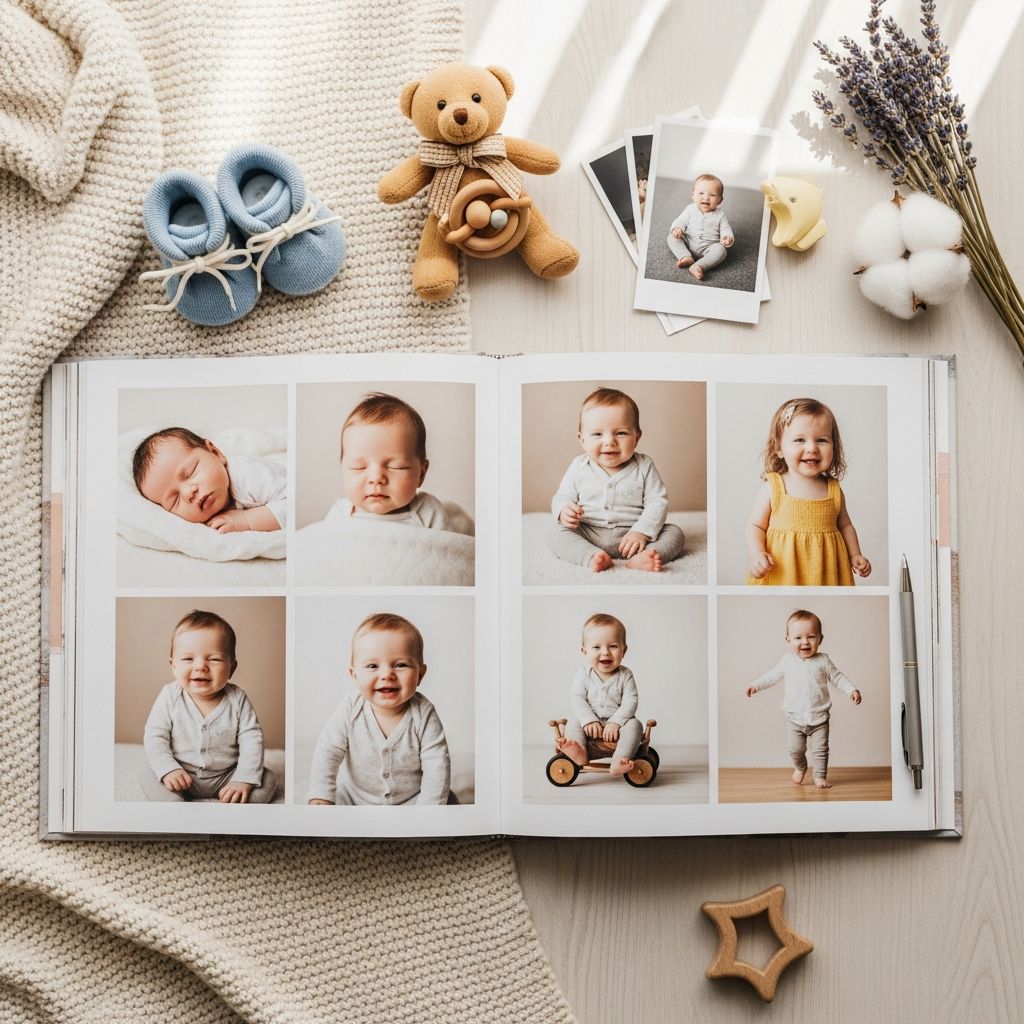
- Photo book (printed online): Ideal if most of your photos live on your phone. You design and order a bound book once or twice during the year.
- Hybrid approach: A small journal for written memories plus a separate photo album or photo box for printed images.
Choose a Simple Theme and Style
A loose theme keeps your album visually consistent and easier to complete. It does not need to be elaborate; subtle choices are enough to tie the pages together.
- Color palette: Choose two or three colors (for example, soft gray, pale blue, and white) and stick to those for captions, borders, or stickers.
- Tone: Decide whether you want the book to feel playful, minimalist, or sentimental so you know how much text and decoration to include.
- Repeating elements: Use the same layout for each month (e.g., one main photo, a list of milestones, and a short note) to reduce decisions.
Plan the Structure of the First-Year Album
A clear structure helps you know what to capture and prevents you from feeling like you have to record everything. Think of the book as a story with several chapters instead of a random collection of moments.
Suggested Sections for Your Book
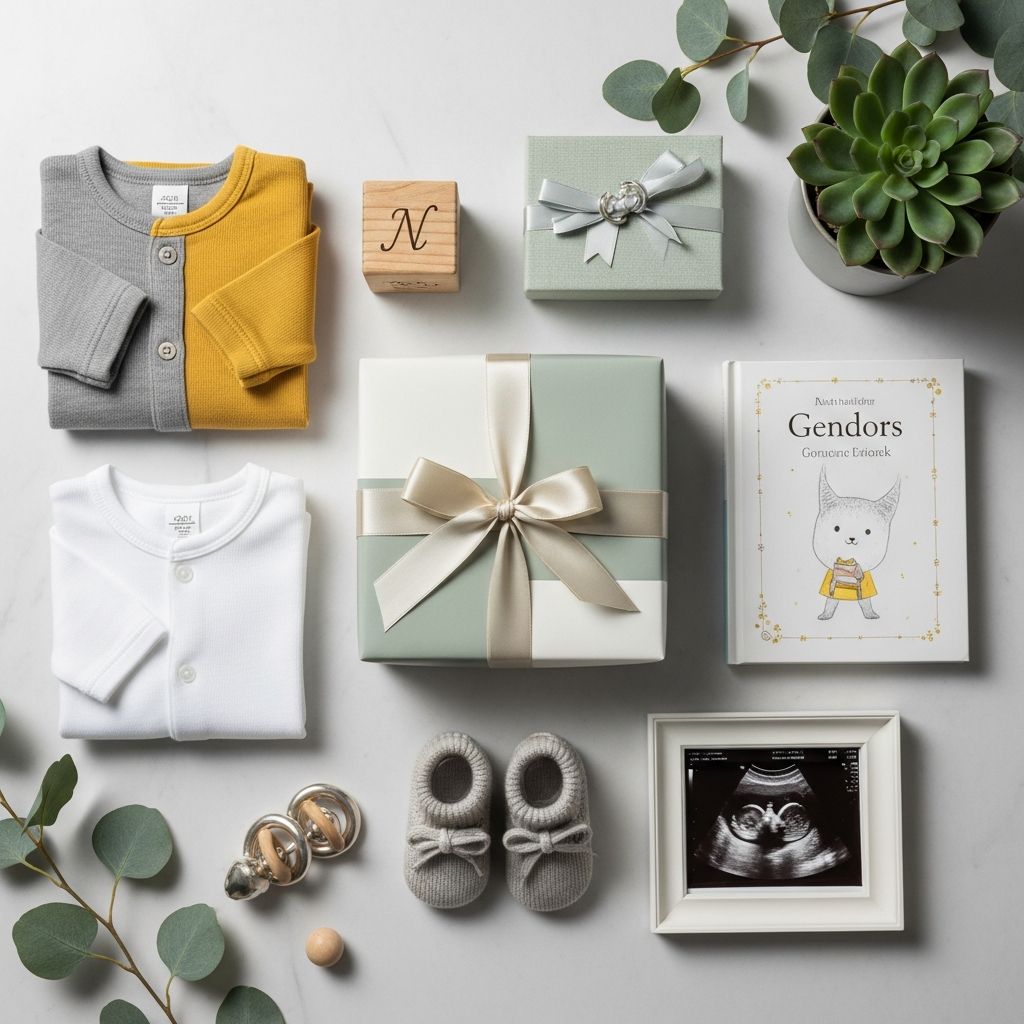
- Before Baby Arrived: Pregnancy photo, due date, baby shower highlights, name ideas, and a short note about your hopes and feelings.
- Birth and Homecoming: Birth details, a photo from the hospital (or first day at home), and any funny or emotional moments from those first hours.
- Month-by-Month Pages: One spread for each month from newborn to twelve months, including a few photos and a quick recap.
- Firsts and Milestones: A cluster of pages for first smile, first tooth, first food, first word, first steps, and other personal firsts.
- Family and Friends: Photos with grandparents, siblings, and close friends, plus short notes about their role in your baby’s life.
- Keepsakes and Extras: A pocket or envelope page for hospital bracelets, cards, or special notes.
Example Layout Overview
| Section | Number of Pages | What to Include |
|---|---|---|
| Before Baby | 2–4 | Pregnancy details, baby shower, name story, a picture of the nursery. |
| Birth & Homecoming | 2–4 | Birth stats, hospital photos, first car ride, first day at home. |
| Months 0–12 | 24–30 | Monthly highlights, favorite photos, growth notes, small anecdotes. |
| Milestones | 4–6 | First smile, first tooth, first steps, first holidays and trips. |
| Family & Friends | 2–4 | Photos with important people and short captions about each relationship. |
| Keepsakes & Letters | 4–6 | Pockets, flat mementos, and letters written to your baby. |
What to Capture Each Month (Without Overthinking It)
Instead of trying to document everything, give yourself a simple checklist of items to capture every month. This keeps your book consistent and prevents decision fatigue.
- One clear portrait: A simple photo of your baby’s face, taken around the same time each month, to show how they grow.
- One full-body or activity shot: Rolling, sitting, playing with a toy, practicing tummy time, or exploring the world.
- A short milestone list: New skills, new foods, favorite toys, and any big changes in routine.
- A memory from the month: Something small but vivid, like a funny sound they make or a new bedtime ritual.
Ideas for Milestones and Moments to Include
Every baby’s timeline looks different, so think of milestone ideas as a menu, not a checklist. Choose the memories that actually happened and matter to you.
- First time your baby made eye contact and clearly recognized you.
- First social smile that was more than just a sleepy expression.
- First time rolling, sitting up, pulling to stand, cruising, and walking.
- First word-like sounds, first word, and any funny mispronunciations.
- First time trying different foods, especially reactions they loved or hated.
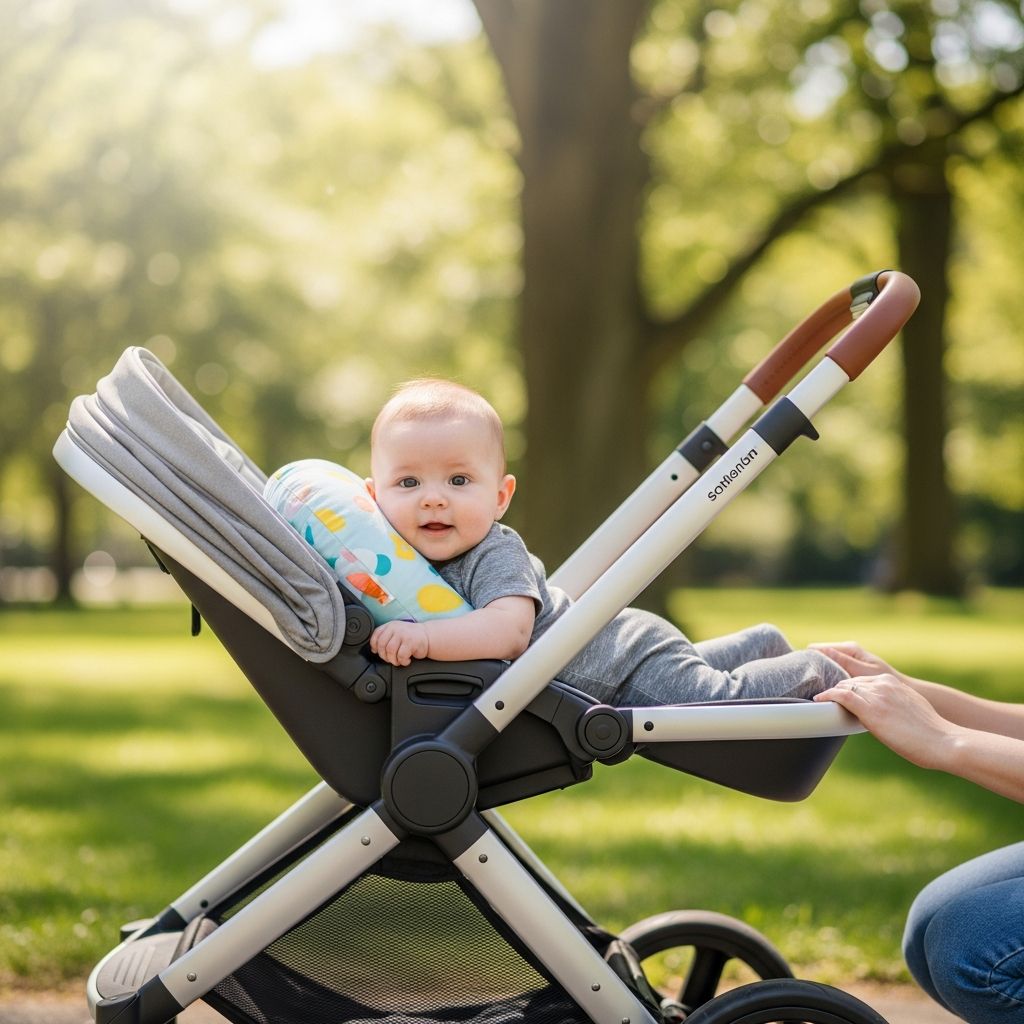
- First trip outside the house, first visit to the park, and first time meeting pets.
- First holidays, birthdays, and family gatherings during the first year.
Writing Meaningful Captions and Notes (Even If You’re Tired)
You do not have to write long essays to make your baby book meaningful. Short, honest notes often capture your life more clearly than polished, lengthy entries.
Quick Prompt Ideas
- “Today you love…” List three things your baby currently enjoys, like a favorite toy, song, or caregiver.
- “You surprised us when…” Describe one new skill, reaction, or habit that caught you off guard this month.
- “This is what our days look like…” Summarize your daily rhythm in just a few sentences.
- “Right now we feel…” Share one emotion you are experiencing as a parent, whether proud, exhausted, grateful, or overwhelmed.
Keep a running note on your phone where you jot down funny moments, new words, or little details. Once a month, copy those notes into the book so you are not starting from scratch.
Using Photos Wisely: Quality Over Quantity
It is normal to take hundreds of photos, but your baby book only needs a handful per month. Curating your favorites makes the album more enjoyable to flip through later.
- Choose at least one close-up face shot, one full-body shot, and one photo that shows context (like the nursery, stroller, or a family member).
- Include imperfect photos if they tell a great story, such as a messy meal, a bath-time giggle, or a wild-haired morning.
- Avoid repeating nearly identical photos; different angles and settings make the book more interesting.
Capturing Everyday Life, Not Just Highlights
Some of the most precious memories are not big events but recurring routines. Documenting these daily rituals makes your album feel honest and richly detailed.
- Morning routines, like the way your baby stretches when waking up or the song you sing while opening the curtains.
- Favorite feeding positions, special bottles or cups, and the expressions your baby makes while eating.
- Bath time setups, including special toys, hooded towels, or the way your baby kicks in the water.
- Sleep rituals, such as swaddling, favorite blankets, or the story you always read.
Adding Keepsakes and Memorabilia
Flat, lightweight items work best in a baby book, especially if you want it to close easily and last for many years. You can also use small envelopes, pockets, or folded pages to protect delicate items.
- Hospital bracelet, first hat, or a printed copy of the birth announcement.
- A ribbon from a baby shower gift, a note from a grandparent, or a small piece of wrapping paper from the first birthday.
- A printed screenshot of a text message or email that meant a lot during those early days.
- A tiny snippet of hair from the first haircut placed in a labeled envelope.
Time-Saving Habits for Busy Parents
Consistency matters more than perfection. A few minutes here and there will move your album forward without requiring a large block of uninterrupted time.
- Set a reminder: Choose one day each month to sort photos and make quick notes while memories are fresh.
- Create a shared folder: Use a shared digital album where caregivers add their favorite photos and stories.
- Batch tasks: Order prints every three months instead of after every event to save time and shipping costs.
- Keep supplies together: Store pens, tape, and the book in one basket so you are ready whenever you have ten spare minutes.
If You’re Starting Late, You Haven’t Missed Your Chance
Many parents do not begin their baby book until months or even years after the birth. Starting late is completely normal, and you can still create a beautiful, meaningful record.
- Work backwards: Start from your baby’s current age and then add earlier months as you have time.
- Use digital clues: Scroll through your camera roll, messages, and social media posts to reconstruct dates and details.
- Simplify older months: For the earliest stages, one page per month with a short note and a favorite photo is more than enough.
Making the Album Personal to Your Family
The most memorable parts of a baby book are often the unique, personal touches that reflect your family’s culture, humor, and values. Lean into what makes your home feel like yours.
- Include inside jokes or nicknames you use for your baby, even if they sound silly.
- Add notes about your traditions: weekend walks, special songs, or spiritual practices that shape your daily life.
- Write a short letter to your baby at key points: birth, six months, and first birthday, sharing your hopes and observations.
Frequently Asked Questions About First-Year Baby Books
Do I have to be creative to make a nice baby book?
No. A beautiful album can be as simple as printed photos and a few handwritten lines on each page. Consistency and honesty matter far more than artistic skills or elaborate decorations.
What if my handwriting is messy?
Messy handwriting is part of the story—it shows that a real, tired, loving parent created this keepsake. If it truly bothers you, you can type captions, print them on small labels, and stick them into the book.
How many photos should I include?
Try to choose three to six photos per month. That range is usually enough to show growth and variety without making the book feel crowded or repetitive.
Is it okay if there are gaps?
Yes. A few missing months or milestones do not reduce the value of the book. You can add a small note acknowledging the gap and what life was like during that busy stretch.
Can I create a digital-only first-year album?
Absolutely. A digital photo book or slideshow with captions can be just as meaningful, especially if it is easier for you to maintain and share with loved ones.
Final Thoughts: Aim for Honest, Not Perfect
A first-year baby memory book is not a performance; it is a record of real life with a small human who changes every week. When you focus on capturing small truths—sleepy faces, late-night thoughts, and the funny details of everyday routines—you create a keepsake that will matter far more than any polished, magazine-ready layout.
Give yourself permission to keep things simple, to start late, or to leave blank spaces. Your love, your effort, and your presence in these pages are what your child will notice most when they look back years from now.