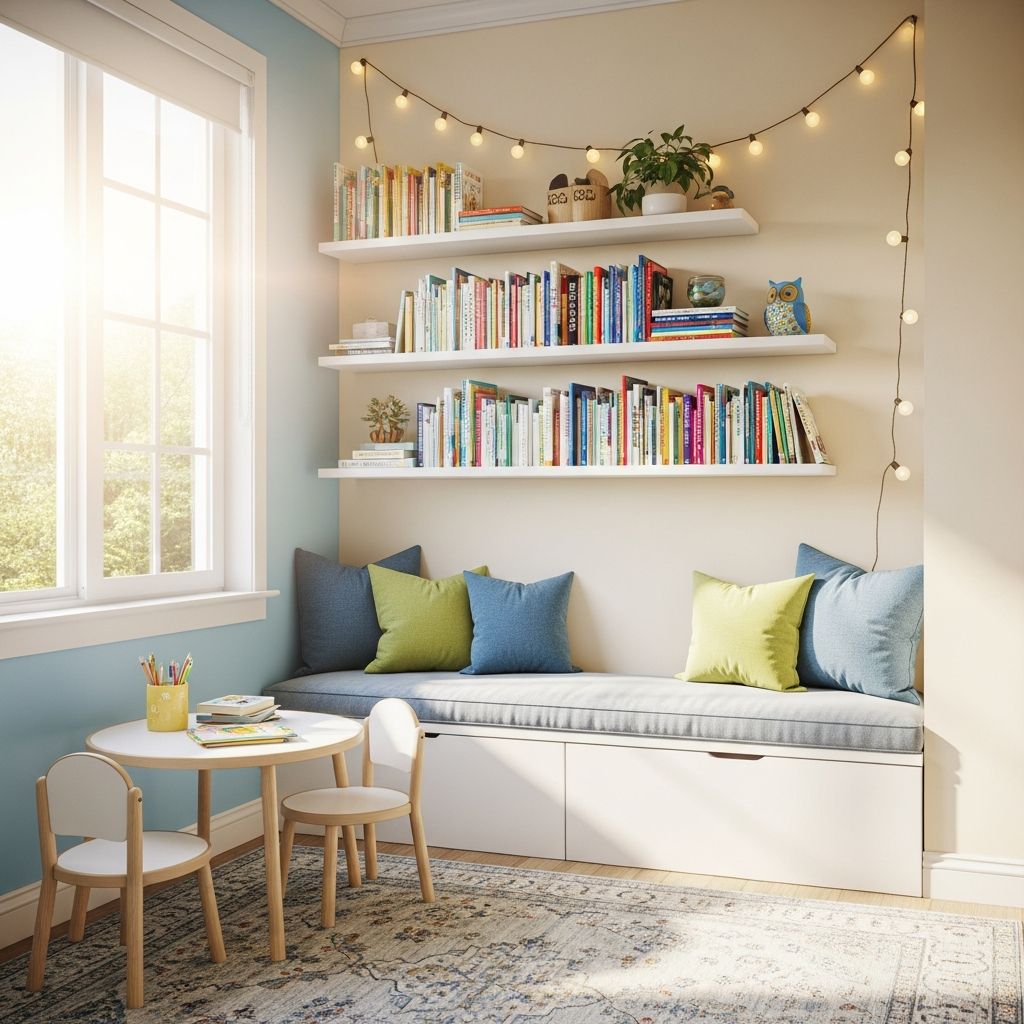
Creating a dedicated space for reading can profoundly influence a child’s relationship with books, turning solitary moments into adventures of imagination and learning. These personalized corners not only encourage independent reading but also strengthen family bonds through shared stories. By thoughtfully arranging elements like seating, lighting, and storage, parents can cultivate environments that invite curiosity and comfort, essential for developing early literacy skills.
Selecting the Perfect Location in Your Home
The foundation of any successful reading corner begins with choosing an appropriate spot. Opt for quiet areas away from high-traffic zones to minimize distractions and promote focus. Corners near windows harness natural light, which studies link to improved concentration and mood enhancement during reading sessions.
Consider the room’s sensory profile: dim lighting and soft acoustics create calming atmospheres, particularly beneficial for children sensitive to overstimulation. Small alcoves, under-stair spaces, or even closet conversions work wonders in compact homes, offering a sense of enclosure that feels secure and private. Measure the area meticulously—typically 3-5 feet wide suffices—to ensure furniture fits without overcrowding.
- Assess noise levels and foot traffic for tranquility.
- Prioritize proximity to natural light sources.
- Evaluate safety by removing sharp edges or hazards.
- Test for comfort by spending time there yourself.
Essential Furnishings for Ultimate Comfort
Comfort is paramount to entice children to linger with a book. Floor-level seating like oversized cushions, bean bags, or low benches keeps everything accessible without the need for climbing. Layer plush rugs beneath to cushion little bodies and insulate against cold floors.
For versatility, modular pieces such as buildable foam couches allow reconfiguration as kids grow. Add textured blankets and familiar stuffed companions to evoke a nest-like embrace, encouraging prolonged engagement. Avoid overly structured chairs; flexibility supports various reading postures from sprawling to curled up.
| Seating Option | Pros | Cons | Best For |
|---|---|---|---|
| Bean Bag Chairs | Portable, moldable support | May flatten over time | Toddlers & Preschoolers |
| Floor Pillows | Affordable, stackable | Limited back support | Budget setups |
| Low Benches | Stable, space-saving | Less plush | Older kids |
| Modular Foam | Customizable, durable | Higher cost | Families with multiples |
Smart Book Storage and Display Solutions
Visibility drives selection; position books at eye level with covers facing outward on wall-mounted ledges or low cubbies. This display mimics bookstore allure, making choices exciting rather than overwhelming. Limit to 10-15 titles initially, rotating stock weekly to maintain novelty and prevent choice paralysis.
Baskets or fabric bins corral paperbacks and board books, doubling as decorative elements. For vertical space, floating shelves conserve floor area while showcasing collections. Incorporate thematic bins—dinosaurs for adventure lovers or unicorns for fantasy fans—to personalize further.
- Use low, sturdy shelves to avoid tipping risks.
- Employ clear bins for quick tidying.
- Label sections by genre or reading level.
- Integrate bookends shaped like animals or characters.
Optimizing Lighting for Eye-Friendly Reading
Adequate illumination prevents strain and sustains enthusiasm. Combine ambient natural light with task-oriented lamps: clip-ons for books and soft-glow floor models for ambiance. String lights or LED strips add enchantment without glare, positioned safely out of reach.
Adjustable options like touch-activated lamps empower kids to control their space, fostering independence. Aim for 250-500 lux at seat level, per vision health guidelines, balancing brightness to suit different times of day. Dimmable features accommodate evening wind-downs.
Infusing Creativity with Themed Transformations
Themes breathe magic into functional spaces, aligning with children’s interests to boost immersion. Nature enthusiasts thrive in forest glades with green rugs, leaf garlands, and toadstool stools evoking woodland tales. Adventure seekers adore teepee tents mimicking explorer camps, complete with lantern lights and map murals.
Gender-neutral whimsy shines in circus setups with striped canopies and plush animal sidekicks, or mystical forests via fairy lights and enchanted wallpaper. Budget tweaks like painted backdrops or DIY fabric drapes yield professional results without excess spending.
Popular Themes:
- Enchanted Forest: Mossy cushions, vine hangings, animal figurines.
- Campfire Retreat: Faux logs as shelves, amber lighting, plaid blankets.
- Princess Pavilion: Sheer curtains, sparkly pillows, crown motifs.
- Space Explorer: Star projectors, rocket cushions, planetary posters.
Personalization and Safety Considerations
Tailor the nook to your child’s personality with handmade touches: growth charts tracking reading milestones or custom artwork from their drawings. Interactive elements like felt boards for story reenactments deepen engagement.
Safety underpins design—anchor shelves, select non-toxic materials, and eschew small loose parts. Rounded edges and washable fabrics withstand enthusiastic use. Guidelines for nook etiquette, like ‘quiet voices only,’ teach respect for shared spaces.
Benefits Backed by Child Development Insights
Cozy reading corners correlate with enhanced vocabulary and empathy via narrative exposure. The American Academy of Pediatrics advocates daily reading from birth, noting such dedicated spaces amplify these gains by making books omnipresent. Sensory-friendly designs particularly aid neurodiverse children, improving focus and emotional regulation.
Budget Breakdown and DIY Projects
Entry-level nooks cost under $100 using household items: repurpose cushions, thrift shelves, and fairy lights. Mid-range ($200-400) incorporates custom cushions and thematic decor. Splurge on built-ins for longevity.
DIY highlights include pallet benches wrapped in foam or tension-rod tents from bedsheets. Paint color-blocked books for visual pop, or craft paper lanterns for lighting flair.
| Budget Tier | Key Items | Estimated Cost |
|---|---|---|
| Low | Pillows, baskets, string lights | $50-100 |
| Medium | Bean bags, shelves, rug | $150-300 |
| High | Custom cabinetry, themed furniture | $400+ |
Frequently Asked Questions
What age is best to introduce a reading nook?
From infancy with board books; refine as toddlers gain mobility for independence.
How often should I rotate books?
Weekly or biweekly to sustain interest and expose new material.
Can reading nooks help reluctant readers?
Yes, familiar comforts paired with enticing displays encourage participation.
What if space is very limited?
Vertical shelving and wall cushions maximize tiny corners effectively.
Are themed nooks worth the effort?
Absolutely; personalization heightens emotional investment in reading.
References
- How to Create a Toddler Reading Nook — Babylist. 2023. https://www.babylist.com/hello-baby/toddler-reading-nook
- 3 Tips for Creating an At-Home Reading Nook for Your Kids — Reading Partners. 2022-10-15. https://readingpartners.org/blog/3-tips-for-creating-an-at-home-reading-nook-for-your-kids/
- 10 Cozy and Creative Reading Nook Ideas — Alicia Ortego. 2023. https://aliciaortego.com/reading-nook-ideas/
- 12 Best Kids Reading Nook Ideas — BlissLights. 2024. https://blisslights.com/blogs/blisslights/best-kids-reading-nook-ideas
- How to Create a Reading Nook Out of a Small Space — Homemade Our Way. 2022. https://homemadeourway.com/reading-nook-decor/
- Reading Nook Ideas for Kids: Simple, Cozy, and Budget-Friendly — Engaging Reluctant Readers. 2025-10-02. https://engagingreluctantreaders.com/2025/10/02/reading-nook-for-kids/