Creating a home that radiates tranquility is more than aesthetic appeal; it’s about fostering an atmosphere where every family member can unwind, connect, and thrive. In today’s fast-paced world, a serene living space acts as a buffer against external chaos, promoting mental clarity and emotional balance. This guide explores comprehensive approaches to cultivate such an environment, drawing from proven principles of minimalism, sensory engagement, and intentional habits.
Foundations of Tranquility: Starting with Clarity
The journey to a peaceful home begins with eliminating disorder. Excess possessions not only occupy physical space but also clutter the mind, leading to unnecessary stress. Begin by systematically assessing each room, asking whether items spark joy or serve a purpose. Donate, recycle, or discard what no longer fits your lifestyle. Research from environmental psychology indicates that reduced clutter correlates with lower cortisol levels, enhancing overall well-being.
- Room-by-room approach: Tackle one area weekly to avoid overwhelm.
- Category sorting: Group similar items like clothes or books to reveal duplicates.
- Digital declutter: Extend the process to screens by organizing files and limiting apps.
Once cleared, assign dedicated spots for essentials. This ‘everything in its place’ system prevents re-accumulation of mess and instills family-wide responsibility. Label storage for children to encourage independence, turning tidying into a game rather than a chore.
Designing for Calm: Visual and Spatial Harmony
Visual elements profoundly influence mood. Opt for a palette of soft neutrals—think beiges, soft grays, and muted pastels—that soothe rather than stimulate. Introduce subtle textures like linen throws or woven baskets for depth without visual noise. Natural light amplification through sheer curtains or strategic mirrors creates an airy feel, mimicking outdoor expanses.
| Element | Peaceful Choice | Impact |
|---|---|---|
| Colors | Earth tones, whites | Reduces eye strain, promotes relaxation |
| Patterns | Minimal, organic | Avoids overstimulation |
| Lighting | Layered: ambient, task, accent | Adaptable to moods and times |
Zone your space purposefully: designate areas for play, work, and rest. A clutter-free bedroom as a sleep sanctuary, for instance, signals the brain to wind down. Embrace negative space—those empty expanses that allow the eye to rest and energy to flow freely.
Sensory Pathways to Peace
Engage all senses to deepen serenity. Introduce houseplants like snake plants or peace lilies, which purify air and evoke nature’s calming presence. Studies from the World Health Organization highlight how indoor greenery improves air quality and mental health.
Scent plays a pivotal role; diffuse lavender or eucalyptus essential oils to lower anxiety. Soft background music or white noise machines can mask disruptive sounds, creating auditory buffers. Tactile comforts—plush rugs, ergonomic cushions—invite lingering in harmonious spots.
- Soundscapes: Curate playlists of nature sounds or gentle instrumentals.
- Aromatherapy: Use timers for consistent diffusion during evenings.
- Touch: Select fabrics that feel nurturing against skin.
Personal Retreats and Family Rhythms
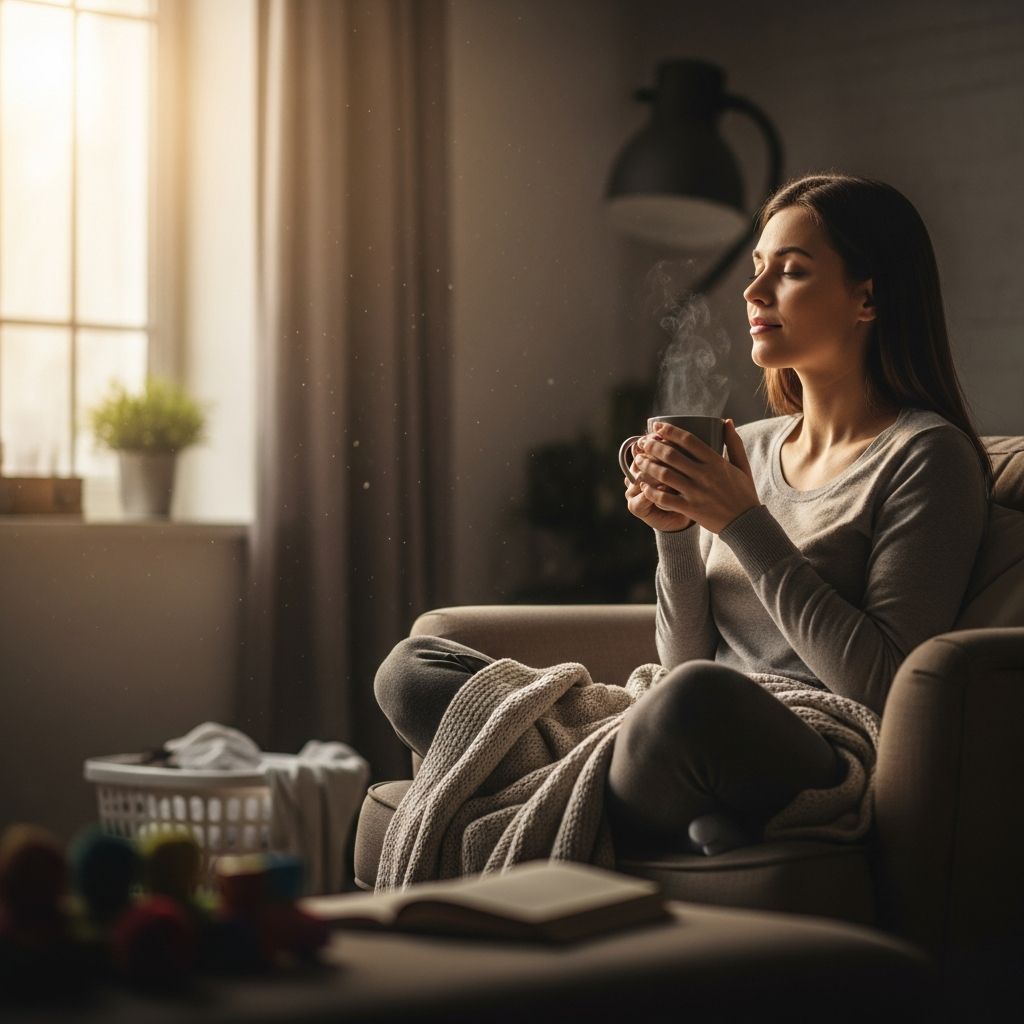
Every individual needs a private nook for recharge. Carve out a reading corner with a comfortable chair, dim lamp, and favorite books—off-limits to toys or gadgets. Protect this space rigorously to model self-care boundaries for children.
Family rhythms anchor daily peace. Establish routines like morning tidy-ups or pre-bedtime wind-downs. Mindful communication—speaking in measured tones—sets a calm precedent. Limit screen exposure, especially blue light before bed, as per sleep research from the National Institutes of Health, to preserve natural circadian rhythms.
Encourage outdoor play to expend energy, returning indoors refreshed. Delegate age-appropriate tasks, building teamwork and reducing parental burden.
Nurturing Mindset and Lasting Habits
A serene home reflects inner peace. Place affirming notes or artwork with messages like ‘Breathe’ or ‘Pause’ as gentle reminders. Integrate mindfulness practices: short family meditations or gratitude shares at dinner.
Plan for high-stress periods, like holidays, by pre-organizing and scaling back commitments. Music’s therapeutic power, backed by psychological studies, can shift atmospheres—choose uplifting yet mellow tracks.
Periodically audit your space: does it still serve peace? Adjust as family needs evolve.
Frequently Asked Questions (FAQs)
How do I declutter with resistant family members?
Involve everyone by making it collaborative—set fun challenges or rewards. Start small to build momentum and demonstrate benefits through visible calm.
What’s the best color scheme for a multi-child home?
Neutral bases with personalized accents in each child’s zone balance unity and individuality without chaos.
Can plants really improve home atmosphere?
Yes, they filter toxins and boost mood via biophilic design principles, as supported by environmental health research.
How to maintain peace during busy seasons?
Prioritize core routines, prep meals ahead, and schedule ‘quiet hours’ to recharge collectively.
Are scented candles safe for homes with kids and pets?
Opt for non-toxic, soy-based with essential oils; ventilate well and place out of reach.
Practical Implementation Timeline
Week 1: Declutter high-traffic areas like entryways and kitchens.
Week 2: Reorganize storage and introduce zoning.
Week 3: Infuse sensory elements and create personal spaces.
Ongoing: Enforce routines and monthly audits.
These steps, when layered, compound into profound tranquility. Your home becomes a living testament to intentional living, where peace isn’t accidental but architected.
References
- Indoor Plants and Mental Health — World Health Organization. 2023-05-15. https://www.who.eu/publications/i/item/WHO-EURO-2023-11428-47927-72862
- Effects of Clutter on Psychological Health — Princeton University Neuroscience Institute. 2022-11-10. https://pni.princeton.edu/research/clutter-study
- Blue Light and Sleep Disruption — National Institutes of Health. 2024-02-20. https://www.nih.gov/news-events/news-releases/blue-light-exposure-night-may-disrupt-sleep
- Music Therapy for Stress Reduction — American Psychological Association. 2023-08-05. https://www.apa.org/monitor/2023/08/music-therapy-stress
- Biophilic Design Guidelines — U.S. Environmental Protection Agency. 2024-01-12. https://www.epa.gov/sustainable-management-buildings/biophilic-design
- Minimalism and Well-Being — Harvard T.H. Chan School of Public Health. 2022-09-18. https://www.hsph.harvard.edu/news/features/minimalism-well-being/