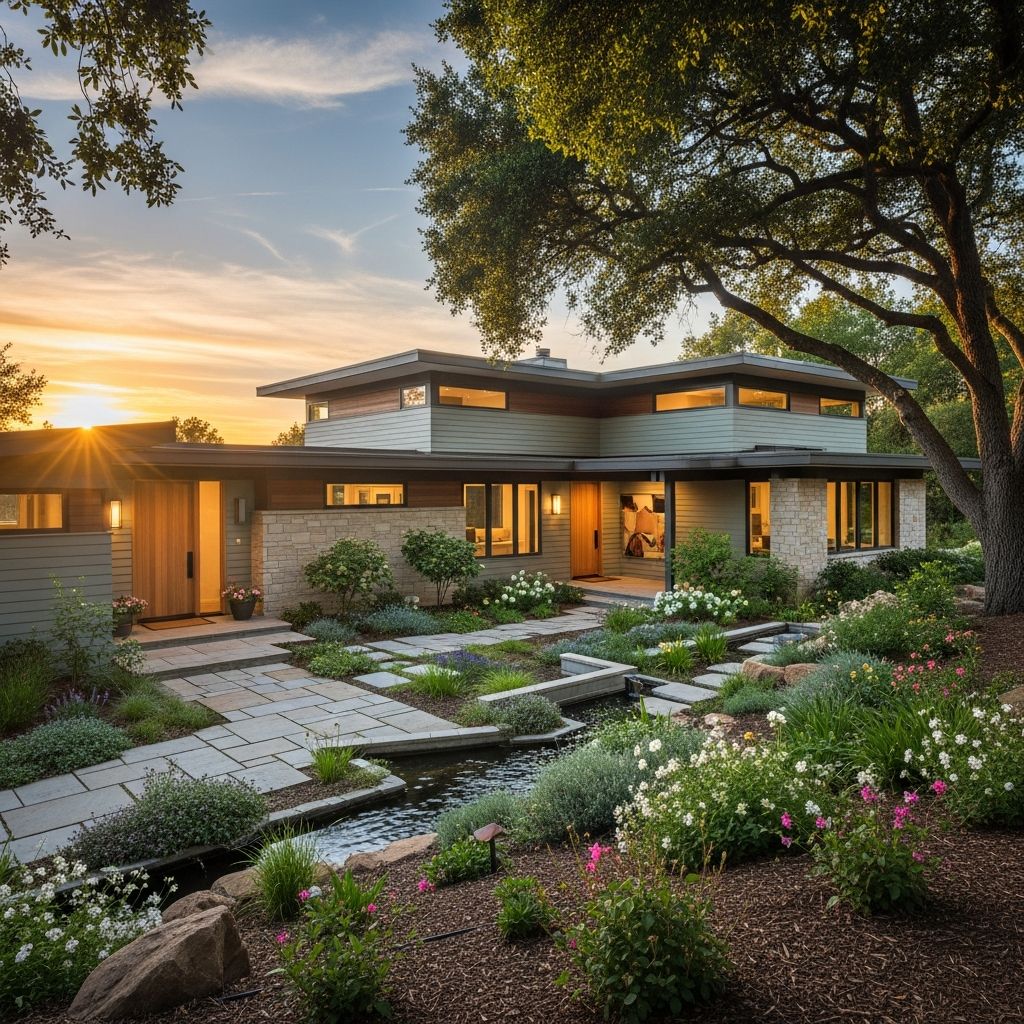
In today’s fast-paced world, your home should serve as a refuge where family members recharge and connect. Creating this serene environment involves intentional choices in organization, aesthetics, and daily practices that promote relaxation and reduce tension. This guide explores comprehensive approaches to cultivate tranquility, drawing from proven principles of design and psychology tailored for family life.
Establishing Order Through Decluttering
A cluttered space often mirrors a cluttered mind, amplifying daily stress especially in households with children. Begin by conducting a thorough audit of each room, assessing items for necessity and joy they bring. Donate or discard what no longer serves, focusing on one area at a time to avoid overwhelm.
- Sort belongings into categories: keep, donate, recycle, or trash.
- Implement the ‘one-touch’ rule—handle items once and place them in their designated spot.
- Involve family members, turning it into a game for kids to build ownership.
Regular maintenance prevents buildup; dedicate 15 minutes daily to tidying high-traffic zones like the kitchen counter or entryway. Professional organizers recommend weekly deep cleans for sustainability, ensuring long-term calm.
Strategic Storage for Seamless Flow
Every item needs a designated ‘home’ to maintain order effortlessly. Invest in multifunctional furniture such as ottomans with hidden compartments or under-bed drawers, maximizing vertical space with open shelves for frequently used essentials.
| Room | Storage Solution | Benefit |
|---|---|---|
| Living Room | Baskets and modular cubes | Quick toy and remote storage |
| Kitchen | Pull-out pantry organizers | Easy access, reduces search time |
| Bedroom | Valet trays for nightly routines | Promotes winding down |
| Play Area | Wall-mounted bins | Encourages independent cleanup |
Label containers clearly, using pictures for young children, to reinforce habits and create visual harmony that soothes the eye.
Curating a Calming Color Palette
Colors profoundly influence mood; soft neutrals like beiges, soft grays, and pale blues evoke peace, while vibrant hues can energize excessively. Test samples in natural and artificial light to ensure they harmonize throughout the day.
- Prioritize muted tones for walls and large furniture.
- Incorporate subtle accents via cushions or artwork for personality without overstimulation.
- Opt for textures like linen or wool over bold patterns to add depth calmly.
Monochromatic schemes, or ‘color drenching,’ unify spaces, reducing visual noise as noted in design psychology.
Mastering Lighting for Restful Ambiance
Layered lighting mimics natural circadian rhythms: bright task lights for day, warm glows for evenings. Maximize daylight with sheer curtains and mirrors; evenings call for dimmable lamps and candles.
Create a ‘lighting journey’—transition from cool whites in activity areas to amber hues in relaxation zones, signaling the body to unwind before bed. Avoid harsh overheads; string lights or floor lamps foster coziness.
Integrating Nature for Grounded Serenity
Biophilic design connects indoors with outdoors, lowering cortisol via greenery and natural elements. Place low-maintenance plants like snake plants or pothos in corners, and consider a small indoor water feature for soothing sounds.
- Select air-purifying varieties for health benefits.
- Incorporate wooden accents or stone bowls for organic texture.
- Encourage outdoor playtime to reset energy levels indoors.
Studies affirm nature exposure reduces anxiety, making it ideal for family sanctuaries.
Sensory Harmony: Scents, Sounds, and Textures
Engage senses mindfully—lavender or eucalyptus diffusers promote relaxation, while soft throws and rugs invite touch. Curate playlists of ambient nature sounds or gentle instrumentals for background calm.
Limit screens, especially in bedrooms, to preserve melatonin production. Establish tech-free zones or times to deepen presence.
Defining Zones for Purposeful Use
Segment your home functionally: a quiet reading nook, active play zone, and sacred sleep sanctuary. This zoning prevents chaos bleed-over, with the bedroom reserved for rest only—no work or TVs.
Use rugs or furniture arrangements to delineate areas subtly, enhancing flow and reducing accidents in busy family settings.
Daily Routines and Mindful Habits
Consistency breeds peace; simple rituals like morning tidy-ups or evening wind-downs anchor the day. Delegate chores via a family chart, empowering kids and sharing load.
- Plan for high-traffic periods with prep-ahead strategies.
- Incorporate gratitude moments, like fridge notes affirming calm.
- Prioritize sleep hygiene with consistent bedtimes.
Personalizing with Joyful Elements
Surround yourself with beloved items sparingly—cherished photos, meaningful art—to infuse warmth without clutter. Rotate seasonally to keep freshness alive.
Frequently Asked Questions
How do I start decluttering with kids?
Make it fun with timers and rewards; sort toys together, keeping favorites and donating others to teach generosity.
What colors best suit a family home?
Neutrals like soft grays and beiges with green accents for playfulness and calm.
Can plants thrive in low-light homes?
Yes, opt for ZZ plants or peace lilies, which purify air and endure shade.
How to enforce screen limits?
Set family media rules and use timers; replace with board games or stories.
What’s a quick calm booster?
Light a scented candle and play soft music while tidying for 10 minutes.
References
- How to Create a Calm Home: 20 Tips for A Peaceful Home — Balance Through Simplicity. 2023-05-15. https://balancethroughsimplicity.com/how-to-create-a-calm-family-home/
- Calm Interior Design: How to Create a Calm Home — Slow Living LDN. 2024-02-10. https://slowlivingldn.com/journal/interiors/calm-interior-design/
- The Complete Guide to Creating a Peaceful Home — Spoken Flames. 2023-11-20. https://spokenflames.com/blogs/lifestyle/guide-to-creating-a-peaceful-home
- How to Make Your Home a Place of Rest and Calm in 8 Steps — NYU Mind. 2022-08-20. https://wp.nyu.edu/mind/2022/08/20/how-to-make-your-home-a-place-of-rest-and-calm-in-8-steps/
- Creating a Peaceful Home Environment — Lombardo Homes. 2024-01-05. https://lombardohomes.com/blog/creating-a-peaceful-home-environment