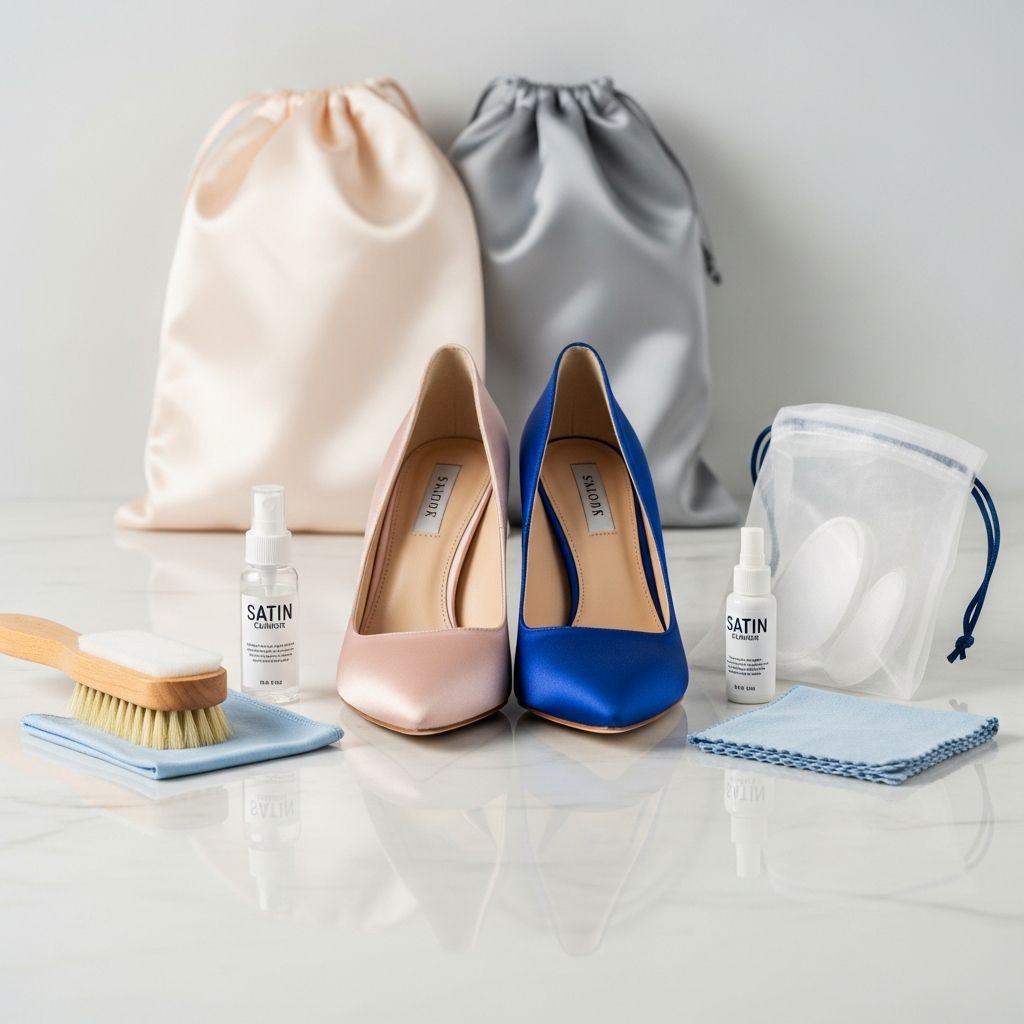
Satin shoes are often the stars of special occasions—weddings, proms, galas, and milestone celebrations—but their delicate fabric can make them feel intimidating to care for. With the right techniques, though, satin heels and flats can stay beautiful well beyond a single event.
This guide walks through everything you need to know: how to protect satin before you wear it, how to clean different types of stains, what to avoid at all costs, and how to store your shoes so they stay ready for their next outing.
Understanding Satin Shoes (In Plain Language)
Before diving into cleaning, it helps to understand what satin actually is. Satin is a type of weave rather than a specific fiber, which is why satin shoes can be made from silk, polyester, rayon, nylon, or blends. The smooth, shiny finish comes from how the threads are woven, not just from the material itself.
This matters because different fibers react differently to water, cleaning products, and heat. Some synthetic satins are more forgiving, while silk or acetate blends can be extremely sensitive and may stain or change texture if treated incorrectly.
- Silk or acetate satin: tends to be more delicate and more prone to water marks.
- Polyester or nylon satin: usually more durable and often slightly easier to clean.
- Blended fibers: behavior can be unpredictable, so testing products on an inconspicuous area is essential.
Because most shoes are labeled with vague terms like “fabric upper,” always assume the material is delicate and treat it gently unless a professional specifically confirms otherwise.
Why Satin Shoes Get Damaged So Easily
Satin shoes pick up wear much faster than leather or synthetic smooth finishes. The weave exposes more of the thread surface, which means dirt, moisture, and friction all leave visible traces. Even a light brush against a rough surface can create a snag or dark streak.
On top of that, moisture—especially water that contains minerals—can leave rings or clouded patches that are very hard to reverse once they set. That is why prevention is as important, if not more important, than cleaning after the fact.
- Friction causes scuffs and dull spots where the sheen disappears.
- Water and spills can create permanent tide marks or discoloration.
- Dirt and dust embed between threads and become harder to remove over time.
Pre-Wear Protection: The Best Time to Start Caring
The most effective satin shoe care routine starts before the shoes ever leave the house. Taking 10–15 minutes up front can save hours of cleaning later and even prevent irreversible damage.
Check the Fit and Environment
Poorly fitting satin shoes are more likely to crease, rub, and show deep pressure marks. Before wearing them out, walk around indoors on clean flooring to ensure the fit is secure but not painfully tight. This is especially important for pointed toes and narrow straps.
- Avoid wearing new satin heels for the first time on cobblestones, rough pavement, or muddy lawns.
- If the event involves grass or gravel, consider heel protectors or wedges to minimize sinking and staining.
- Plan transportation so you are not forced to walk long distances outdoors in them.
Use a Fabric-Protecting Spray (If Safe)
Many people choose to use a clear, fabric-protecting spray to add a water- and stain-resistant barrier to satin shoes. This can help repel light splashes or surface dirt, but it must be selected and applied carefully.
- Choose a spray that explicitly mentions use on delicate fabrics or bridal shoes.
- Test first on the inside of the heel or an area that’s rarely visible.
- Apply in light, even passes rather than saturating the fabric.
- Allow the shoes to dry completely in a well-ventilated, shaded area.
If the test patch darkens, stiffens, or becomes blotchy, skip the spray and focus on careful wear and professional cleaning when needed.
What to Avoid with Satin Shoes
Knowing what not to do is just as critical as learning the right cleaning methods. A single misstep—like scrubbing a stain or soaking the entire shoe—can turn a small mark into a much more noticeable problem.
| Mistake | Why It’s a Problem | Better Approach |
|---|---|---|
| Soaking shoes in water | Causes water rings, loss of sheen, and distortion of the fabric | Spot-treat only, using minimal moisture and gentle dabbing |
| Scrubbing stains hard | Pushes dirt deeper and roughens the surface | Blot with a soft cloth using light pressure |
| Using harsh cleaners or bleach | Can strip color, weaken fibers, and create new marks | Opt for mild, fabric-friendly cleaners or professional services |
| Drying near intense heat | May shrink the fabric, warp the structure, or yellow light satin | Air-dry at room temperature away from direct sunlight |
| Storing loose in a crowded closet | Encourages crushing, snagging, and color transfer | Use a box, dust bags, or tissue to separate and support the shoes |
After-Event Routine: First Aid for Your Satin Shoes
What you do right after wearing satin shoes can determine how long they last. Even if they look fairly clean, it’s worth giving them a quick check and light refresh before putting them away.
Step 1: Remove Loose Dirt and Dust
Start by gently shaking or tapping the soles together to dislodge any loose dirt. Then, use a very soft, clean brush or cloth to lightly sweep the surface in one direction. The goal is to lift off particles sitting on top of the weave before any moisture touches the fabric.
- Use a soft makeup brush, baby hairbrush, or dedicated shoe brush reserved for fabric.
- Brush with the grain of the fabric rather than back and forth.
- Avoid pressing down; let the tool do the work.
Step 2: Blot Fresh Marks Promptly
If you notice a fresh splash or spot, act quickly but gently. Place a clean, white, lint-free cloth against the area and let it absorb as much moisture as possible without rubbing. Blotting reduces the chance of a defined ring forming as the area dries.
- Always use white or undyed cloths to prevent color transfer.
- Work from the outer edge of the spot inward to keep the stain from spreading.
- If the fabric is very sensitive, stop after blotting and consider professional cleaning.
Home Cleaning Methods for Satin Shoes
Not every mark requires a trip to a cleaner. Some light stains and everyday grime can be carefully addressed at home, as long as you take your time and avoid over-wetting the shoe. The safest strategy is always to start with the gentlest option and gradually increase intensity only if necessary.
Light Surface Cleaning
For faint smudges or a general dull look, dry cleaning methods (no water) are the least risky. This approach focuses on lifting dirt and refreshing the appearance, not deep stain removal.
- Use a dry, soft microfiber cloth and gently dab—do not drag—over the area.
- For slightly deeper marks, a specialized fabric shoe wipe designed for delicate materials may help.
- Stop immediately if the fabric begins to fuzz, pill, or lose its shine.
Careful Spot Cleaning with Minimal Moisture
If dry methods are not enough and the fabric type is known to tolerate some moisture (for example, many synthetic satins), a cautious spot-cleaning routine can be tried. This is best for light, recent stains rather than old, set-in discoloration.
- Prepare a tiny amount of mild, fabric-safe cleanser diluted with cool or lukewarm water. Think “barely soapy,” not a rich lather.
- Dip the corner of a white cloth or a very soft brush into the solution, then blot on another cloth or paper towel to remove excess moisture.
- Gently dab the stained area, keeping the treatment zone as small as possible.
- Follow with a clean, damp (not wet) cloth to remove any cleanser residue.
- Finally, blot with a dry cloth and allow the shoe to air-dry completely.
Always test this method on a hidden area first. If the test patch darkens permanently, changes texture, or develops a ring, discontinue and seek a professional instead of proceeding.
When to Call a Professional Cleaner
There are times when a professional is the safest choice: large stains, unknown fabric combinations, or shoes with sentimental or financial value such as bridal heels or designer pumps. Many dry cleaners either specialize in, or have partners for, cleaning fabric shoes.
- Ask whether the cleaner has specific experience with wedding shoes or evening footwear.
- Show them the stains in good light and describe what caused them (mud, wine, oil, grass, etc.).
- If the shoes are dyed, mention this so they can assess colorfastness before treatment.
Professional services can often even out water marks, reduce the appearance of scuffs, and remove deep dirt without rough handling. While there is a cost, it is often less than replacing special-occasion shoes.
Long-Term Storage: Keeping Satin Shoes Event-Ready
Once your satin shoes are clean and dry, proper storage prevents new damage from dust, light, and accidental crushing. Good storage also helps the shoes maintain their shape, which is especially important for pointed or open toes and sculpted heels.
Shape and Support
Stuffing or supporting the interior of the shoe helps prevent deep creases from forming across the toe box. You do not need fancy equipment; a few simple materials can do the job well.
- Fill the front with acid-free tissue paper to support the shape.
- Avoid newsprint or colored paper, which can transfer ink or dyes.
- For frequently worn pairs, consider small, lightweight shoe trees designed for delicate shoes.
Protecting from Light and Dust
Light-colored satin, especially ivory or white, can yellow or discolor if exposed to light over long periods. Dust also settles into the fabric weave and dulls the finish if the shoes are left on open shelves.
- Store satin shoes in their original box, a fabric dust bag, or a lidded container.
- Keep them in a cool, dry place away from direct sunlight and humidity.
- Separate each shoe with tissue or individual bags to avoid friction and color transfer.
Special Cases: Bridal, Evening, and Colored Satin
Not all satin shoes are used in the same way, and some need extra thought. Bridal shoes, for instance, often face outdoor photography, grass, and long wear in a single day. Deeply colored or dyed satin may show fading or uneven marks more obviously than neutral tones.
Bridal and Special-Occasion Satin
For wedding or once-in-a-lifetime shoes, prevention and professional care become even more important. Many brides choose to have their shoes cleaned and preserved along with their dresses after the event.
- Consider scheduling a post-event cleaning in advance, especially during busy wedding seasons.
- If outdoor photos are planned, bring backup flats for walking between locations.
- After cleaning, store bridal shoes in an archival-quality box if they have sentimental value.
Dyed or Dark-Colored Satin
Boldly colored satin heels can show wear differently than pale shoes. Scratches can appear lighter than the base color, and any fading is more visible. Dyed shoes in particular may bleed or change hue if exposed to strong cleaners or excess moisture.
- Avoid using generic stain removers that do not specify colorfastness on delicate fabrics.
- Test any liquid-based treatment on a hidden seam before tackling a visible area.
- Keep dark satin away from lighter fabrics in storage to minimize the risk of color transfer.
Quick Satin Shoe Care Checklist
For fast reference, use this simple checklist before, during, and after wearing your satin shoes.
- Before wearing: test any protector on a hidden area, confirm fit indoors, and avoid harsh outdoor surfaces.
- During wear: stay clear of puddles, mud, and rough terrain when possible; handle spills by gently blotting.
- After wear: brush off loose dirt, spot-treat only if safe, and allow shoes to dry fully.
- Storage: support the interior with tissue, shield from light and dust, and keep each shoe separated.
Frequently Asked Questions About Satin Shoe Care
Can satin shoes ever be washed in a machine?
No. Even if the underlying fabric is a washable fiber, the construction of the shoe is not designed for machine washing. Agitation, spinning, and soaking can warp the structure, detach embellishments, and permanently distort the satin surface.
What if my satin shoes get caught in the rain?
Remove them as soon as practical, gently blot out as much moisture as possible with a white cloth, and let them air-dry away from direct heat. Once completely dry, assess the damage; if water marks remain, consult a professional cleaner rather than attempting aggressive at-home fixes.
How do I handle muddy satin heels from an outdoor event?
Allow heavy mud on the soles to dry fully before brushing it off, but prevent wet mud from smearing onto the fabric. For any mud that touches the satin, gently lift what you can with a dry tool or cloth, then seek expert help for deeper stains, especially on pale shoes.
Is it safe to use a regular shoe polish on satin?
No. Shoe polishes and creams are designed for leather, not woven fabric. They can leave greasy patches, alter the color, and attract more dirt. Satin should be treated with fabric-appropriate products or professionally cleaned.
How often should I clean satin shoes?
Satin shoes do not need frequent deep cleaning, but they do benefit from light maintenance after each wear. A quick once-over to remove dust and address any new spots promptly will extend their life and reduce the need for intensive treatment later.
Final Thoughts on Satin Shoe Care
Caring for satin shoes is less about complicated products and more about gentle habits: prevent where possible, treat stains with patience and restraint, and store the shoes thoughtfully. When in doubt, err on the side of caution and involve a professional rather than risking irreversible damage with harsh DIY methods.
With this approach, satin heels and flats can remain gorgeous mementos of your favorite events instead of one-night-only accessories.