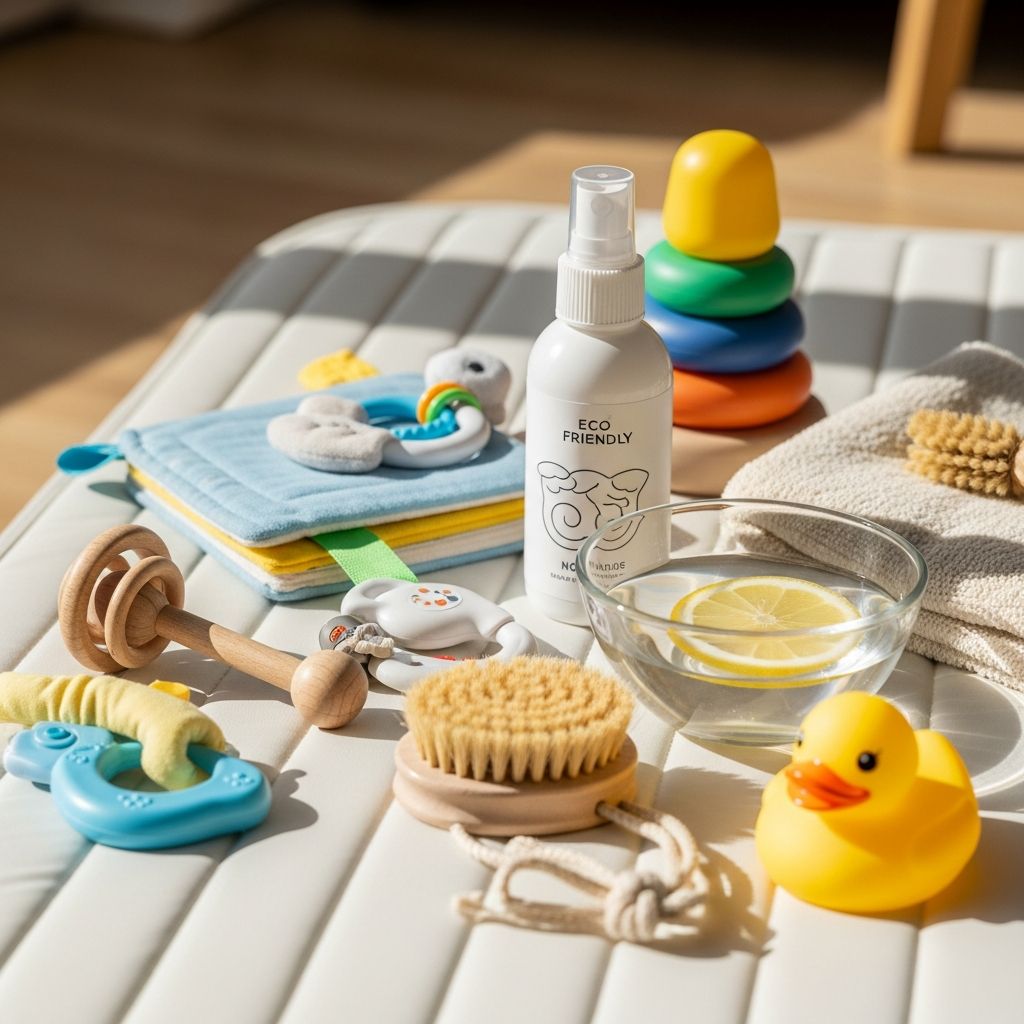
Baby toys spend a lot of time in tiny hands and mouths, which makes regular cleaning essential for your child’s health and safety. At the same time, you want to avoid harsh chemicals that can irritate delicate skin or leave behind residues.
This guide walks you through how to clean different types of baby toys, how often to wash them, and which gentle products and methods work best. The goal is to help you create an easy routine that keeps toys clean without taking over your entire day.
Why Toy Cleaning Matters More for Babies
Babies explore the world through touch and taste, so toys quickly pick up saliva, food, dirt, and germs. Their immune systems are still developing, which makes simple hygiene steps like toy cleaning a powerful way to reduce everyday exposure to illness-causing germs.
Clean toys also help prevent mold growth, lingering odors, and built-up grime, so your baby’s favorite items stay safe and last longer. A regular cleaning routine is less about perfection and more about keeping germs and dirt to a manageable level.
General Principles for Cleaning Baby Toys
Before looking at specific toy types, it helps to understand a few basic rules that apply almost everywhere:
- Always check labels first. Look for care tags, packaging instructions, or manufacturer guidelines for washing and drying.
- Use the gentlest effective method. Start with mild soap and water before moving to disinfectants or stronger products.
- Rinse thoroughly. Any cleaner that can irritate your baby’s skin or mouth should be fully rinsed off.
- Allow complete drying. Dry toys fully to prevent mold, mildew, and musty odors, especially with soft or hollow toys.
- Separate everyday cleaning from deep sanitizing. Routine washing removes dirt and most germs; occasional disinfection is for extra protection during sickness or after sharing.
Quick Reference: Best Cleaning Methods by Toy Type
| Toy Type | Routine Cleaning Method | Deeper Disinfection Option | How Often |
|---|---|---|---|
| Hard plastic rattles, rings, blocks | Wash in warm, soapy water and rinse well. | Soak in mild, baby-safe disinfectant solution if needed. | Weekly; daily if mouthed often. |
| Teething toys and silicone teethers | Hand wash with mild dish soap and hot water. | Occasional brief boil or steam if manufacturer allows. | Daily during heavy use. |
| Plush animals and fabric dolls | Machine wash in gentle cycle or hand wash. | Use hot water cycle if fabric label permits. | Every 1–2 weeks, or after illness. |
| Wooden toys | Wipe with damp cloth and mild soap. | Use light, natural disinfecting wipe and dry quickly. | Weekly or when visibly dirty. |
| Electronic or battery-operated toys | Wipe with a slightly damp cloth and mild cleaner. | Spot-disinfect high-touch areas with a baby-safe wipe. | Weekly and after sick days. |
| Bath toys | Rinse with clean water and let dry completely. | Soak periodically in a mild sanitizing solution. | Every few days; toss if moldy. |
Choosing Baby-Safe Cleaning Products
The products you use matter as much as how often you clean. Baby skin is thinner and more sensitive than adult skin, which means residues from harsh cleaners can be more irritating. As a rule, look for simple, fragrance-free formulas designed for sensitive skin.
You can choose from commercial baby-specific cleaners or simple household staples like mild, fragrance-free dish soap. Many parents also use simple water-and-vinegar solutions for non-porous surfaces, as long as toys are rinsed well afterward.
Ingredients to Prefer
- Mild, fragrance-free dish soap or castile soap.
- Plain white vinegar diluted with water for hard surfaces (avoid on some metals and delicate finishes).
- Hypoallergenic laundry detergent for soft toys and fabric parts.
Ingredients to Use With Caution
- Strong bleach or ammonia solutions, unless heavily diluted and fully rinsed off according to safety guidelines.
- Disinfectant sprays with heavy perfumes or dyes that may leave residues.
- Antibacterial products intended for adult use that may not be tested for baby items.
How Often to Clean Baby Toys
The right schedule depends on your baby’s age, the type of toy, and how the toy is used. Newborn toys that rarely leave the crib need less frequent cleaning than a teether that lives in the stroller and visits every surface within reach.
Use these guidelines as a starting point and adjust to your family’s reality, especially during cold and flu season or if siblings share toys.
- Daily or every few days: Teething toys, pacifier clips, toys that are frequently mouthed, and toys that travel outside the home.
- Weekly: Hard plastic toys, activity center attachments, play gym toys, and commonly used rattles.
- Every 1–2 weeks: Stuffed animals and soft dolls, especially favorites that go everywhere.
- After illness: Any toy your baby touched or mouthed while sick, focusing on high-touch items.
Cleaning Hard Plastic Toys
Hard plastic toys such as rattles, stacking cups, and basic blocks are usually the easiest to clean. Most can handle a warm water wash without warping or fading.
If the toy has no batteries or metal parts, you can often wash it in a sink or basin or even in the dishwasher if the manufacturer confirms it is dishwasher-safe.
Step-by-Step: Sink Washing
- Fill a basin or sink with warm water and a small amount of mild dish soap.
- Place toys in the soapy water and scrub with a soft cloth or brush, paying attention to crevices.
- Rinse each toy thoroughly with clean water until no suds remain.
- Allow toys to air dry completely on a clean towel or drying rack.
When Deeper Disinfection Helps
During illness or after a playdate, you may want to go beyond soap and water. In those cases, you can use a diluted, baby-safe disinfectant designed for non-porous surfaces, following the manufacturer’s instructions closely.
Be sure to give disinfectants enough contact time to work and then rinse again if the product directions advise it, especially for items that go in your baby’s mouth.
Cleaning Teething Toys and Silicone Items
Teething toys and silicone items spend the most time in your baby’s mouth, so gentle but thorough cleaning is key. Many are designed to handle higher temperatures, but you should always verify the label before boiling or steaming.
For everyday care, hand washing is usually sufficient, with occasional high-heat sanitizing if allowed.
Daily Hand-Wash Routine
- Rinse the toy under warm running water to remove obvious debris.
- Apply a small amount of mild, fragrance-free dish soap and gently rub all surfaces.
- Rinse thoroughly until no slippery soap residue remains.
- Let the toy air dry on a clean towel, making sure water can drain out of any holes.
Occasional High-Heat Sanitizing
If the manufacturer indicates that the toy is safe to boil or steam, you can occasionally use heat for deeper sanitizing. A short boil in clean water or a steam sterilizer (often used for bottles) can reduce more germs than simple washing.
Avoid extreme heat on toys that contain gels, liquids, or electronics, and always let toys cool and dry completely before giving them back to your baby.
Cleaning Plush Toys and Fabric Dolls
Stuffed animals and fabric dolls can harbor dust, drool, spilled milk, and more. Fortunately, many are machine-washable, but you should always check seams, labels, and any delicate details first.
When in doubt, a gentle wash cycle or careful hand wash can keep favorite loveys clean without falling apart.
Machine Washing Soft Toys
- Check labels and remove any batteries, sound boxes, or removable parts.
- Place the toy in a mesh laundry bag or pillowcase for extra protection.
- Use a gentle cycle with cold or warm water and a hypoallergenic detergent.
- Air dry flat or tumble dry on low if allowed; avoid high heat that can damage stuffing or glued-on features.
Hand Washing Delicate Favorites
- Fill a basin with lukewarm water and a small amount of mild detergent.
- Submerge the toy and gently squeeze water through the fabric rather than scrubbing harshly.
- Rinse repeatedly with clean water until the water runs clear.
- Gently press out extra water with a towel and lay flat to dry, reshaping as needed.
Cleaning Wooden Toys
Wooden toys are sturdy and beautiful but require a different cleaning approach because wood is porous and can warp or crack if soaked. Instead of dunking, focus on controlled moisture and quick drying.
A light cleaning routine keeps wooden toys smooth and safe, while still protecting any natural oils or finishes they may have.
Safe Routine for Wooden Pieces
- Prepare a small bowl of warm water with a drop or two of mild soap.
- Dip a soft cloth into the solution, wring it out well, and wipe the toy’s surface.
- Follow with a second cloth dampened with plain water to remove any soap residue.
- Dry immediately with a clean towel and allow to air dry fully before storage.
Extra Considerations for Wood
Avoid soaking wooden toys or placing them in dishwashers, as prolonged water exposure can swell the wood and weaken joints. If a wooden toy begins to splinter or crack, retire it from baby use, especially if your child still mouths toys.
For unpainted or natural-finish pieces, some parents occasionally apply a small amount of food-grade oil (like mineral or beeswax blends) to keep the wood conditioned, but this is optional and should be done sparingly.
Cleaning Electronic and Battery-Operated Toys
Electronic toys need special care because water can damage internal components. The goal is to clean the surfaces your baby touches without allowing moisture inside battery compartments or speaker areas.
For these toys, you will mainly rely on wipes, lightly damp cloths, and careful spot cleaning instead of full immersion.
Safe Wipe-Down Method
- Switch the toy off and remove batteries if possible.
- Use a cloth lightly dampened with water and a drop of mild soap to wipe handles, buttons, and surfaces.
- For narrow spaces around buttons, use a cotton swab slightly dampened with the same solution.
- Follow with a cloth dampened with clean water to remove any residue, avoiding openings and seams.
- Let the toy air dry completely before replacing batteries or turning it on.
When to Disinfect Electronics
During illness or after sharing with multiple children, you can use a baby-safe disinfecting wipe on high-touch areas. Ensure the wipe is not saturated to the point of dripping, and keep it away from open battery compartments.
Allow the toy’s surface to stay visibly wet for the time listed on the product’s label, then, if recommended, wipe again with a clean damp cloth before handing it back to your child.
Cleaning Bath Toys and Preventing Mold
Bath toys live in warm, damp spaces where mold and mildew love to grow. Squeeze toys that hold water inside are especially prone to hidden buildup you cannot easily see.
Regular rinsing and thorough drying help, but periodic deeper cleaning and careful culling of problem toys are just as important.
Simple Post-Bath Routine
- After each bath, rinse toys with clean, clear water.
- Squeeze out as much water as possible from hollow toys.
- Place toys in a well-ventilated drying rack or mesh bag where air can circulate.
Spotting and Handling Mold
If a bath toy smells musty, shows black spots, or squirts out discolored water, it is safest to discard it. Mold inside sealed or hollow toys is difficult to remove completely.
To reduce the risk of mold in the future, consider bath toys that do not hold water internally, such as solid cups, boats, and silicone shapes without holes.
Creating a Realistic Toy-Cleaning Routine
Keeping every toy spotless at all times is impossible, especially in a busy household. Instead, aim for simple habits that fit your day and focus your efforts where they matter most.
Combining small, daily actions with occasional deeper cleaning makes toy care feel manageable rather than overwhelming.
Time-Saving Tips for Busy Parents
- Keep a small basket labeled “dirty toys” to collect items that need washing.
- Wash a batch of hard toys in the sink while your baby naps or after bedtime.
- Pick one day each week for laundering plush toys and fabric items.
- Store a pack of baby-safe wipes near play areas for quick cleanups.
Frequently Asked Questions About Cleaning Baby Toys
1. Do all baby toys need to be disinfected every time?
No. Regular washing with mild soap and water is usually enough for everyday use. Disinfection is most useful during sickness, after playdates, or when toys have been exposed to high-germ environments like waiting rooms or childcare centers.
2. Is vinegar safe for cleaning baby toys?
Diluted white vinegar is commonly used as a natural cleaner for non-porous surfaces. If you choose to use it, make sure toys are thoroughly rinsed and dried before your baby plays with them so there is no lingering odor or taste.
3. Can I use regular household disinfectant wipes on baby toys?
Many general disinfectant wipes are designed for adult environments and may contain strong fragrances or chemicals. If you use them, limit them to non-mouthed toys, follow label directions, and, when recommended, wipe again with a clean damp cloth before giving the toy back to your baby.
4. How should I clean second-hand or hand-me-down toys?
Start by inspecting toys for loose parts, cracks, peeling paint, or rust, and discard anything that seems unsafe. Then wash appropriate items with soap and water, and, if needed, follow with a baby-safe disinfecting step before letting your baby use them.
5. When should I throw away a toy instead of cleaning it?
Retire toys that are cracked, splintered, missing parts, or growing visible mold. Toys that cannot be properly cleaned or sanitized, especially hollow bath toys with internal mold, are safer to replace than to attempt to rescue.