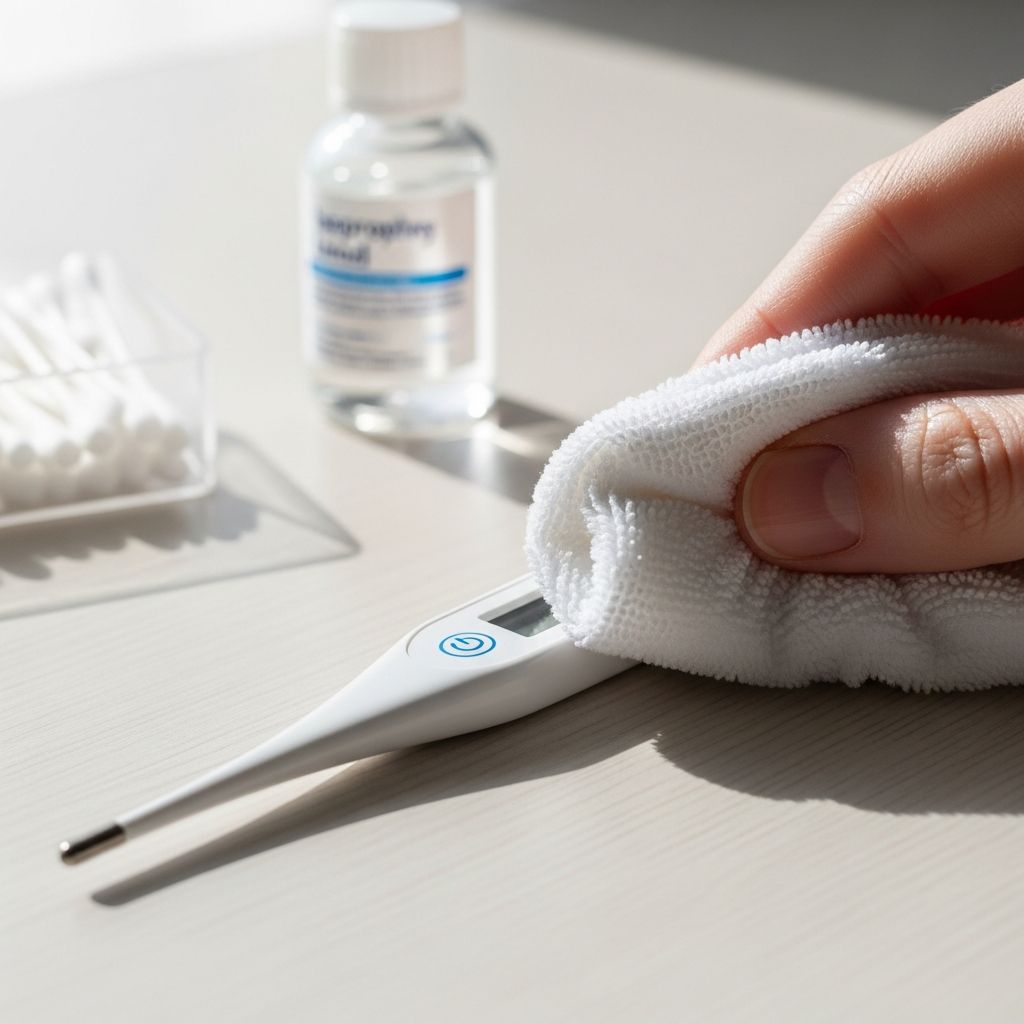
Thermometers are vital tools for monitoring fevers in households, but they can harbor bacteria and viruses if not cleaned properly. Regular disinfection prevents the spread of illnesses, especially when used on children or shared among family members. This comprehensive guide outlines tailored cleaning methods for various thermometer types, drawing from reliable health practices to keep your devices hygienic and functional.
Why Thermometer Hygiene Matters for Family Health
Maintaining a clean thermometer is crucial for accurate temperature readings and infection control. Germs from saliva, mucus, or skin can linger on the probe, potentially transmitting illnesses like colds, flu, or even more serious pathogens. Health experts emphasize cleaning before and after each use to minimize risks, particularly in homes with vulnerable individuals such as infants or immunocompromised people.
Neglecting this step can lead to cross-contamination. For instance, using a soiled thermometer on multiple people increases exposure to bodily fluids carrying bacteria or viruses. Proper cleaning not only extends the device’s lifespan but also ensures reliable results, avoiding false readings that might delay medical attention.
Essential Supplies for Effective Cleaning
Gather these items before starting to streamline the process:
- 70% isopropyl alcohol or alcohol wipes (at least 70% concentration for disinfection)
- Mild dish soap or antibacterial liquid soap
- Cotton balls, soft cloths, or lint-free swabs
- Cool running water
- Clean paper towels for drying
- Optional: Diluted bleach solution (1/3 cup bleach per gallon of water) for non-electronic models
These supplies are readily available and safe for most thermometers when used correctly. Always check your device’s manual for specific recommendations to avoid damage.
Cleaning Digital Thermometers: Quick and Precise Methods
Digital thermometers, popular for their speed and ease, require gentle handling to protect electronic components. Follow these steps for oral, axillary, or tympanic models:
- Pre-wash the probe: Rinse the tip under cool running water to remove residue. Use mild soap if needed, then rinse thoroughly.
- Disinfect: Wipe the probe and stem with a 70% alcohol wipe or a cotton ball soaked in rubbing alcohol. Ensure full coverage, especially around the sensor.
- Avoid electronics: Do not submerge or let liquid contact the display, buttons, or battery area. Turn off the device first.
- Rinse and dry: Rinse off alcohol residue with cool water, then pat dry with a soft cloth or air dry on a clean towel.
Repeat after every use. For waterproof models, a quick soap soak is fine, but confirm the label. This method kills 99% of common germs without harming the device.
Disinfecting Rectal Thermometers: Extra Caution Required
Rectal thermometers demand thorough cleaning due to fecal exposure risks. Prioritize before and after use:
- Before use: Wipe the tip with an alcohol-dipped cotton ball, squeezing out excess to avoid irritation. Let evaporate fully.
- After use: Wash with antibacterial soap and warm water to remove all traces. Follow with an alcohol wipe.
- Dry completely: Air dry on paper towel to prevent bacterial growth in moisture.
Digital rectal models follow similar digital steps but with added soap washing. This dual approach removes debris and disinfects effectively.
Handling Glass and Mercury Thermometers Safely
Though less common today, glass thermometers need careful cleaning to avoid breakage:
- Rinse under cool soapy water, scrubbing gently with a soft cloth.
- Disinfect by wiping with 70-90% alcohol on a cotton pad, covering the entire length.
- Rinse well, then air dry or use immediately without final rinse for alcohol residue protection.
- Store in a protective case once dry.
Mercury models require professional disposal if broken—never use vacuums. Soap and alcohol suffice for disinfection.
Infrared and Non-Contact Thermometers: Gentle Surface Care
Non-contact models reduce contamination but still need maintenance, especially after dusty or humid exposure:
- Wipe the lens or sensor first with a dry soft cloth to remove smudges.
- Use a cotton swab lightly dampened with water or medical alcohol—no soap or immersion.
- Clean the body similarly, avoiding excess liquid.
- Air dry fully before storage or use. Schedule cleanings every six months or post-exposure.
This preserves infrared accuracy, critical for forehead or temporal scans.
Bleach Solutions for Robust Disinfection
For glass or durable probes, a bleach mix offers strong germ-killing power:
| Step | Action | Time |
|---|---|---|
| 1. Preclean | Wash with dish soap, rinse | 1-2 min |
| 2. Mix solution | 1/3 cup bleach in 1 gallon water | Stir well |
| 3. Apply | Wipe or soak (glass only), keep wet | 6 min |
| 4. Rinse | Cool water thoroughly | 1 min |
| 5. Dry | Air dry or towel | Until dry |
Ideal for shared or high-risk settings, but skip electronics.
Common Mistakes to Avoid During Cleaning
Steer clear of these pitfalls for safety and efficacy:
- Using hot water, which can damage sensors or expand glass.
- Submerging non-waterproof devices, risking short-circuits.
- Skipping rinse after alcohol or bleach, leaving irritants.
- Storing damp, promoting mold or bacteria.
- Ignoring manuals—some models have unique needs.
Consistency prevents these issues, safeguarding health.
Storage Tips for Long-Term Hygiene
Post-cleaning storage is key:
- Keep in a clean, dry case away from direct sunlight.
- Label family thermometers to avoid mixing.
- Inspect regularly for wear; replace damaged ones.
- Sterilize cases monthly with alcohol wipes.
Proper storage maintains cleanliness between uses.
Frequency Guidelines: When to Clean Most
Every use: All household thermometers.
Daily: In multi-person illness scenarios.
Weekly: Unused infrared models.
Post-exposure: Dust, smoke, or spills.
Health organizations like WHO recommend post-patient disinfection.
Frequently Asked Questions (FAQs)
Can I use hand sanitizer on my thermometer?
No, hand sanitizers often contain gels that leave residue. Stick to 70% isopropyl alcohol.
How often should I replace my thermometer?
Every 1-2 years or if damaged. Signs include erratic readings or cracks.
Is boiling a safe cleaning method?
No, it warps plastics and sensors. Use alcohol or soap instead.
What if my thermometer gets fecal matter on it?
Soap wash first, then disinfect thoroughly. Isolate until clean.
Are alcohol wipes enough without rinsing?
For quick disinfection yes, but rinse after soap to remove debris.
Advanced Tips for Professional-Level Care
For frequent use, consider glutaraldehyde (per CDC) but home users should avoid due to toxicity. Rotate thermometers per person. Track cleaning logs during outbreaks for accountability.
In pediatric settings, disposable probe covers add protection—discard after single use.
References
- How to Clean & Disinfect a Thermometer — Clorox. 2023. https://www.clorox.com/learn/how-to-clean-disinfect-a-thermometer/
- How to Clean and Disinfect a Thermometer and When to Do It — Business Insider. 2023. https://www.businessinsider.com/reference/how-to-clean-a-thermometer
- How to Disinfect a Thermometer — TriMedika. 2024. https://trimedika.com/how-to-disinfect-a-thermometer/
- Cleaning and Caring for Your Infrared Thermometer — ThermoWorks. 2023. https://www.thermoworks.com/infrared-thermometry101-cleaning-caring-for-infrared/
- How To Clean a Thermometer — YouTube (Health Channel). 2022. https://www.youtube.com/watch?v=gHJ6diXzyi4