Bath time offers precious moments of bonding and relaxation for children, but maintaining a hygienic and secure environment is crucial for their health. A dirty bathtub can harbor bacteria, mold, and soap scum, potentially leading to infections, while safety oversights risk slips or scalds. This comprehensive guide provides practical strategies to thoroughly clean the bathtub, sanitize toys, and fortify safety protocols, ensuring every splash is safe and sanitary.
Understanding Hygiene Risks in Children’s Baths
Children’s bathtubs accumulate grime quickly due to frequent use, soap residues, body oils, and standing water. Bacteria like those causing listeriosis or Legionnaires’ disease thrive in moist environments, especially inside toys where water traps foster mold growth. Fungi and antibiotic-resistant microbes can spread to eyes, ears, or digestive systems if not addressed. Regular cleaning disrupts these threats, promoting healthier skin and reducing illness risks for young bathers.
Beyond microbes, slippery surfaces from soap buildup heighten fall dangers, and improper water temperatures invite burns. Parents must prioritize both cleanliness and prevention to transform bath time from a potential hazard into a joyful routine.
Essential Tools for Bathtub Deep Cleaning
Gather these items before starting to streamline the process:
- White vinegar or bleach (diluted)
- Dish soap (biodegradable preferred)
- Scrubbing brush, sponge, or microfiber cloth
- Gloves and optional goggles for chemical use
- Non-slip mat and squeegee for drying
- Bath thermometer for safety checks
These basics handle most cleaning needs without harsh chemicals, keeping the space child-friendly.
Step-by-Step Bathtub Cleaning Routine
Follow this sequence weekly or bi-weekly, depending on usage, to eliminate buildup effectively.
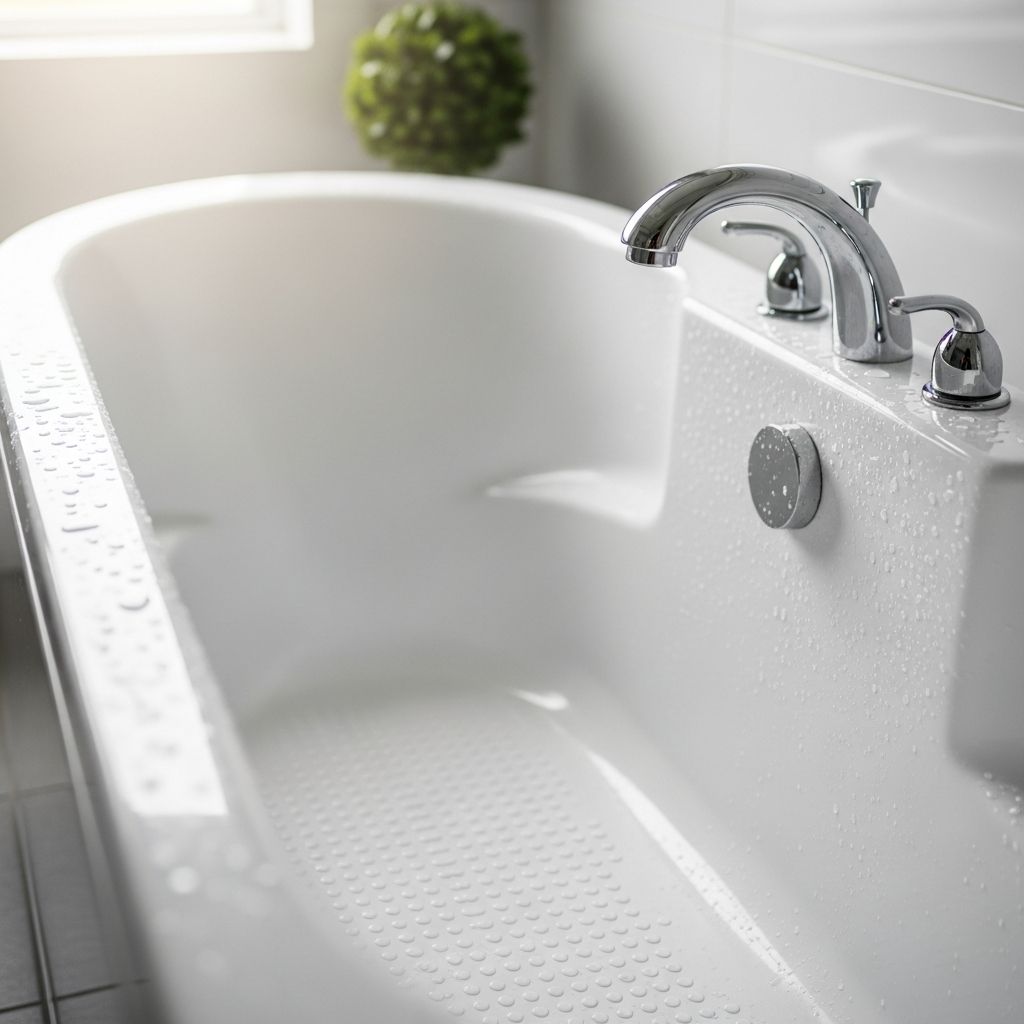
- Pre-Rinse: Run hot water over the tub to loosen debris and soap scum. This softens grime for easier removal.
- Apply Cleaner: Mix equal parts vinegar and dish soap in a spray bottle, or use a tub-specific cleaner. Spritz generously on surfaces, grout lines, and drains. Let sit 10-15 minutes to break down residues.
- Scrub Thoroughly: Use a brush for tough spots like crevices and tiles. For stubborn stains, employ a melamine cleaning eraser. Focus on the drain, where hair and gunk collect.
- Rinse Completely: Flush with hot water until no suds remain. Check by running your hand—if it feels smooth, it’s clean.
- Dry Immediately: Squeegee or towel-dry to prevent water spots and mildew. Air circulation speeds this up.
This method restores shine and sanitation in under 30 minutes, far outperforming lazy wipes.
Sanitizing Bath Toys: Proven Techniques
Bath toys like rubber ducks or squirt figures are mold hotspots if water lingers inside. Implement these methods based on toy material and your comfort with chemicals.
Bleach Disinfection (Deep Clean)
Ideal for heavy contamination:
- Mix ½ cup bleach in 1 gallon water in a ventilated area.
- Wear gloves; submerge toys, squeeze to fill interiors.
- Soak 10 minutes, rinse repeatedly until bleach scent fades.
- Air dry fully.
Vinegar Soak (Gentle Option)
Natural and safe for frequent use:
- Combine equal vinegar-water parts.
- Submerge and squeeze toys; soak 15 minutes to 24 hours.
- Rinse and dry upright.
Hot Water and Soap (Quick Daily)
Perfect for routine maintenance:
- Boil water, add dish soap to a basin.
- Soak toys 15 minutes, scrub exteriors.
- Rinse, wipe, and air dry on a rack.
Dishwasher top-rack cycles work too for heat-resistant toys.
Preventing Mold and Bacterial Growth
Proactive steps minimize future cleanups:
- Squeeze toys post-bath to expel water; rinse with soap.
- Dry on ventilated racks near windows, never store damp.
- Opt for hole-free toys or seal openings with hot glue.
- Wipe tub edges daily with disinfectant.
| Method | Time | Effectiveness | Best For |
|---|---|---|---|
| Bleach | 20 min | High (kills 99% bacteria) | Deep sanitizing |
| Vinegar | 15-24 hrs | Medium | Gentle, natural |
| Hot Soap | 15 min | Good | Daily/weekly |
Critical Bath Safety Measures for Families
Cleaning pairs with safety to avert accidents. Drowning risks persist even in shallow water, and slips cause thousands of injuries yearly.
Supervision and Water Control
- Never leave children under 6 unattended—stay within arm’s reach.
- Test water at 100°F using elbow or thermometer; set heaters to 120°F max.
- Keep water shallow (2-3 inches for infants).
Preventing Slips and Injuries
- Install non-slip mats inside tub and on floors.
- Cover faucets with soft pads to avoid head bumps.
- Drain tub fully post-bath; lock doors to bar re-entry.
Organizing the Bathroom for Child Safety
A tidy space reduces hazards:
- Store soaps, shampoos in locked cabinets—toddlers ingest them curiously.
- Secure medicines high with childproof caps.
- Use no-slip strips on tub floors; latch bathroom doors out of reach.
These habits foster independence safely as kids grow.
Choosing the Right Bath Products and Toys
Select mold-resistant, easy-clean toys without small parts. Opt for natural, tear-free shampoos to minimize irritations. Invest in quality mats and thermometers for long-term reliability.
Frequently Asked Questions
How often should I clean the bathtub?
Clean weekly for regular use, or more if multiple kids bathe daily. Daily wipes prevent buildup.
Can vinegar really kill mold in toys?
Yes, extended soaks (24 hours) effectively combat mild mold without harsh chemicals.
Is it safe to leave a 4-year-old alone in the tub?
No—constant supervision is required until age 6 or proven responsibility; slips happen fast.
What if my water heater is too hot?
Adjust to 115-120°F and install anti-scald valves for protection.
How do I clean grout lines effectively?
Spray vinegar solution, scrub with a brush, and rinse—repeat for deep stains.
Long-Term Maintenance for a Pristine Bath
Integrate cleaning into routines: Post-bath squeezes for toys, quick rinses for tubs. Monthly deep cleans with bleach tackle persistent issues. Educate older kids on safety rules, like sitting still and calling for help. Track toy conditions—discard cracked ones harboring germs.
Combining these practices yields a sparkling, secure bath oasis. Parents report fewer illnesses and stress-free routines after adoption. Embrace these tips for enduring family wellness.
References
- How To Clean Bathtub Toys — WebMD. Accessed 2026. http://www.webmd.com/parenting/how-to-clean-bathtub-toys
- Bath Safety: Essential Tips to Protect Your Child — Heartland Health. 2025-01. https://heartlandhealth.org/2025/01/bathsafety/
- Bathroom Safety Tips for Toddlers — Soft Scrub. Accessed 2026. https://www.softscrub.com/your-house-your-home/bathroom-safety-tips-for-toddlers.html
- The Easiest Way To Clean A Bathtub So Your Kids Aren’T Swimming in Germs — Romper. Accessed 2026. https://www.romper.com/p/the-easiest-way-to-clean-a-bathtub-so-your-kids-arent-swimming-in-germs-22632528
- 5 Bath Safety Tips Every Caregiver Should Know — NDPA. Accessed 2026. https://ndpa.org/bath-safety-tips/