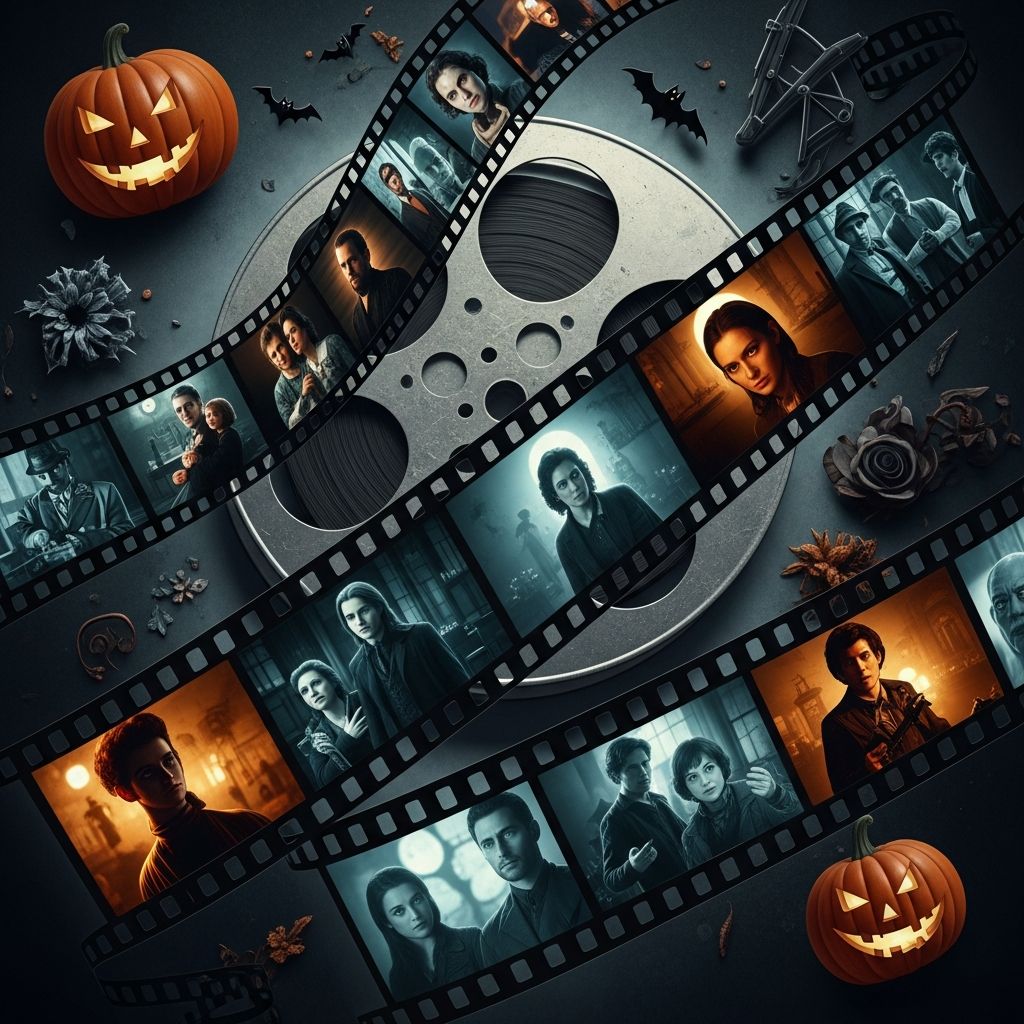
Choosing Your Perfect Halloween Movie Experience
As the autumn season approaches and decorations begin appearing in households across the country, many families and individuals turn to cinema as a central part of their Halloween celebrations. The challenge lies in finding appropriate content that matches both the age demographics of viewers and their comfort levels with frightening imagery. This comprehensive guide explores the landscape of Halloween cinema, from lighthearted adventures designed for young children to intense psychological thrillers crafted for experienced horror enthusiasts. Whether you’re planning a multigenerational movie night or a solo viewing experience, understanding the spectrum of available options allows for more informed decision-making and ultimately more satisfying entertainment choices.
Entertainment for the Youngest Viewers
Children aged three to seven benefit from Halloween content that incorporates playful elements without relying on genuinely disturbing imagery. This age group requires stories with reassuring narratives where problems are resolved through cooperation and friendship rather than violence or dark themes. The most successful films in this category balance the aesthetic trappings of Halloween—costumes, decorations, mild monsters—with positive character interactions and heartwarming resolutions.
Consider narratives featuring beloved animal characters or classic literary figures adapted for younger audiences. These options typically employ bright color palettes and whimsical character designs that make potentially scary elements feel approachable rather than threatening. Stories about acceptance and understanding different creatures help children process the concept of “otherness” in age-appropriate ways. The pacing of these films tends to be faster, with shorter runtime options available for children with limited attention spans.
Parents should look for films that avoid jump scares, gore, or genuinely menacing scenarios. Instead, gentle adventure and mild peril with clear resolution provide entertainment value without creating lasting anxiety about the holiday season.
Content for Elementary School Age Children
Children between eight and eleven years old typically enjoy more complex narratives while still requiring protection from genuine horror elements. This developmental stage involves increased cognitive capacity for understanding storytelling nuance, character motivation, and plot twists. Movies at this level can incorporate slightly more sophisticated humor, romantic subplots, and morally complex characters without crossing into genuinely frightening territory.
Animated features dominate this category, as the animation style naturally creates distance from realistic horror. Fantasy adventures with magical elements, mystery-solving plots, and ensemble casts appeal to this age group’s emerging social consciousness. The humor tends to operate on multiple levels, with wordplay and situational comedy that entertains both children and accompanying adults.
Supernatural themes become acceptable at this level, including ghosts, witches, and magical transformations, provided they’re presented in whimsical rather than menacing contexts. Stories exploring acceptance of differences and the value of diverse talents resonate strongly with elementary-age viewers beginning to understand social dynamics in more sophisticated ways.
Entertainment for Teenagers and Young Adults
The teenage demographic seeks more sophisticated narratives with genuine stakes and occasional frightening moments. This audience appreciates humor with sharper edges, character development reflecting their own experiences, and storytelling that respects their intellectual maturity. Films in this category can incorporate moderate horror elements, darker themes, and more complex moral landscapes.
Teenagers often enjoy meta-commentary about horror traditions and genre conventions. They appreciate films that simultaneously entertain and make viewers think about storytelling itself. Supernatural adventures with real danger, mystery elements requiring active viewer engagement, and characters facing genuine dilemmas create meaningful entertainment experiences for this age group.
The tolerance for frightening imagery increases at this stage, allowing for more intense suspense, higher stakes, and occasional graphic elements presented in non-gratuitous contexts. However, sustained psychological horror or traumatizing scenarios remain inappropriate, as adolescent brains continue developing emotional regulation and stress-processing capabilities.
Films Designed for Adult Audiences
Adult viewers often seek genuine scares, psychological complexity, and thematic depth that children’s entertainment cannot provide. Horror cinema for adults explores existential fears, philosophical questions, social commentary, and human psychology in ways that require mature perspective and life experience to fully appreciate. These films may contain graphic violence, disturbing imagery, sexual content, or intense psychological situations inappropriate for younger viewers.
Psychological horror, which emphasizes mental anguish and suspenseful tension over visual gore, appeals to sophisticated adult audiences. These narratives often feature unreliable narrators, moral ambiguity, and endings that resist simple interpretation. The best adult horror films function simultaneously as entertainment and as legitimate artistic expression worthy of critical analysis.
Adult audiences also appreciate horror subgenres including folk horror inspired by pagan traditions, body horror exploring visceral discomfort, found-footage narratives creating immersive unease, and social commentary horror addressing systemic injustice. These sophisticated approaches to the genre require adult cognitive frameworks for processing both the entertainment value and the underlying themes.
Classic Horror Cinema and Contemporary Reimaginings
The horror genre possesses a rich history spanning multiple decades and evolving techniques. Classic horror films from the mid-twentieth century typically relied on practical effects, shadows, and psychological suggestion rather than explicit imagery. These films often prove surprisingly effective despite their technical limitations, as the mystery and uncertainty create more enduring suspense than explicit revelation.
Contemporary horror cinema benefits from advanced cinematography, sophisticated sound design, and modern editing techniques allowing for complex narrative structures. Modern filmmakers frequently reference classic horror traditions while innovating new approaches to creating fear and suspense. Remakes and reimaginings of classic stories offer updated perspectives while potentially introducing new elements that refresh familiar narratives.
The cultural context surrounding horror films significantly impacts their effectiveness. Fears and anxieties prominent during specific historical periods often reflect in that era’s horror productions. Understanding this context enriches appreciation for both classic and contemporary horror cinema.
Animated Options Across Age Groups
Animation provides particular advantages for Halloween entertainment, as the stylization creates inherent distance from realistic horror. Animated features can explore dark themes, include sophisticated humor, and present visually striking imagery without the psychological impact of live-action equivalents. The animation style itself becomes part of the storytelling, with darker palettes and expressionistic designs contributing to atmosphere.
Animated films successfully serve multiple age groups simultaneously through layered storytelling. Children enjoy surface-level adventure and bright character moments, while adults appreciate underlying themes, clever dialogue, and artistic sophistication in the animation itself. This multi-generational appeal makes animated Halloween films particularly valuable for family viewing situations.
Planning Your Halloween Movie Night
Successful Halloween movie experiences require thoughtful planning considering viewer demographics, comfort levels, and group dynamics. When combining viewers of different ages, selecting content appropriate for the youngest present while interesting for adults requires careful consideration. Some families address this through staggered viewing schedules, allowing younger children earlier bedtimes while older family members continue viewing more mature content.
Consider the viewing environment when selecting films. Darker rooms enhance the effectiveness of suspenseful cinematography, while bright rooms minimize frightening elements. The time of viewing—early evening versus late night—influences psychological impact and may affect sleep quality for younger viewers.
Pairing movie viewing with seasonal snacks, decorations, and social interaction creates positive associations with Halloween entertainment. This contextual framing often proves as important as the film selection itself for creating memorable experiences.
Recommendations by Viewing Preference
| Audience Category | Preferred Content Style | Comfort Level with Scares | Ideal Runtime |
|---|---|---|---|
| Preschool (3-5 years) | Whimsical fantasy adventure | Very mild, no jump scares | 45-60 minutes |
| Elementary (6-10 years) | Magical mystery stories | Mild supernatural elements | 75-90 minutes |
| Teenagers (11-17 years) | Sophisticated adventure | Moderate scares acceptable | 90-120 minutes |
| Adults seeking light entertainment | Nostalgic classics | Mild to moderate | Variable |
| Adults seeking genuine horror | Psychological or intense horror | Strong tolerance for scares | Variable |
Frequently Asked Questions
How do I know if a film is appropriate for my child?
Beyond official ratings, read detailed reviews describing specific content concerns. Consider your child’s individual sensitivity to frightening images and their ability to distinguish fantasy from reality. Watching previews or clips beforehand helps assess appropriateness.
Can watching scary movies harm children psychologically?
Age-inappropriate horror can contribute to anxiety, sleep disturbances, and lasting fear responses. However, developmentally appropriate scary content within a supportive family context often provides safe exploration of fear and can build confidence in processing difficult emotions.
What should I do if a child becomes frightened during a film?A: Pause the film immediately and discuss their feelings. Reassure them about the fictional nature of the content. Provide comfort measures like dimming lights, physical proximity, or switching to less intense entertainment. Avoid forcing them to continue watching.
Q: Are subtitled or foreign-language horror films worth exploring?
Yes, international horror cinema offers unique perspectives and innovative approaches to the genre. Many acclaimed horror films originate from non-English-speaking countries and provide fresh takes on traditional themes.
How can adults enjoy Halloween films without appearing childish?
Halloween entertainment spans from genuinely frightening psychological horror to critically acclaimed artistic films exploring dark themes. Adult enjoyment of any quality cinema celebrating the season is entirely valid and increasingly socially normalized.
What are some lesser-known Halloween films worth discovering?
Beyond mainstream releases, exploring international cinema, independent productions, and critically acclaimed films from previous decades often reveals hidden gems. Film festivals and specialized streaming platforms feature curated selections of quality Halloween content.
References
- 50 Ultimate Halloween Family Movies to Watch in 2026 — Healthy Happy Impactful. 2026. https://healthyhappyimpactful.com/halloween-family-movies/
- List of horror films of 2026 — Wikipedia. 2026. https://en.wikipedia.org/wiki/List_of_horror_films_of_2026