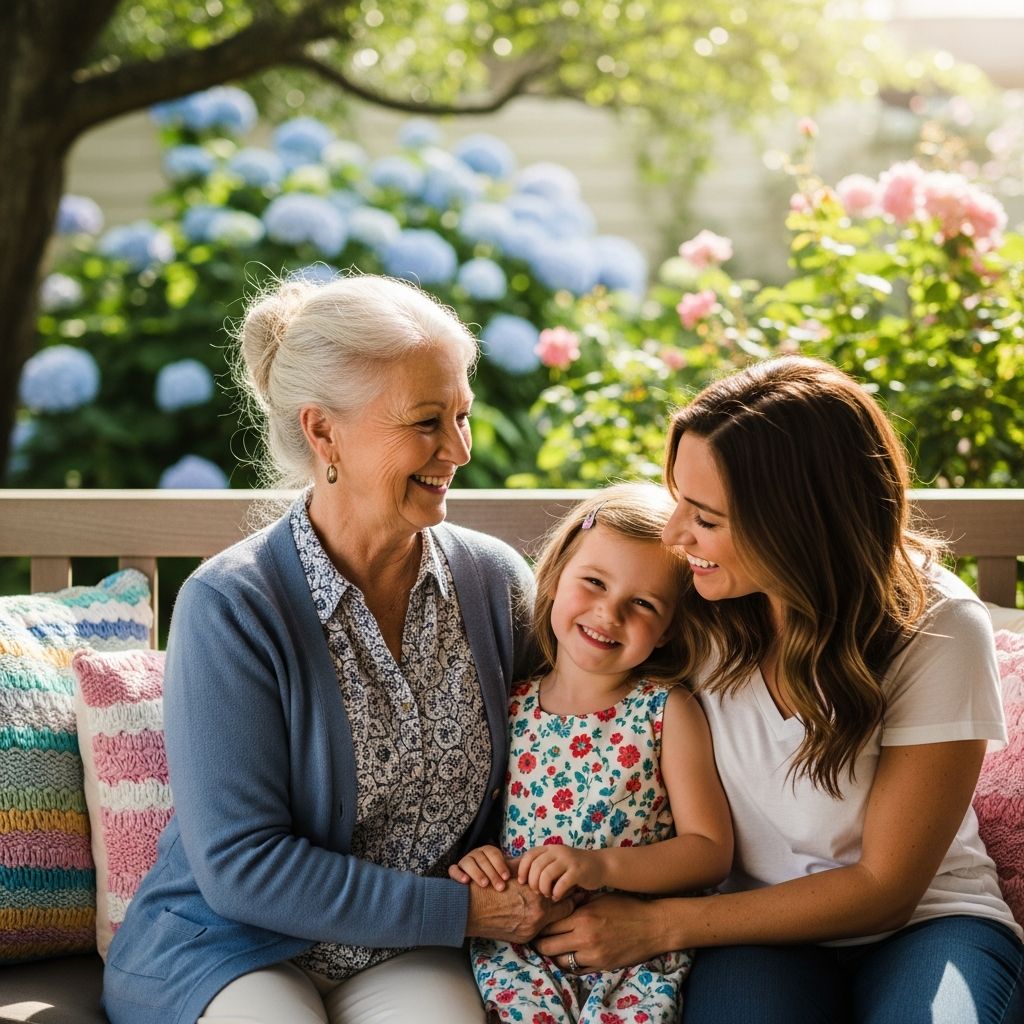
Becoming a grandmother is a major life milestone, and choosing what your grandchild will call you can feel surprisingly emotional and high-stakes. A simple nickname can carry family history, cultural identity, and a lifetime of memories, so it makes sense that many families overthink this tiny but powerful word.
This guide walks through how to choose a grandma name that feels right for you, fits your family’s style, and avoids unnecessary drama. It also looks at how modern families share (and sometimes compete for) grandparent names, plus plenty of ideas and FAQs to help you make a confident choice.
Why Grandma Names Matter More Than You Think
A grandma name is often the first word that defines your new relationship with a grandchild. It can shape how you see yourself in this role—playful, traditional, glamorous, low-key, or something entirely new. It also becomes a central part of your grandchild’s early language and connection with you.
Because of that, people often attach big feelings to a very small word. For some, it feels like the first public sign of getting older. For others, it symbolizes continuity—passing family roles down through generations. For many, it’s about identity: not just being “a grandma,” but being a specific kind of grandma.
Emotions Behind the Title
Before you pick a name, it helps to acknowledge the emotions that might be quietly powering the conversation. These feelings are normal, and recognizing them can keep discussions calm and compassionate instead of tense.
- Excitement: The name makes the role feel real and can be a joyful way to welcome this new chapter.
- Vulnerability: Some people feel self-conscious about names that sound “old,” especially if they still see themselves as youthful or in the middle of their career.
- Nostalgia: Many are drawn to names they called their own grandparents, creating a sense of connection and continuity.
- Territorial feelings: Long before the baby is born, relatives sometimes “claim” favorite titles, which can spark competition or hurt feelings.
Understanding that everyone may be carrying their own emotional baggage into the conversation can make it easier to consider compromises and new ideas.
Types of Grandma Names to Consider
There is no single “right” type of grandma name. Think of the possibilities as existing along a spectrum from classic and timeless to modern and highly personalized. Many families mix and match styles depending on personalities and backgrounds.
Traditional English-Language Names
These names are common in English-speaking countries and often feel familiar, cozy, and easy for young children to pronounce. They can also feel reassuring if your family values tradition or wants something instantly recognizable.
- Grandma
- Granny
- Nana
- Gran
- Grammy
Cultural and Heritage-Based Names
Many families choose a name that connects to their cultural background or a language that is meaningful in the household. This choice can gently reinforce heritage, especially if the grandchild is growing up in a different region or dominant culture.
- Italian: Nonna, Nonnina
- Spanish: Abuela, Abuelita
- French: Mémé, Mamie
- German: Oma
- Greek: YiaYia
- Portuguese: Vovó
These are just examples; nearly every culture has its own affectionate grandparent terms. Families sometimes blend them with English (“Nonna Sue,” “Oma Jane”) for clarity.
Modern, Playful, or “Glam” Names
Some new grandmothers want a name that feels more like an extension of their current identity than a traditional elder title. These names can lean chic, fun, or slightly tongue-in-cheek, often signaling a modern approach to grandparenting.
- Gigi
- Lolli
- Mimi
- Honey
- Lovey
- Glamma or Glammaw
While playful, these names still become deeply meaningful to children, who often don’t perceive them as trendy—just as “your” name.
Names Inspired by Your Own Name
Another approach is to use your actual name as a foundation and modify it into a grandma-friendly nickname. This can feel especially fitting if you already have a strong identity associated with your first name and don’t want to leave it behind.
- First name + simple sound (e.g., “Mama Jo,” “Nana Liz,” “Mimi Kate”)
- Initial-based names (e.g., “G-Ma K,” “G-Mom A”)
- Shortened first-name variations (e.g., “Lulu” from Lucy, “Dede” from Denise)
Completely Invented Names
Children are experts at creating accidental genius nicknames. Some families embrace that creativity intentionally and pick a name that has no connection to culture or tradition but simply sounds cute, fun, or meaningful to them.
- Mixes of favorite sounds (e.g., “Bibi,” “Kiki,” “Mumu”)
- Names tied to hobbies or inside jokes (e.g., “Cookie,” “Sunny,” “Bubbles”)
- Names borrowed from favorite stories or places, as long as everyone is comfortable
How Families Divide and Share Grandparent Names
In many families, more than one person wants the same or similar grandma name—especially for the first grandchild. This can feel like competition, but it doesn’t always have to be. Some families are perfectly happy having two Nanas or two Abuelas, while others prefer more distinction.
There are several ways to navigate this:
- Unique names for each grandmother: One chooses a more traditional name, the other something modern, cultural, or personalized.
- Shared root name, different variations: For example, one “Grandma” and one “Grammy,” or one “Nonna” and one “Nonnina.”
- Name + first name or last name: “Grandma Rosa” vs. “Grandma Kelly,” which children can easily distinguish in conversation.
- Let the kids decide: Adults start with similar names, and subtle pronunciation differences from the child naturally create unique titles over time.
Sample Grandma Name Ideas by Style
The table below offers a mix of ideas grouped loosely by style. These are intended as inspiration rather than a comprehensive list, and you are always free to customize or combine as needed.
| Style | Example Names | Best For |
|---|---|---|
| Classic | Grandma, Granny, Nana, Gran, Grammy | Families who prefer tradition and easily recognizable titles. |
| Heritage-based | Nonna, Abuela, Oma, YiaYia, Mémé, Vovó | Families who want to honor language, culture, or ancestry. |
| Modern / Glam | Gigi, Lolli, Mimi, Honey, Glamma, Lovey | Grandmothers who feel young at heart and prefer a contemporary vibe. |
| Name-based | Mama Jo, Nana Liz, Mimi Kate, G-Ma K | People who strongly identify with their given names. |
| Invented | Bibi, Kiki, Tutu, Coco, Sunny, Bubbles | Families who like playful, unique, or whimsical names. |
Talking About Grandma Names Without Drama
Conversations about grandparent names can sometimes reveal deeper tensions about roles, boundaries, and expectations. Approaching these talks with empathy and clarity helps you avoid turning a joyful topic into a long-running sore spot.
Tips for a Calm Conversation
- Start early: Bring up the topic during pregnancy or early adoption planning, before emotions are running high or assumptions harden.
- Ask, don’t announce: Phrase your preference as something you’d love, not a demand that others must obey.
- Listen for feelings underneath: If someone is unusually insistent about “their” name, it may reflect deeper worries about being replaced or overlooked.
- Stay flexible: Remind everyone that babies often end up creating their own versions anyway, and that the relationship matters more than the label.
Letting the Child Have a Say
Even the most carefully selected name can morph once a toddler starts talking. Mispronunciations can turn into beloved family traditions, and adults often embrace them because of the sweet story behind them.
Some families deliberately keep options open and wait to see what the child naturally says. Others introduce a name consistently from birth (through cards, photos, and conversation) and then watch how the pronunciation evolves:
- “Grandma” becoming “Gaga” or “Maga.”
- “Nonna” becoming “Noni” or “NoNo.”
- “Mimi” turning into “Mimi-mee” or other unique versions.
If everyone agrees beforehand that the child’s version wins, it can reduce friction and turn the process into something fun and spontaneous.
Special Situations: Step-Grandparents, Multiple Households, and Blended Families
Modern families are diverse, and many children grow up with more than two grandmother figures in their lives. This can feel complicated on paper but can be a gift in practice—more adults to love and support the child.
In these situations, names can help clarify roles and provide emotional reassurance that every connection is valued:
- Distinct but equal titles: Instead of ranking one “Grandma” and others as obviously secondary, choose names that feel equally warm and legitimate.
- Using first names thoughtfully: Some step-grandparents prefer a hybrid like “Grandma Kim,” combining a grandparent title with their first name.
- Honoring existing bonds: If a child already uses a name for a long-term parental partner, it may be kinder to keep that title consistent rather than renaming the relationship when roles shift.
Practical Checklist for Choosing Your Grandma Name
When you feel torn between several options—or you’re stuck getting started—use this simple checklist to evaluate each possibility.
- Is it easy to pronounce? Imagine a two-year-old trying the name out.
- Do you feel comfortable hearing it in public? Picture a preschool teacher saying it at pickup.
- Does it fit with other grandparent names? Consider how the set sounds together in family conversation.
- Does it reflect your personality or heritage? If that’s important to you, weigh it more heavily.
- Are you willing to accept a child-created variation? If your heart is set on one precise version, you may need to practice flexibility.
Frequently Asked Questions About Grandma Names
1. Should the parents or the grandparents choose the name?
Ideally, choosing a grandma name is a joint decision shaped by respect on all sides. Grandparents often have strong preferences about how they are addressed, while parents are responsible for teaching and reinforcing those terms with the child. Open communication works better than either side unilaterally deciding.
2. What if two grandmothers want the exact same name?
There are three main options: accept that the child has two relatives with the same title, introduce small variations, or add first names for clarity (like “Grandma Ana” and “Grandma Beth”). The “right” answer depends on your family’s comfort level, but remember that children handle this kind of overlap easily, especially if adults stay relaxed about it.
3. Is it disrespectful to avoid traditional titles like “Grandma”?
Not necessarily. Respect is created through behavior, not just vocabulary. Some grandmothers feel more like themselves with a nontraditional nickname, while others embrace the classic label. As long as everyone understands that the role is meaningful and valued, the specific name can be flexible.
4. Can I change my grandma name later?
Yes, but it gets harder once the child starts talking and forms a habit. If you want to adjust your name, it’s easier to do in the early months by consistently using the new version in cards, photos, and everyday conversation. Many families also keep the original child-created nickname alive as an affectionate inside term, even if the public name changes.
5. What if my chosen name feels strange at first?
Almost every new title—”Mom,” “Dad,” “Aunt,” or “Grandma”—can feel slightly unnatural when you first start using it. Over time, the name gets filled with shared experiences: bedtime stories, holidays, jokes, and daily interactions. What felt like an odd label in the beginning becomes a word rich with emotional meaning.
SEO-Friendly Tips for Sharing Your Grandma Name Story
If you plan to share your grandma name journey on a blog or social platform, a few content choices can also help others find and enjoy your story. Think of it as offering reassurance to future grandparents who feel just as conflicted or excited as you do.
- Include specific search phrases like “What should my grandchild call me?” or “creative grandma name ideas” naturally in your text.
- Use clear headings (e.g., “How We Picked My Grandma Name”) to organize your post so readers can skim quickly.
- Add a short FAQ section about grandparent names, based loosely on the questions your friends or relatives actually ask.
- Share a brief, heart-centered story of the moment your grandchild first used your name to create an emotional connection.
Final Thoughts: The Name Is the Beginning, Not the Whole Story
Choosing a grandma name can feel big because it is the first visible symbol of a profound new relationship. At the same time, it is only the beginning. Over the years, your grandchild will associate your chosen name with hundreds of tiny, loving moments: the snacks you sneak them, the games you invent, the stories you tell, and the comfort you offer.
Whether you end up as Nana, Nonna, Gigi, or something wildly unique, what truly matters is the bond you build behind that name. When your grandchild runs into your arms and calls you by that special word, the label itself will fade, and the love behind it will be what lasts.