Understanding the Importance of Cake Selection for Your Baby’s Milestone
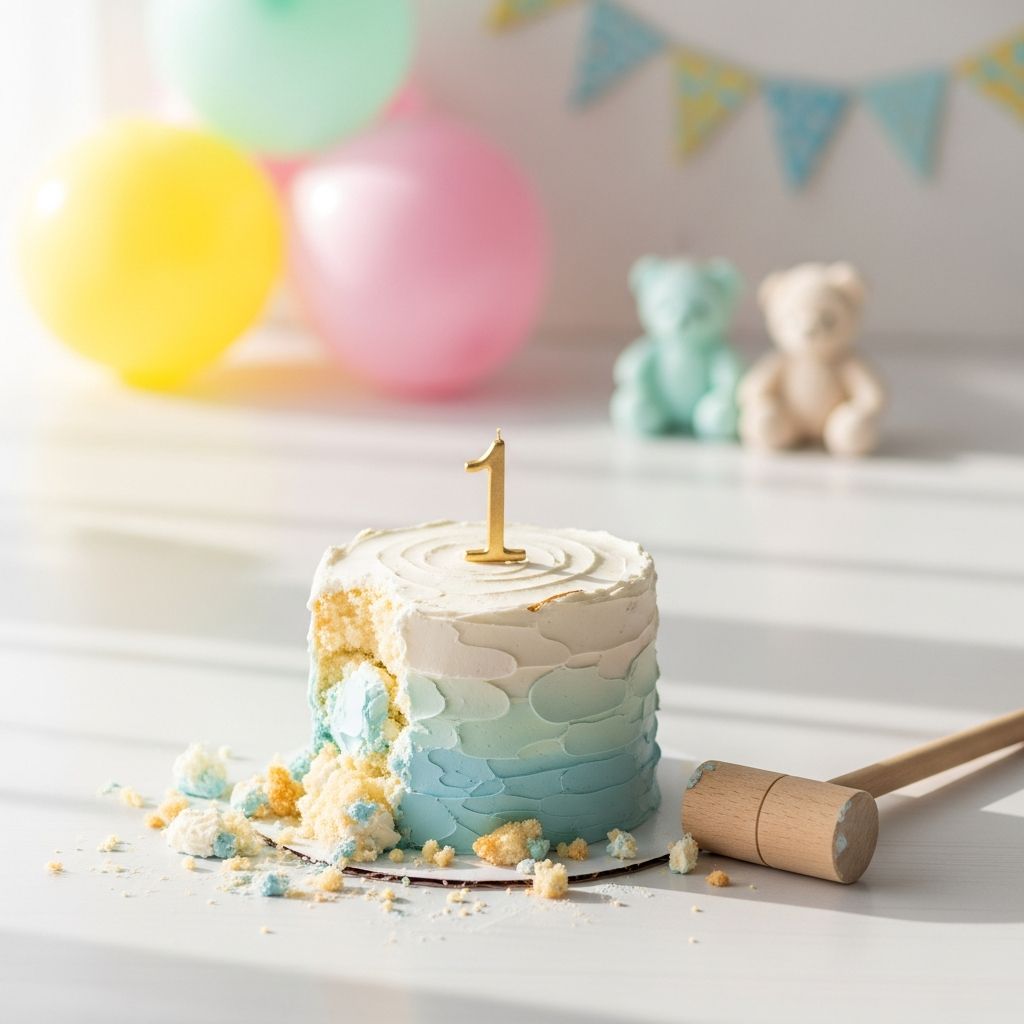
Planning your baby’s first birthday celebration marks one of the most cherished moments in parenthood. Among the many decisions you’ll make, selecting an appropriate cake for a cake smash session deserves careful thought and consideration. The cake you choose will not only serve as a visual focal point in your photographs but also become the centerpiece of your baby’s sensory exploration during this memorable milestone. This decision goes beyond aesthetic appeal—it encompasses safety, practicality, and creating an experience that truly captures your child’s personality and developmental stage.
A cake smash session transforms an ordinary birthday tradition into an interactive photo opportunity where your baby engages directly with their cake. Unlike conventional birthday celebrations where a parent cuts and serves cake to a child, a smash session invites your little one to explore and interact with the cake independently. Understanding what makes a cake suitable for this unique experience helps ensure both a successful photo session and a safe, enjoyable moment for your baby.
Safety Considerations Before Making Your Selection
Before exploring design options and flavor profiles, establishing a foundation of safety must be your primary concern. Your baby’s well-being always takes precedence over achieving the perfect photograph. Several critical safety factors should guide your cake selection process.
Choking hazard prevention represents the most significant safety consideration. Babies at their first birthday are still developing their chewing and swallowing abilities, making them vulnerable to choking on hard or chunky ingredients. Avoid cakes decorated with nuts, hard candies, caramel pieces, or whole berries that could present obvious dangers. Similarly, steer clear of decorative elements like plastic toppers, toothpicks, or anything not food-grade that might find its way into your baby’s mouth during enthusiastic exploration.
Allergen awareness is equally important. Even if your baby hasn’t shown allergic reactions previously, introducing new ingredients during a high-stress photo session isn’t advisable. Consider your family’s allergy history and any foods your baby has already safely consumed. Communicate thoroughly with your cake baker about ingredient lists, especially regarding common allergens like eggs, dairy, nuts, soy, and sesame. Some parents opt for cakes made with alternative ingredients that reduce allergen exposure while still delivering visual appeal.
Sugar content management warrants attention as well. While your baby will consume only small amounts of cake during a typical smash session, excessive sugar can lead to upset stomachs or hyperactivity. A cake with moderate sweetness allows your baby to explore without the risk of sugar-induced discomfort that could dampen the experience. Additionally, certain food colorings and additives may affect some babies’ behavior or digestion, so discussing ingredient choices with your pediatrician beforehand provides extra peace of mind.
Texture and Structural Integrity for Successful Interaction
The physical properties of your cake dramatically influence how your baby interacts with it and how your photographer captures those precious moments. Cakes designed for traditional consumption differ significantly from cakes optimized for smashing exploration.
Soft frosting and layering create an ideal tactile experience for babies. Your baby’s developing motor skills mean they’ll use their hands to explore before attempting to eat. Soft, spreadable frosting allows tiny fingers to sink in easily, creating satisfying sensations and excellent visual texture in photographs. Fondant, while visually stunning, becomes hard and difficult for babies to manipulate, potentially frustrating them and limiting their engagement with the cake.
The cake’s internal structure matters tremendously. A cake that holds together reasonably well but yields to gentle pressure provides the best balance. Overly dense cakes resist your baby’s exploratory efforts, while extremely delicate cakes crumble into unmanageable pieces. Moisture content plays a key role here—a slightly moist cake maintains structural integrity while remaining soft enough for a baby to manipulate with their emerging strength.
Layering decisions influence both visual appeal and functional interaction. A two or three-layer cake creates dimension in photographs while providing distinct sections for your baby to explore. Each layer can feature different frosting textures or colors, encouraging varied interaction patterns that photographers love capturing. However, ensure layers are securely stacked so they don’t separate unexpectedly during the session.
Design Philosophies That Complement Your Baby’s Personality
While safety and structure form the foundation, the visual design of your cake should reflect your baby’s emerging personality and your family’s style. The cake serves as both a prop and a character in your baby’s first birthday story.
Thematic approaches allow you to create visual narratives that resonate with your family. Some parents choose themes reflecting their baby’s interests—perhaps animals, nature, celestial objects, or cultural elements meaningful to their family. Others opt for color-coordinated designs featuring their baby’s favorite hues or seasonal elements. Consult with your photographer about which themes photograph best and which design elements create compelling visual stories without compromising safety.
Minimalist designs offer an alternative philosophy that has gained popularity among parents seeking timeless, elegant results. A simple, single-colored cake with minimal decoration creates a clean canvas that allows your baby to become the true focal point. These understated cakes often photograph more elegantly and age better aesthetically when you revisit the images years later.
Color selection deserves careful thought. Bright, saturated colors create vibrant photographs but may stain skin and clothing intensely. Softer pastel tones provide visual interest while being more forgiving if your baby ends up completely covered. Consider your home’s décor and the backdrop your photographer will use—your cake should harmonize with these elements rather than clash with them.
Size Considerations and Serving Practicality
Determining the appropriate cake size requires balancing visual impact, safety, and practical logistics.
Session-specific sizing differs from traditional birthday cakes. Your baby won’t consume the entire cake, and you’ll likely have leftovers for family celebration afterward. Most photographers recommend a cake that serves approximately six to twelve people as appropriately sized for a smash session—large enough to create an impressive visual presentation but manageable for a one-year-old’s interaction.
Consider the physical space available during your session. A tiered cake might look stunning but could be too tall for your photographer to capture optimal angles with your baby. Discuss spatial constraints with your photographer beforehand to ensure your cake selection works within the actual session environment, whether in a studio or at your home.
Structural support requirements increase with cake size. Taller cakes need internal supports to prevent collapse during transport and setup. Ensure your baker understands the cake will be positioned in front of your baby rather than displayed on a standard cake table, affecting how they construct and brace the structure.
Flavor Profiles and Ingredient Considerations
While your baby will consume relatively small amounts of cake, selecting a flavor your entire family enjoys ensures the leftovers aren’t wasted and adds to the overall celebration experience.
Classic flavor combinations remain popular choices—vanilla, chocolate, or fruit-based cakes offer familiarity and broad appeal. If your baby has already enjoyed cake at previous celebrations, you might replicate successful flavors. However, if this is your baby’s first cake exposure, simpler flavors allow you to observe reactions more clearly and identify any unexpected sensitivities.
Dietary modification options accommodate various family needs. Some parents request dairy-free, egg-free, or refined-sugar-reduced versions to align with their feeding philosophies or address family allergies. Modern bakers excel at creating delicious cakes meeting diverse dietary requirements without sacrificing taste or texture. Communicate your family’s preferences clearly when consulting with your baker.
Add-in decisions significantly impact safety and experience. Avoid cakes containing nuts, seeds, whole fruits, or hard candies. Fruit purees, soft fruit pieces, or vegetable additions can work beautifully if securely incorporated into the cake rather than simply pressed into frosting where they might dislodge.
Sourcing Your Cake: Professional Bakers Versus Homemade Options
You have several avenues for obtaining a cake suited to your baby’s smash session, each with distinct advantages and considerations.
Professional bakeries bring expertise, consistency, and specialized equipment. When consulting with a baker about a cake smash cake, clearly communicate your baby’s age, safety requirements, and the photographic purpose of the session. Experienced cake smash photographers often have preferred bakeries they recommend, as these professionals understand the unique requirements of cakes designed for baby interaction rather than traditional serving. Professional bakers can execute complex designs while maintaining safety standards and structural integrity necessary for this specific use.
Homemade cake creation offers personalization and cost savings, particularly if you enjoy baking. Homemade cakes allow you to control every ingredient and customize flavors precisely to your preferences. However, ensure you have realistic expectations about decorating abilities and structural stability. A simple, well-executed homemade cake outperforms an overly ambitious design that crumbles or separates during the session. Many experienced bakers suggest that if you’re planning homemade, focus on perfecting the cake’s taste and texture rather than attempting elaborate decorations that might not withstand the session.
Hybrid approaches combine both methods—some parents bake the cake themselves but hire a professional decorator, or purchase a simple cake from a bakery and add personal decorative touches. This strategy balances cost, control, and professional results.
Preparation and Setup Logistics
Proper preparation before your session ensures your cake arrives in optimal condition and your photographer can work efficiently.
Timing considerations affect cake quality significantly. Most cakes taste and maintain optimal texture when consumed within two to three days of baking. Schedule your smash session accordingly, or work with your baker to deliver the cake on the session day itself. Refrigerated cakes should be removed from cold storage approximately thirty minutes before the session begins, allowing frosting to soften appropriately for your baby’s interaction.
Transport and storage require careful planning. Whether picking up a professional cake or transporting a homemade creation, ensure secure placement in your vehicle. Many bakers provide cake boxes with internal supports preventing shifting and damage. Keep cakes in cool environments before the session, but avoid extended refrigeration immediately beforehand, which hardens frosting.
Setup coordination with your photographer ensures efficient session flow. Communicate whether you’ll provide the cake or the photographer maintains one on-site. Discuss setup timing—most photographers prefer setting up the cake just before your baby’s interaction to ensure optimal freshness and appearance. Agree on the photographer’s role in cake placement and positioning to ensure they can capture the best angles.
Capturing Optimal Photographic Results
Understanding how your cake choices impact photography helps ensure the final images truly capture this milestone beautifully.
Your cake’s color palette and contrast significantly influence photograph composition. A cake featuring strong color contrast photographs more dramatically than a monochromatic design. However, colors should complement your baby’s skin tone and clothing choices—discuss color coordination comprehensively with your photographer. Some photographers suggest avoiding exact color matches between cake and backdrop, which can create visual confusion in images.
The cake’s visual texture and surface detail matter more than you might expect. Frosting swirls, piped decorations, and layered effects create visual interest and dimension in photographs. However, these details should scale appropriately to your baby’s size—overly large decorative elements can overwhelm small hands and complicate interaction.
Frequently Asked Questions About Cake Selection
Q: Can I use a regular birthday cake, or does it need to be specially prepared?
A: While a regular cake might work, cakes specifically prepared for smash sessions incorporate design and structural considerations optimizing safety and interaction. Discuss your baby’s age and session purpose with your baker to ensure appropriate preparation.
Q: What should I do if my baby has food allergies?
A: Communicate all allergies clearly with your baker and pediatrician. Many bakeries offer allergen-free alternatives successfully. Some parents choose smash-safe cakes made from alternative ingredients their baby has already tolerated well.
Q: How far in advance should I order the cake?
A: Most professional bakers require one to two weeks’ advance notice, though some accommodate shorter timeframes for custom orders. Discuss timing early, especially if you require specific customizations or allergen accommodations.
Q: Should the cake be refrigerated before the session?
A: Yes, cakes should be refrigerated for storage and food safety, but remove from refrigeration thirty minutes before the session. This allows frosting to soften appropriately for your baby’s interaction while maintaining structural integrity.
Q: What happens if my baby refuses to interact with the cake?
A: This is completely normal. Some babies are hesitant about new textures and tastes. Your photographer can capture meaningful moments of exploration regardless of how vigorously your baby engages. Trust the process and allow your baby to proceed at their comfort level.
Q: Can I repurpose leftover cake after the session?
A: Yes, most cakes can be refrigerated and enjoyed by your family after the session. Properly stored cake remains fresh for several days, providing additional value from your investment.
References
- Cake Smash Photography — Musen Photos. January 22, 2024. https://www.musenphotos.com/blog/2024/01/22/cake-smash-photography/
- What’s A Cake Smash? — Little Love Stories Photography. https://www.littlelovestories.com/whats-a-cake-smash/
- Cake Smash Photographer’s Step-by-Step Guide to Perfect Photos — Junebug Photography. https://junebugphotography.org/cake-smash-photographer/
- First Birthday Cake Smash Sessions — Worth Capturing Photography. https://worthcapturing.photography/first-birthday-cake-smash-sessions/
- What’s the Point of a Cake Smash? — Picture You Photography. https://pictureyouphotography.co.uk/point-of-cake-smash/
- Cake Smash Details — Liz Viernes Photography. October 2021. https://lizviernesphotography.com/2021/10/cake-smash-details-maryland-baby-photographer/
- Cake Smash Photography Origins — Tiny Baby Studio. https://tinybabystudio.co.uk/cake-smash-photography-origins/