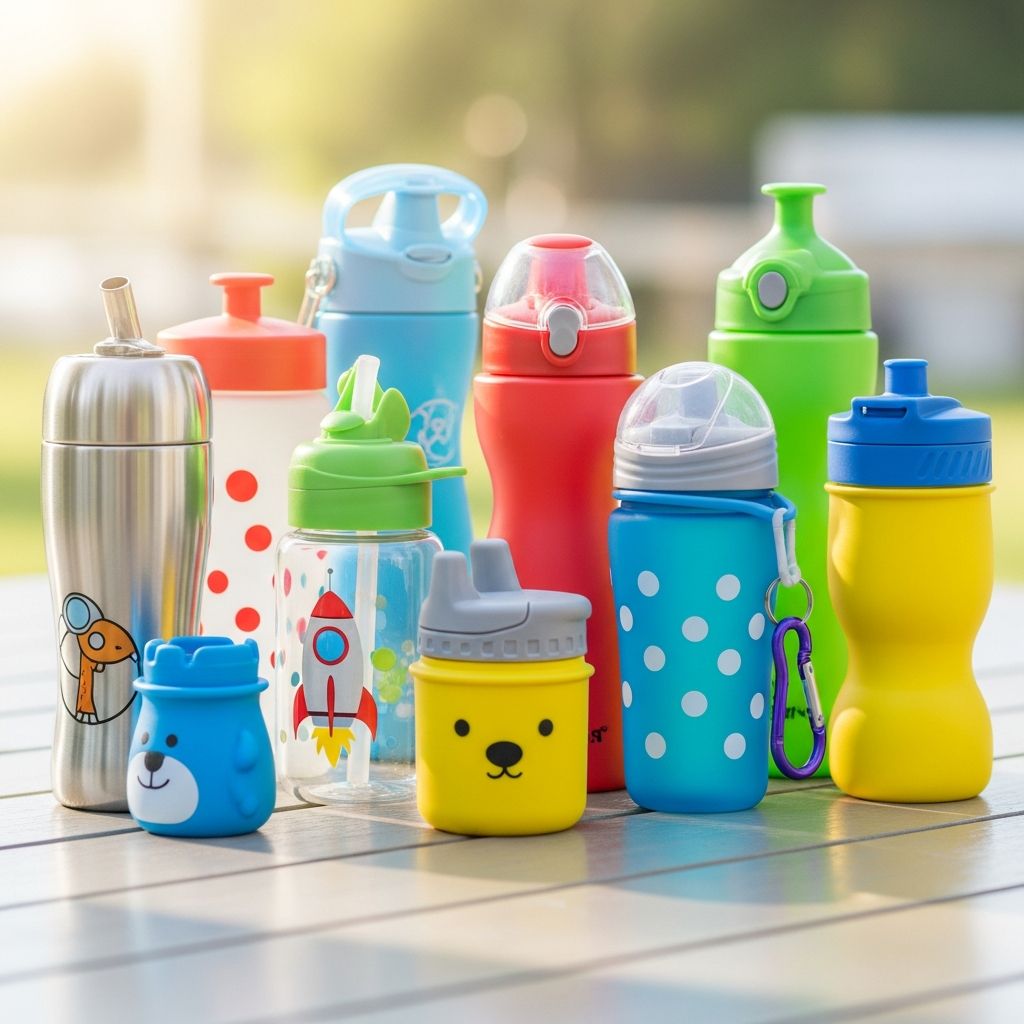
Finding the right water bottle for a child seems simple until you are staring at an aisle (or a screen) full of stainless steel, plastic, straws, spouts, and claims that all start to blur together. This guide walks you through everything that actually matters so you can choose a bottle your child likes, you trust, and that survives real life.
Why a Good Water Bottle Matters for Kids
Kids are more likely to drink enough water when they have a bottle that feels good in their hands, looks appealing, and is easy to use without help. Hydration affects mood, focus, and energy, so the right bottle can quietly support better days at school, practice, and play.
For parents, a well-chosen bottle cuts down on leaks in backpacks, endless replacements, and arguments about which cup belongs to whom. It becomes a predictable part of the daily routine instead of a source of frustration.
- Encourages independent, frequent drinking throughout the day.
- Reduces spills and messes in bags, on desks, and in the car.
- Helps you avoid disposable bottles and reduce household waste.
Key Factors to Consider Before You Buy
Choosing a bottle is easier when you focus on a few core questions instead of every possible feature. Think about your child’s age, where the bottle will be used most, and who will be responsible for cleaning it.
Use the checklist below as a quick decision-making framework before you start browsing product pages or walking through the store.
- Age and independence level of your child.
- Primary use: school, sports, daycare, travel, or home.
- Material preference: stainless steel, plastic, or glass with protection.
- Ease of cleaning and number of small parts.
- Leak resistance and spill behavior when tipped or tossed.
- Budget and likelihood of bottles getting lost.
Materials: Stainless Steel, Plastic, or Glass?
Most kid-friendly water bottles fall into three main material categories. Each has strengths and drawbacks, and the best choice depends on how and where your child uses the bottle.
The table below gives a high-level comparison to help you narrow down what makes sense for your family.
| Material | Main Advantages | Main Drawbacks | Best For |
|---|---|---|---|
| Stainless steel | Durable, often insulated, no plastic taste. | Heavier, usually more expensive. | School, sports, hot climates. |
| Plastic (BPA-free) | Lightweight, affordable, often clear to see water level. | Can scratch and retain odors over time. | Preschool, backup bottles, tight budgets. |
| Glass with sleeve | Very clean taste, no metal feel, fully recyclable. | Heavier, break risk without a protective sleeve. | Older kids, supervised settings like home. |
Stainless Steel Bottles
Stainless steel bottles are popular with parents because they are rugged and often insulated, keeping drinks cold for long school days or hot afternoons at the field. Double-wall vacuum insulation helps maintain temperature, while powder-coated finishes add grip and color.
They do cost more upfront and can feel heavy for very young children, especially when completely full. If your child tends to throw or drop items, the dents will usually be cosmetic, but the extra weight is worth considering.
Plastic Bottles
Modern reusable plastic bottles are generally made from BPA-free plastics specifically designed for food contact. They are very lightweight, which helps toddlers and younger students manage their own drinks without fatigue.
Scratches can build up over time, especially if the bottle is frequently tossed into backpacks or onto concrete, and those marks may hold onto odors or stains. For many families, plastic is a practical choice for daycare, camp, or as a backup bottle that might get lost.
Glass Bottles with Sleeves
Glass appeals to parents who want a completely neutral-tasting, fully recyclable material. When paired with a silicone or rubber sleeve, glass bottles can be surprisingly durable for older kids who are careful with their belongings.
However, glass is heavier than both plastic and stainless steel, and there is always some risk of breakage if the bottle is dropped on a hard surface. This type tends to work best for home, the car, or older children who rarely throw their bottles.
Choosing the Right Lid and Spout Style
The lid is often the difference between a bottle your child loves and one that sits forgotten. Lid style affects how easy it is to drink, how likely it is to leak, and how tedious it is to clean at the end of the day.
There is no universally “best” lid—only the one that matches your child’s age, habits, and environment.
Straw Lids
Straw lids are popular with younger children because they require very little tipping and feel familiar if your child is used to straw cups. Many straw lids flip or fold down into a covered compartment, which helps keep the drinking surface cleaner during school or travel.
The tradeoff is cleaning: straws and their internal channels can collect residue and require a tiny brush or regular soaking. If your child likes flavored drinks, plan on more frequent deep cleans.
Spout and Sippy-Style Lids
Spout lids have a hard or soft piece that flips up for sipping and flips down for transport. They usually allow faster flow than thin straws, which older kids and athletes often prefer when they are very thirsty between activities.
These lids can sometimes leak if the spout is left open in a backpack or if the seal wears out over time. They are, however, easier to brush clean than long, narrow straws.
Wide-Mouth and Chug Lids
Wide-mouth lids remove most obstacles between your child and the water, making it simple to fill with ice cubes and to scrub the interior of the bottle. Older children who are used to handling open cups may like the quick flow of a “chug”-style opening.
For younger kids or for bottles that travel in backpacks, wide-mouth openings can be messy if the bottle is tipped too far or jostled when open. Consider reserving wide-mouth lids for home, sports sidelines, or older, coordinated children.
Size, Shape, and Weight: Getting the Fit Right
Capacity matters, but so does how the bottle feels in your child’s hand and how well it fits into daily routines. A large, heavy bottle may keep water cold all day, but if your child cannot comfortably carry it, it will not see much use.
Think about the length of your child’s school day, access to refill stations, and any space limitations in cup holders, backpack pockets, or lunch boxes.
- Toddlers and preschoolers: 8–12 oz bottles are usually enough and easier to manage.
- Early elementary: 12–16 oz works well when refills are available.
- Older kids and tweens: 16–24 oz helps cover sports, clubs, and bus rides.
Also pay attention to bottle diameter, especially if you plan to use car-seat cup holders or narrow backpack pockets. A slim bottle may be better than a wide one if your child needs to store it alongside notebooks and a lunch bag.
Leak Resistance and Durability in Real Life
Marketing language about “leakproof” design often assumes a closed, upright bottle sitting gently on a table. Real kid life looks more like upside-down backpacks, bottles sliding across bus floors, and occasional tosses onto concrete.
To get as close as possible to leakproof performance, focus on the design details rather than the promise on the package.
- Look for lids with a clear on/off or lock position that clicks into place.
- Check how many seals and gaskets there are and whether they can be removed for cleaning.
- Prefer bottles with slightly recessed or protected spouts that are less likely to pop open on impact.
- Consider silicone boots or bumpers for steel or glass bottles to absorb some of the shock of drops.
Durability is not only about surviving falls, but also about how the bottle looks and functions after months of daily use. Powder-coated finishes tend to hide small dings better than glossy coatings, and thicker plastics usually resist cracks longer than very thin walls.
Cleaning and Mold Prevention
A bottle can look perfect on day one but turn into a mold magnet if it has too many tiny crevices or pieces that rarely get disassembled. Always check how the lid comes apart before you commit to a design.
Parents often underestimate how many times per week they will need to scrub a bottle, especially for children who add juice or sports drinks instead of plain water.
Cleaning-Friendly Features
- Wide bottle openings that allow a standard dish brush to reach every surface.
- Dishwasher-safe parts (verify whether that includes both bottle and lid).
- Removable straw pieces and gaskets that can be taken out and rinsed.
- Smooth interior walls without deep ridges or patterns.
Simple Cleaning Routine
For most families, a few routine habits prevent odors and slime from building up. Try to clean and fully dry bottles daily on school days and after any use with flavored drinks.
- Rinse the bottle and lid as soon as your child comes home.
- Disassemble straws, spouts, and gaskets if possible.
- Wash with warm, soapy water or in the dishwasher, following manufacturer guidance.
- Let all pieces dry completely before reassembling to discourage mold growth.
Safety Considerations: What Parents Should Watch For
Safety starts with materials but also includes how the bottle is used and cared for. Most modern kid bottles are made with food-safe plastics, steels, and silicones, but it is still wise to read labels instead of assuming.
Good safety habits teach your child to care for their own belongings while protecting them from avoidable risks.
- Look for clear labeling that the bottle is free from BPA and similar chemicals.
- Avoid heating plastic bottles in the microwave or leaving them in high-heat environments like hot car interiors.
- Inspect lids regularly for cracks, chew marks, or damaged seals that could harbor bacteria.
- Retire bottles that show persistent mold stains or odors even after deep cleaning.
Matching Bottles to Different Ages and Activities
The “right” water bottle changes as kids grow. A toddler who needs a soft straw and handles will eventually become a middle-schooler who wants a sleek design that fits in a locker and matches their style.
Consider choosing different bottles for different situations rather than expecting one option to cover every scenario perfectly.
Toddlers and Preschoolers
- Lightweight plastic or small stainless steel bottles with easy-grip shapes.
- Soft straw or gentle spout that is easy on developing teeth.
- Bright colors or character designs that make drinking feel fun and familiar.
Elementary School Kids
- Medium-sized stainless steel bottles for better temperature control during long school days.
- Simple lids that can be opened one-handed at a crowded cafeteria table.
- Clear labeling areas to write names for classroom and lost-and-found situations.
Tweens and Young Teens
- Larger capacities for sports, after-school activities, and bus rides.
- More mature designs in neutral or trendy colors that feel age-appropriate.
- Compatibility with stickers or bands so kids can express their personality.
Practical Buying Tips for Parents
Once you have narrowed down the basics—material, size, and lid style—a few practical strategies can save money and frustration. It can help to think of kid water bottles the way you might think of socks: a few reliable options in rotation beat one “perfect” item that causes stress when it disappears.
Using the tips below, you can stretch your budget and reduce last-minute scrambles when bag-packing time arrives.
- Start with one main bottle and one less-expensive backup for emergencies.
- Choose colors or patterns that are easy for your child to spot among classmates’ bottles.
- Stock a small brush set and a drying rack space specifically for bottle parts.
- Write your child’s name in more than one spot: on the bottle, the lid, and any removable boot or sleeve.
- Set a weekly reminder to check for wear, leaks, or missing pieces before Monday morning.
Simple Hydration Habits You Can Teach Your Child
A thoughtfully chosen bottle only helps if your child actually uses it. Building a few predictable habits turns the bottle into a normal part of the day instead of one more thing to track and nag about.
You can introduce these habits gradually, starting with younger children and adjusting expectations as they gain independence.
- Connect drinking water to specific times: after breakfast, at recess, after practice, and before homework.
- Encourage kids to refill their bottle as soon as they get home and place it in a designated overnight spot.
- Model good hydration by using your own reusable bottle where your child can see you.
- For older kids, set gentle daily goals like finishing at least one full bottle at school.
Frequently Asked Questions about Kids’ Water Bottles
How often should I replace my child’s water bottle?
There is no fixed expiration date for most reusable bottles; replacement depends on wear and hygiene. Replace the bottle if you notice cracks, peeling interior coatings, persistent odors, or mold that does not respond to thorough cleaning.
Is stainless steel always better than plastic?
Stainless steel is more durable and normally insulates better, but plastic can be lighter, cheaper, and easier for very young children to carry. The “better” option is the one your child will actually use and that fits your budget, cleaning preferences, and daily routine.
Can I put milk or juice in my child’s water bottle?
Most bottles can physically hold milk or juice, but these drinks increase the risk of residue and odor, especially in straws and gaskets. If you use the bottle for anything other than water, clean it promptly and thoroughly after each use and avoid leaving it in warm places like cars or gym bags.
Are dishwasher-safe bottles really safe on any cycle?
Dishwasher-safe usually refers to normal household cycles and standard rack placement, often with lids specified for the top rack only. High-heat or sanitizing cycles can warp some plastics or degrade seals, so it is wise to read the manufacturer’s specific guidance before relying on the dishwasher for every wash.
What is the best way to prevent my child from losing the bottle?
No solution is perfect, but clear labeling and consistent routines help. Teach your child to check for three things before leaving any location—backpack, lunchbox, and water bottle—and choose designs that are easy to recognize at a glance.