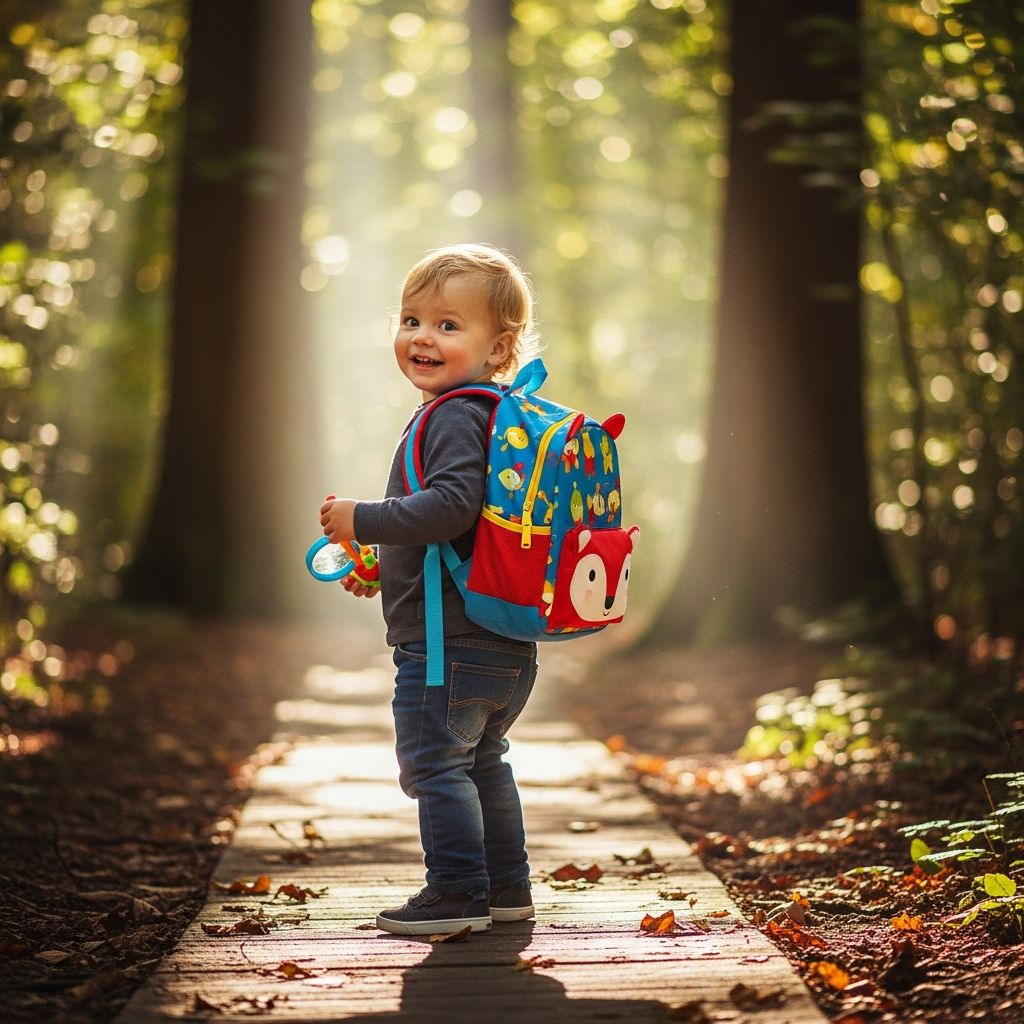
That first tiny backpack is more than just a cute photo opportunity—it is your toddler’s portable command center, security blanket, snack station, and independence booster all in one. Choosing the right one makes daily life smoother, safer, and far less chaotic for everyone involved.
This guide walks you through everything that matters when buying a toddler backpack: size, comfort, safety, organization, durability, and how you will actually use it in real life. You will also find practical packing tips, a comparison table, and answers to common parent questions.
Why a Toddler Backpack Matters
A well-chosen toddler backpack does more than carry snacks and spare clothes. It helps your child practice responsibility, learn organization, and feel proud of “their own bag” while giving you an easy way to keep essentials together and ready to go.
- It encourages independence by giving your toddler ownership of their belongings.
- It keeps must-have items (snacks, wipes, lovey, water bottle) in one predictable place.
- It can double as a daycare bag, travel carry-on, park kit, or road-trip survival tool.
Getting the Size Right
Size is the first and most important decision. A toddler backpack that is too big will drag your child backward, bump against their legs, and make them tire quickly. Too small, and it will not fit the basics you actually need to carry.
As a rule of thumb, look for a backpack that sits from shoulder height down to about the curve of your child’s lower back and does not hang far below the waist. When the bag is on, the top should sit roughly at shoulder level and the bottom should stop just above the hips.
Practical sizing tips
- Aim for a backpack labeled specifically for toddlers or preschoolers, not for older kids.
- Check manufacturer measurements and compare them to your child’s torso (base of neck to waist).
- Make sure the backpack is narrow enough that it does not extend wider than your child’s back.
- Have your child try it on fully loaded; if they need to lean forward to compensate, it is too big or too heavy.
Comfort Features to Look For
Toddlers tire easily and do not have the body strength or posture of older kids. Comfort features make the difference between a bag your child loves and one you end up carrying 90% of the time.
Straps and back panel
- Padded shoulder straps: Soft, padded straps help prevent the bag from digging into small shoulders.
- Adjustable length: Adjustable straps allow the same backpack to fit over sweaters in winter and T-shirts in summer.
- Wide straps: Wider straps spread the weight out more evenly than thin ones.
- Light padding on the back: A cushioned back panel keeps uneven or pokey items from jabbing your child.
Weight and load
The backpack itself should be as lightweight as possible. A small child should carry only light loads—think snacks, a small water bottle, a toy, and a change of clothes, not a full library of books.
- Choose a backpack that feels light when empty; heavy hardware and thick materials add up quickly.
- Keep the packed weight low; you want your toddler to manage it comfortably without hunching or dragging.
- When in doubt, carry the heavier items in your own bag and let the toddler carry just the fun, lighter things.
Key Safety Considerations
Safety is easy to overlook when distracted by prints and characters, but a few details can make everyday outings safer and more manageable. You do not need every feature on the market, but it helps to know what is available.
Fit and posture
- Adjust straps so the backpack sits close to the back, not sagging low or bouncing around.
- Encourage your child to use both shoulder straps instead of slinging the bag on one side.
- Keep the heaviest items closest to your child’s back to improve balance and stability.
Visibility and materials
- Bright colors or reflective accents can help your child be more visible near roads or in busy parking lots.
- Choose materials that are free of questionable chemicals when possible and that can be wiped clean.
- A sturdy top handle can help you grab the bag quickly without pulling awkwardly on your child.
Harnesses and tethers
Some toddler backpacks include an optional tether or harness clip. These can be useful in very crowded spaces, airports, or travel situations, especially with runners or children who fatigue quickly. Treat them as a tool, not a permanent solution, and choose one that attaches securely while still allowing your child to move comfortably.
- Use harness features thoughtfully and never rely on them as a substitute for supervision.
- Look for easy-to-remove tethers so the bag transitions as your child grows more independent.
Organization: What Needs to Fit?
Before buying, picture a regular day and a busy day. What does your toddler realistically need to carry in each scenario? Planning for those two cases will keep you from over- or under-buying.
Everyday essentials
- Small water bottle or sippy cup.
- Snack containers or pouches.
- Light sweater or sun hat.
- One comfort item (blanket or stuffed animal).
- Spare underwear and pants for potty-training stages.
Useful compartments and pockets
- Main compartment: Large enough for clothes, lunch, or a folder if used for preschool.
- Front pocket: Ideal for wipes, tissues, or a small toy that needs to be accessed quickly.
- Side pockets: Perfect for water bottles, allowing you to grab them without opening the main compartment.
- Interior slip pocket: Handy for separating spare clothes or flat items.
Materials and Durability
Toddlers are tough on their gear: backpacks will be dragged, tossed, stepped on, spilled on, and occasionally slept on. Look for materials that can survive real life without constant babying.
- Durable woven fabric or coated material that resists tearing and fraying.
- Water-resistant or at least quick-drying surfaces to handle spills and light rain.
- Quality zippers with pulls large enough for little hands to grasp.
- Reinforced stitching around straps and handles, since that is where stress concentrates.
Style, Personality, and “The Cute Factor”
Style matters more than parents like to admit, because your toddler is far more likely to cooperate if they love their backpack. Choosing a design together gives your child a sense of ownership and pride.
- Let your child pick the color or theme from a parent-approved shortlist.
- Consider how long the design will feel appealing; some characters age quickly, while simple patterns last longer.
- Look for details like ears, tails, or textured panels if your child likes sensory features.
If the backpack will be used at daycare or preschool, make sure there is a clear spot for labeling with your child’s name—either a built-in name tag or a flat area where you can add one.
How Will You Use It? (Everyday vs Travel)
The best toddler backpack for a quick park trip is not always the best for air travel or all-day outings. Think about your main use cases before buying, and choose according to your real lifestyle rather than imagination.
| Use case | What to prioritize | Nice-to-have extras |
|---|---|---|
| Daycare or preschool | Room for spare clothes, lunch, and a folder; easy-clean interior; clear labeling spot. | Hook or loop for hanging, interior pocket for notes or artwork. |
| Park and playdates | Lightweight design, simple pockets for snacks and water, comfy straps. | Fun design your child is excited to carry, reflective accents for late afternoons. |
| Travel and airports | Multiple compartments, secure zippers, comfortable carry for longer walks. | Harness or tether option, luggage-style pass-through strap for sliding onto your suitcase handle. |
| Outdoor adventures | Durable, water-resistant materials; snug, stable fit. | Chest strap, extra exterior pockets, bright or high-visibility colors. |
Real-World Packing Tips for Parents
Even the best backpack will fail you if it is packed haphazardly. A few simple rules can keep everything accessible and your toddler comfortable.
Distribute weight wisely
- Place heavier items (like a water bottle or lunch) closest to your child’s back.
- Use smaller pockets for light items only so the bag does not tip forward or sideways.
- Avoid stuffing it so full that your child cannot zip it independently.
Create a predictable layout
- Assign each pocket a specific purpose (snacks in front, clothes in main compartment, wipes in side pocket).
- Keep a tiny, consistent “comfort kit” that always lives in the bag (wipes, tissues, mini first-aid basics).
- Involve your toddler in unpacking and repacking, naming where each item goes to build routine.
Teaching Your Toddler to Use Their Backpack
A toddler backpack is also a teaching tool. It can introduce routines like packing up before leaving, cleaning out trash, and putting things back in their “home.” Keep expectations age-appropriate and playful.
- Start by letting your child load one or two items while you manage the rest.
- Use simple language: “Snacks in the front pocket, Bunny in the big pocket.”
- Practice wearing the backpack at home for short periods so it feels familiar before big outings.
- Celebrate small wins: “You remembered your water bottle and put it in your side pocket all by yourself!”
Signs You Chose the Wrong Backpack
Sometimes a bag that looked perfect online does not work in real life. The sooner you notice the red flags, the sooner you can swap it out or adjust your expectations.
- Your child constantly shrugs it off, complains, or refuses to wear it beyond the novelty phase.
- The backpack slips off their shoulders even after adjusting straps.
- It hits the back of their legs when walking or drags down below the waist.
- Zippers are hard for little hands to open, leading to frequent “help me” moments.
- There is never enough room for essentials, or it is so big you keep overfilling it.
Checklist: What to Look For at a Glance
Use this quick checklist when you are shopping online or in person. You do not need a perfect score, but more “yes” answers usually mean happier outings.
- Appropriate toddler size (does not hang low, not wider than their back).
- Lightweight when empty.
- Padded, adjustable shoulder straps and a soft back panel.
- At least one side pocket for a water bottle.
- Simple, sturdy zippers that slide easily.
- Material that wipes clean or resists stains.
- Bright or easily recognizable design.
- Enough space for daily essentials without overstuffing.
Frequently Asked Questions
What age is right for a toddler backpack?
Many children are ready to start using a small backpack around ages two to three, when they can walk steadily and enjoy “helping” carry their own things. Early on, keep the load very light and treat it as a fun accessory and learning tool rather than serious storage.
How heavy is too heavy?
A toddler’s backpack should feel light and manageable; if your child leans forward, complains, or cannot put it on alone, it is probably overloaded. When possible, keep only a few essentials in the backpack and carry heavier items yourself.
Is a chest strap necessary?
A chest strap is not essential but can be very helpful, especially for narrow-shouldered toddlers or active kids who run and climb with their backpacks on. It helps keep straps from sliding off and stabilizes the bag during movement.
Should I buy a bigger bag “to grow into”?
Buying significantly larger than your child needs often backfires, because a big bag tends to get overfilled and becomes uncomfortable. It is better to choose a properly sized toddler or preschool backpack now and upgrade later when your child is older and stronger.
How do I keep the backpack from getting grimy?
Look for materials that wipe clean easily and check cleaning instructions before purchase. Make it a routine to empty crumbs, toss in any washable pieces when needed, and spot-clean sticky areas after especially messy days.
Final Thoughts
The “best” toddler backpack is not the fanciest or the most expensive—it is the one that fits your child well, carries just what you need, and makes everyday transitions easier. When you focus on comfort, safety, and realistic capacity first, and save the cute patterns for last, you end up with a tiny backpack that earns its permanent place by your front door.