Pottery Barn cribs are popular with parents who want a mix of classic style, solid construction, and long-term value in their nursery furniture. This guide walks you through the key decisions to make so you can pick a crib that fits your baby’s needs, your home, and your budget.
Instead of just listing models, this article focuses on the big questions: safety, materials, convertibility, space, and design. By the end, you will know exactly what to look for when comparing Pottery Barn cribs and how to prioritize features that actually matter for everyday life with a baby.
Safety First: Non-Negotiable Features
Every crib decision should start with safety. While Pottery Barn designs its cribs to meet modern standards, parents still need to know what to look for and how to use the crib correctly at home.
- Choose a crib that complies with current U.S. safety standards, including proper slat spacing and sturdy construction.
- Use only a snug-fitting crib mattress recommended for the crib’s dimensions, with no gaps along the edges.
- Skip drop-side cribs altogether; modern fixed-rail designs are safer and more stable.
- Follow the manufacturer’s instructions carefully during assembly and check all hardware regularly.
Safe use is just as important as safe design. Keep pillows, bumpers, loose blankets, and stuffed animals out of the crib during infancy, and always place your baby on their back to sleep as recommended by pediatric guidelines.
Understanding Pottery Barn Crib Types
Pottery Barn offers several crib categories, each aimed at different family needs and budgets. Knowing which category fits your lifestyle will make choosing a specific model much easier.
Standard Cribs
Standard cribs are classic, four-sided cribs designed primarily for the infant and toddler years. They typically have several mattress height positions but may not convert to a full-size bed.
- Best if you plan to transition to a twin or full bed relatively early.
- Often slightly more affordable than multi-stage convertible models.
- Great for grandparents’ homes or a secondary nursery.
Convertible Cribs
Convertible cribs are designed to grow with your child, usually transforming from a crib into a toddler bed and sometimes into a full-size or daybed. Many popular Pottery Barn designs fall into this category.
- Offer long-term value by serving as crib, toddler bed, and sometimes headboard or full bed.
- Require separate conversion kits in most cases, which you may want to purchase up front.
- Ideal for parents who prefer one investment piece that lasts for many years.
Low-Profile and Space-Saving Cribs
Some Pottery Barn cribs are slightly lower in height or have a more compact footprint, making them easier to use in small rooms or by shorter caregivers.
- Lower side rails can make lifting your baby in and out more comfortable.
- Clean-lined, compact designs work well in apartments or shared spaces.
- Helpful if you anticipate placing the crib under a window or in a tight corner.
Materials, Finishes, and Durability
One of the main reasons parents gravitate toward Pottery Barn is the perception of sturdy construction and enduring style. Paying attention to materials and finishes helps ensure the crib looks good and holds up for years.
Wood Types and Construction
Most Pottery Barn cribs are made from solid wood or a combination of solid wood and engineered wood, with metal mattress supports in many models. Solid hardwood or dense softwood frames feel heavy, grounded, and stable.
- Look for solid wood framing in legs and rails for better longevity.
- Mortise-and-tenon or similar joinery generally indicates stronger construction than simple screw-only designs.
- A heavier crib is usually harder to move but less prone to wobbling.
Finishes and Color Options
Pottery Barn cribs come in a variety of finishes, often including white, natural, gray, and darker stains. A hand-applied or multi-step finish typically results in deeper color and greater resistance to everyday wear.
- Neutral finishes like white or light wood adapt easily as the room decor changes.
- Dark stains can hide minor scuffs but may show dust more easily.
- If possible, choose low-VOC, baby-safe finishes and look for any available safety or emissions certifications.
Key Features That Make Daily Life Easier
Beyond safety and materials, small design details can dramatically influence how practical a crib feels in daily use. When comparing Pottery Barn models, pay close attention to these usability features.
Adjustable Mattress Heights
An adjustable mattress platform is essential. It allows you to start at a higher level for newborns, then gradually lower the mattress as your baby begins to sit and stand.
- Three or more mattress positions provide greater flexibility as your baby grows.
- Raise the mattress for easy nighttime soothing and diaper changes in the early months.
- Lower the mattress to prevent climbing accidents once your baby pulls up to stand.
Teething Rails and Fixed Sides
Fixed side rails are the modern standard for safer cribs. Some models include or offer protective teething guards along the top rail to protect both your baby’s gums and your furniture.
- Teething rails reduce bite marks and finish damage when babies chew the rail.
- Fixed rails eliminate the hazards associated with old-style drop-side mechanisms.
- Make sure the rail height works for your own height so you are not straining your back.
Conversion Kits and Hardware
Convertible Pottery Barn cribs typically require separate kits to transform into toddler or full-size beds. Planning ahead with these accessories can prevent hassles later.
- Buy the conversion kit at the same time as the crib if you know you want to use it long term.
- Keep all extra screws and hardware clearly labeled in a sealed bag for future use.
- Bookmark or print assembly instructions for each configuration.
Comparing Crib Priorities: A Quick Table
To help organize your thoughts, use the following table as a framework for comparing different Pottery Barn crib models. Customize it with the exact models you are considering and rank what matters most to your family.
| Priority | Why It Matters | What to Look For in a Pottery Barn Crib |
|---|---|---|
| Safety | Protects your baby during sleep and play. | Fixed rails, compliant slat spacing, sturdy hardware, snug mattress fit. |
| Convertibility | Extends the crib’s usable life as your child grows. | Crib-to-toddler conversion, optional full-size conversion, available kits. |
| Material & Finish | Influences durability, appearance, and cleaning. | Solid wood frame, durable finish, neutral or timeless color. |
| Comfort & Ergonomics | Impacts both the baby’s comfort and your back. | Adjustable mattress heights, reasonable rail height, easy access. |
| Style & Design | Shapes the look of the nursery and how long it feels current. | Clean lines, classic details, ability to coordinate with other furniture. |
| Budget | Determines which models and features are realistic. | Total cost including crib, mattress, and any conversion kits. |
Matching Your Crib to Your Nursery Style
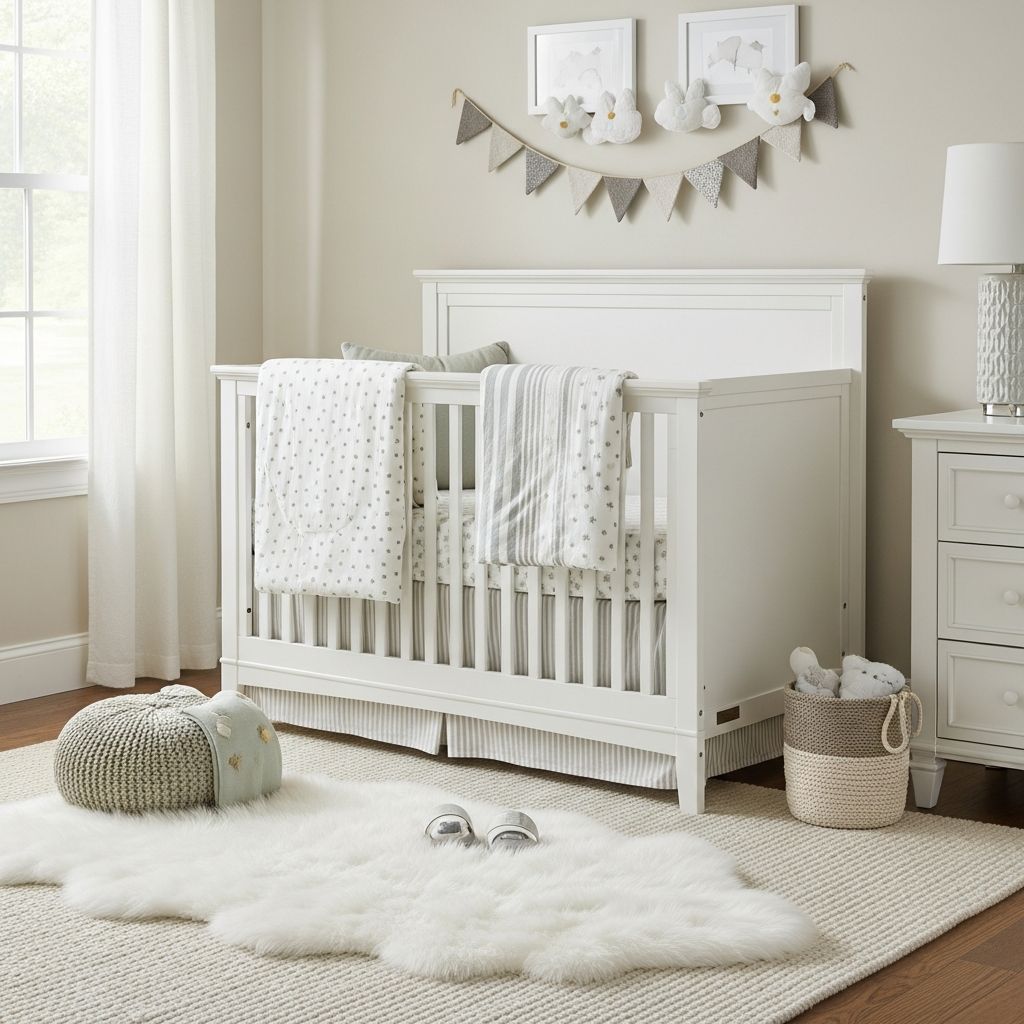
Pottery Barn’s crib designs often feel timeless, which makes it easier to design a nursery that can gradually transition into a big-kid room. Start with the crib as the anchor piece, then build the rest of the room around it.
Classic and Traditional Looks
If you love a more traditional feel—think paneled ends, turned legs, and decorative molding—choose a crib with those details and a warm white or soft wood finish.
- Pair with a coordinating dresser and bookcase from the same collection for a polished look.
- Add soft textiles like quilted bedding (for decor only when baby is older) and a plush area rug.
- Incorporate framed art, lamps, and curtains with subtle patterns that can grow with your child.
Modern and Minimalist Nurseries
For a cleaner, more contemporary space, look for a Pottery Barn crib with straight lines, minimal hardware, and a light or natural finish. These cribs blend well with Scandinavian-inspired or neutral decor.
- Keep furniture pieces streamlined and avoid over-decorating the walls.
- Use texture—like woven baskets and knit blankets—to keep the room from feeling cold.
- Choose a crib that coordinates with simple, functional storage pieces.
Gender-Neutral and Flexible Themes
Many parents prefer not to commit to overtly gendered themes. A neutral Pottery Barn crib in white, gray, or natural wood can anchor a room that works for any child and any future siblings.
- Choose versatile colors for the crib and dresser, then change accent colors with rugs and wall art.
- Opt for adaptable motifs like nature, animals, or geometric patterns.
- Plan storage solutions that can transition seamlessly from baby toys to school supplies.
Planning for Growth: Using the Crib for Years
One of the biggest advantages of many Pottery Barn cribs is their potential to stay in your home for a long time. With thoughtful planning, you can get far more than just a couple of years out of your purchase.
From Newborn to Toddler
In the earliest months, a higher mattress setting and easy access are key. As your baby becomes mobile, safety and rail height matter more than style.
- Start with the highest safe mattress level for easier nighttime feedings.
- Move the mattress down as soon as your baby shows signs of rolling or pulling up.
- Keep cords, shelves, and wall art out of reach of the crib area.
Transitioning to a Toddler Bed
When your child starts climbing or seems ready for more independence, a convertible Pottery Barn crib can often transform into a toddler bed. This is a gentler shift than jumping straight to a much larger bed.
- Install the toddler rail according to instructions and keep the rest of the room toddler-proofed.
- Use the same mattress and bedding to provide continuity and comfort.
- Celebrate the transition as a milestone while keeping sleep routines consistent.
Beyond the Toddler Years
Some convertible cribs can later serve as a headboard or full-size bed frame. Even if you decide not to use every conversion stage, having the option can be reassuring.
- Consider whether the crib’s style will still appeal to your child in elementary school.
- Store unused rails and hardware carefully to avoid losing crucial pieces.
- If you eventually pass the crib to a sibling, check all hardware and joints before reuse.
Budgeting for a Pottery Barn Crib
Pottery Barn cribs are often a premium purchase, so planning your budget in advance helps avoid surprises. Remember that the crib itself is just one part of the overall nursery cost.
What to Include in Your Budget
- Crib frame and any required conversion kits.
- Crib mattress, waterproof protectors, and multiple fitted sheets.
- Matching or coordinating dresser, changing topper, and storage solutions.
- Lighting, rug, and decor items that complete the room.
Think in terms of cost per year of use rather than just the purchase price. A higher-priced convertible crib that serves as a toddler or full bed may be more cost-effective over time than a cheaper crib that needs replacing sooner.
Practical Shopping Tips Before You Buy
Once you have narrowed down your choices, a few final steps can help you feel confident about your decision and avoid common frustrations.
- Measure your nursery carefully, including doorways, to be sure the crib fits where you plan to place it.
- Visualize clearance for opening drawers, walking around the crib, and using a glider or rocking chair.
- Check estimated delivery times and factor in assembly time before your due date.
- Read reviews from other parents with similar living situations (small spaces, tall or short parents, twins, etc.).
FAQs About Pottery Barn Cribs
Are Pottery Barn cribs worth the price?
For many families, the value of a Pottery Barn crib lies in its combination of style, solid materials, and potential convertibility. If you plan to use the crib through the toddler years or beyond, the higher upfront cost can be offset by long-term use and a cohesive look in the nursery.
Do I need to buy the conversion kit right away?
It is often a good idea to purchase the conversion kit at the same time as the crib, especially if you are committed to using every stage of the convertible design. This ensures compatibility and avoids the risk of the kit being discontinued or out of stock later.
What mattress works best with a Pottery Barn crib?
The best mattress is one that is firm, supportive, and sized to fit snugly within your specific crib model. Check the product details for recommended dimensions and always test the fit by ensuring you cannot easily fit more than two fingers between the mattress and crib frame.
How long can my baby safely sleep in a crib?
Most children sleep in a crib until they begin attempting to climb out or exceed the height and weight limits listed in the crib’s instructions. Many parents begin transitioning to a toddler bed between 18 months and 3 years, depending on the child’s development and temperament.
Can I reuse a Pottery Barn crib for a second child?
Yes, many Pottery Barn cribs are sturdy enough to be reused, provided they are undamaged and meet current safety standards. Before reusing, verify that all hardware is present and tight, the frame is stable, and the finish is intact without peeling or splintering.
Final Thoughts on Choosing a Pottery Barn Crib
The best Pottery Barn crib for your family is the one that balances safety, function, and design while respecting your budget and space. By focusing on core features—such as solid materials, adjustable mattress heights, and appropriate convertibility—you can select a crib that will serve your family beautifully for years.
Use this guide as a checklist while you browse, and do not hesitate to prioritize what makes your everyday life easier: comfortable access to the crib, simple assembly, and a design that still makes you smile during those middle-of-the-night feedings.