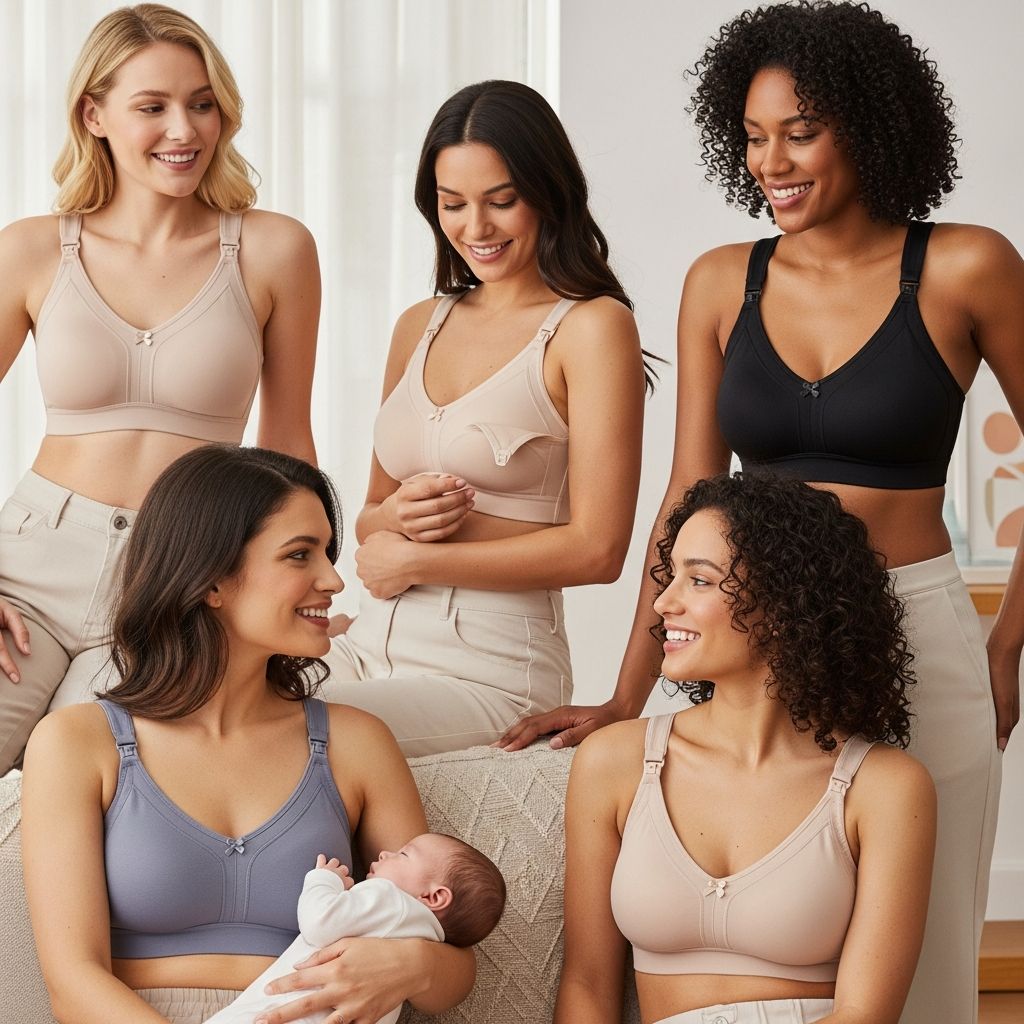
Nursing bras sound simple: a bra with clips so you can feed a baby. In reality, finding one that fits, supports, and survives daily life with a newborn can feel oddly complicated. Your size changes, your comfort threshold changes, and your time and patience shrink dramatically. This guide will walk you through how to choose nursing bras that work in the real world, not just on a product page.
Why Nursing Bras Are Different From Regular Bras
Nursing bras are designed specifically for pregnancy and breastfeeding, when breast size, shape, and sensitivity can change quickly. Compared with everyday bras, they usually offer:
- Easy access for feeding using clips, pull-down cups, or crossover fronts.
- More flexibility in band size and cup volume to accommodate size fluctuations.
- Softer materials that are gentler on sore or sensitive nipples.
- Room for nursing pads to help manage leaks.
Health organizations emphasize that frequent, comfortable feeding is important for establishing milk production, especially in the early weeks. An uncomfortable or restrictive bra can make those long feeds and frequent latch attempts much harder to tolerate.
When to Start Shopping for Nursing Bras
There is no single perfect time, but these milestones can help you plan:
- Second trimester: Many people outgrow their usual bra band and cup by the middle of pregnancy. A soft, wireless maternity or nursing bra can bridge the gap comfortably.
- Final month of pregnancy: This is often a good time to buy a couple of more structured nursing bras in a predicted size, leaving room for postpartum changes.
- 4–6 weeks postpartum: Once milk supply and breast size are starting to stabilize, you can reassess and invest in additional everyday or specialty nursing bras.
Breastfeeding resources commonly recommend avoiding very tight or underwired bras early on, as pressure on breast tissue may contribute to blocked ducts. That does not mean underwire is forbidden forever, but it is wise to be cautious in the first weeks.
The Core Types of Nursing Bras
You probably do not need every type of nursing bra on the market, but understanding the main categories helps you build a small, useful collection instead of a drawer of regrets.
| Type | Best For | Support Level | Typical Features |
|---|---|---|---|
| Seamless everyday bra | All-day wear, work, errands | Light to medium | Wireless, stretchy fabric, clip-down cups |
| Sleep & lounge bra | Night feeds, early postpartum | Light | Crossover or pull-aside front, no hooks, very soft |
| Hands-free pumping bra | Exclusive pumping, work pumping | Medium | Openings to hold pump flanges in place |
| Sports nursing bra | Walking, yoga, low- to moderate-impact exercise | Medium to high | Racerback designs, moisture-wicking fabric, nursing access |
| Underwire or structured bra | Office wear, special occasions | High | More defined cups, sometimes underwire, smoother silhouette |
How Many Nursing Bras Do You Really Need?
Between leaks, spit-up, and sweaty contact naps, nursing bras tend to hit the laundry basket faster than regular lingerie. A simple framework:
- Two to three very soft bras or bralettes for sleep and the early weeks.
- Two everyday seamless bras that work under most clothing.
- Optional extras, depending on your life:
- One sports nursing bra if you plan to exercise.
- One hands-free pumping bra if you will pump regularly.
- One nicer, more structured bra for work or events.
You can absolutely do more with less if you are comfortable doing laundry more frequently. Prioritize comfort and function over variety early on; you can always adjust once you know how often you are nursing or pumping and what your days look like.
Understanding Sizing and Fit During Breastfeeding
Breast size often changes repeatedly between pregnancy, early postpartum, and later breastfeeding. A bra that fits you at 30 weeks pregnant may feel completely different two weeks after birth. A few fit guidelines can help you make sense of the chaos.
How to Measure (and What to Expect)
Professional fitting is ideal, but not always realistic with a newborn. Measuring at home can still get you close:
- Band size: Measure snugly around your ribcage, just under your breasts. Round to the nearest whole number.
- Bust: Measure around the fullest part of your breasts, keeping the tape level but not tight.
- Cup estimate: Subtract band from bust; each inch of difference roughly equals one cup size (A, B, C, and so on).
Many nursing bra brands use flexible sizing ranges (for example, small, medium, large with a list of band and cup combinations) rather than traditional bra sizes. This can be helpful for fluctuating breasts but also confusing, so always check the size chart carefully.
Signs of a Good Nursing Bra Fit
- Band: Feels snug on the loosest hook so you can tighten it over time; it should not ride up your back.
- Cups: No cutting in, gaping, or breast tissue spilling out at the top or sides.
- Straps: Stay on without digging into your shoulders; you should not rely on them to hold all the support.
- Movement: You can raise your arms or lean forward without the bra shifting dramatically or your breasts popping out.
Postpartum breasts can be tender, especially in the first two weeks when milk production is being established. A bra that presses painfully on any area of the breast may increase discomfort and should be adjusted, loosened, or replaced.
Key Features to Look For (and What to Skip)
Not all nursing bras are created equal. These design details do most of the work in making a bra either a staple or an immediate donation item.
Fabric and Construction
- Soft, breathable fabrics: Cotton and moisture-wicking blends help keep skin dry, which can support nipple and breast health.
- Stretch where you need it: Some elastic in the cups or band lets the bra adapt to fullness changes throughout the day.
- Flat seams or seamless designs: Reduce friction on sore nipples or irritated skin.
Try to avoid very stiff, scratchy materials or trims in the early weeks, when your skin may be more easily irritated.
Closures and Access
- Clip-down cups: Common on everyday nursing bras; look for clips that you can open and close with one hand while holding a baby.
- Crossover fronts: Popular for sleep bras; you simply pull the cup aside to feed.
- Pull-down or pull-up panels: Often seen in tanks and sports bras; make sure the fabric stretches easily enough to move without digging.
- Back closures with multiple rows of hooks: Offer breathing room for ribcage expansion during pregnancy and the ability to tighten the band later.
Support and Structure
- Wide bands: A wider band around the ribcage distributes weight more evenly and can feel more supportive than narrow bands.
- Side panels: Help keep breast tissue forward and can reduce the feeling of spilling out the sides.
- Optional padding: Light, removable pads can disguise nursing pads and leaks under clothing; many people prefer the option to remove padding for sleep.
Evidence on underwire and breastfeeding is limited, but many lactation professionals recommend avoiding tight underwire, especially early postpartum, because local pressure on milk ducts may contribute to blocked ducts or mastitis. If you choose underwire, prioritize a truly comfortable fit with no pinching or digging.
Different Bras for Different Postpartum Days
Instead of searching for a single “perfect” nursing bra, it can help to think in scenarios: how you spend your day affects what you need from a bra.
Early Postpartum and Night Feeds
For the first weeks at home, comfort usually matters more than shape or style. You may be feeding every 2–3 hours, including overnight. Many people prefer:
- Wireless bralettes or crossover sleep bras.
- Very soft fabrics with minimal seams.
- Easy pull-aside access so you can feed half-asleep.
- Enough support to keep nursing pads in place but not enough compression to feel tight.
Back to Work and Pumping Days
If you plan to return to work or pump regularly, one or two bras that can hold pump flanges hands-free are worth considering. They allow you to:
- Type or handle other tasks while pumping.
- Maintain a consistent pumping schedule more easily.
- Switch between nursing and pumping without changing clothes, if the design allows both.
Health agencies recommend that people who are separated from their babies for long stretches pump approximately as often as the baby would feed, especially in the early months, to maintain milk production. A bra that makes pumping more convenient can make that recommendation more realistic.
Exercise and Movement
When your healthcare provider says it is safe to resume activity, you may want a nursing-friendly sports bra—something more supportive than a sleep bra but still compatible with feeding. Look for:
- Wide, stable straps and a secure band.
- Moisture-wicking or quick-dry fabric.
- Nursing access (clip-down or pull-aside) that you can manage in a locker room, car, or living room.
Work, Events, and “Feeling Like Yourself” Days
Not every nursing bra has to look purely functional. For days when you want a smoother shape under a blouse or a bit of lace under a dress, structured or lightly lined nursing bras exist. The key is to balance aesthetics with breast health:
- Avoid anything that digs into breast tissue.
- Make sure you can still fully release the breast for feeds or pumping.
- Limit wear time of very tight or highly compressive styles.
Common Nursing Bra Problems and How to Solve Them
Even with careful shopping, issues can come up. Many are fixable with small tweaks.
Problem: Spilling Out or Constantly Adjusting
- Possible cause: Cups too small or band too loose.
- Try: Sizing up in the cup, tightening the band, or choosing a fuller-coverage style with better side support.
Problem: Band Riding Up Your Back
- Possible cause: Band too loose or straps too tight.
- Try: Moving to a tighter hook setting, loosening straps, or sizing down in the band while adjusting cup size as needed.
Problem: Painful Pressure or Red Marks
- Possible cause: Bra is too tight, especially with underwire or stiff seams.
- Try: Switching to a softer, non-wired bra and watching for signs of blocked ducts, such as tender lumps or increasing redness.
Problem: Irritated Skin Under the Bra
- Possible cause: Retained moisture, friction, or sensitivity to fabric or detergent.
- Try: Rotating bras more often, ensuring skin is dry before putting on nursing pads, and choosing breathable fabrics.
Practical Care Tips to Make Nursing Bras Last
Frequent wash and wear can wear out bras quickly, but a few habits stretch their lifespan:
- Rotate multiple bras: Giving elastic a rest between wears helps it recover.
- Use a mesh laundry bag: Protects clips and straps in the washing machine.
- Cool or gentle cycles: Hot water and high heat can break down elastic more quickly.
- Air dry when possible: Hang or lay flat to dry instead of using the dryer.
Sample Nursing Bra Capsule Wardrobe
If the options feel overwhelming, this simple mix will cover most situations for many people:
- 2 ultra-soft sleep or lounge nursing bralettes.
- 2 seamless everyday nursing bras in neutral colors that work under most tops.
- 1 hands-free pumping bra (if you will pump regularly).
- 1 sports-style nursing bra if you plan to exercise.
- 1 prettier or more structured option for work or events, added once your size stabilizes.
You do not need to buy everything at once. Start with the basics that fit your current trimester or postpartum stage, then reassess after a few weeks of actual feeding or pumping.
Frequently Asked Questions (FAQs)
Q: When should I avoid underwire in a nursing bra?
A: Many lactation consultants recommend avoiding tight underwire during the first weeks postpartum, when milk supply is being established and breasts are especially prone to fullness and tenderness. If you later choose underwire, make sure there is no pinching or pressure on breast tissue and stop wearing any bra that seems to contribute to lumps, pain, or redness.
Q: Can I sleep without a bra while breastfeeding?
A: Yes, if you are comfortable. Some people prefer a soft sleep bra to keep nursing pads in place and manage leaks; others sleep braless and simply use absorbent pads or folded cloths. Comfort, not a rule, should guide you, unless your healthcare provider advises otherwise.
Q: Is a nursing bra necessary if I only plan to pump?
A: A dedicated nursing bra is not essential, but a hands-free pumping bra or tank can make exclusive pumping or frequent pumping more manageable. Health authorities note that people who rely on pumping generally need to pump as often as a baby would feed to build and maintain milk production, so choosing gear that makes that process easier can be very helpful.
Q: How tight should a nursing bra feel?
A: The band should feel supportive but not restrictive: you should be able to slide two fingers comfortably under it without digging. Cups should contain your breast tissue without squashing it. If the bra leaves deep marks, causes aching, or feels worse as your breasts fill between feeds, it is likely too tight.
Q: Do I need to wait until after birth to buy any nursing bras?
A: Not necessarily. Many people benefit from soft, wireless bras during pregnancy as their regular bras become uncomfortable. You can buy a couple of stretchy nursing or maternity bras in late pregnancy and then reassess your size 4–6 weeks postpartum, when things are more stable, before buying more structured pieces.
References
- Breastfeeding and the use of human milk — American Academy of Pediatrics. 2022-06-27. https://publications.aap.org/pediatrics/article/150/1/e2022057988/188347/Breastfeeding-and-the-Use-of-Human-Milk
- Breastfeeding — World Health Organization. 2023-07-11. https://www.who.int/health-topics/breastfeeding
- Mastitis: Causes, symptoms and treatment — National Health Service (NHS). 2022-08-18. https://www.nhs.uk/conditions/mastitis/
- Breastfeeding and nipple care — Mayo Clinic. 2023-03-02. https://www.mayoclinic.org/healthy-lifestyle/infant-and-toddler-health/in-depth/breastfeeding/art-20046979