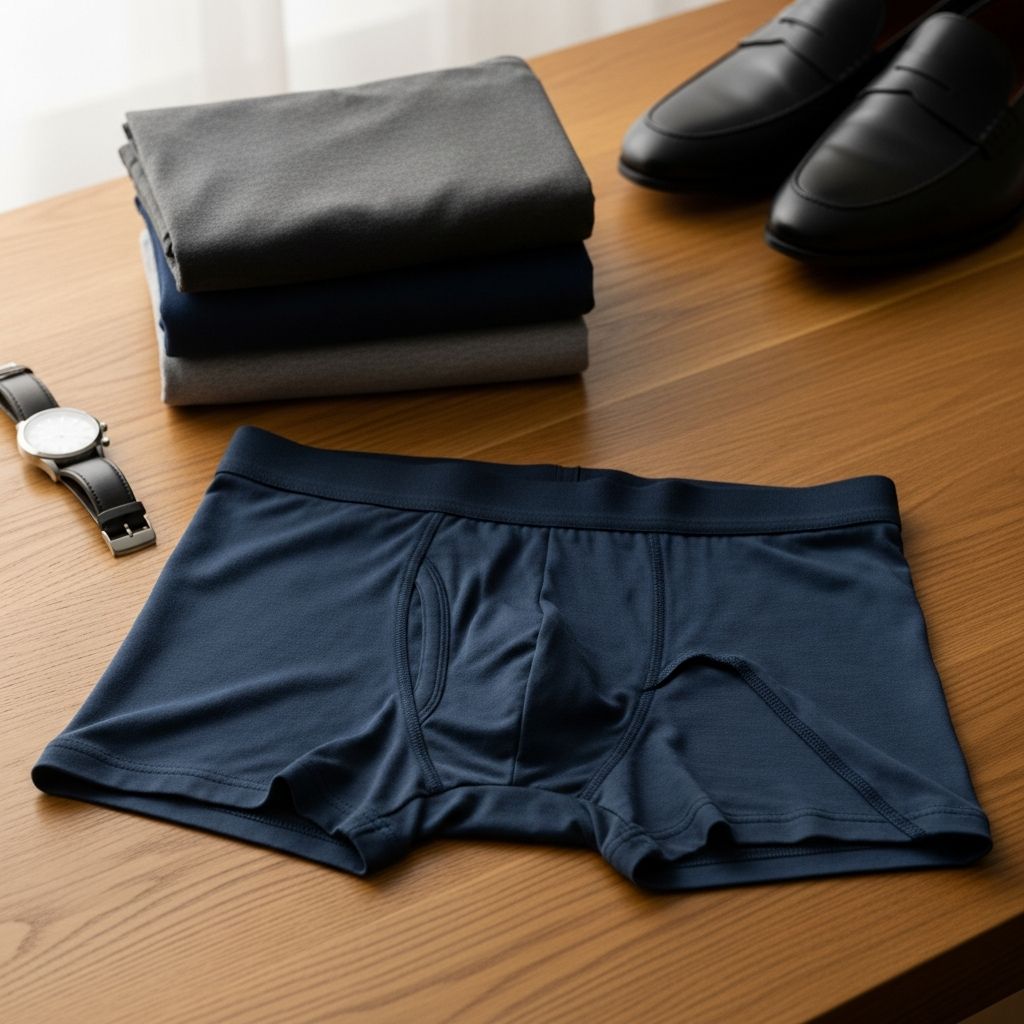
Boxer briefs sit at the center of most men’s wardrobes for a reason: they combine the coverage of boxers with the support of briefs, making them a reliable choice from desk to gym to couch. Yet despite how essential they are, many people still settle for whatever three-pack happens to be on sale and put up with rolling waistbands, riding-up legs, and sagging fabric by midday. This guide will walk you through everything that matters when choosing boxer briefs so you can build a drawer full of pairs you actually enjoy wearing.
Why Boxer Briefs Are the Everyday Workhorse
Boxer briefs became popular because they answer the two biggest underwear complaints: lack of support and bunching fabric. Unlike loose boxers, they sit close to the body, which keeps everything in place during walking, sitting, bending, or working out. Unlike tight briefs, they extend down the thigh, so you do not get fabric wedged uncomfortably where it should not be.
For most body types, boxer briefs offer a “set it and forget it” experience: pull them on in the morning and they simply disappear under clothes. That makes them ideal if you want one style that works with jeans, suits, shorts, and even athletic wear.
Key Factors to Consider Before You Buy
Instead of focusing only on brand names or color, pay attention to the elements that directly affect comfort. A good pair of boxer briefs balances support, breathability, softness, and durability. Those qualities come from a combination of fabric, cut, and construction, not just price.
- Fabric: Determines how soft, cool, and quick-drying the underwear feels.
- Fit: Affects whether the legs ride up, the waistband digs in, or the pouch feels cramped.
- Construction: Seams, waistband quality, and pouch shape decide if a pair feels premium or disposable.
Understanding Fabric: What Your Boxer Briefs Are Made Of
Fabric is the first thing you feel when you pull on a new pair, and often the first thing that fails if you choose poorly. Each common material has strengths and trade-offs, so it helps to match fabric to how and where you wear your underwear most often.
Below is a simple comparison of popular fabrics used in boxer briefs and what they are best suited for.
| Fabric Type | Typical Feel | Best For | Potential Downsides |
|---|---|---|---|
| Cotton (with a bit of spandex) | Soft, familiar, breathable | Everyday wear, mild climates, people who run warm at night | Holds moisture, can feel heavy after workouts |
| Modal / MicroModal | Silky, smooth, luxe | All-day office wear, travel, preventing chafing | Often pricier, may require gentler washing |
| Bamboo or Viscose from Bamboo | Very soft, cool to the touch | Hot climates, sensitive skin, odor control | Some blends can lose shape if poorly made |
| Polyester / Nylon Performance Blends | Lightweight, slick, athletic | Workouts, hiking, long days on your feet | Can trap odor if not treated or washed regularly |
| Merino Wool Blends | Soft, temperature-regulating | Travel, multi-day wear, variable weather | More expensive, needs careful care |
How to Match Fabric to Your Lifestyle
- If you mostly sit at a desk: Modal or bamboo blends keep you comfortable through long, sedentary days without bunching.
- If you work on your feet: A performance polyester or nylon blend wicks sweat and reduces friction under work pants.
- If you live somewhere hot: Lightweight cotton or bamboo helps you stay cooler without feeling clammy.
- If you value longevity: A slightly thicker cotton-spandex or merino blend often resists holes and sagging longer than ultra-thin fabrics.
Getting the Fit Right: Waist, Thigh, and Length
The perfect fabric can still feel terrible if the fit is off. Too tight and you will be adjusting constantly; too loose and the legs ride up or the pouch offers no support. Fit involves three main measurements: waist, thigh, and leg length.
The goal is a “second skin” feel: snug contact with the body that moves with you rather than against you, with no sharp pinching or visible digging under clothes.
Waistband Fit
The waistband should sit level around your body, typically just below the navel or at your natural waist, without folding or rolling. You should be able to slide two fingers comfortably under the band without it feeling like a tourniquet.
- If the band leaves deep red marks after normal wear, it is too tight.
- If the band slides down when you sit or bends outward at the top, it may be too loose or too stretchy.
- Look for a soft, brushed interior on the band if you have sensitive skin.
Thigh and Leg Opening
Leg openings control whether your boxer briefs stay put or creep up your thigh all day. They should gently hug the leg without creating a visible bulge under slim pants. A small amount of stretch in the hem helps them move with your muscles instead of fighting them.
- Thicker thighs usually benefit from a longer inseam and more stretch in the leg.
- Very slim legs often do better in mid-length or slightly shorter cuts so the fabric does not flap or bag.
Choosing the Right Inseam
Inseam length controls how far down the leg the boxer brief extends. While exact measurements vary by brand, three general categories cover most options:
- Short: Similar to trunks, usually a few inches down the thigh. Good under short shorts but can ride up more easily.
- Standard: Mid-thigh length that works with almost any pant style. This is the safest “one-style-fits-most” choice.
- Long leg: Extends closer to the knee, especially useful for tall individuals or anyone prone to inner-thigh chafing.
The Pouch: Support Without Squeeze
The pouch is where small design differences make a big impact. Some brands use a flat, minimal pouch that feels streamlined, while others sculpt a 3D pouch that lifts and separates for more defined support. The right choice depends on your body shape and what feels natural.
When you try on a new pair, pay attention to whether the pouch requires constant adjustment. Proper support should gently hold you in place without forcing everything into one tight spot or leaving excess fabric that bunches.
Fly vs No Fly
Fly design is mostly about convenience and personal preference. Some men appreciate a functional fly for quick bathroom breaks, while others find it introduces extra seams and prefer a smooth, flyless front. There is no performance advantage either way; focus instead on how the front panel feels against your skin.
Construction Details That Separate Great from Average
Two pairs can use the same fabric but feel completely different because of construction quality. Small details in stitching, seam placement, and waistband design often determine whether boxer briefs last months or years.
- Flatlock seams: These lay flat against the skin and reduce rubbing, especially along the inner thigh.
- Gussets: An extra panel of fabric in the crotch area improves mobility and durability.
- Tagless labels: Printed or heat-transferred labels prevent scratchy tags digging into your lower back.
When to Choose Performance Boxer Briefs
Everyday underwear does not always excel in the gym or on a long hike. Performance boxer briefs use technical fabrics and specific design features to keep you dry and reduce chafing when you sweat heavily or move continuously for hours.
- Look for moisture-wicking, quick-drying synthetic blends if you train regularly.
- Mesh zones or perforated panels can add breathability in heat-prone areas.
- Longer inseams help protect inner thighs from friction during running, cycling, or hiking.
Signs It’s Time to Retire a Pair
Even high-quality boxer briefs have a lifespan. Hanging onto worn-out pairs makes your day less comfortable and can cause irritation. A simple rule of thumb is to reevaluate your drawer every six to twelve months, depending on how many pairs you rotate.
- Waistband waves, twists, or no longer stays put.
- Fabric has thinned to the point of transparency in high-stress areas.
- Persistent odors remain after washing, even with proper care.
- Holes, runs, or fraying seams appear anywhere in the garment.
How Many Pairs Do You Actually Need?
The ideal number of boxer briefs depends on how often you do laundry and whether you have different pairs for different activities. A small, thoughtful collection is better than an overflowing drawer of mediocre underwear.
- For most people, 10–14 everyday pairs cover a weekly laundry cycle comfortably.
- Add 3–5 performance-focused pairs if you work out regularly or have an active job.
- Consider 2–3 “luxe” pairs in higher-end fabrics for travel, long flights, or days when you want extra comfort.
Care and Washing Tips to Make Them Last
Good boxer briefs are an investment in daily comfort, and simple care habits can add months or even years to their lifespan. Overly hot water, aggressive dryers, and harsh detergents all break down fibers faster than necessary.
- Wash in cool or warm water rather than hot to protect elastic and color.
- Avoid bleach and heavy fabric softeners, which can degrade stretch materials.
- Air-dry when possible; if you use a dryer, stick to low heat.
- Turn them inside out before washing to help clean areas that contact skin most closely.
Common Mistakes to Avoid When Buying Boxer Briefs
Many underwear problems stem from the same avoidable errors. Avoiding these pitfalls will save you from a drawer full of almost-right pairs that you never reach for.
- Buying only on price and ignoring fabric or fit details.
- Assuming all brands size their underwear the same way as your pants.
- Overlooking inseam length, leading to constant riding up or peeking under shorts.
- Ignoring care instructions and then blaming the brand when the waistband gives out early.
Simple Checklist Before You Commit
Use this quick checklist when you are assessing a new pair in-store or after it arrives in the mail. A minute of evaluation upfront can prevent hours of annoyance later.
- Does the waistband sit flat and comfortably without digging?
- Do the legs stay in place when you walk, squat, and sit?
- Does the pouch feel supportive without compression pain?
- Is the fabric appropriate for when you will mostly wear it—work, workouts, or weekends?
- Are seams flat and smooth where your thighs rub together?
Frequently Asked Questions About Boxer Briefs
Are boxer briefs better than boxers or briefs?
“Better” depends on your priorities, but boxer briefs are the most versatile option for most men because they blend support and coverage. Briefs may feel cooler and less restrictive for some, while boxers feel breezier at home. If you want one style that works for nearly every outfit and activity, boxer briefs are usually the safest and most comfortable choice.
How tight should boxer briefs feel?
Boxer briefs should feel snug but not restrictive. You should be able to bend, sit, and climb stairs without feeling pinched, and you should not see deep marks around your thighs or waist when you change clothes. If you constantly notice the underwear or feel the urge to adjust, the fit is likely too tight or the cut does not match your body type.
Can I wear the same pair for workouts and everyday use?
You can, but it is not ideal. Performance pairs are designed to handle sweat and friction better, using quick-drying material and strategic panels to keep you comfortable during intense activity. Everyday cotton or modal underwear may feel fine for a short workout but will usually hold moisture longer and may stretch out faster under heavy use.
What if my thighs cause my boxer briefs to ride up?
If you have larger thighs and frequently battle riding up, look for boxer briefs with a longer inseam and substantial stretch at the leg openings. Flatlock inner-thigh seams and slightly compressive, performance-oriented fabrics also help the legs stay anchored instead of bunching.
How often should I replace my boxer briefs?
There is no universal expiration date, but most pairs show clear signs of wear between 6 and 24 months depending on quality and how often they are worn. When you notice loss of elasticity, visible thinning, or persistent odor, it is time to replace that pair and gradually refresh your rotation.
Do higher-priced boxer briefs always feel better?
Not always. Higher prices often reflect premium fabrics, ethical production, or brand marketing, but you can find comfortable, durable options at many price points. The best approach is to pay attention to material, construction, and fit reviews rather than assuming that a big logo or a higher cost automatically means more comfort.
Building a Drawer You Actually Like
Upgrading your boxer briefs does not have to be a single, expensive overhaul. Start by replacing your worst offenders—the stretched-out, hole-ridden pairs you keep for laundry emergencies—with one or two thoughtfully chosen options. Over time, you can build a rotation of boxer briefs tailored to your daily life: breathable pairs for hot days, soft modal or bamboo for long work hours, and performance styles for activity-heavy days.
When your underwear fits well and stays comfortable, you think about it less—which is exactly the point. The best boxer briefs do their job quietly in the background, giving you one less distraction and one more layer of confidence every day.