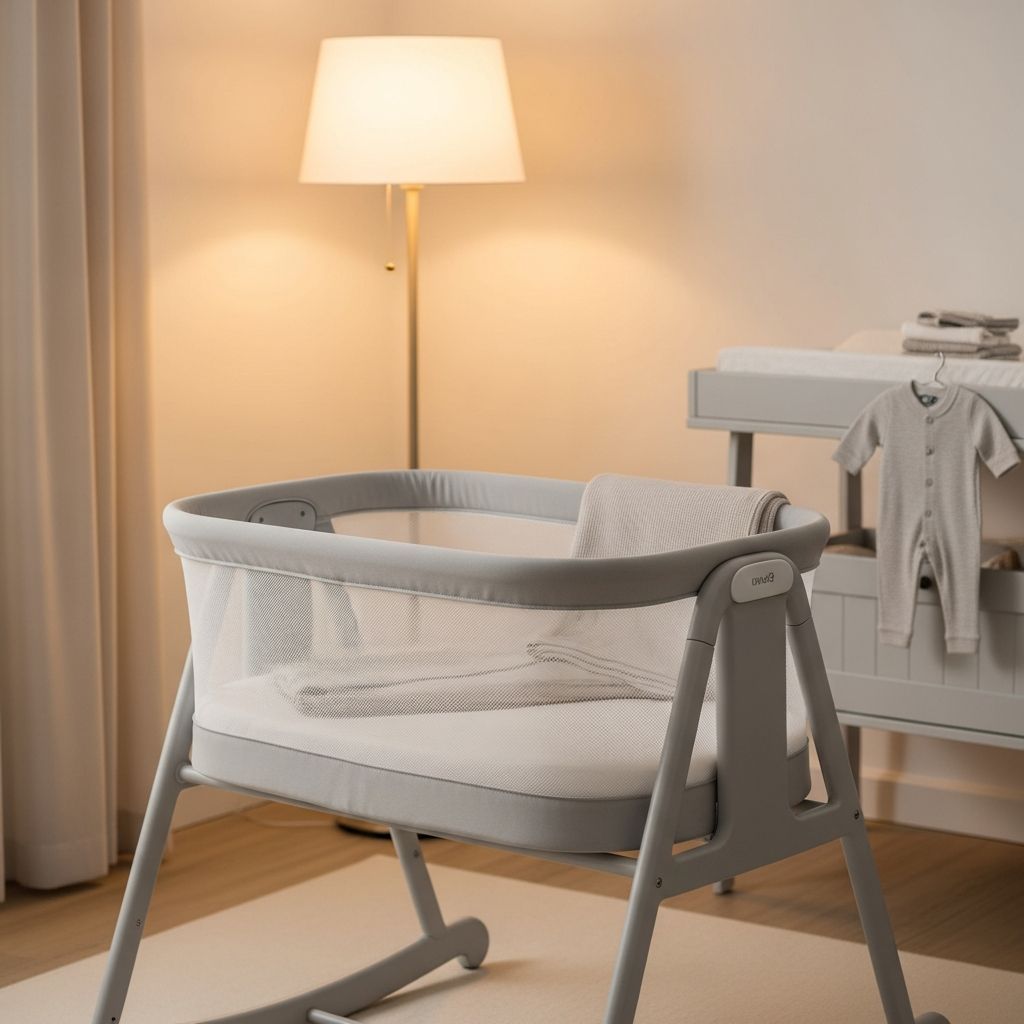
Bringing a newborn home raises one immediate question: where should the baby sleep? A bassinet can be a cozy, compact answer for the first few months, but the options can feel overwhelming. This guide walks through the key decisions, safety considerations, and practical features to help you pick a bassinet that truly fits your family’s life.
Why Many Parents Start With a Bassinet
A bassinet is a small sleep space designed for newborns and young infants, typically used from birth until about four to six months, or until the baby outgrows the weight or movement limits set by the manufacturer. Parents often choose a bassinet because it is smaller than a crib, easier to fit beside the bed, and more portable around the house.
During the exhausting newborn phase, having the baby close can make night feeds, diaper changes, and quick check-ins much simpler. Many families also find that room-sharing without bed-sharing gives them peace of mind while still supporting safe sleep habits.
Core Safety Principles You Should Know
Before comparing fabrics, colors, or bonus features, the first priority is safety. Modern pediatric guidance emphasizes a firm, flat sleep surface, a clear sleep space, and using products designed specifically for infant sleep. These principles apply whether you choose a bassinet, crib, or portable play yard.
Because recommendations can evolve, it is important to follow current guidance from pediatric organizations and to register your product with the manufacturer so you receive recall notices if anything changes after purchase.
Major Types of Baby Bassinets
Not all bassinets serve the same purpose. Understanding the main categories helps narrow your search and avoid paying for features you will never use. Most products fall roughly into one of the groups below, though some combine elements from several.
| Type | Best For | Typical Pros | Potential Drawbacks |
|---|---|---|---|
| Bedside stand-alone bassinet | Most families wanting baby close but not attached to the bed | Compact footprint; often lightweight; usually more affordable than complex systems | May offer fewer advanced features; some models have limited height adjustment |
| Adjustable bedside / slide-over bassinet | Parents recovering from birth, especially after a cesarean | Height adjustment to match bed; sides may lower or swivel; easier access to baby | Heavier and bulkier; usually higher price point |
| Portable or travel bassinet | Families who visit relatives, travel, or move between rooms often | Folds or collapses; lighter weight; often includes a carrying bag | May feel less sturdy; smaller mattress area; fewer extras |
| Multi-use bassinet/pack-and-play hybrid | Parents wanting one product from newborn through toddler years | Can convert to a larger play yard; good long-term value | Requires more floor space; heavier and less portable in daily use |
| Smart or motion bassinet | Caregivers interested in technology that adds gentle rocking or sound | Automated soothing, built-in white noise or rocking; app controls on some models | High cost; heavier; electronics add another layer of maintenance and setup |
Key Features That Actually Matter
Once you decide which broad type of bassinet suits your needs, it helps to focus on a few practical features rather than a long checklist of buzzwords. Think about your daily routines, your living space, and how you like to parent at night.
1. Sleep Surface and Mattress
The mattress should be firm, thin, and fit snugly inside the bassinet frame without gaps along the edges. Loose space between the mattress and the side walls can pose a risk if the baby’s face or body wedges into it, so using only the manufacturer-approved mattress and fitted sheet is important.
A flat sleep surface is generally recommended for newborns, rather than inclined or hammock-style designs. Avoid adding toppers, pads, or extra cushions on top of the included mattress, even if they appear more comfortable to an adult.
2. Frame Stability and Build
A sturdy frame helps prevent tipping or collapsing if an older sibling bumps the bassinet or a parent leans in. Wide bases, locking legs, and strong joints contribute to overall stability, especially on carpet or uneven floors.
If the bassinet has wheels, check for brakes or locks that can be engaged whenever the baby is inside. For models that rock or glide, look for the ability to lock them into a stationary mode for sleep.
3. Breathability and Side Panels
Mesh or breathable fabric side panels can improve airflow and also make it easier to see the baby without standing up. Clear visibility may help you check breathing patterns and sleep position quickly at night.
Avoid hanging blankets or drapes over the sides of the bassinet, even if they appear decorative. Extra fabric near the sleep surface can interfere with ventilation and create unnecessary hazards.
4. Size, Height, and Adjustability
Measure the space where the bassinet will sit, especially if your room is small or your bed is unusually high or low. Some bassinets offer multiple height positions, which can be helpful for comfortable overnight feeding and recovery after birth.
If you plan to roll or carry the bassinet from room to room, also consider door widths, tight corners, and whether the unit will fit in the car for visits and travel.
5. Ease of Cleaning
Babies bring spit-up, diaper leaks, and occasional illness, so removable and washable fabrics are a major advantage. Many bassinets allow you to unzip or detach the side fabric and mattress cover for machine washing.
If machine washing is not an option, make sure the materials can be wiped down effectively and that there are no hidden crevices where moisture or debris can build up over time.
Planning Where the Bassinet Will Go
Choosing the right spot for the bassinet is just as important as the product itself. Parents often set it up next to the adult bed so they can see and reach the baby easily during the night without needing to walk down a hallway.
Place the bassinet on a flat surface away from cords, blinds, heaters, space heaters, windows, and wall hangings that could fall. Clear the surrounding space of dangling toys, shelves directly above the sleep area, and unstable furniture.
Budgeting and Deciding What’s Worth the Money
Prices for bassinets range from modest to very expensive, particularly when technology and accessories are added. It helps to set a general budget first and then decide which features genuinely matter to your family instead of defaulting to the most heavily advertised model.
Consider how many children might use the bassinet, whether you expect frequent travel, and how quickly you plan to transition to a crib. A basic but well-built bassinet can serve many families well, while others prefer to invest in smart features if those align with their routines and values.
Using a Bassinet Alongside a Crib
Many parents treat the bassinet as a short-term solution and plan to move the baby to a crib around the time rolling, sitting, or pushing up on hands and knees emerge. A crib offers more space and typically supports safe sleep for several years, while a bassinet focuses on the newborn window.
You do not need to choose between a bassinet and crib forever; it is common to use both at different stages. Some families buy the crib early and keep it in the nursery while also using a bassinet in the parents’ room for the early months.
Daytime Use, Naps, and On-the-Go Sleep
While nighttime sleep often drives the purchase, bassinets can also play a role in safe daytime naps. Having a portable option allows caregivers to supervise the baby in the main living area while still providing a firm, flat surface instead of relying on swings, car seats, or couches.
For travel, check whether the bassinet is allowed in hotels or guest spaces and whether it folds compactly. A travel bassinet can make visits to grandparents or overnight trips more predictable, since the baby sleeps in a familiar environment.
Practical Tips for Everyday Bassinet Use
- Read the full manual before the baby arrives so you understand weight limits, assembly steps, and age recommendations.
- Do a test night with a doll or stuffed object to practice picking up and setting down the baby without bumping the sides or lowering them awkwardly.
- Keep diapers, wipes, burp cloths, and a spare fitted sheet within arm’s reach so you do not need to cross the room with a crying newborn.
- Use dim night lights instead of bright overhead lighting to keep everyone drowsy during night feeds and diaper changes.
- Regularly inspect screws, joints, and fabric for wear and tear, especially if the bassinet has been stored between children or used secondhand.
Frequently Asked Questions About Baby Bassinets
How long can a baby sleep in a bassinet?
Most babies outgrow a bassinet between four and six months, but the exact timing depends on the product’s weight limit and the baby’s developmental milestones. If your baby can roll over, push up strongly on hands and knees, or sit, it is time to move to a larger sleep space even if the stated weight limit has not been reached.
Is a bassinet safer than a crib?
A properly used crib or bassinet can both be safe options when they follow modern safety standards and guidelines. The main differences between the two are size, portability, and how long they can be used, not the basic safety principles themselves.
What should go inside the bassinet?
For sleep, the bassinet should contain only the firm mattress that came with it and a well-fitted sheet designed for that specific model. Avoid pillows, bumper pads, loose blankets, stuffed animals, positioners, or extra pads, even if they are marketed as sleep aids.
Can a baby nap in a bassinet during the day?
Yes, a bassinet that meets current safety standards can be used for both nighttime sleep and supervised naps. Keeping nap conditions consistent with nighttime expectations helps reinforce safe habits and may make it easier for babies to recognize their sleep space.
Should I buy a smart bassinet with motion and sound?
Smart bassinets with rocking, vibration, and white noise can be convenient for some families but are not essential for safe sleep. If you prefer a simple setup or have a tighter budget, a non-electronic, well-designed bassinet can still support healthy sleep routines.
Is a bassinet necessary if I already have a crib?
A bassinet is optional, not mandatory. Some caregivers place babies directly into a crib from day one, while others appreciate the compact size and proximity of a bassinet in the early weeks and then transition later.
Final Thoughts: Matching the Bassinet to Your Life
The “best” bassinet is not the one with the most features, but the one that aligns with your space, your budget, and your approach to nighttime parenting. By focusing on basic safety, thoughtful design, and how you actually move through your home at 2 a.m., you can choose a bassinet that makes the newborn months a little calmer and more manageable.
Whether you pick a simple bedside model, a travel-friendly option, or a fully loaded smart bassinet, using it consistently and safely will matter far more than any single feature on the box. A well-chosen bassinet becomes not just baby gear, but a small island of predictability in the beautiful chaos of early parenthood.