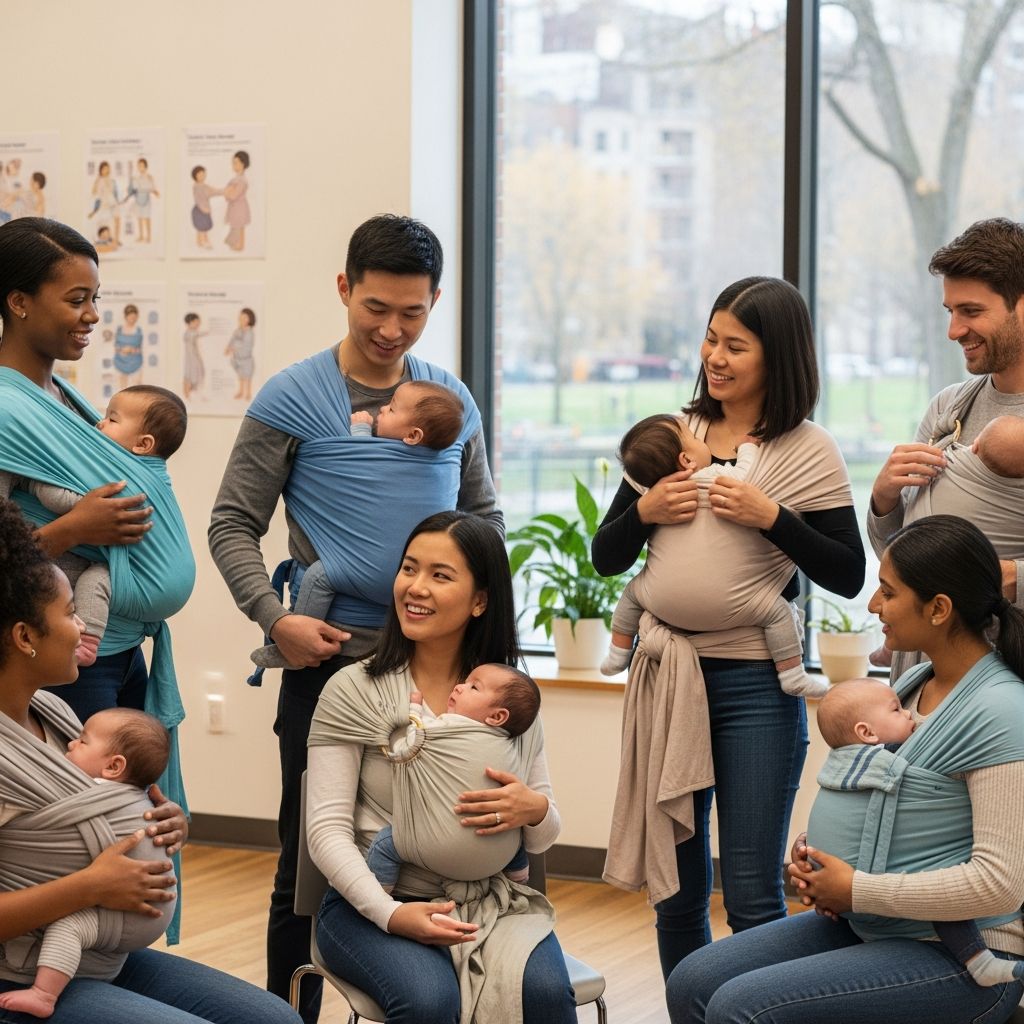
Baby wraps can be one of the most comfortable and bonding ways to carry a baby, but only if the fabric, fit, and style match your body and your real life. Instead of chasing the “perfect” brand, focus on understanding how wraps work, what your priorities are, and how to get a safe, supportive fit.
Why Baby Wraps Are Worth Considering
Many caregivers are drawn to wraps because they offer a snug, womb-like feeling that can calm fussy newborns and support on-the-go naps. Wraps also free your hands so you can make a snack, answer messages, or play with older kids while keeping your baby close enough to kiss. Beyond convenience, babywearing can support bonding, help some babies with reflux by keeping them upright, and make outings less stressful than dealing with a stroller everywhere you go.
Key Decisions Before You Buy
Before falling in love with a color or pattern, think through a few practical questions. This helps narrow down the overwhelming number of options into a small group that fits your needs and budget.
- Climate: Hot, humid weather often calls for lighter fabrics; cooler climates can handle thicker or blended materials.
- Baby’s age and size: Newborn-friendly wraps are not always the best choice once your baby is heavier or more active.
- Your experience level: Some wraps have a gentle learning curve; others require more practice to master.
- Sensitivity to pressure or pain: If you have back, shoulder, or pelvic pain, support and weight distribution matter a lot.
- Budget and washing habits: Natural fibers and blends may cost more or need gentler care, while simple cotton is often cheaper and easier to wash.
Understanding the Main Types of Wraps
Most baby wraps fall into two broad categories: stretchy wraps and woven wraps. Each category has its own strengths, limitations, and ideal use cases. Knowing the differences will help you choose a wrap that fits your baby’s age, your body, and your patience level for learning ties.
Stretchy Wraps: Soft and Forgiving for Newborns
Stretchy wraps are usually made of knit fabric with a comfortable amount of give. They tend to feel like a cozy T-shirt: soft, cuddly, and very gentle on a newborn’s skin. Because of the stretch, they are especially popular for the first few months when babies are small, sleepy, and prefer to be snuggled in one main front-carry position.
- Best stage: Newborn to early infancy, especially for full-term babies on the smaller side.
- Comfort: Very soft, often ideal for long cuddling sessions while baby naps on your chest.
- Ease of use: Many caregivers find the learning curve milder than with woven wraps because you can pre-tie the wrap and then pop the baby in and out.
- Limitations: They can feel too bouncy or unsupportive once the baby becomes heavier, and most are intended only for front, inward-facing positions.
Woven Wraps: Versatile and Long-Lasting
Woven wraps are made from fabric that does not stretch in the same way a knit does, giving more structure and support. This allows you to carry a tiny newborn one day and a busy toddler the next, as long as your tying technique is solid. With practice, you can learn multiple carries: front, hip, and back positions, which can make a single woven wrap useful for many years.
- Best stage: Newborn through toddlerhood, especially if you want one wrap to last for the long term.
- Comfort: Excellent weight distribution when wrapped correctly, especially with supportive blends like cotton with linen or hemp.
- Flexibility: Can be used for different carries as your baby grows or your needs change throughout the day.
- Learning curve: Tying can feel more technical at first, and many caregivers benefit from video tutorials or in-person help.
Fabric Choices and What They Mean in Real Life
Beyond the type of wrap, the fabric itself makes a huge difference in how a carrier feels during actual day-to-day use. Pay attention to both fiber content and how thick or dense the fabric is, especially if you live somewhere hot or will be wearing baby for long stretches.
| Fabric Type | Feels Like | Best For | Things to Consider |
|---|---|---|---|
| Cotton | Soft, familiar, easygoing | All seasons, beginners, frequent washing | Breathable and sturdy; midweight cotton can feel warm in peak summer. |
| Linen blends | Crisp at first, softens with use | Warm climates, heavy babies | Very supportive once broken in, but may feel a bit stiff straight out of the package. |
| Bamboo or modal blends | Silky, drapey, often very soft | Parents who prefer a luxurious, cool feel | Can be more delicate; follow wash instructions carefully to maintain softness. |
| Hemp blends | Dense and strong, softens over time | Older babies, toddlers, long walks | May feel heavy for hot weather until very well broken in. |
| Stretch knit (for stretchy wraps) | Like a thick T-shirt | Newborn cuddles, around-the-house use | Less supportive for heavier babies; check the weight limit and manufacturer’s guidance. |
Safety Basics Every Caregiver Should Know
Babywearing is generally safe when you follow a few key guidelines and stay attentive to your baby’s position. Good wrap use should feel secure and snug but never restrictive around the baby’s face or neck. When in doubt, always prioritize airway and hip health over aesthetics or trend-driven tying styles.
- Airway: Your baby’s nose and mouth should always be visible and clear, with no fabric pressing into the face.
- Head position: Baby’s chin should be off the chest, with enough space between their chin and chest for at least a finger or two.
- Seat and hips: Aim for a deep, supported seat where the knees are higher than the bottom in a gentle “M” shape.
- Tightness: The wrap should be snug enough that baby does not slump or sway away from your body as you move.
- Height: A common rule is to wear baby high enough that you can easily kiss the top of their head without leaning down.
Comfort for the Wearer: What to Look For
A wrap that looks beautiful but leaves you with aching shoulders or a sore lower back will probably end up at the back of a closet. The good news is that many comfort issues come down to technique rather than the wrap itself. With some adjustment, you can usually improve how the wrap feels on your body.
- Spread the fabric: On your shoulders, allow the fabric to fan out rather than bunch like a rope, so the weight spreads widely.
- Check tension layer by layer: Tighten from the top rail (near baby’s neck) to the bottom rail (under baby’s knees) to remove slack.
- Balance the knot: Tying off at your front, back, or side is a matter of comfort and mobility; experiment to see what feels best.
- Use your hips: For long walks, carries that send more weight to the hips can be more sustainable than shouldering everything.
Real-Life Scenarios: Which Wrap Works When?
Thinking about specific situations can make it easier to match a wrap to your lifestyle. Consider where you spend most of your time, whether you share babywearing duties with another adult, and how much mental energy you want to spend on tying and adjusting.
Newborn Phase and Fourth Trimester
In the first few months, many caregivers want maximum softness and simple front carries. A stretchy wrap or a soft, lightweight woven in a front carry can offer a calm, cozy environment for a baby who mostly eats, cuddles, and naps. This period is also when you are learning your baby’s cues, so a wrap that feels forgiving and easy to adjust can reduce stress.
Mobile Babies and Curious Toddlers
Once babies discover the world and become more active, a more supportive setup becomes valuable. Many families shift to a woven wrap and explore hip and back carries for better range of motion and a clearer field of view for the child. At this stage, practice is key—short sessions at home can help you build skill and confidence before trying public outings.
Length, Sizing, and Sharing Wraps
Wraps are usually sold in lengths rather than traditional clothing sizes. The length you choose affects which tying methods you can comfortably use. If more than one person will be wearing the baby, aim for a versatile size that works for the largest wearer and can still be adapted for the smaller one.
- Shorter wraps: Great for quick hip or back carries and for caregivers who prefer less fabric trailing around.
- Mid-length wraps: Offer a balance between versatility and manageability for many body types.
- Longer wraps: Allow the widest variety of carries and layering, but can feel like too much fabric for hot climates or petite wearers.
Common Fit Problems and Simple Fixes
Even experienced babywearers sometimes have an “off” day with a wrap. If something feels wrong, stop, adjust, and listen to how your body and baby respond. Small tweaks often make a big difference.
- Baby feels too low: Start with the fabric higher on your torso before putting baby in, and pull all slack toward the knot while tightening.
- Back or shoulder pain: Spread the fabric on your shoulders, tighten the wrap one section at a time, and check that the knot isn’t pulling unevenly.
- Baby slumps or curls inward: Tighten the wrap at the top rail near the neck and ensure the seat is deep so baby cannot slide down.
- Overheating: Remove extra clothing layers on both you and baby, choose a carry with fewer fabric passes, and stay in the shade when possible.
Caring for Your Wrap so It Lasts
Wraps tend to be sturdy and can handle daily use, but they will last longer and feel better over time if you care for them thoughtfully. Always follow the specific instructions from the maker, especially for blends with delicate fibers like silk or certain plant-based materials.
- Washing: Many cotton wraps can be machine washed on a gentle cycle; more delicate fibers may need hand washing or cooler water.
- Drying: Air drying is often safest to avoid shrinking or weakening fibers, though some wraps tolerate low-heat tumble drying.
- Breaking in: Woven wraps often soften as you use them—regular wearing, gentle braiding, and washing according to instructions can speed this process.
- Storage: Store in a cool, dry place; rolling or folding loosely helps avoid deep creases.
FAQs About Baby Wraps
How long can I wear my baby in a wrap at one time?
There is no strict time limit as long as both you and your baby are comfortable, breathing easily, and not overheating. Many caregivers find that shorter sessions with breaks work best in the beginning while you tune into your baby’s signals and your own body’s limits.
Can I breastfeed in a wrap?
Many parents do nurse in a wrap, but it generally requires careful practice and attention to safety. If you choose to breastfeed in a carrier, always return your baby to an upright, well-supported, open-airway position once feeding is finished.
Is a wrap better than a structured carrier?
Neither option is universally “better”—they simply meet different needs. Wraps often shine for snuggly newborn bonding and customizable support, while structured carriers tend to be faster to put on and may feel easier for older babies or longer outings.
Do I need more than one wrap?
One well-chosen wrap can serve you from the newborn period through toddlerhood, especially if it is a supportive woven in a versatile length. Some families do enjoy having more than one wrap to handle different seasons, backup on laundry day, or different carries, but it is not a requirement.
What if I feel overwhelmed by tying?
Feeling clumsy at first is very common and does not mean you are doing anything wrong. Practicing with a stuffed animal, watching step-by-step videos, or visiting a local babywearing group can help build confidence quickly, and most caregivers find the motions become automatic with time.
Final Thoughts: Focus on Fit, Not Hype
Babywearing culture can sometimes make it seem like there is one “right” brand or style of wrap, but in reality, the best choice is the one you can put on safely and comfortably in your everyday life. When you prioritize safety, fit, and how a wrap feels on your body, you give yourself and your baby the best chance at a relaxing, connected babywearing experience.