Diaper changes might not be glamorous, but they happen a dozen times a day in the early months—so a good changing pad can make daily life noticeably easier. The right pad keeps your baby safe and comfortable while protecting your furniture and your sanity.
This guide explains the different types of changing pads, what features actually matter, how to think about safety and hygiene, and which options make the most sense for your home, car, and diaper bag. It is inspired by common parent concerns but written from scratch to help you build a setup that fits your real life.
Why a Changing Pad Matters More Than You Think
At first glance, a changing pad looks like a simple accessory, but it quietly solves several daily parenting headaches at once. Instead of improvising with towels or blankets, you get a dedicated, wipeable, cushioned surface designed specifically for messy, wiggly diaper changes.
- Safety: Raised edges, non-slip bottoms, and straps reduce the risk of rolling and falling when used correctly.
- Comfort: A cushioned surface helps calm your baby, which can shorten those middle-of-the-night diaper sessions.
- Hygiene: Waterproof or wipeable materials make it easier to keep germs, leaks, and odors under control.
- Convenience: The right pad keeps everything predictable: same spot, same tools, same motions—less mental load for exhausted parents.
Main Types of Baby Changing Pads
Not all changing pads are built for the same purpose. Understanding the main categories helps you avoid buying three different versions before finding the one you actually like.
1. Contoured Changing Pads (for Dressers and Tables)
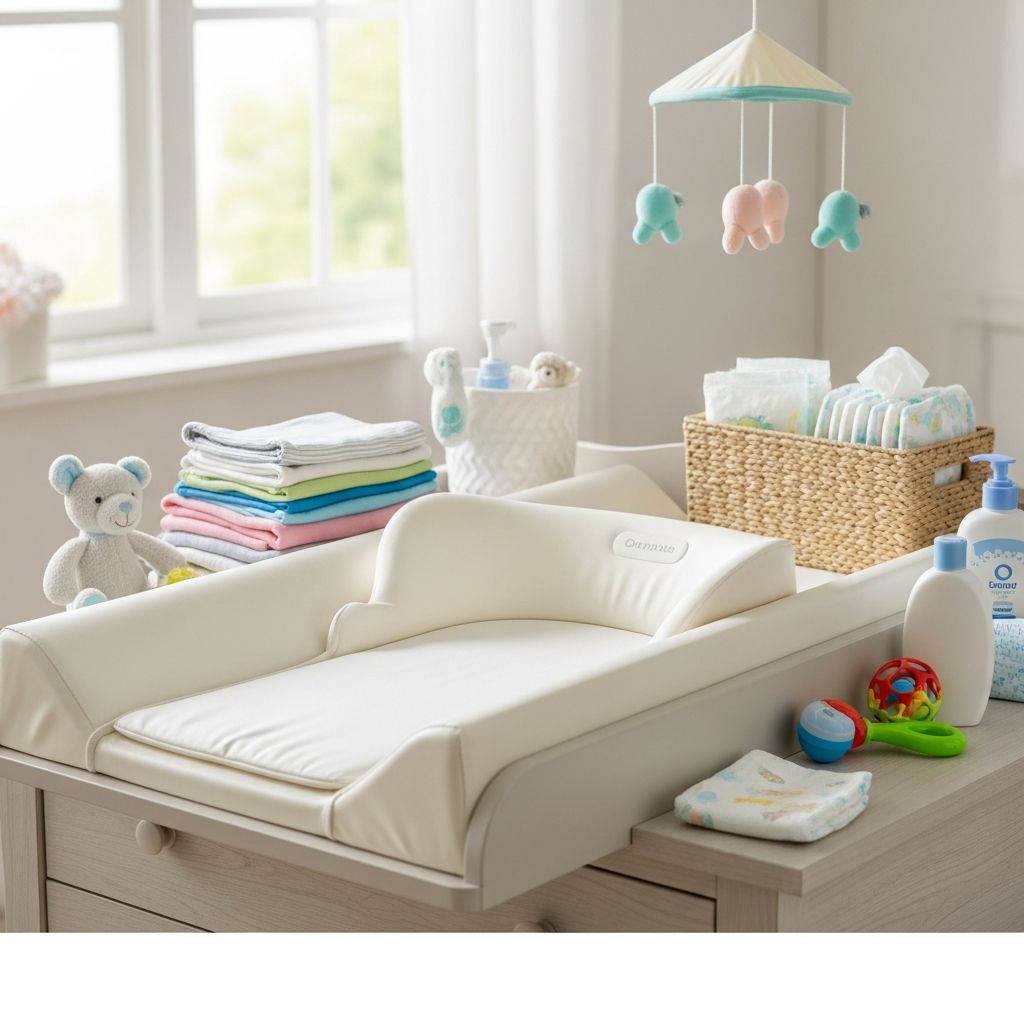
Contoured pads are the classic nursery choice: a rectangular base with raised sides that gently hug your baby and help prevent rolling. They typically sit on top of a dresser or dedicated changing table and can be attached with screws or straps.
- Best for: Families who change diapers primarily in one spot at home.
- Pros: Stable, comfortable, compatible with many dressers and changing tables.
- Cons: Bulky, not ideal for frequent travel or small apartments with no dedicated nursery space.
2. Foam or Molded One-Piece Pads
These pads are made from molded foam or similar materials with a built-in waterproof surface. They usually don’t require separate covers, making them highly practical for quick wipe-downs after a blowout.
- Best for: Parents who prioritize easy cleaning and a minimalist look.
- Pros: No laundry required for covers, smooth modern design, very easy to sanitize.
- Cons: Can feel cooler against baby’s skin, often more expensive than basic pads.
3. Portable Changing Pads
Portable pads are slim, foldable, and designed to fit in a diaper bag. Many models combine a mat with small pockets for wipes and a couple of diapers, creating a grab-and-go changing kit.
- Best for: Car trunks, strollers, travel, and quick changes outside the nursery.
- Pros: Lightweight, compact, affordable, easy to clean.
- Cons: Less padded, no raised sides, and not as comfortable for daily at-home changes.
4. Changing Pad with Extras (Scales, Toys, and More)
Some modern pads incorporate digital scales or attachable toys. The scale allows you to track weight without a clinic visit, while small toys can distract a fussy baby during changes.
- Best for: Parents who love multi-function gadgets or need convenient at-home weight checks.
- Pros: Dual-purpose, potentially fewer devices cluttering your nursery.
- Cons: Higher price, heavier, and more complex to clean or move.
Key Features to Look For
Once you decide on the general style, zoom in on the details that affect comfort, safety, and your daily workload. Here are the most important elements to consider.
Size and Fit
Your changing pad should match both your baby’s size and your furniture’s dimensions. Too short, and your baby quickly outgrows it; too large, and it may wobble or hang over the edges of your dresser.
- Measure the length and width of your dresser top, changing table, or other intended surface before buying.
- Leave space for a basket or caddy that holds diapers, wipes, and creams so you’re not reaching dangerously far mid-change.
- If a pad includes hardware or anchor straps, confirm they’re compatible with your furniture.
Safety Details
No changing pad can replace supervision, but certain design details reduce risk when used properly. Look for multiple layers of protection instead of relying on a single safety feature.
- Raised sides or contoured shape: Helps keep wiggly babies centered.
- Non-slip base: Rubberized or textured bottoms keep the pad from sliding on smooth dressers.
- Attachment system: Screws, adhesive strips, or straps that tether the pad to furniture can increase stability.
- Safety strap for baby: A simple belt that buckles over the baby’s midsection for an extra layer of security (used with constant supervision, not instead of it).
Materials and Comfort
Babies spend a surprising amount of time on the changing pad, especially in the early months. The material should feel comfortable against bare skin and support the baby’s developing body.
- Padding: Opt for firm but cushioned foam or similar core materials that don’t flatten too quickly.
- Temperature: Smooth waterproof surfaces can feel cold; you may want a removable cloth cover or liner for warmth.
- Non-toxic construction: Seek out pads advertised as free from harmful chemicals such as phthalates and heavy metals.
Ease of Cleaning
Diaper changes are messy by definition, so cleaning should be fast and straightforward. Choosing a pad that fits your cleaning habits can save hours over your baby’s first year.
- Wipeable surface: One-piece molded pads or waterproof covers make it simple to clean up after accidents.
- Removable covers: If you prefer a soft cloth layer, choose covers that slip on and off easily and can tolerate frequent washing.
- Stain resistance: Neutral colors hide minor stains better than bright whites, while patterned covers can disguise wear.
At-Home vs. On-the-Go: Building Your Changing Setup
Most families find that one pad is not enough. Instead of hunting for a mythical “perfect” product, think in terms of a system: a primary setup at home plus a practical solution for trips and emergencies.
Your Primary Home Changing Station
Start by choosing a sturdy surface: dresser, dedicated changing table, or a low, wide piece of furniture that can’t tip easily. Then add a pad that fits securely and leaves room for diapering supplies.
- Secure the pad using the manufacturer’s anchors or non-slip backing whenever possible.
- Keep diapers, wipes, creams, and a spare onesie within arm’s reach so you never need to walk away mid-change.
- Consider using a small basket or wall-mounted shelf near the pad for extra organization.
Secondary Spots Around the Home
Many caregivers like to have a backup option in another room to avoid climbing stairs or waking sleeping siblings. A simple foldable mat or thin portable pad can serve as a pop-up changing zone in the living room or bedside area.
- Store the mat with a small caddy containing a few diapers, a wipes pack, and a disposable bag.
- Choose something that folds flat and can be tucked under a couch or in a drawer when not in use.
Travel and Diaper Bag Solutions
When you are out of the house, you can’t control the cleanliness of public restroom changing tables—or whether they exist at all. A portable pad bridges this gap and keeps your baby off questionable surfaces.
- Look for a pad that folds compactly and fits in your usual diaper bag or backpack.
- Waterproof backing is essential for outdoor surfaces, car seats, or airplane lavatories.
- Extra pockets for wipes and a few diapers are helpful but not mandatory if you already carry a well-organized bag.
Table: Comparing Common Changing Pad Styles
| Type | Best Use | Main Advantages | Potential Drawbacks |
|---|---|---|---|
| Contoured dresser pad | Daily nursery changes | Stable, comfortable, works with most dressers | Not portable, needs proper mounting |
| Molded foam pad | High-traffic nurseries | Easy to wipe, no covers needed | Cooler surface, usually higher cost |
| Portable foldable pad | Travel, car, diaper bag | Lightweight, compact, inexpensive | Less padding, minimal safety features |
| Pad with built-in scale | Parents tracking weight at home | Multi-purpose, fewer separate devices | Bulky, more expensive, heavier to store |
Budget Tips and Smart Alternatives
It is absolutely possible to keep diaper changes safe and sanitary without spending a fortune. The key is to invest where it counts (safety, stability, hygiene) and save on extras (color-coordinated covers and elaborate gadgets).
- Pair a mid-range contoured pad with inexpensive, washable covers instead of buying the most premium foam option.
- Repurpose a low, wide dresser as a changing table by adding a pad and anchoring it securely, rather than purchasing specialized furniture.
- Use a basic portable pad in combination with disposable liners for travel days instead of buying multiple fancy travel systems.
For families in very small spaces, consider skipping a dedicated changing table entirely. A secure pad on a sturdy low surface, plus a portable pad for other rooms, can cover most needs while preserving floor space.
Safety and Hygiene: Everyday Best Practices
Even the best-designed changing pad cannot fully protect your baby if it is used in an unsafe way. Build a few non-negotiable habits into your diaper routine so they become second nature.
- Never leave your baby unattended: Keep one hand on your baby, and if you must walk away, take your baby with you.
- Secure the pad: Use any hardware or straps provided and check them regularly for wear or loosening.
- Keep essentials within reach: Arrange your station so you can complete a full change without stepping away.
- Clean frequently: Wipe down waterproof pads with baby-safe cleaner and launder cloth covers often.
- Inspect for damage: Replace pads with cracks, tears, or compressed padding that no longer feels supportive.
On the hygiene side, washing hands before and after changes, properly disposing of diapers, and using washable liners or covers will go a long way toward keeping your nursery fresh.
Frequently Asked Questions About Changing Pads
Do I really need a changing pad?
Strictly speaking, no—but most parents find that a dedicated pad dramatically improves comfort, safety, and cleanliness. You could use towels or blankets in theory, but they tend to shift, absorb odors, and provide very little cushioning. A proper pad is designed for the job, which means fewer messes and calmer babies.
How many changing pads should I buy?
For most families, one main pad for the nursery plus one portable pad for outings is enough. If you live in a multi-story home or have twins, you might appreciate an additional pad or mat in another room to avoid carrying the baby and supplies up and down stairs repeatedly.
Is a safety strap absolutely necessary?
A strap adds a helpful layer of protection, particularly for wiggly or older babies, but it should never substitute for close supervision. Some parents rarely use the strap at home but appreciate having it on hand when the baby starts rolling or when another caregiver is less experienced.
How long will my baby use a changing pad?
Most families rely on a changing pad for at least the first year and often up to about two years, depending on the child’s size and tolerance for lying still. Eventually, many toddlers prefer quick standing changes in the bathroom or bedroom, but the pad remains useful for messy situations, overnight blowouts, or travel.
Can I put a changing pad directly on the floor?
Yes, many caregivers choose to use a pad on the floor to completely remove the risk of falls. This works especially well in small apartments or homes with very active toddlers. Just make sure the floor area is clean, and consider using an extra mat if the surface is particularly hard or cold.
What kind of cover should I use?
If your pad is not already soft and warm to the touch, a simple fitted cloth cover or washable liner makes a big difference in comfort. Some parents keep two to four covers on rotation so there is always a clean one available when accidents happen back-to-back.
Bringing It All Together
Choosing a changing pad is less about picking the trendiest product and more about matching your real daily routines. Think about where you usually are when diapers need changing, who is doing most of the changes, how much storage space you have, and how comfortable you are with frequent cleaning or laundry. With those answers in mind, you can choose a pad—or a combination of pads—that makes this constant task as safe, efficient, and low-stress as possible.