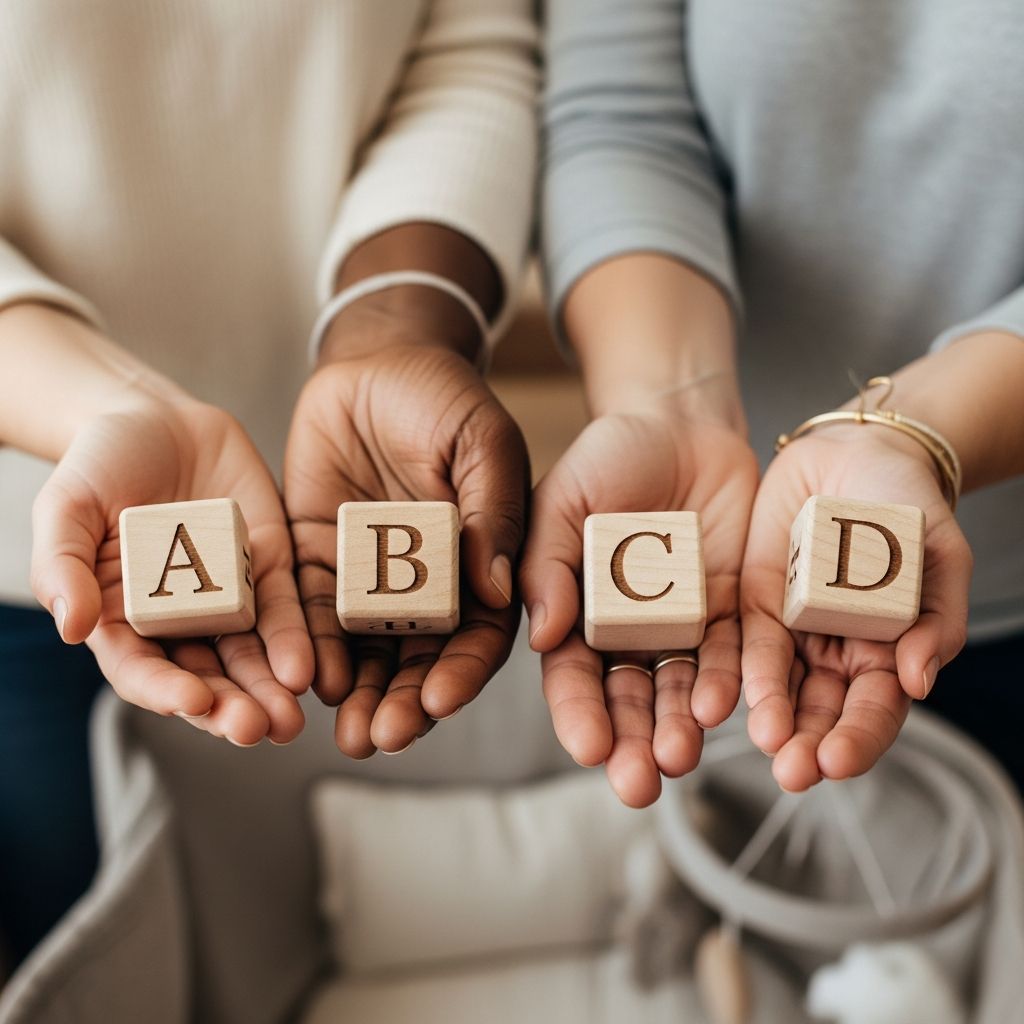
Expecting multiples brings joy, excitement, and a unique set of challenges—not least of which is selecting names that feel right for each child. Whether you’re welcoming twins, triplets, quadruplets, or even higher-order multiples, the process of naming requires careful thought and consideration. Unlike parents of singletons who focus on finding one perfect name, parents of multiples must consider how names work together, how they sound in combination, and whether each child will feel like an individual despite their shared birth.
The fundamental principle underlying successful naming for multiples remains straightforward: the core rules for selecting baby names don’t change simply because you’re having more than one child. However, the practical application becomes more nuanced. You’re no longer evaluating names in isolation; instead, you’re assessing how different combinations of names interact, harmonize, and serve each child’s unique identity.
Understanding Multiple Birth Terminology
Before diving into naming strategies, it helps to understand the terminology used for multiple births. These terms provide both medical precision and cultural reference points that may influence how you approach naming.
Twins represent the most common form of multiple birth, occurring naturally at a rate of approximately 1 in 60 births without fertility interventions. Twins can be identical (monozygotic), developing from a single fertilized egg that splits, or fraternal (dizygotic), resulting from two separately fertilized eggs. Identical twins share 100% of their DNA, while fraternal twins share approximately 50%, similar to regular siblings.
Triplets account for approximately 1 in 1,000 births and represent a significant jump in rarity compared to twins. Triplets may be all identical, all fraternal, or a combination of both zygotic types. The most common configuration involves all three being fraternal.
Quadruplets and beyond become exponentially rarer. Quadruplets occur naturally in approximately 1 in 700,000 births. As families increase to quintuplets (1 in 55,000,000 births) and higher, natural occurrence becomes extraordinarily rare, with most occurring as a result of fertility treatments.
Evaluating Names in Multiple Combinations
The most critical difference between naming a single child and naming multiples lies in combination testing. When you select a name for one of your multiples, you must simultaneously evaluate how that name sounds alongside each of the other names you’re considering.
This process involves several important considerations:
- Phonetic Flow: Say each pair or group of names aloud in different orders. Do they create an appealing rhythm when spoken together? Do they rhyme or have similar endings in ways that might blur individual identity?
- Initial Letters: Consider whether names starting with similar or sequential letters create confusion or undesirable patterns. Some parents intentionally choose names beginning with different letters; others prefer a subtle connection.
- Syllable Patterns: Evaluate the combined syllable count. A long, flowing name paired with a short, punchy name often creates pleasant balance, whereas two very long names or two very short names might feel monotonous together.
- Name Length Contrast: Significant length differences between paired names can emphasize individuality. Conversely, similar lengths create a sense of unity and balance.
- Nickname Potential: Consider what shortened versions of each name might be, and how these nicknames interact in combination.
Building Individual Identity Through Naming
A common concern among parents of multiples involves ensuring that each child feels like a distinct individual rather than part of a unit. Naming strategies significantly influence this perception, both in childhood and throughout adulthood.
Many naming experts recommend selecting names that are sufficiently distinct from one another in style, origin, or sound. This approach helps establish each child’s separate identity from birth. For example, pairing a traditional, classical name with a modern, creative name creates immediate differentiation. Similarly, choosing names from different cultural backgrounds or linguistic traditions can reinforce individuality.
However, some families appreciate a subtle thematic connection. This might involve selecting names that share a common origin—such as all Irish names, all biblical names, or all names meaning similar concepts—while ensuring each name is distinct enough to stand alone. This approach creates a sense of cohesion without sacrificing individuality.
Thematic Naming Approaches
Parents of multiples often gravitate toward one of several thematic naming strategies:
Literary and Cultural References
Some families draw inspiration from literature, mythology, or cultural traditions. This might involve selecting names from a beloved book series, characters from classical literature, or figures from family heritage. This approach creates a meaningful narrative around the names while ensuring they’re recognizable and appropriate.
Meaning-Based Connections
Other families select names based on shared meanings or concepts. For instance, names meaning virtues (Grace, Hope, Joy), natural elements (River, Forest, Sage), or celestial bodies (Luna, Leo, Stella) create subtle connections while maintaining distinct identities.
Sound and Rhythm Harmony
Some parents prioritize phonetic compatibility above all else, selecting names that complement each other in sound and flow without necessarily sharing thematic elements. This approach focuses purely on how the names sound together and individually.
Complete Independence
Many parents deliberately choose names with no thematic connection whatsoever, treating the naming of multiples exactly as they would single children. This approach emphasizes that each child is an independent individual who happens to share a birthday with siblings.
Practical Testing Strategies
Implementing systematic testing of name combinations ensures you’ve thoroughly evaluated your options before making final decisions:
- Written Documentation: Create a spreadsheet or document listing all possible name combinations. Write them out, say them aloud multiple times, and note your reactions to each pairing.
- Social Testing: Share combinations with trusted family members and friends, noting their honest reactions and any concerns they raise about how names work together.
- Initials and Monogram Visualization: Write out initials and imagine them on monogrammed items, birth announcements, or formal documents. Ensure the resulting letters don’t create unfortunate acronyms.
- School Roster Simulation: Imagine seeing all the names listed together on a classroom roster or team roster. Does each name stand out appropriately?
- Longevity Assessment: Consider how the names will sound when introducing your children as teenagers, college students, and professionals. Do the combinations still feel appropriate at different life stages?
Addressing Naming Challenges Specific to Multiples
Several unique challenges emerge when naming multiples that require specific consideration:
Rhyming and Matching Names
While rhyming or nearly-matching names can be appealing, they risk reducing each child’s sense of individuality. Names like Emma and Anna, or Jacob and Joshua, create beautiful symmetry but might contribute to children being treated as a unit rather than individuals. Most child development experts recommend avoiding obvious rhymes or near-matches unless this perfectly aligns with your family’s values and naming philosophy.
Same-Gendered Multiples
Parents of multiples of the same gender sometimes worry about selecting names that are too similar in style or that create comparison rather than appreciation. Balancing names that feel cohesive as a group while distinctly identifying each individual requires careful consideration.
Mixed-Gendered Multiples
Parents expecting multiples of different genders have greater built-in differentiation through gendered naming conventions, but this doesn’t eliminate the need for thoughtful combination testing. The names should still work well together and feel intentionally selected rather than haphazardly paired.
Cultural, Religious, and Family Considerations
Family heritage, cultural traditions, and religious significance often play important roles in name selection for multiples. These factors might involve:
- Honoring ancestral or family names while ensuring each child receives distinct recognition
- Following cultural naming traditions that may have specific patterns or requirements
- Incorporating religious significance while maintaining balance across multiple children
- Blending multiple cultural heritages represented in your family
- Creating connections to meaningful people or stories within your family history
These considerations often enrich the naming process, providing deeper meaning and connection than purely aesthetic choices alone.
Common Naming Mistakes to Avoid
As you evaluate options for your multiples, certain pitfalls warrant specific attention:
- Ignoring Combination Sound: Selecting beautiful individual names without testing how they sound together often results in combinations that feel awkward or create unintended rhymes.
- Overemphasizing Matching: While some connection between names can be lovely, excessive matching risks diminishing each child’s individual identity.
- Neglecting Long-Term Implications: Names that sound adorable for babies may feel inappropriate as the children mature. Consider how names will serve them throughout life.
- Following Trends Without Reflection: Popular name trends may result in all your children having fashionable names that sound dated within a decade, potentially creating regret.
- Insufficient Testing: Failing to say names aloud repeatedly, write them in combination, and visualize them in various contexts often results in belated recognition of problems that could have been addressed earlier.
Special Considerations for Higher-Order Multiples
Parents expecting three or more children simultaneously face exponentially greater complexity in name selection. With triplets, you’re evaluating not just two-name combinations but three-name configurations, plus every two-name pairing within the group.
For higher-order multiples, many parents find that thematic approaches become more valuable. A subtle connection—whether through meaning, origin, or sound—can help manage the increased complexity while ensuring each name remains individual.
It’s particularly important with triplets and beyond to ensure that names don’t create a sense of units or pairs. Each child should feel equally valued and distinct, which requires deliberate attention to how all names function together as a complete group.
Frequently Asked Questions About Naming Multiples
Q: Do multiples always need to have a thematic connection in their names?
A: No. While some families enjoy thematic naming, many others choose completely independent names for each child, treating multiples the same way they would name single children. Either approach is valid; the choice depends on your family’s preferences and values.
Q: Should I avoid rhyming or similar-sounding names?
A: Most experts recommend avoiding obvious rhymes or near-matches because they may reinforce a “unit” perception rather than celebrating individuality. However, if you love specific names that happen to rhyme, that personal preference can outweigh general recommendations.
Q: How important is it that names have similar length or syllable count?
A: There’s no universal rule. Some names with contrasting lengths create pleasant balance, while similar lengths create cohesion. Test different combinations and choose based on what sounds and feels right to you.
Q: Can I use family or ancestral names for multiples?
A: Absolutely. Many families honor loved ones through naming multiples. If you have multiple family names you want to use, ensure each name is distinct enough that each child feels individually honored rather than interchangeable.
Q: What if I love a name but it doesn’t pair well with my other selections?
A: You have options: explore similar alternatives that might work better in combination, reconsider one or more of your other name choices, or choose based on individual preference if that name holds particular significance to your family.
Q: Should the names be the same gender-style, or can I mix traditional and modern?
A: You can absolutely mix styles—traditional with modern, common with unique, or formal with casual. This variety often enhances individuality and prevents a sense of sameness.
References
- Multiple Birth Terminology and Statistics — Wikipedia. Accessed January 2026. https://en.wikipedia.org/wiki/Multiple_birth
- Triplets, Quadruplets, and Higher-Order Multiples: Prevalence and Characteristics — Centers for Disease Control and Prevention. https://www.cdc.gov/