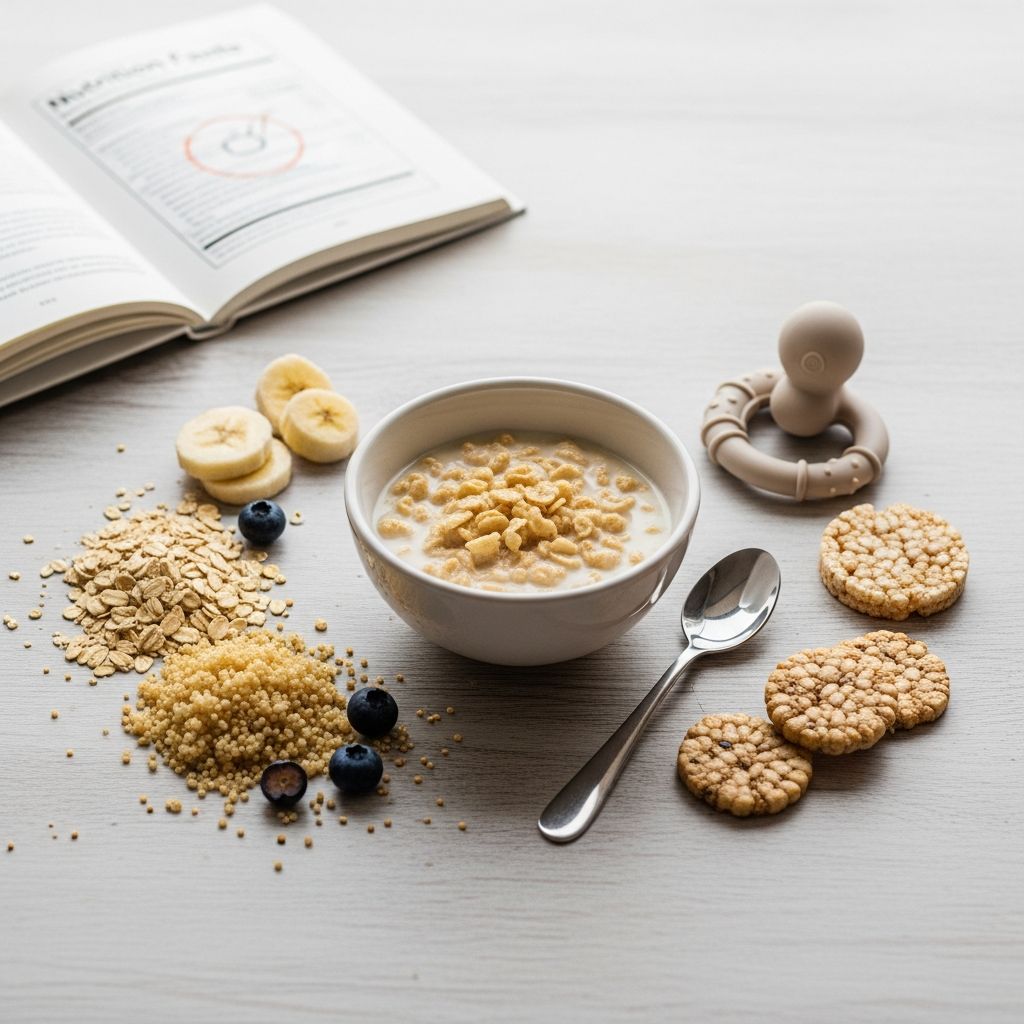
Baby cereal is often one of the first solid foods parents consider, but the sheer number of options on the shelf can make the decision feel overwhelming. This guide walks through how to choose a cereal that supports your baby’s growth, stays aligned with current feeding recommendations, and fits your family’s lifestyle.
Why Baby Cereal Became a Popular First Food
For decades, iron-fortified infant cereal has been a classic starter food because it is soft, easy to digest, and can be mixed with breast milk or formula for a familiar flavor. Manufacturers also add iron and other nutrients that growing babies need once their internal stores begin to decline in late infancy. Today, parents still reach for baby cereal, but many also balance it with vegetables, fruits, and other iron-rich foods.
- Infant cereals are designed to mix into a smooth, thin consistency that tiny mouths can manage.
- Iron fortification helps fill the gap between what babies need and what they naturally get from breast milk or standard formula alone.
- Single-grain versions give families a gentle way to introduce common grains like oats and rice.
Signs Your Baby Is Ready for Cereal
Age is only part of the picture when deciding when to start cereal. Most babies are ready for solids sometime between 4 and 6 months, but developmental readiness cues are more useful than the calendar. Look for body control, interest in food, and the ability to move food from the front of the mouth to the back.
- Your baby can sit with good head and neck control, ideally with minimal support in a high chair.
- The tongue-thrust reflex has faded, so food no longer automatically gets pushed back out of the mouth.
- Your child shows curiosity about your meals, reaching for your plate or opening their mouth when food approaches.
- Milk feeds alone no longer seem to keep your baby satisfied for as long as they did before.
If uncertainty remains, checking in with your pediatrician before starting baby cereal is always appropriate. They can factor in growth patterns, medical history, and whether there are any special nutritional needs.
Key Nutrients to Look For in Baby Cereal
The main reason baby cereal is more than just a bowl of ground grains is its nutrient profile. Reading the nutrition facts panel will help you choose an option that truly contributes to your baby’s diet instead of simply filling their tummy.
Iron and why it matters
Iron supports healthy brain development and red blood cell production, yet many babies are at risk of low iron after about 6 months of age. Infant cereals fortified with iron can provide a meaningful portion of your child’s daily requirement in just a few spoonfuls.
- Look for “iron-fortified” on the front of the box or in the nutrition panel.
- Check how much of the daily value (DV) for iron is provided per serving, keeping in mind that young babies will typically eat less than a full serving at first.
Supporting vitamins and minerals
Many baby cereals include additional nutrients that work alongside iron. While formulas already contain a wide mix of vitamins and minerals, breastfed babies may benefit from fortified options, depending on their pediatrician’s recommendations.
- B vitamins often appear in baby cereals because they support energy metabolism and nervous system development.
- Vitamin D and calcium may be added to some products to complement other sources of bone-building nutrients.
- Zinc, another common addition, plays a role in immune function and cell growth.
Common Grain Types and What They Offer
When parents picture baby cereal, many still think of rice, but there is now a full spectrum of grain choices. Each type has its own flavor profile, texture, and potential advantages, which can help you match the cereal to your baby’s stage and your family’s preferences.
| Grain type | Typical qualities | Why parents choose it |
|---|---|---|
| Oat | Mild, slightly nutty flavor; creamy when mixed with liquid | Versatile, easy to digest, widely available as organic and iron-fortified options |
| Rice | Very mild flavor; very smooth when thinned | Historically traditional; sometimes chosen for simple ingredients or temporary digestive issues |
| Barley | Heartier grain taste and thicker texture | Used in multi-grain blends to add variety and fiber |
| Mixed grains | Combination of oats, barley, wheat, or others | Offers a wider range of textures and nutrients for older babies who handle thicker foods |
| Alternative grains (such as quinoa or buckwheat) | Earthier flavor and slightly different texture | Appeal to families seeking diverse grains or avoiding certain common cereals |
Single-Grain vs. Multi-Grain: Which Should You Start With?
Single-grain cereals are usually recommended as the starting point because they make it easier to spot a reaction and clearly track what your baby has eaten. Once your child tolerates one grain well, you can gradually expand to blends that include multiple cereals.
- Single-grain cereal (such as plain oat or rice) is helpful in the early weeks of solids because it keeps ingredient lists short and simple.
- Multi-grain cereal can be introduced when your baby is comfortable with several grains individually and is ready for more varied textures.
- Do not feel pressured to switch to mixed grains on a strict schedule; many babies enjoy single-grain options for a long time.
Organic, Conventional, and Special Labels Explained
Package labels can be just as confusing as nutrition panels. While organic certification and additional seals can provide reassurance to some families, they do not automatically make a cereal healthier. Understanding what each label actually means can help you prioritize what matters most to you.
What organic really indicates
Certified organic baby cereals are produced according to specific standards that typically limit synthetic pesticides and fertilizers. For many caregivers, this aligns with broader choices they are already making about their family’s food, but it is still only one piece of the overall picture.
- Organic status does not guarantee more vitamins, fewer allergens, or better taste; it mainly reflects how the ingredients were grown and processed.
- It is possible to have a nutritious conventional cereal if the rest of the label looks solid.
Other claims you may see
Beyond organic, packages may mention being non-GMO, gluten free, dairy free, or free from certain allergens. Some products also highlight that they contain no artificial colors or flavors. These claims can be helpful if your child has specific medical needs or a strong family history of allergies.
- Choose allergen-related labels intentionally; avoiding major allergens without medical reasons can sometimes make later introduction more complicated.
- Marketing language such as “superfood” is less important than reading the full ingredient list and nutrition panel.
Ingredients to Limit or Avoid
A good infant cereal does not need many extras. Simple ingredients reduce the chance of reactions and ensure that most of the calories come from grains and beneficial nutrients instead of sugar or flavorings.
- Added sugar: Look for products with no added sweeteners such as sugar, fruit juice concentrates, or syrups, especially for younger babies.
- Excess sodium: There is no need for added salt in baby cereal; infants naturally prefer mild flavors.
- Artificial colors and flavors: These additives do not offer any nutritional benefit and can usually be avoided.
- Long lists of unnecessary fillers: A brief ingredient list that focuses on whole grains and key nutrients is often easier to evaluate.
How to Prepare Baby Cereal Safely
Preparation technique can make the difference between a cereal your baby loves and one that ends up on the floor. Safety and texture should guide your approach, especially in the early weeks of trying solids.
- Wash your hands and use clean bowls and spoons designated for your baby.
- Start with the package instructions for how much cereal and liquid to combine, but then adjust freely to reach a very thin, soupy texture for beginners.
- Use breast milk, formula, or water as the mixing liquid, choosing whichever your pediatrician and family prefer.
- Warm gently if desired, testing the temperature on the inside of your wrist to ensure it is lukewarm, never hot.
- Offer small spoonfuls and allow your baby to guide the pace, watching their facial expressions and body language.
Discard any leftover cereal that has been in contact with your baby’s spoon or mouth. Mixing a fresh portion for each meal reduces bacteria growth and helps you keep track of how much your child actually ate.
Texture Progression: From Thin to Thick
At first, cereal should be almost drinkable. As your baby becomes more coordinated and confident, gradually thickening the consistency supports oral motor development and makes meals more satisfying. There is no universal timeline, so watch your baby’s cues.
- New eaters typically do best when cereal drips easily off the spoon.
- Once your baby can move food around the mouth and swallow without coughing or gagging often, you can make the cereal creamier and less runny.
- Older babies who are used to solids may enjoy thicker, spoonable cereal with small, very soft lumps created by mixing in fruit or vegetables.
Serving Ideas That Go Beyond Plain Bowls
Baby cereal does not have to be bland or repetitive. As your child tolerates new foods, use cereal as a base to introduce flavors and textures in a gentle way. This can help prevent picky eating patterns later by exposing your baby to a variety of tastes early on.
- Stir in smooth fruit or vegetable purees such as pear, pumpkin, or carrot for natural sweetness and color.
- Mix cereal with plain yogurt for older babies who already handle dairy and thicker textures.
- Combine leftover prepared cereal with mashed banana and cook small, soft pancakes or waffles for toddlers.
- Sprinkle a spoonful of dry cereal into purees to slightly thicken them and add extra iron.
Allergies and Baby Cereal
Concerns about allergies often surface when new foods are introduced. Grain-based cereals can contain or be made alongside common allergens, but they can also serve as a safe, controlled way to expose your baby to them when guided by a pediatrician. The approach you take may depend on family history and any existing conditions.
- Introduce new cereals one at a time and wait a couple of days before adding another new food, especially in the early stages.
- Watch for signs like hives, vomiting, swelling, or breathing changes and seek immediate medical help if they occur.
- If your family has a strong history of wheat, dairy, or nut allergies, ask about the best way to introduce products that contain or are processed near those ingredients.
How Much Cereal Should a Baby Eat?
Portion sizes increase gradually as your baby grows. In the beginning, baby cereal is more about learning and exposure than meeting major calorie needs. Milk feeds remain the primary source of nutrition for many months, and cereal simply adds to that base.
- First meals might be just 1–2 teaspoons of very thin cereal once a day.
- Over time, many babies work up to a few tablespoons, one or two times per day, depending on appetite and the rest of the diet.
- Respect your baby’s hunger and fullness cues; turning away, closing the mouth, or losing interest are all signs to stop.
Comparing Baby Cereals at the Store
When standing in front of the cereal aisle, it helps to have a quick system for comparing boxes. Focusing on a few high-impact factors will keep the choice manageable and more confident. The simple checklist below can guide your decision in just a few minutes.
| Feature | What to look for |
|---|---|
| Grain type | Single grain (ideal for beginners) or blends for older babies who tolerate several cereals |
| Iron content | Clearly identified iron fortification with an appropriate percentage of daily value per serving |
| Added sugar | Zero grams of added sugars, especially for infants under one year |
| Ingredient list | Short, recognizable ingredients with limited additives or flavorings |
| Special labels | Organic, allergen-related claims, or other certifications that match your family’s priorities |
Frequently Asked Questions About Baby Cereal
Is baby cereal mandatory, or can I skip it?
Baby cereal is not strictly required, but it is a convenient way to provide iron and practice spoon-feeding. Some families rely more on iron-rich purees, meats, or legumes instead. If you choose to skip cereal, work with your pediatrician to ensure that your baby’s overall diet still covers key nutrients, especially iron and zinc.
Should I worry about arsenic in rice cereal?
Concerns about arsenic in rice have led many experts to encourage offering a variety of grains instead of relying on rice cereal every day. Using oat, barley, or mixed-grain cereals alongside occasional rice options can help diversify your baby’s intake. Checking current recommendations from reputable health organizations can also provide reassurance as guidelines evolve.
Can I put baby cereal in a bottle?
Thickening bottles with cereal is generally discouraged unless a healthcare provider specifically recommends it for a medical reason. Adding cereal to a bottle can change how babies coordinate sucking and swallowing and may increase the risk of overfeeding. Spoon-feeding lets your baby practice important skills and better control how much they eat.
When can I move from baby cereal to regular oatmeal?
Once your child manages thicker textures and small, very soft pieces, you can gradually transition to regular oatmeal cooked until very tender. Start with finely mashed or blended versions and increase the texture slowly. Watch closely for any difficulty chewing or swallowing and adjust back to smoother options if needed.
What if my baby refuses cereal?
Disinterest in cereal does not mean something is wrong. Babies may prefer vegetables, fruits, or other purees at first, or they may simply need more time to get used to eating from a spoon. Continue offering a small amount every few days without pressure, and consider trying different grain types or mixing cereal with familiar flavors like breast milk or a favorite puree.
Putting It All Together
Choosing a baby cereal becomes much easier once you narrow your criteria to a few essentials: appropriate iron content, simple ingredients, and a texture that matches your baby’s stage. From there, trust your observations and your child’s cues as you adjust flavors, thickness, and serving ideas. Over time, cereal can move from a tentative first bite to an enjoyable staple that fits naturally into your family’s broader approach to feeding.