New animated films arrive every year with adorable characters, catchy songs, and massive marketing campaigns aimed straight at families. As a parent or caregiver, it is easy to assume that a colorful “family” movie is automatically safe for even the youngest viewers, but that is not always the case. Choosing wisely requires looking past the trailers to consider how the film’s themes, pacing, and intensity may affect your child’s developing brain and emotions.
Why Not All “Family Movies” Fit Every Child
Movie studios design big-budget releases to attract as wide an audience as possible, including adults and older children who enjoy fast action, snappy jokes, and complex storylines. That broad target can leave preschoolers and toddlers overwhelmed, frightened, or simply confused. Even films rated as suitable for a general audience can contain scenes that are too intense, jokes that rely on sarcasm or humiliation, or storylines that introduce ideas your child is not ready to process.
- Age ratings are blunt tools that do not account for sensitive or anxious children.
- Marketing often highlights the cute mascot characters while downplaying darker or more chaotic sequences.
- What feels harmless to an adult viewer may feel very different to a three- or four-year-old who cannot easily distinguish fantasy from reality.
Key Questions to Ask Before Pressing Play
Instead of relying only on ratings, it helps to use a simple checklist when deciding whether a particular film is appropriate for your child right now. Thinking through these questions ahead of time can prevent unpleasant surprises and support calmer, more enjoyable viewing experiences.
- How intense is the conflict? Are there extended chase scenes, explosions, or terrifying villains? Brief excitement can be fun, but nonstop peril may be overwhelming.
- Does the movie rely on mean humor? Jokes built around insults, bullying, or constant bickering can normalize unkind behavior.
- Is the story easy to follow? Very twisty plots or rapid-fire dialogue can frustrate children who are still developing language and narrative skills.
- How long is the running time? Toddlers especially may struggle to sit through a 100-minute movie without becoming restless or overstimulated.
- What values does the film reinforce? Notice how characters handle disagreements, responsibility, and friendship.
Developmental Needs: Toddlers Versus Early School-Age Kids
Two children born only a few years apart can have very different needs when it comes to media. Understanding typical developmental stages helps you judge whether a specific film is better saved for later. The goal is not to shield children from every minor scare, but to avoid experiences that overload their emotional or cognitive capacities.
| Age Range | Common Abilities | Better Movie Features |
|---|---|---|
| 2–3 years | Limited attention span, struggles to separate fantasy from reality, sensitive to loud noise. | Short, gentle stories; simple visual humor; slow pacing; minimal peril. |
| 3–5 years | Beginning to follow simple plots, strong emotional responses, still easily frightened. | Clear good-versus-bad themes; brief, resolved danger; warm relationships; bright, calm visuals. |
| 6–8 years | Better language skills, stronger sense of story, more interest in complex characters. | Moderate action; some suspense; deeper themes if they are resolved positively and explained. |
Common Red Flags in Popular Animated Films
Many modern animated or family movies are excellent choices for older children but may contain recurring patterns that are not ideal for very young kids. Knowing these patterns lets you skim reviews or ask friends targeted questions before introducing a new title.
- Extended, noisy battles or chase scenes that dominate the film rather than serving a small part of the story.
- Scary or hyper-realistic villains whose faces, voices, or transformations could trigger nightmares.
- Frequent references to weapons or destruction presented in a light, jokey way.
- Rapid mood swings between slapstick comedy and very dark or emotional scenes.
- Jokes aimed clearly at adults that your child may not understand but may repeat without context.
Balancing Screen Time and Real-World Play
Launched toy lines, video games, and branded snacks can make it feel as though every beloved movie must instantly become part of your home life. Yet young children learn most deeply through hands-on, self-directed play, not by passively watching fast-moving images. When a single film dominates the playroom and the family schedule, it may crowd out activities that support physical, social, and emotional growth.
- Set limits on how often the same movie can be watched in a given week.
- Encourage play that borrows ideas from the film but replaces screens with blocks, costumes, and art supplies.
- Model balance by including outdoor time, reading, and unstructured play alongside occasional movie afternoons.
Making Movie Time Less Overwhelming
If you decide a particular film is acceptable but might stretch your child a bit, there are ways to reduce its intensity. Thinking about the viewing environment and your level of involvement can turn potentially overwhelming media into a more manageable experience. These small tweaks can also make it easier to notice and respond if your child becomes distressed.
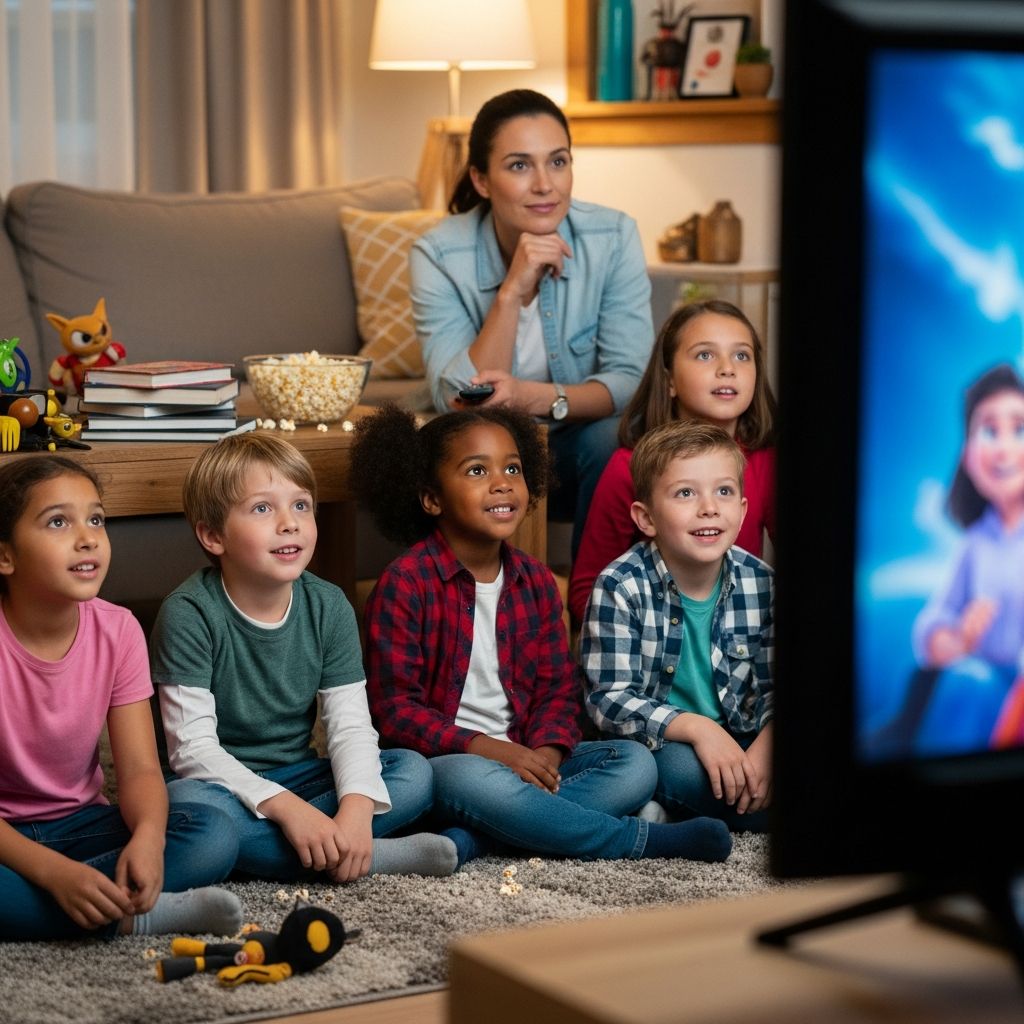
- Watch together rather than using the movie solely as a babysitting tool, especially for new or more intense films.
- Pre-watch on your own so you know when to offer a hand to hold, a reassuring comment, or a snack break.
- Use the pause button during hectic scenes to check in and remind your child that characters are pretending.
- Lower the volume slightly if loud sound effects are a trigger.
- Be willing to turn it off altogether if your child clearly says they are scared or looks frozen and tense.
Turning Movies into Conversation Starters
Even light entertainment can open the door to important conversations about emotions, friendship, and making good choices. Talking about what happens on screen helps children make sense of strong feelings and learn that stories are constructed, not real events. It also gives you a chance to gently correct unhelpful messages or behavior that the film may glamorize.
- Ask open questions like, “How do you think that character felt when…?” or “What would you do if that happened to you?”
- Highlight acts of kindness, bravery, and problem-solving more than moments of aggression or mockery.
- Use confusing plot points as chances to practice retelling the story in simple, child-friendly language.
Practical Steps Before Introducing Any New Movie
A little preparation can prevent most movie-night surprises. Instead of going in blind, treat new films the way you would treat new foods: sample first, go slowly, and watch for strong reactions. Over time, you will gain a good sense of which types of stories your child finds fun, boring, or upsetting.
- Read a variety of short parent reviews that describe specific scenes rather than only mentioning a rating.
- Search for still images or screenshots of major characters to check whether any designs might be especially frightening.
- Start with a trailer and observe your child’s body language, not just their words, while watching it.
- Plan your first viewing at home where you can freely pause, fast-forward, or stop as needed.
- Debrief afterward with a few simple questions and invite your child to draw or play out their favorite parts.
Frequently Asked Questions
How young is too young for feature-length animated movies?
There is no single age that works for every child, but many toddlers under two struggle to follow long stories and can be unusually affected by loud sounds and fast cuts. Short, slow-paced shows or simple musical videos are often a better fit for that stage, while full-length movies tend to work better for children closer to three or four who can sit for longer periods and understand basic cause and effect.
My child begs to watch the same intense movie as older siblings. Should I give in?
Wanting to copy older siblings is very normal, but you do not need to offer the exact same media to everyone. Consider having special “little kid” movie nights where the youngest chooses from a pre-approved list, and separate times when older children watch more complex content after the little one is asleep or occupied elsewhere.
Are car chases and explosions always bad for kids?
Action itself is not inherently harmful; many children enjoy a modest amount of excitement. The problem arises when intense sequences dominate the film or combine with realistic sound design, threatening imagery, and no chance to recover emotionally before the next shock. Occasional, clearly pretend action that resolves quickly and safely is generally easier for kids to manage.
What if my child insists they are not scared but later has nightmares?
Young children sometimes lack the vocabulary or self-awareness to label fear in the moment, especially if they do not want to disappoint a parent. Nightmares, clinginess, fear of the dark, or new worries about separation can all appear days later. If that happens, calmly reassure your child, scale back on intense media for a while, and talk together about what felt scary in the story.
How often is it okay to watch the same movie?
Repetition can be comforting and helps children master new ideas, so rewatching is not automatically a problem. Concerns arise when a single movie is played so frequently that it pushes out other activities, sleep, or social time. Setting gentle boundaries on daily screen use and rotating in new, calmer content can keep things in balance.
Building a Family Culture of Thoughtful Viewing
Ultimately, the goal is not to eliminate movies from childhood, but to weave them into a healthy mix of play, rest, and family connection. When you deliberately choose films that align with your child’s current stage, values, and temperament, movie time becomes an enjoyable shared ritual rather than a source of conflict or distress. Over time, your child will absorb the message that stories are powerful experiences that deserve care, conversation, and thoughtful limits.